When Not to Wear Leather Shoes in Ireland: A Practical Guide
Discover when to skip leather shoes in Ireland's unpredictable weather. Learn how rain, mud, and humidity affect footwear, plus tips for protection and smart alternatives.
When you live in Ireland, footwear, the shoes you wear every day to handle rain, mud, and uneven ground. Also known as Irish walking shoes, it’s not about looks—it’s about surviving the weather and staying on your feet without pain. You don’t need the trendiest pair. You need something that won’t soak through by noon, won’t slip on wet cobblestones, and won’t make your feet ache after eight hours on the job.
That’s why work shoes, footwear designed for safety, comfort, and durability in demanding Irish environments. Also known as Irish work footwear, it looks different here than in other countries. Nurses wear Crocs because they’re slip-resistant and easy to clean. Factory workers and teachers reach for sturdy boots with thick soles. Even people who just walk to the bus stop pick shoes with grip, not just style. And when it comes to leather shoes, real leather footwear valued for weather resistance and long-term comfort in Ireland’s damp climate. Also known as Irish leather footwear, it isn’t just a luxury—it’s a smart investment. A good pair lasts years if you care for it, and that matters when rain is a daily thing.
What you wear on your feet changes depending on where you are and what you do. In Dublin, people call casual sneakers runners. In Galway, flip-flops are just that—flip-flops, not thongs. Some swear by Thursday Boots for their snug fit on wet streets. Others swear by Clarks for their warmth and support. And if you’re on your feet all day, you’ve probably learned the hard way that most fashion shoes won’t cut it. The best Irish footwear isn’t bought because it looks good in a magazine. It’s bought because it survived a month of rain, a hundred steps on cobblestones, and a 12-hour shift without killing your arches.
Below, you’ll find real advice from people who live this every day: nurses, teachers, delivery drivers, and weekend walkers. You’ll learn what works, what doesn’t, and why some shoes that are popular elsewhere just don’t make sense here. Whether you’re looking for slip-resistant soles, breathable linings, or shoes that actually break in without blisters, you’ll find the answers—no fluff, no trends, just what keeps Irish feet moving.
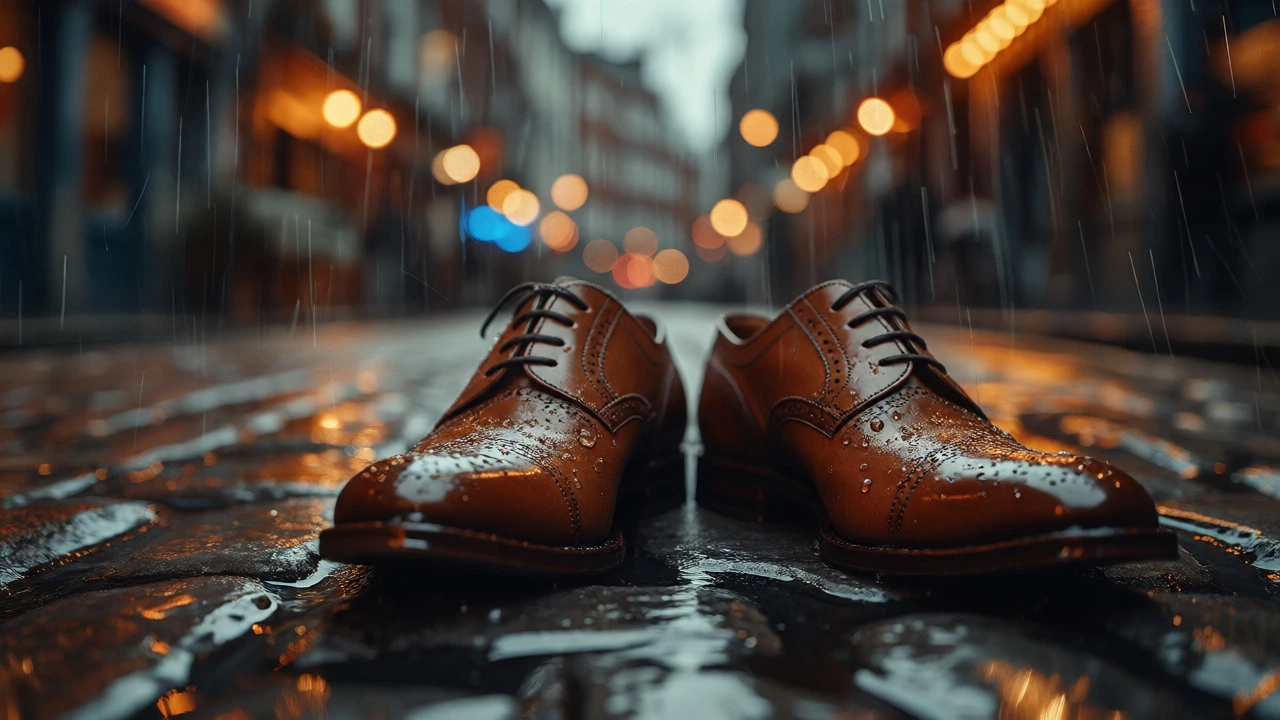
Discover when to skip leather shoes in Ireland's unpredictable weather. Learn how rain, mud, and humidity affect footwear, plus tips for protection and smart alternatives.
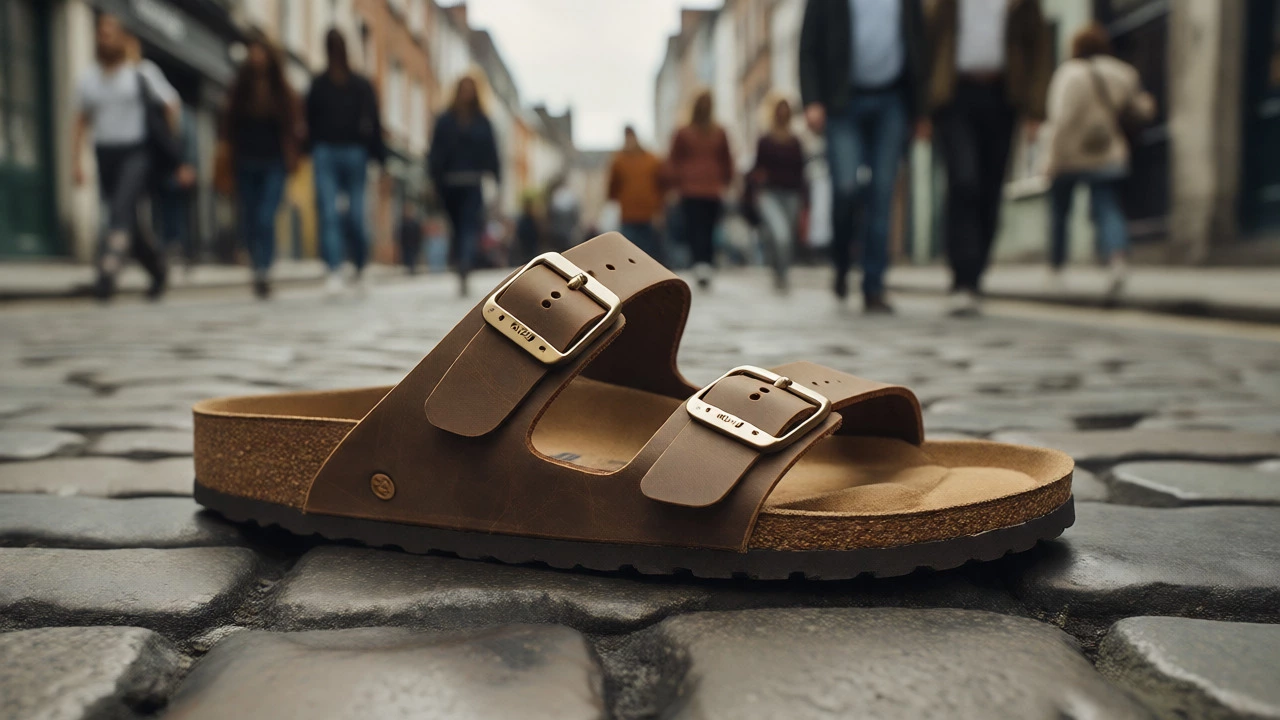
Discover what is the oldest shoe brand in the world, exploring Birkenstock's 1774 origins and other heritage contenders like Clarks and John Lobb. Learn how these historic brands compare in durability and style for Irish consumers.
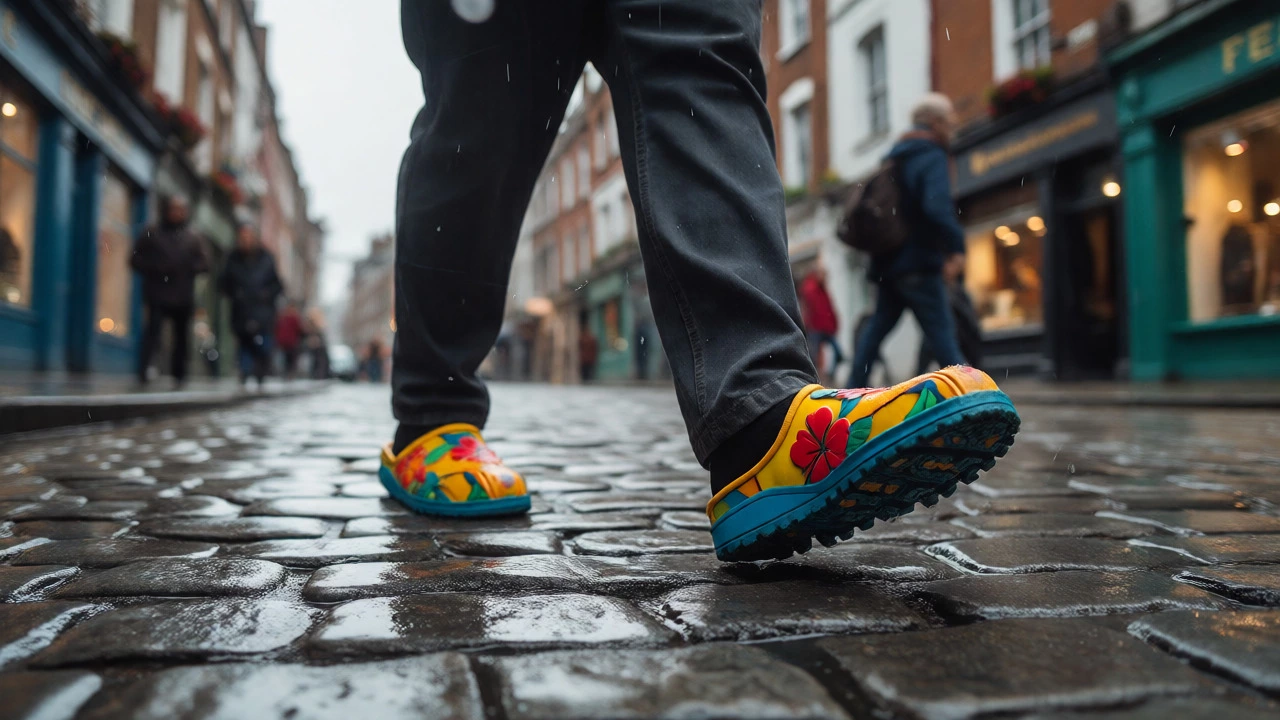
Discover what Hawaii slippers are and why they're popular in Ireland. Learn about their origins, benefits for our rainy climate, styling tips, and how to care for them.
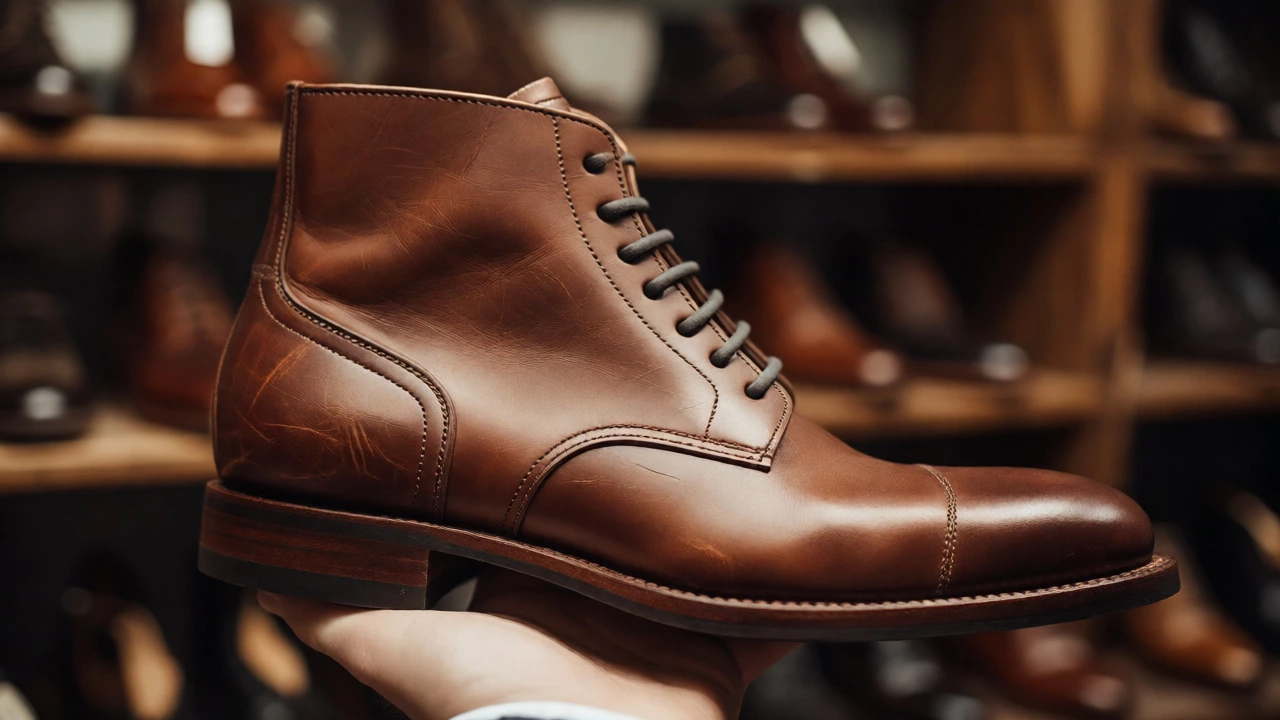
Learn how to identify real leather shoes in Ireland using smell, touch, and water tests. Discover why genuine leather outlasts synthetics in our wet climate.
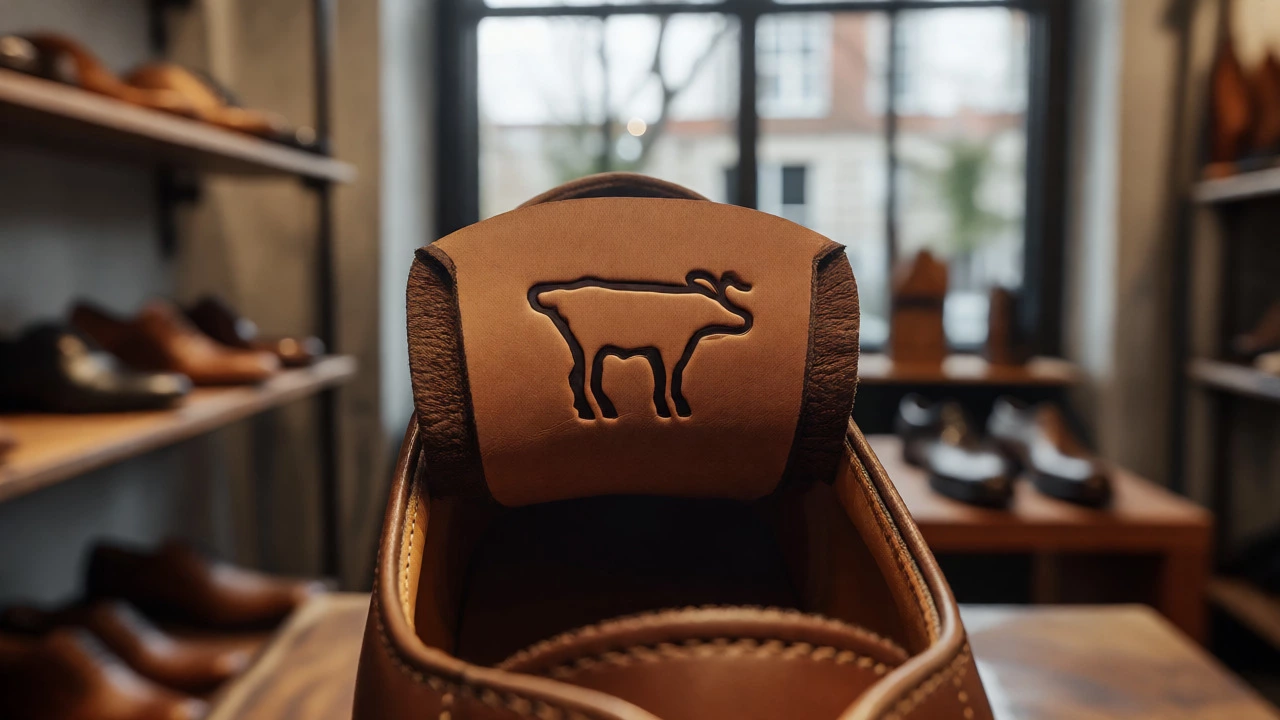
Confused by shoe symbols? Learn what the leather hide icon means and how to care for footwear in Ireland's damp climate. Essential guide for Irish buyers.
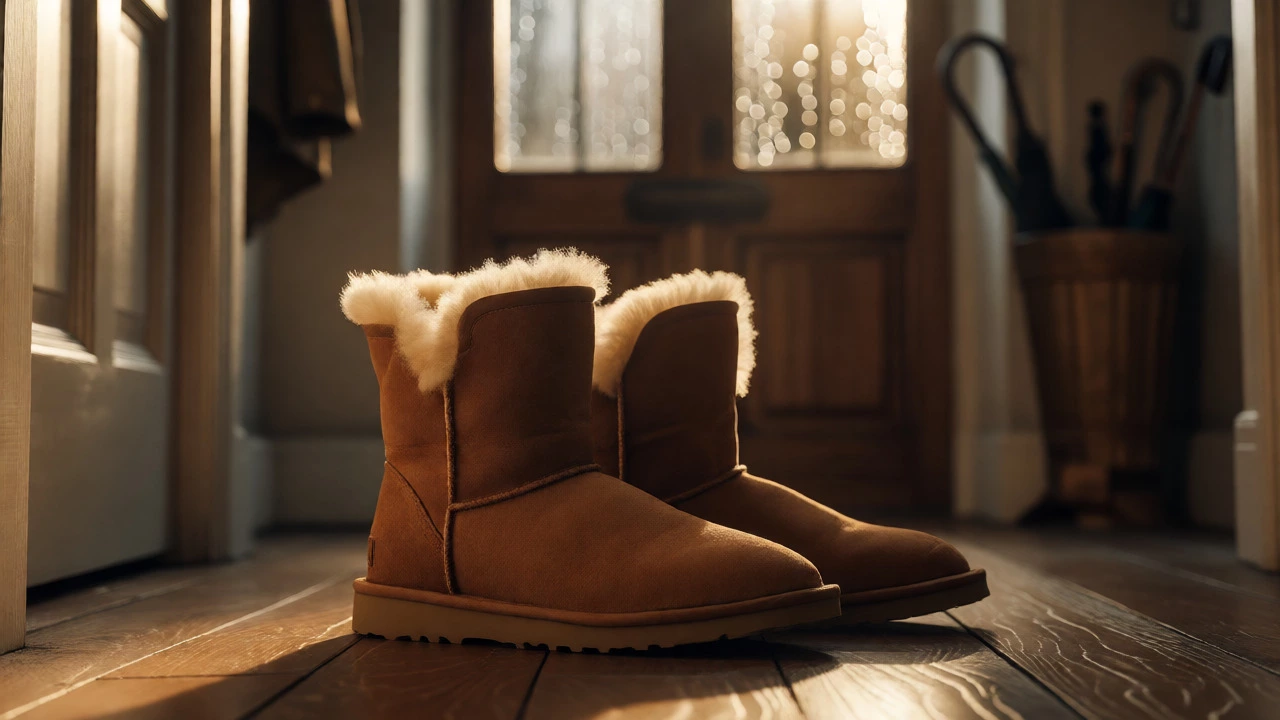
Discover if you should wear UGGs barefoot or with socks. Learn how sheepskin works, hygiene tips for Irish dampness, and care routines to keep your boots fresh.

Wondering if open-toed shoes are professional in Ireland? Discover how dress codes vary by industry, from Dublin tech hubs to Cork law firms. Learn practical tips for choosing the right work footwear.
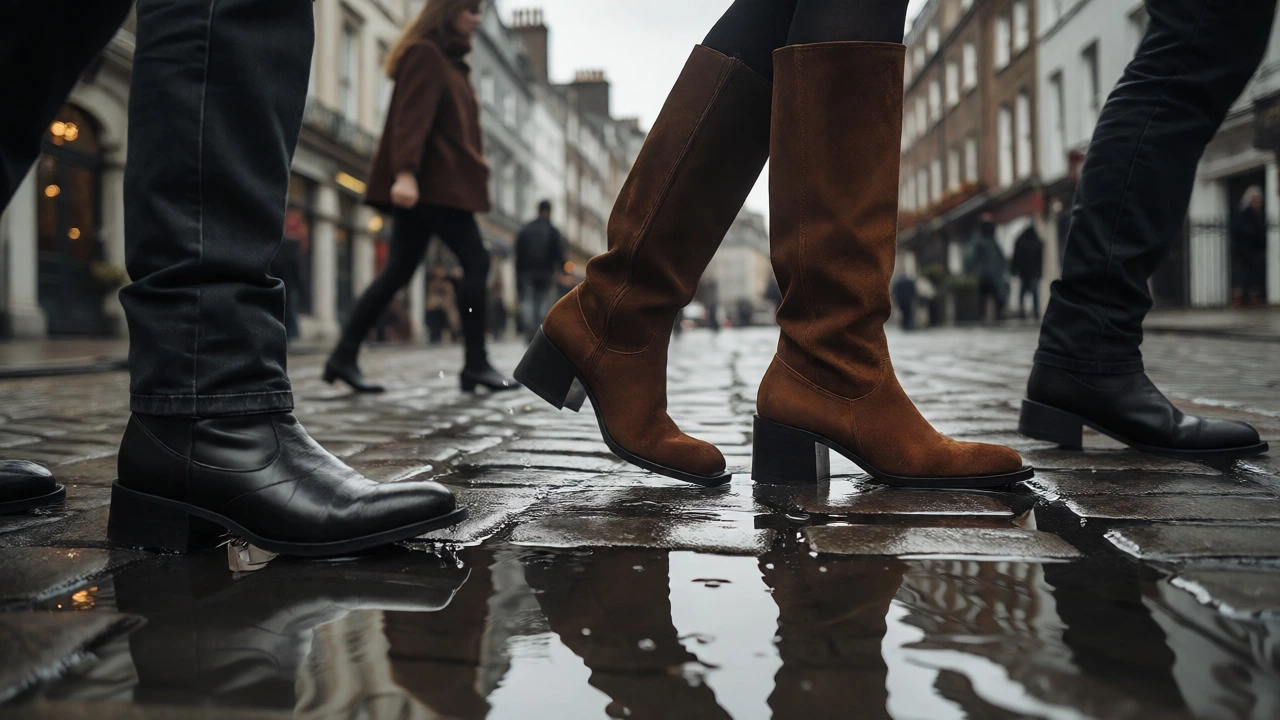
Discover who benefits most from square toe boots in Ireland. Learn how this comfortable, stylish footwear suits wide feet, rainy weather, and active lifestyles.
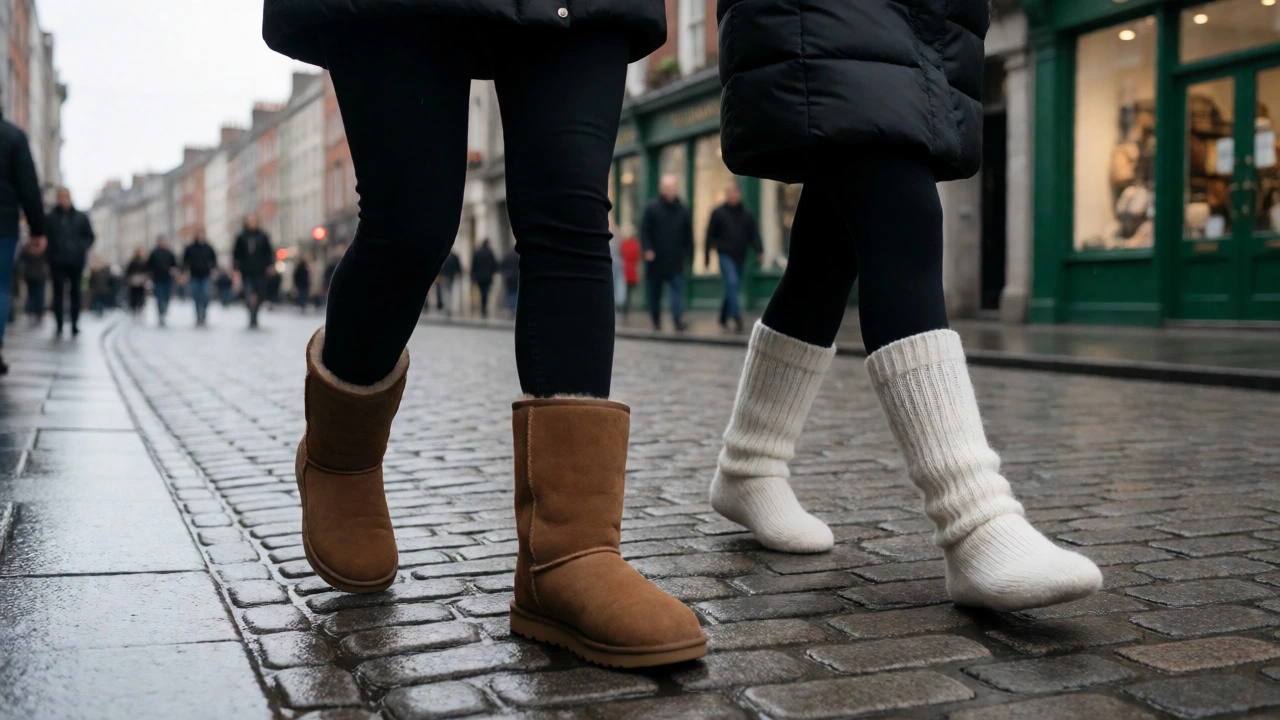
Discover why wearing socks with UGG boots is a mistake in Ireland's damp climate. Learn how sheepskin works, improve foot hygiene, and extend your footwear's life.
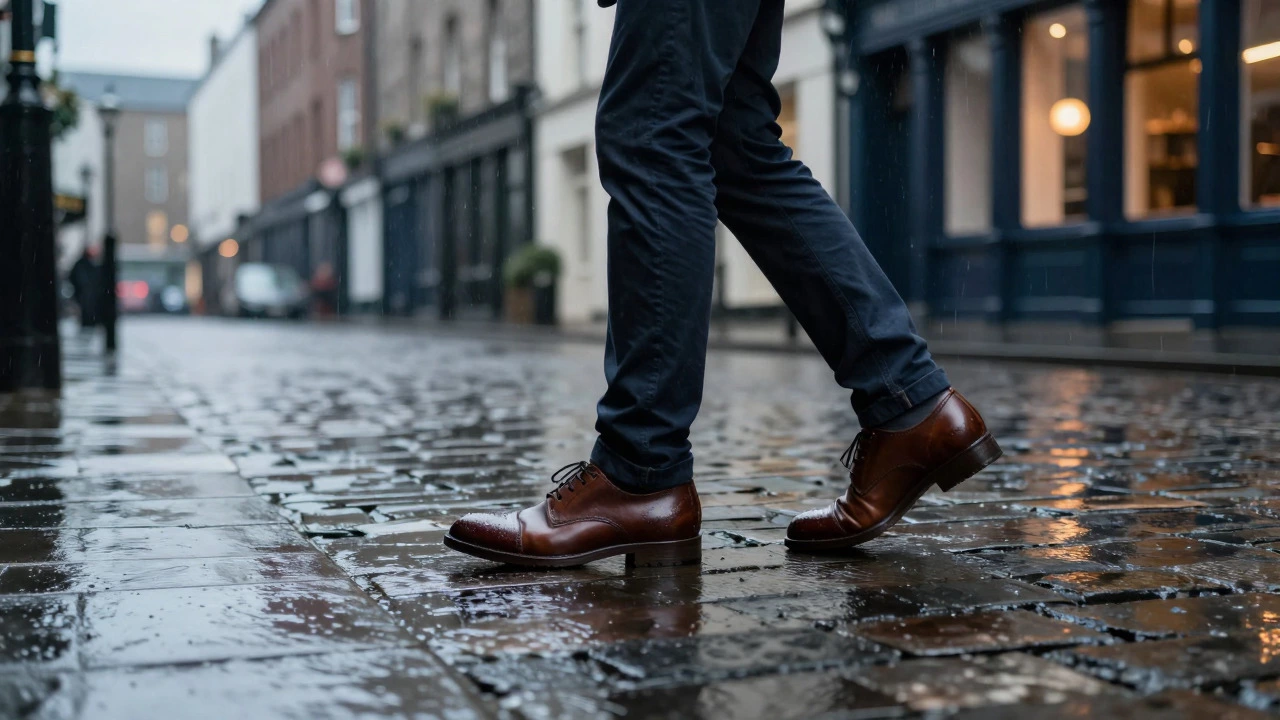
Discover the best leather shoe brands in Ireland, from local makers like Ross Shoes to global names like Ecco. Learn how to choose durable, weather-ready footwear for the Irish climate.
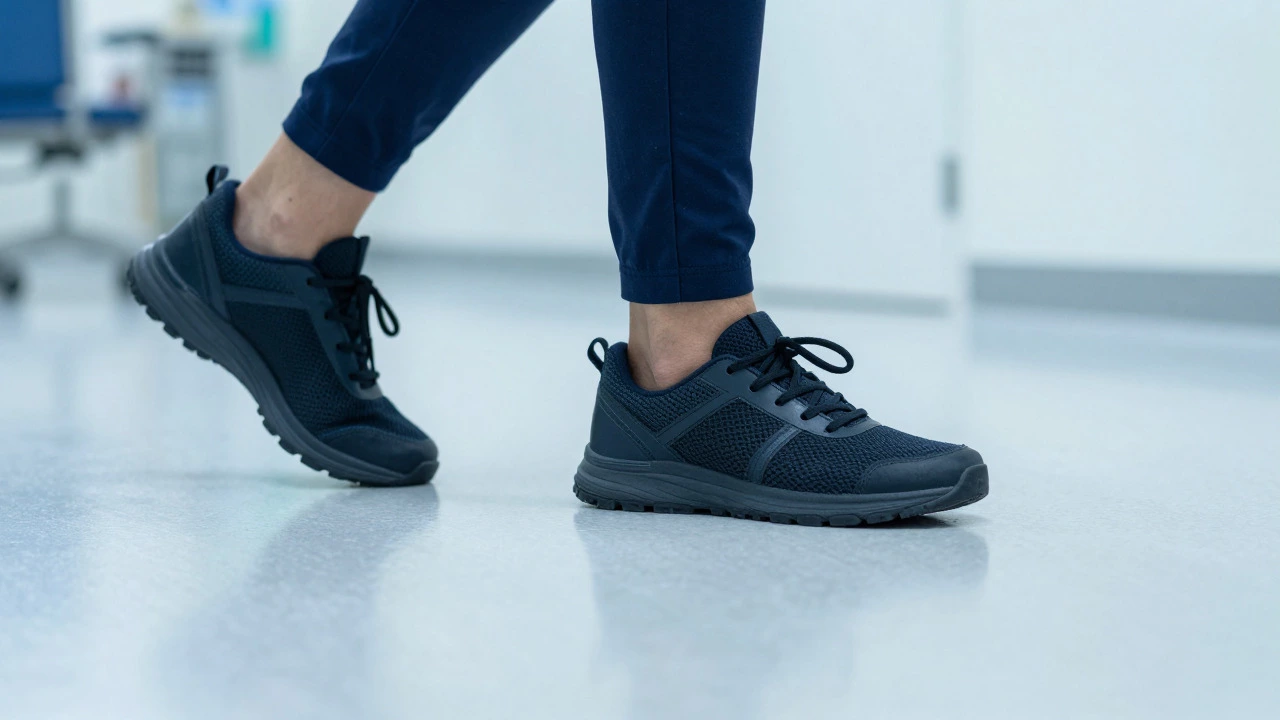
Discover why standard sneakers fail during 12-hour shifts in Ireland and learn how to choose the right footwear to protect your feet and boost endurance.
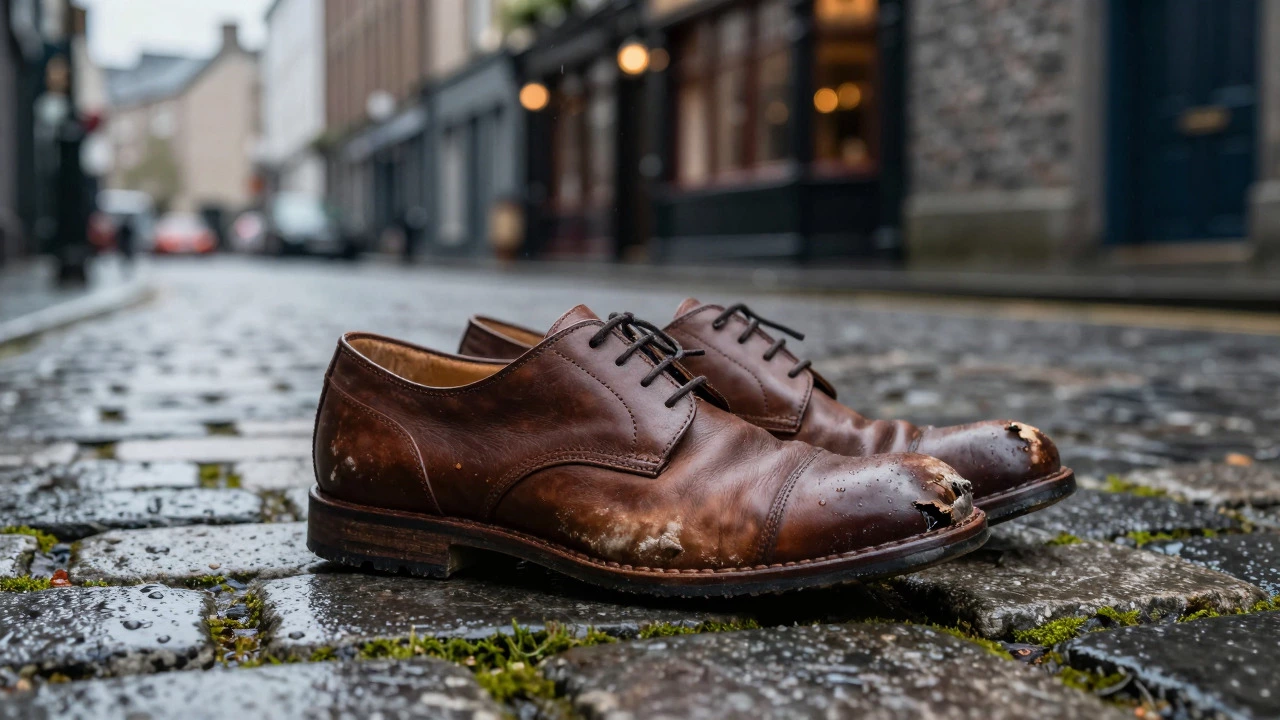
Learn when to replace your leather shoes based on structural wear, Irish weather impacts, and foot health signs. Includes practical advice on repair vs. replacement and care tips for longevity.