Irish Foot Health Shoe Selector
Find the healthiest shoe features for your specific lifestyle in Ireland's wet and uneven conditions.
Living in Ireland means your feet are constantly battling two things: uneven cobblestones and unpredictable rain. If you’ve ever tried to walk down Grafton Street or navigate the cobbled lanes of Galway City in stiff new boots, you know exactly what I mean. We spend hours on our feet, whether we’re commuting through Dublin’s damp streets, working long shifts in hospitality, or hiking the rugged trails of the Wild Atlantic Way. The question isn’t just about style; it’s about survival. So, what shoes are actually healthy for your feet in this specific climate?
The short answer is that the healthiest shoe for an Irish foot is one that combines superior waterproofing with serious arch support and a wide toe box. But getting there requires understanding how our local environment affects biomechanics. It’s not enough to buy a pair of trainers from a high street store and hope for the best. You need gear designed for wet, cold, and often slippery conditions.
The Irish Climate Factor: Why Waterproofing Is Non-Negotiable
In many parts of the world, breathability is the top priority for shoe health. In Ireland, that rule changes. When your socks get wet from puddles or mist, they stay wet. Dampness leads to friction, which causes blisters. Worse, prolonged moisture softens the skin, making it prone to fungal infections like athlete’s foot-a common complaint among locals who commute daily without proper gear.
You don’t need a full wetsuit, but you do need a membrane. Look for shoes labeled with Gore-Tex a waterproof, breathable fabric membrane used in outdoor apparel and footwear. This technology allows sweat vapor to escape while keeping rain out. Without it, your feet become a swampy mess within minutes of stepping outside during a typical April shower. Brands like Haglöfs, popular here for their durability, often integrate these membranes into their hiking and trail runners, making them ideal for both urban commutes and weekend hikes in Wicklow.
Leather is another excellent option, provided it’s treated. Full-grain leather, when conditioned regularly, repels water naturally. Many traditional Irish brands, such as Clarks a British footwear company known for comfortable shoes and boots, have mastered the art of weather-resistant leather. However, avoid suede unless you’re prepared to reproof it every week. Suede looks great in a dry studio photo, but it turns brown and soggy after five minutes in an Irish drizzle.
Supporting the Arch: Navigating Cobblestones and Concrete
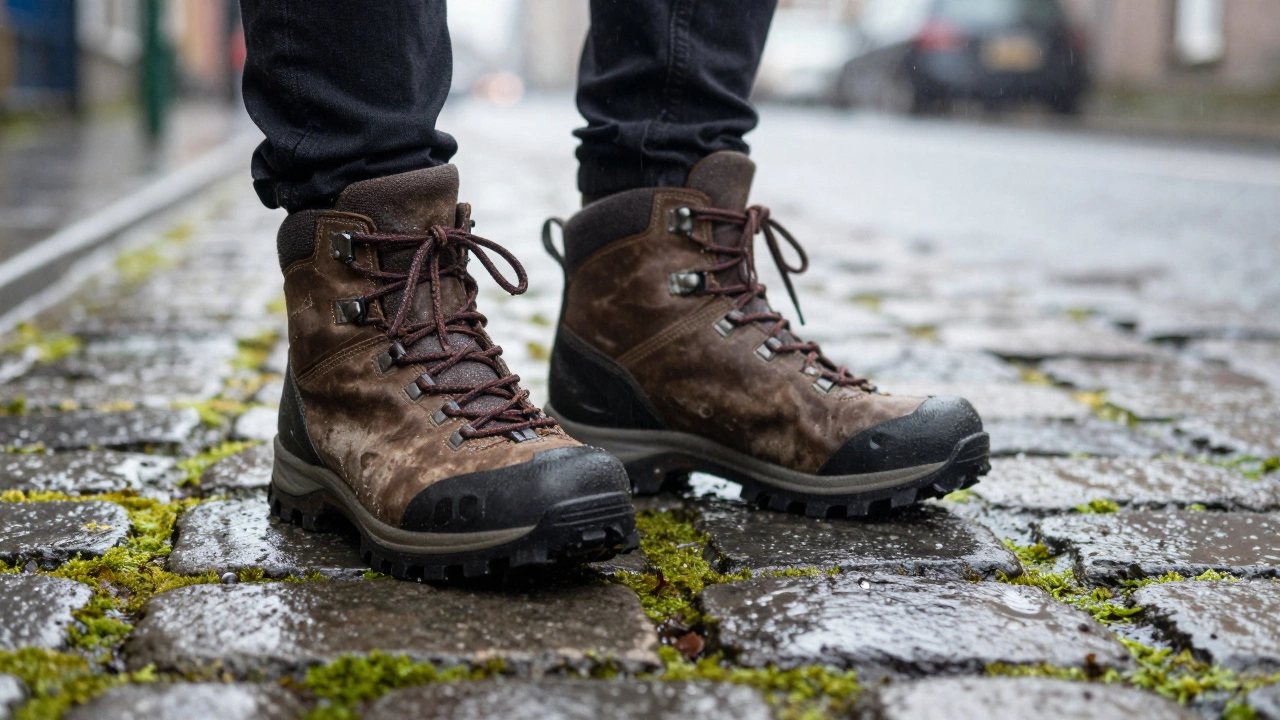
Ireland’s historic cities are built on centuries-old infrastructure. That means lots of cobblestones. Walking on uneven surfaces forces your feet to micro-adjust constantly, straining the plantar fascia-the thick band of tissue that runs across the bottom of your foot. Over time, this can lead to plantar fasciitis, a painful condition characterized by heel pain.
To combat this, you need shoes with rigid midsoles and good arch support. Flat sneakers with zero structure might look trendy, but they offer little protection against the jarring impact of stone streets. Look for shoes with a slight heel-to-toe drop (about 4-8mm) to reduce strain on the Achilles tendon. Brands like Brooks an American brand specializing in running and walking shoes and New Balance a global sportswear manufacturer known for comfort and stability offer models specifically designed for stability and overpronation, which is common among people who stand all day.
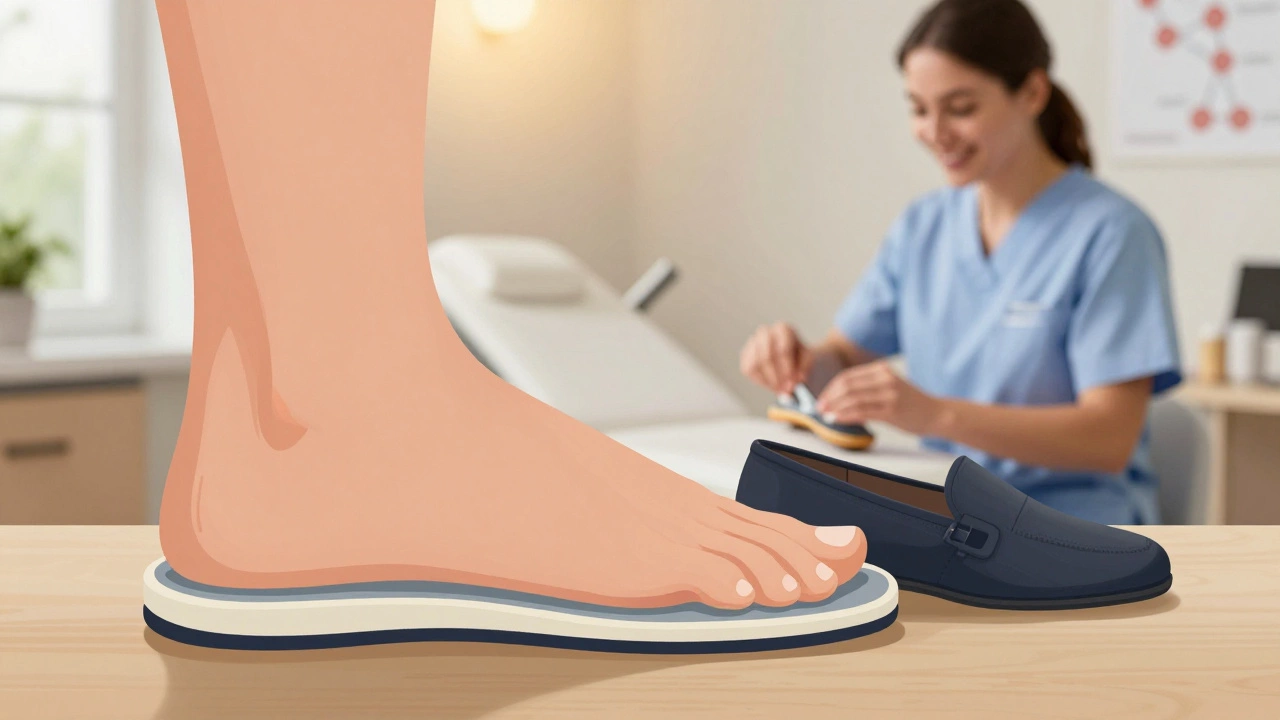
If you work in healthcare, retail, or hospitality-sectors where standing for eight-hour shifts is normal-you should consider custom orthotics. Many podiatrists in Dublin and Cork offer gait analysis services. They can assess how you walk and recommend inserts that correct alignment issues. Investing in a pair of quality orthotics can extend the life of your shoes and prevent chronic pain.
The Toe Box: Room to Breathe and Move
A common mistake people make is buying shoes that are too narrow. In Ireland, where temperatures hover around 10-15°C for much of the year, we tend to wear thicker socks. Thin socks won’t cut it in November. If your shoes don’t have room for a wool blend sock, your toes will be cramped, leading to bunions and hammertoes.
Look for shoes with a "wide" or "extra wide" fit. Brands like Altra a footwear brand known for its FootShape™ toe box design and Topo Athletic a brand offering natural shape running shoes prioritize a natural toe splay. This allows your toes to spread out when you land, improving balance and reducing pressure on the joints. Even if you’re not running marathons, this design principle applies to everyday walking shoes.
When trying on shoes, always do so in the afternoon. Your feet swell throughout the day due to gravity and activity. If a shoe feels tight in the morning, it will be unbearable by evening. Make sure you have about a thumb’s width of space between your longest toe and the end of the shoe.
Traction: Staying Safe on Slippery Surfaces
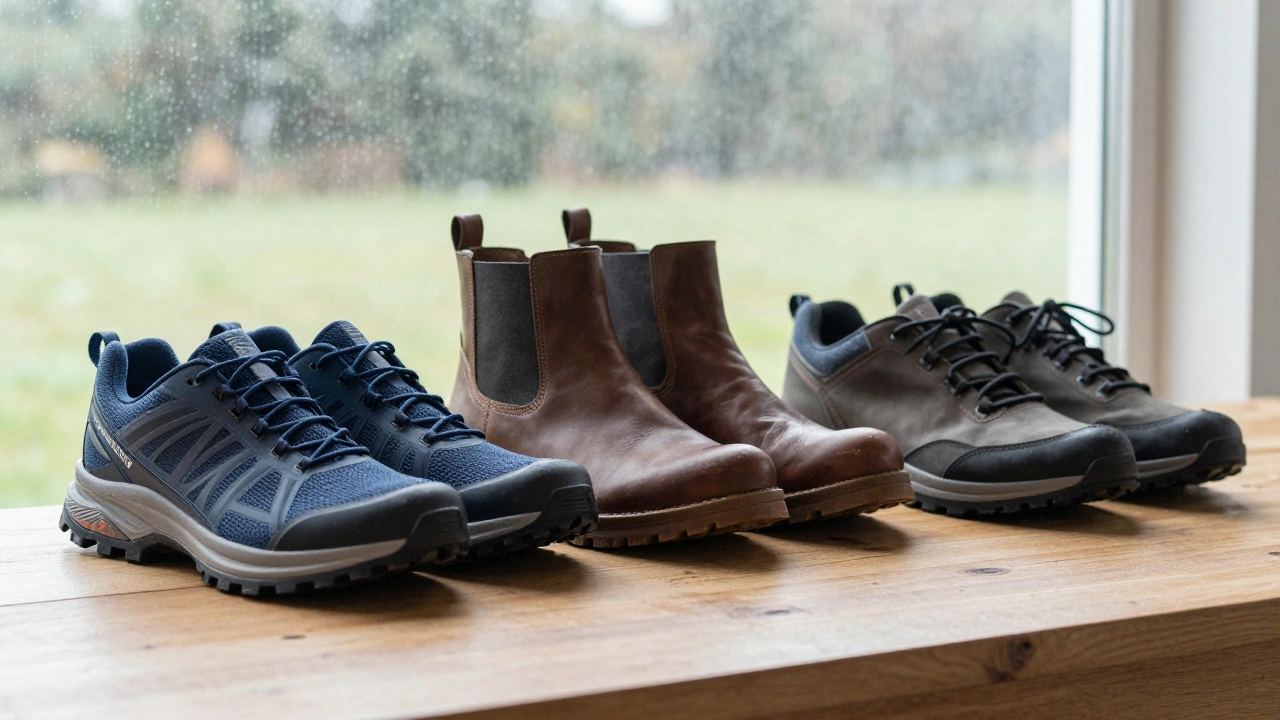
Rain makes everything slippery. Moss-covered pavements, wet metal grates, and oily kitchen floors in restaurants pose significant fall risks. The outsole of your shoe is just as important as the upper part.
Avoid smooth rubber soles. Instead, look for deep lugs and patterns designed for grip. Vibram soles are a gold standard in the industry, offering excellent traction on wet rock and pavement. For casual wear, check the tread pattern on brands like Keen an American footwear company known for durable outdoor shoes. Their non-marking rubber soles provide reliable grip on indoor and outdoor surfaces, making them perfect for mixed-use environments.
If you work in food service or manufacturing, steel-toed or composite-toed boots may be required. Ensure they also meet slip-resistance standards. Many Irish workplaces comply with Health and Safety Authority guidelines, which mandate appropriate personal protective equipment (PPE). Don’t skimp on this; a fall can have serious consequences.
Local Brands and Where to Shop in Ireland
While global giants dominate the market, Ireland has a rich heritage of shoemaking. Supporting local businesses not only boosts the economy but also ensures you get products tailored to our needs.
- Carricks: Based in Kilkenny, Carricks produces high-quality leather shoes and boots. Their designs often feature robust construction suitable for Irish weather. Visit their flagship store on Thomas Street for a fitting.
- Meermin: Although Spanish-owned, Meermin has a strong presence in Ireland and offers affordable Goodyear welted shoes. These can be resoled, extending their lifespan significantly.
- Local Clogmakers: In rural areas, traditional wooden clogs are still made. While not practical for daily city wear, they offer unique ergonomic benefits for short-term use.
For budget-friendly options, check out charity shops in Dublin’s Temple Bar or Cork’s English Market area. You can often find barely-worn premium brands at a fraction of the cost. Just inspect the soles carefully for wear.
Maintenance: Keeping Your Shoes Healthy
Even the best shoes will fail if neglected. In Ireland, regular maintenance is crucial.
- Reproof Regularly: Use a wax-based conditioner for leather and a spray-on protector for fabrics. Do this every month during the rainy season.
- Rotate Your Shoes: Never wear the same pair two days in a row. Give them 24 hours to air out and regain their shape. This prevents odor and material breakdown.
- Clean After Every Walk: Mud contains salts and acids that degrade materials. Wipe off dirt with a damp cloth before storing.
- Replace Insoles: Factory insoles compress over time. Replace them every six months with supportive alternatives.
| Type | Water Resistance | Arch Support | Breathability | Best For |
|---|---|---|---|---|
| Gore-Tex Hikers | Excellent | Good | Medium | Outdoor activities, heavy rain |
| Leather Boots | Very Good (with treatment) | Excellent | Low | Formal work, winter |
| Trail Runners | Good (if treated) | Medium | High | Active commuters, summer |
| Canvas Sneakers | Poor | Poor | High | Dry days only, indoor use |
FAQs About Foot Health in Ireland
Are expensive shoes always healthier for my feet?
Not necessarily. Price often reflects brand prestige rather than ergonomic design. Focus on features like arch support, toe box width, and waterproofing. A mid-range shoe from a reputable brand like New Balance or Brooks can be healthier than a luxury designer pair with poor structure.
How often should I replace my walking shoes in Ireland?
Generally, every 500-800 kilometers of walking. However, in Ireland’s wet conditions, materials degrade faster. Inspect your shoes every three months. If the sole is worn smooth or the upper is cracked, replace them immediately to avoid injury.
Can I wear sandals in Ireland?
Only during brief summer spells in July or August. Most of the year, open-toed shoes expose your feet to cold, damp, and debris. Stick to closed-toe shoes with good insulation and waterproofing for most of the year.
Where can I get custom orthotics in Dublin?
Several private podiatry clinics in Dublin, such as those near Merrion Square or Phibsborough, offer custom orthotic services. You’ll need a referral from your GP for some treatments, but many clinics accept direct payments for assessments and inserts.
Do I really need Gore-Tex for city walking?
If you walk more than 30 minutes a day in the rain, yes. Standard leather can soak through eventually. Gore-Tex provides a reliable barrier against persistent drizzle, keeping your feet dry and reducing the risk of blisters and fungal infections.