Work Shoe Feature & Recovery Calculator
Your Work Environment
Priority Features
Recommended Brands
Estimated Investment
Based on Irish market prices for quality footwear and recovery gear.
*Includes premium work shoes and dedicated recovery slides (e.g., Oofos) for long shifts.
Select your work details to see recommended features and costs.
Quick Takeaways
- Cushioning is king: Look for memory foam or gel inserts to combat the fatigue from hard Irish floors.
- Waterproofing matters: In Ireland, rain isn’t optional. Choose materials like treated leather or Gore-Tex.
- Support your arches: Flat feet and high arches need specific support to prevent long-term pain.
- Safety first: If you work in hospitality or healthcare, slip-resistant soles are non-negotiable.
- Recovery counts: The best slippers at home can save your feet after a 12-hour shift.
If you live in Ireland, you know that being on your feet all day comes with two unique challenges: the unpredictable weather and the variety of surfaces you walk on. Whether you’re serving coffee in a busy Dublin café, working a retail shift in Cork City Centre, or managing a warehouse in Galway, your feet take a beating. Hard tile, concrete, and wet pavements are the norm here. Without the right footwear, this daily grind leads to back pain, plantar fasciitis, and general misery by 5 PM. Finding the best shoes for standing all day isn’t just about comfort; it’s about protecting your health in a climate that rarely lets up.
This guide cuts through the noise to help you find footwear that actually works for the Irish lifestyle. We’ll look at what makes a shoe suitable for long shifts, which brands dominate the local market, and how to transition smoothly from work to home with supportive slippers.
Why Your Feet Hurt More in Ireland Than Elsewhere
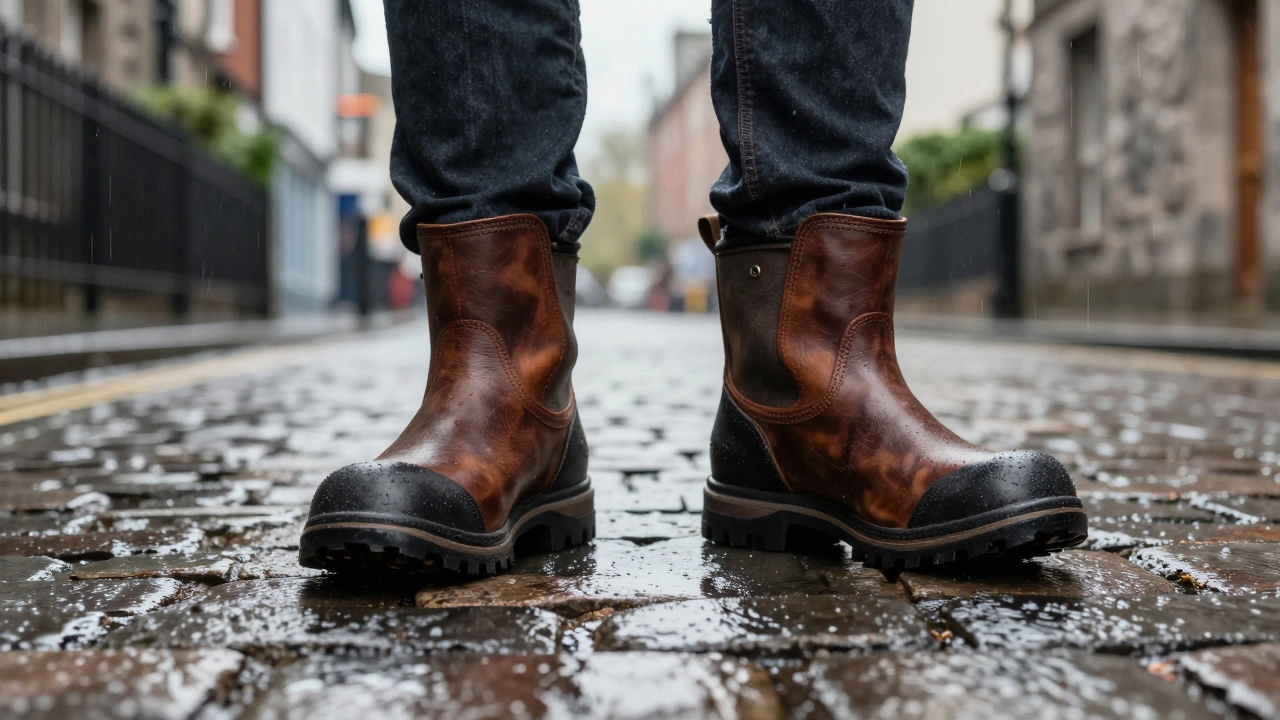
You might wonder if geography really affects foot health. It does. Ireland’s terrain and infrastructure play a huge role in how much stress your joints endure. First, there’s the rain. Wet surfaces change how you walk. You subconsciously alter your gait to avoid slipping, putting extra strain on your ankles and knees. Second, many older buildings in cities like Dublin and Limerick have uneven cobblestones or worn stone floors. Walking on these surfaces requires constant micro-adjustments from your stabilizing muscles.
Then there’s the indoor environment. Many workplaces in Ireland still use hard flooring-polished concrete in factories, ceramic tiles in hospitals, and hardwood in shops. These surfaces offer zero shock absorption. When you stand on them for eight hours, the impact travels straight up your legs into your spine. This is why generic "comfortable" shoes often fail here. You need shoes designed to absorb impact specifically on hard, often damp, surfaces.
Understanding this context helps you choose better. You don’t just need softness; you need stability, grip, and waterproof integrity. A shoe that feels great in a dry climate might become a hazard in an Irish downpour.
Key Features to Look for in Work Shoes
Not all shoes are created equal when it comes to endurance. Before you spend €150, check for these specific features. These attributes make the difference between a pair that lasts six months and one that falls apart in six weeks.
| Feature | Why It Matters | What to Avoid |
|---|---|---|
| Arch Support | Distributes weight evenly across the foot, reducing pressure points. | Flat, unsupportive insoles found in cheap fashion sneakers. |
| Slip-Resistant Sole | Prevents accidents on wet tiles or oily kitchen floors. | Smooth rubber soles or worn-out treads. |
| Breathability | Reduces sweat buildup, preventing blisters and fungal infections. | Non-porous synthetic materials that trap heat. |
| Water Resistance | Keeps feet dry during commutes and outdoor breaks. | Fabric uppers that soak through instantly. |
| Heel Cushioning | Absorbs the shock of every step, protecting your heels and knees. | Rigid heels or thin foam that compresses quickly. |
Pay special attention to the midsole. This is the layer between the outsole and the insole. High-quality midsoles use materials like EVA (ethylene-vinyl acetate) or polyurethane. Polyurethane is denser and lasts longer, making it ideal for heavy-duty work. EVA is lighter but may compress faster if you weigh more or stand for very long periods. For most Irish workers, a hybrid approach offers the best balance.
Top Shoe Brands Available in Ireland for 2026
The Irish market has seen a surge in specialized footwear options. While global giants remain popular, some brands stand out for their suitability to our conditions. Here are the top contenders available in stores across Dublin, Belfast, and online retailers shipping to Ireland.
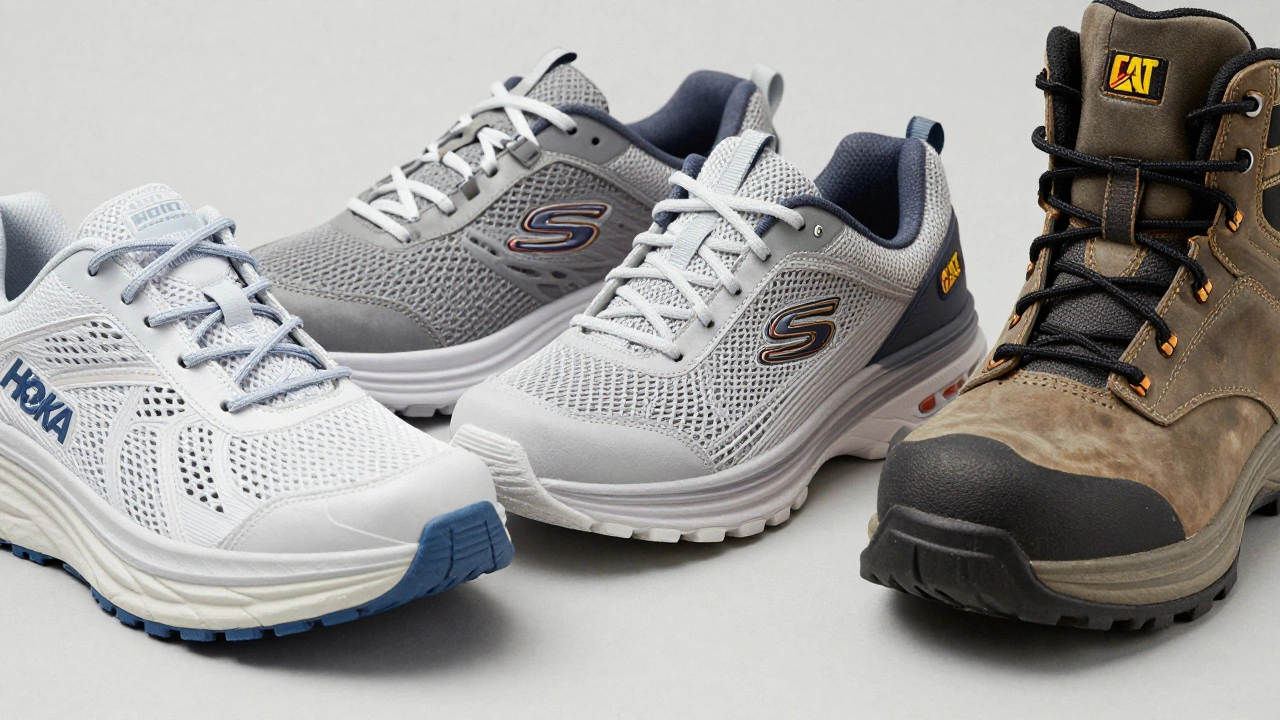
Hoka One One is a brand known for maximalist cushioning. Their Clifton and Bondi series are favorites among nurses and teachers in Ireland. The thick sole provides incredible shock absorption, though they run slightly wide. If you have narrow feet, you might need lacing tricks to secure them.
Skechers Arch Fit is a line designed with podiatrist input. They offer excellent arch support at a more affordable price point than Hoka. You can find them easily in Brown Thomas or Dunnes Stores. They are lightweight and breathable, perfect for summer shifts in hot kitchens.
New Balance Fresh Foam is a technology that provides plush cushioning. New Balance offers wide widths, which is crucial for many people whose feet swell during long shifts. The 990 series is pricey but built to last years, even on rough Irish roads.
For those needing safety toe caps, Caterpillar is a durable brand for industrial work. Their boots are rugged, waterproof, and widely available in hardware stores like Harcourt Wilson. They are heavier, but they protect your toes from falling objects.
Don’t overlook Allbirds, a sustainable option. Their Tree Runners are breathable and machine-washable. While not ideal for heavy construction, they work well for office jobs where you walk around constantly. They are popular among young professionals in Dublin’s tech sector.
The Role of Slippers in Foot Recovery
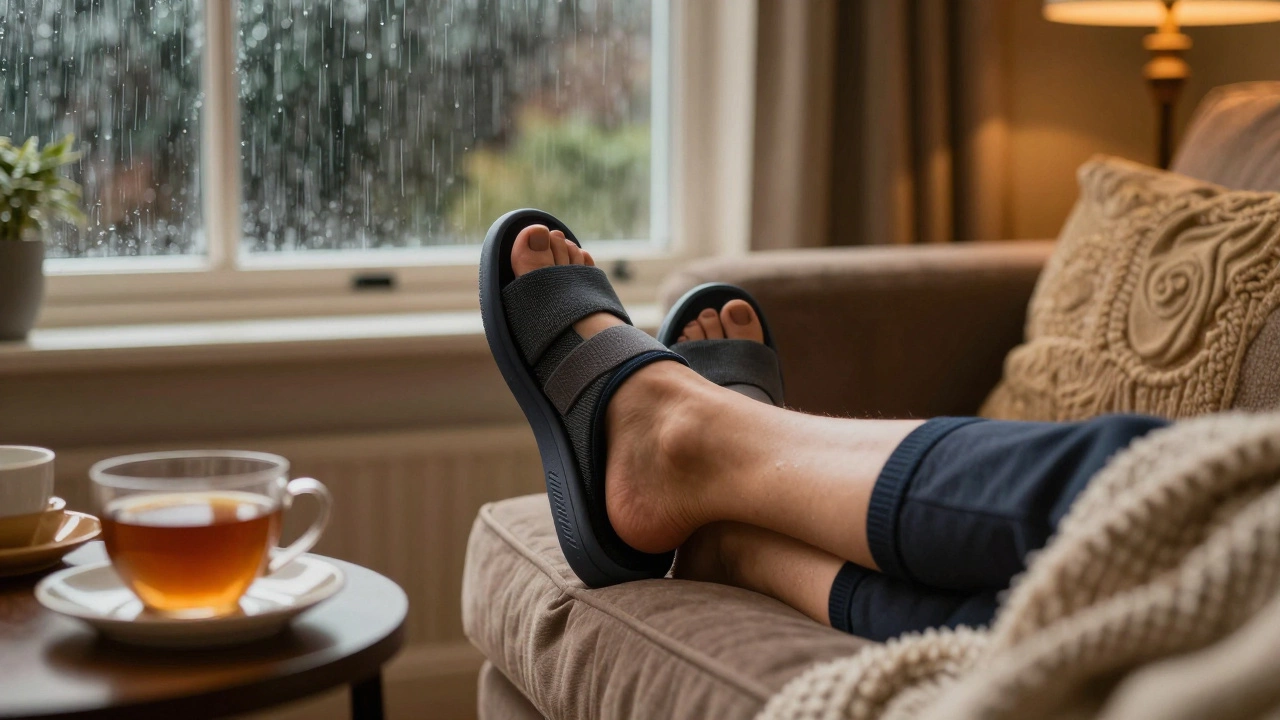
Your workday doesn’t end when you clock out. How you treat your feet immediately after work impacts your next day’s performance. This is where slippers come into play. Wearing tight shoes all day restricts blood flow. Switching to supportive slippers at home allows your feet to relax and recover.
In Ireland, where homes can be drafty despite modern insulation, keeping your feet warm is also essential for circulation. Cold feet tighten muscles, leading to stiffness. The best slippers for recovery aren’t just fluffy house shoes. They should have a firm sole and good arch support.
Consider brands like Oofos or OOFOS Recovery Slides. These are made from a proprietary foam that reduces load on your feet by up to 37%. They are expensive, but many physiotherapists in Ireland recommend them for patients with chronic foot pain. You can order them from specialist online retailers or find similar alternatives in larger department stores.
If Oofos is out of budget, look for Ted Baker or Clarks slippers with memory foam insoles. Clarks is a staple in Irish households, offering reliable quality at reasonable prices. Ensure the slipper has a closed heel to keep your foot stable while walking around the house.
Local Tips for Buying and Maintaining Footwear
Buying shoes in Ireland offers some advantages if you know where to look. Major retailers like Brown Thomas, Marks & Spencer, and Sports Direct often have sales aligned with seasonal changes. Black Friday in November is a prime time to buy winter-proof work shoes. However, don’t wait until your current pair is destroyed. Replace shoes every six to twelve months, depending on usage.
Maintenance extends the life of your shoes. In Ireland, salt used on pavements in winter can damage leather. Clean your shoes regularly with a damp cloth and apply a protective conditioner. For waterproof shoes, reapply a DWR (Durable Water Repellent) spray every few months. This keeps rain from soaking through the fabric.
Visit a local cobbler. Many towns in Ireland still have skilled cobblers who can replace worn soles or add custom insoles. This is cheaper than buying new shoes and supports local businesses. A good cobbler can also adjust the fit of your shoes to accommodate any swelling or changes in your foot shape.
FAQ
Are running shoes good for standing all day?
Running shoes are designed for forward motion, not static standing. They often lack the lateral stability needed for standing still. While they provide cushioning, they may cause your feet to roll inward over time. Look for shoes labeled "walking" or "standing" instead.
How much should I spend on work shoes in Ireland?
Expect to pay between €80 and €150 for high-quality work shoes. Cheaper options under €50 often lack proper support and durability. Investing more upfront saves money in the long run by avoiding frequent replacements and medical costs for foot injuries.
Can I wear my work shoes at home?
It’s not recommended. Work shoes are stiff and restrictive. Wearing them at home prevents your feet from relaxing. Switch to supportive slippers or barefoot-friendly socks to allow your arches to recover. This practice significantly reduces morning stiffness.
What is the best type of sole for wet Irish streets?
Look for rubber soles with deep treads and siping (small slits). Brands like Vibram offer excellent grip on wet surfaces. Avoid smooth soles or those with shallow patterns, as they lose traction quickly on rainy pavements.
Do orthotic inserts help with standing pain?
Yes, custom orthotics can correct biomechanical issues like flat feet or high arches. They distribute pressure more evenly. Consult a podiatrist in Ireland for a proper assessment. Over-the-counter inserts can help mild cases, but custom ones offer the best long-term relief.
Where can I buy Hoka shoes in Dublin?
Hoka shoes are available at major sporting goods stores like Decathlon, JD Sports, and independent running shops in Dublin city center. You can also order them directly from the Hoka website, which ships to Ireland with free returns.