Ireland Footwear Weather Calculator
Current Conditions
Recommendation
Select your current weather conditions and click calculate to see the best footwear choice.
Living in Ireland means making peace with the rain. It’s not just a seasonal thing; it’s a lifestyle. From the relentless drizzle of a Dublin Tuesday to the sudden squalls on the Wild Atlantic Way, moisture is always looking for a way into your life. So, when you invest in a pair of quality leather shoes-maybe a classic brogue from a cobbler on Grafton Street or sleek oxfords for a meeting in Cork-you have to ask yourself: should you really wear them every single day?
The short answer is no. Not if you want them to last, and definitely not if you want your feet to stay comfortable. While leather is durable, it’s also porous. It breathes, yes, but it also absorbs water, salt, and dirt. Wearing the same pair of leather shoes daily in our climate is a recipe for premature wear, stiff soles, and damp socks. Let’s break down why this habit hurts your wallet and your feet, and what you can do instead.
The Problem with Porous Material and Irish Rain
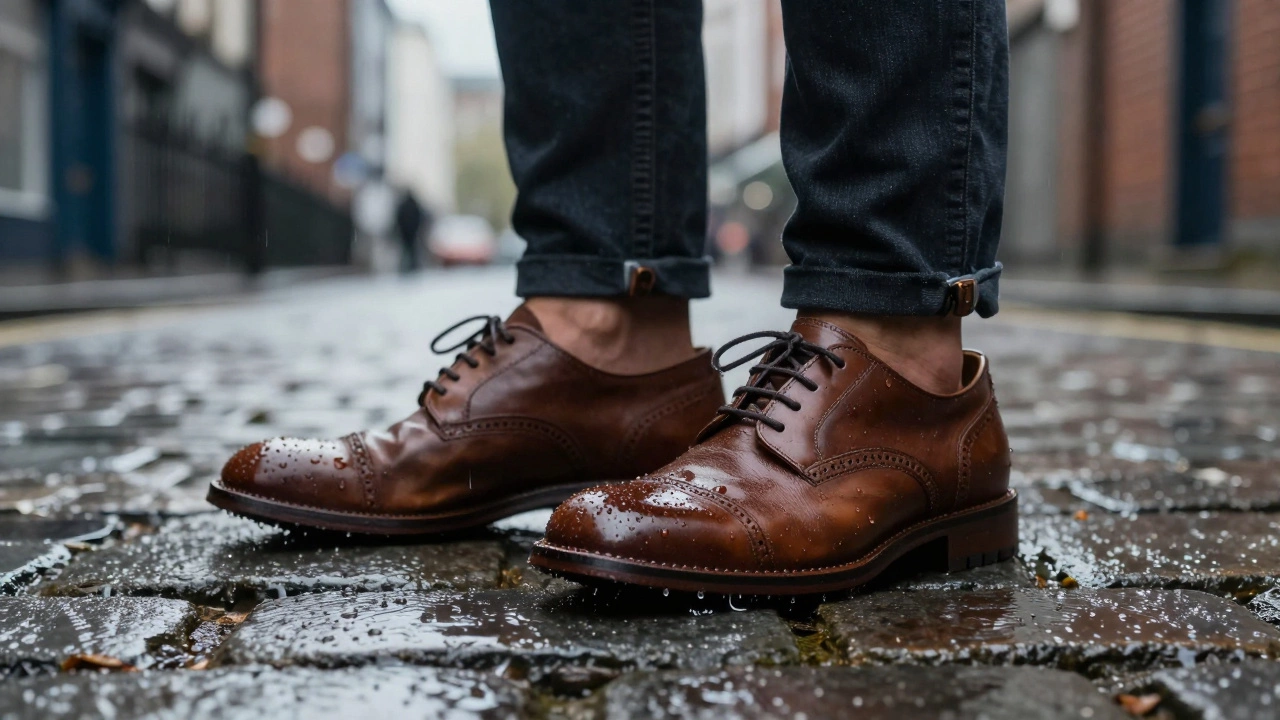
Leather is a natural material made from animal hide that is valued for its durability, breathability, and ability to develop a patina over time. However, one of its greatest strengths is also its weakness in Ireland: it absorbs liquid. When you walk through puddles on O’Connell Street or stand in the rain waiting for the Luas, your leather shoes are soaking up that water like a sponge.
If you wear them again the next day without giving them time to dry completely, you trap that moisture inside. This leads to two major issues:
- Material Breakdown: Wet leather becomes weak. Repeated cycles of wetting and drying cause the fibers to crack and split. You’ll see those ugly cracks forming around the toe box first.
- Odor and Hygiene: Trapped moisture creates a breeding ground for bacteria and fungi. Even if you change your socks, the inside of the shoe remains damp. This leads to unpleasant smells and potential foot infections like athlete’s foot.
In warmer climates, wearing leather daily might be manageable because the sun helps evaporate the sweat. Here, the humidity keeps everything damp. Your shoes never truly get a chance to reset.
The Golden Rule: The 24-Hour Rest
Cobblers across Ireland-from the busy workshops in Temple Bar to family-run shops in Galway-will tell you the same rule: never wear the same pair of leather shoes two days in a row. Ideally, give them 24 to 48 hours to rest.
Why does this matter? During this rest period, the shoes need to air out. The moisture from your feet (we sweat about half a cup of sweat per day from our feet alone) needs to evaporate. If you stuff them into a closet immediately after work, that moisture stays trapped. Instead, place them in a well-ventilated area. Avoid direct heat sources like radiators, which are common in Irish homes during winter. Direct heat dries out the natural oils in the leather too quickly, causing it to become brittle and crack.
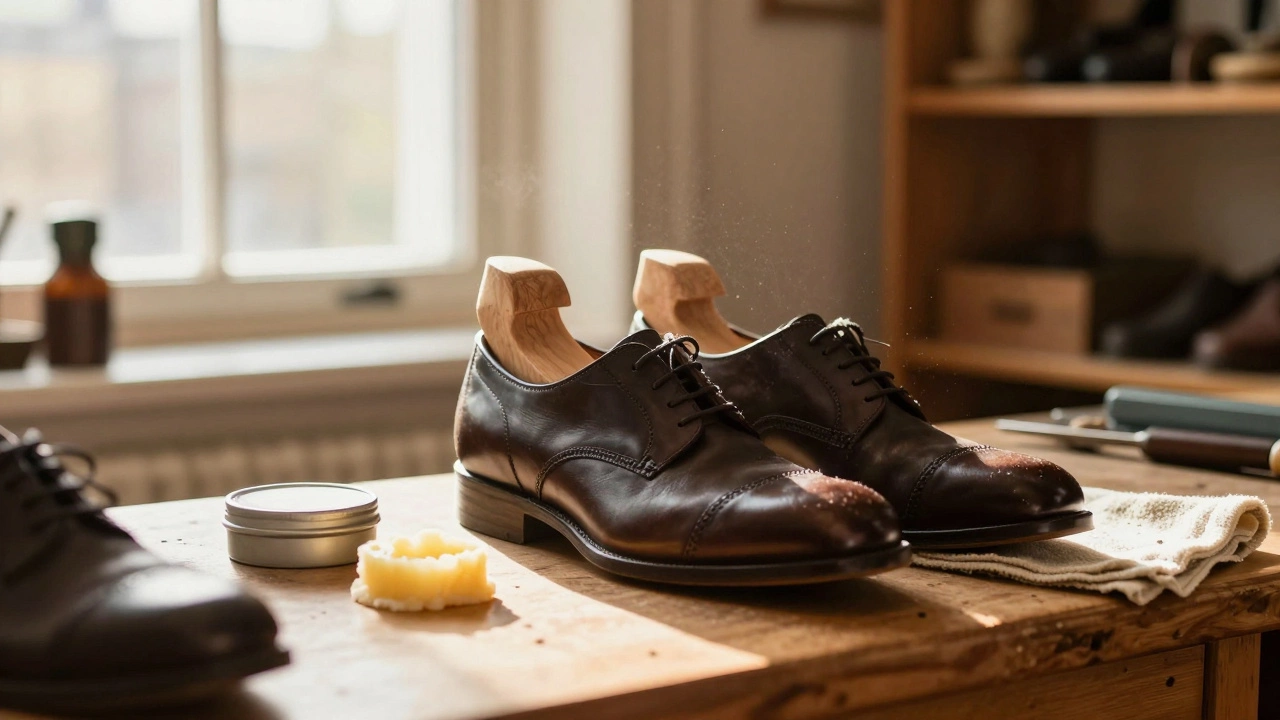
To speed up the drying process safely, use Shoe Trees are wooden inserts shaped like a foot that help maintain the shape of the shoe and absorb internal moisture. Cedar shoe trees are particularly effective because cedar naturally repels moths and absorbs odors. They also help prevent creases from deepening, keeping your shoes looking sharper for longer.
Building a Weather-Resistant Rotation
If you live in Ireland, relying on one pair of leather shoes is a mistake. You need a rotation strategy that accounts for our unpredictable weather. Here’s a practical approach for an Irish wardrobe:
- The Daily Drivers: These are your most versatile leather shoes. Think dark brown derbies or oxfords. They handle light rain and office environments well. Limit these to 2-3 days a week.
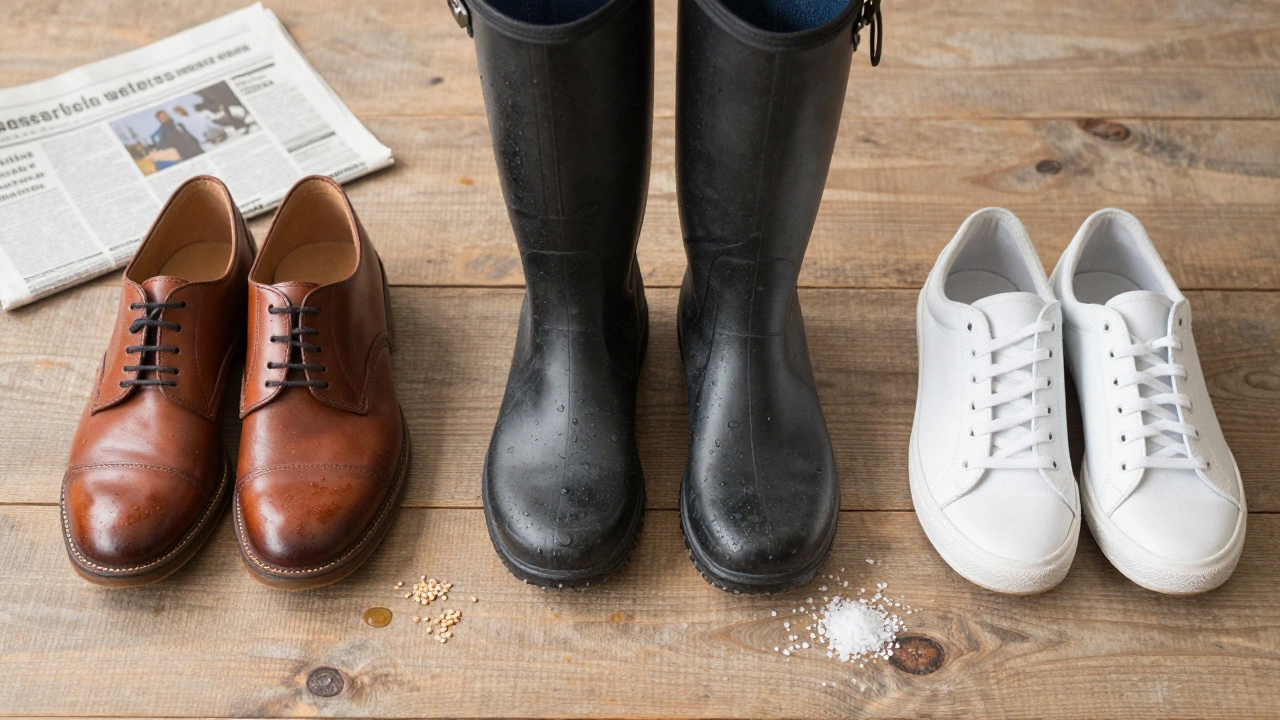
- The Rainy Day Alternatives: Invest in high-quality waterproof boots or shoes. Brands like Dunlop are an iconic Irish brand known for manufacturing rubber Wellington boots and other waterproof footwear since 1829, but modern alternatives include leather boots with Gore-Tex lining or synthetic waterproof materials. These save your leather shoes from heavy downpours.
- The Casual Options: Sneakers, canvas shoes, or suede-free casual loafers. On days when the forecast shows continuous rain, skip the leather entirely. There’s no shame in wearing trainers to work if the commute involves walking through flooded streets.
This rotation ensures no single pair takes a beating every day. It extends the lifespan of your expensive leather items and keeps your feet happy.
| Footwear Type | Water Resistance | Breathability | Ideal Use Case in Ireland | Maintenance Level |
|---|---|---|---|---|
| Full Grain Leather | Low (without treatment) | High | Office, Dry Days, Formal Events | High (Polishing, Conditioning) |
| Gore-Tex Leather Boots | High | Medium | Rainy Commutes, Outdoor Work | Medium |
| Synthetic Waterproof | Very High | Low | Heavy Rain, Flooded Streets | Low |
| Suede | None | High | Fair Weather Only, Indoor | Very High (Protective Sprays) |
Essential Care for Irish Leather Shoes
If you’re going to wear leather shoes in Ireland, you must treat them differently than someone in a dry climate would. Regular maintenance isn’t optional; it’s survival.
Waterproofing is Non-Negotiable: Before you even wear new leather shoes, apply a waterproofing wax or cream. Products containing beeswax are excellent because they penetrate the leather and create a barrier against water. Apply this every few months, or whenever the shoes start to look dull. In Ireland, I recommend doing this at least twice a year-once before the autumn rains hit and once in early spring.
Regular Conditioning: Rain and salt from road de-icing agents strip natural oils from leather. Use a leather conditioner to replenish these oils. Look for conditioners with lanolin or mink oil. This keeps the leather supple and prevents cracking. A quick wipe-down with a soft cloth after each wear removes surface dirt and salt, which can stain and damage the material over time.
Immediate Drying: If your shoes get soaked, don’t panic. Stuff them with newspaper to absorb moisture and help them keep their shape. Leave them in a room with good airflow. Never put them near a radiator or heater. Patience is key here. Rushing the drying process will ruin the leather faster than the rain did.
The Salt Factor: A Hidden Enemy
In winter, many roads and pavements in Ireland are treated with salt to prevent ice formation. This salt is deadly for leather. It draws moisture out of the leather, causing it to dry out and crack. It also leaves white stains that are difficult to remove.
To combat this, always wipe your shoes with a damp cloth after walking on salted surfaces. Follow up with a conditioner to restore moisture. Consider applying a specific salt-resistant protector spray designed for leather footwear. It adds an extra layer of defense against this chemical aggressor.
When to Say No to Leather
There are times when wearing leather shoes in Ireland is simply impractical. If the Met Éireann forecast predicts heavy, sustained rainfall, leave the leather at home. Opt for waterproof boots or sturdy sneakers instead. Similarly, if you’re planning a day of outdoor activities, like hiking in the Wicklow Mountains or walking along the Cliffs of Moher, leather dress shoes are the wrong choice. They offer no grip, no protection, and will be ruined by mud and water.
Even in urban settings, if your job requires you to be outside frequently-like construction, landscaping, or event setup-invest in safety boots or waterproof work shoes. Save your leather shoes for the office or special occasions where you can control the environment.
Conclusion: Respect the Material, Respect the Weather
Wearing leather shoes every day in Ireland is a battle you’re likely to lose. The combination of frequent rain, humidity, and salt makes it too harsh for daily use. By rotating your footwear, investing in proper care products, and respecting the limitations of leather, you can keep your shoes looking great and lasting for years. It’s not about avoiding leather; it’s about using it wisely. Treat your shoes with care, and they’ll reward you with comfort and style through every Irish season.
Can I wear leather shoes in the rain in Ireland?
You can, but it’s not ideal. Light drizzle is manageable if your shoes are properly waterproofed. However, heavy rain will soak through most leather unless it’s heavily treated or lined with waterproof material like Gore-Tex. Always dry them thoroughly afterward to prevent damage.
How often should I waterproof my leather shoes?
In Ireland, due to the frequent wet weather, it’s best to waterproof your leather shoes at least twice a year. Apply a fresh coat of waterproofing wax or spray before the rainy season starts (autumn) and again in early spring. Check for signs of wear or dullness, which indicate it’s time for reapplication.
What should I do if my leather shoes get soaked?
First, wipe off any mud or salt with a damp cloth. Then, stuff the shoes tightly with newspaper to absorb moisture and maintain shape. Let them air dry at room temperature, away from direct heat sources like radiators. Once dry, apply a leather conditioner to restore lost oils.
Are shoe trees necessary for leather shoes?
Yes, especially in a humid climate like Ireland’s. Shoe trees help absorb internal moisture, prevent odors, and maintain the shoe’s shape by reducing deep creases. Cedar shoe trees are the best option as they naturally repel insects and neutralize smells.
How does road salt affect leather shoes?
Road salt is highly damaging to leather. It draws out moisture, causing the leather to dry out, crack, and become brittle. It also leaves unsightly white stains. Always wipe off salt residue immediately after exposure and condition the leather regularly to protect against this damage.