Ireland Work Shoe Selector
Find Your Perfect Work Shoe
Answer these questions about your daily commute and workplace
Based on expert recommendations for Irish weather conditions
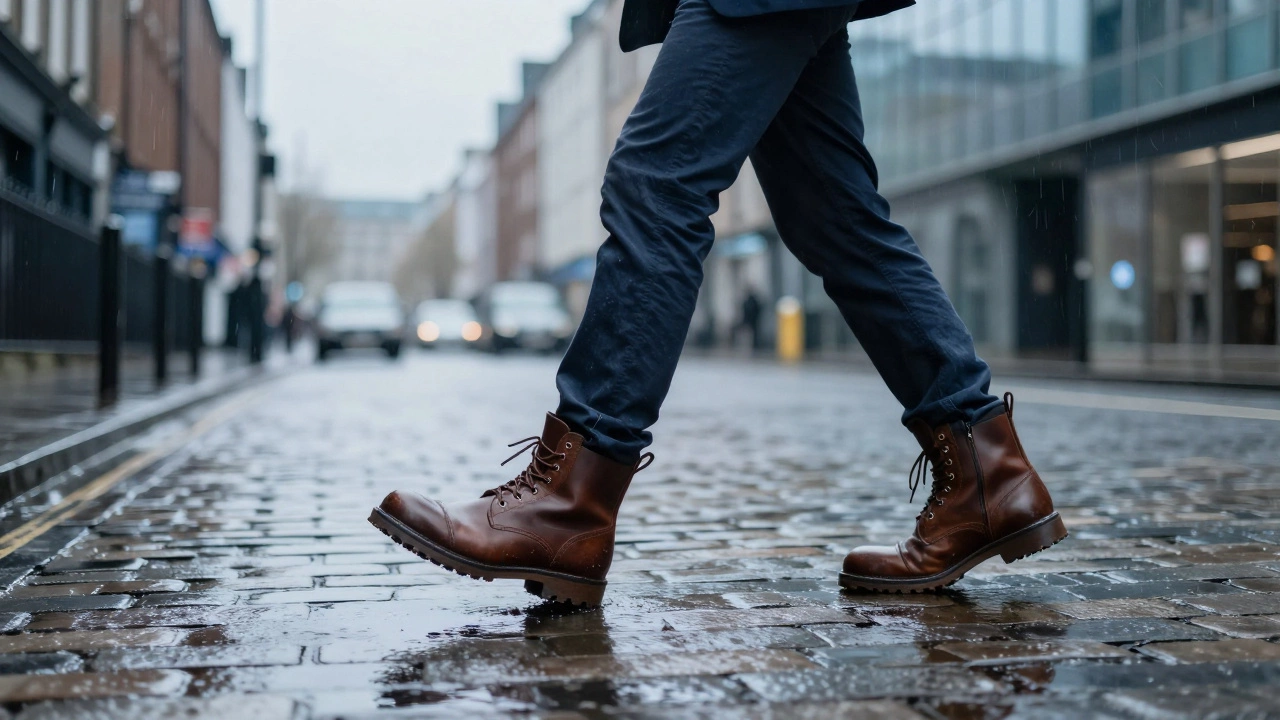
There is nothing quite like the feeling of sinking into a puddle on your way to the office in Dublin, only to realize your shoes are already soaked through. If you live or work in Ireland, finding the most comfortable work shoe isn't just about style; it is a daily survival strategy. Between the unpredictable rain that can hit at any time of year and the need to walk from the Luas stop to your desk, your feet take a beating. You need footwear that handles wet cobblestones, supports you during long shifts, and looks professional enough for a meeting in a glass-fronted building on O'Connell Street.
Understanding What Makes a Shoe "Comfortable" in Ireland
Comfort is subjective, but in the context of the Irish climate and urban environment, it boils down to three non-negotiable factors: waterproofing, arch support, and slip resistance. Many people think comfort means softness, like walking on clouds. That is a myth. Soft foam bottoms wear out quickly and offer zero stability on uneven pavements found in older parts of cities like Cork or Galway. True comfort comes from structure.
You need a shoe with a rigid heel counter to stabilize your ankle when navigating cracked sidewalks after a heavy storm. You need breathable materials because Irish winters are damp, not just cold. If your feet sweat inside rubbery, non-breathable boots, you get blisters faster than if they were slightly cool. The best work shoes strike a balance between protection from the elements and breathability for your skin.
Top Contenders for the Best Work Footwear
When we look at the market here in Ireland, several brands stand out for combining durability with ergonomic design. These aren't just generic sneakers; they are engineered for people who are on their feet for eight hours or more.
| Brand & Model | Key Feature | Best For | Price Range (EUR) |
|---|---|---|---|
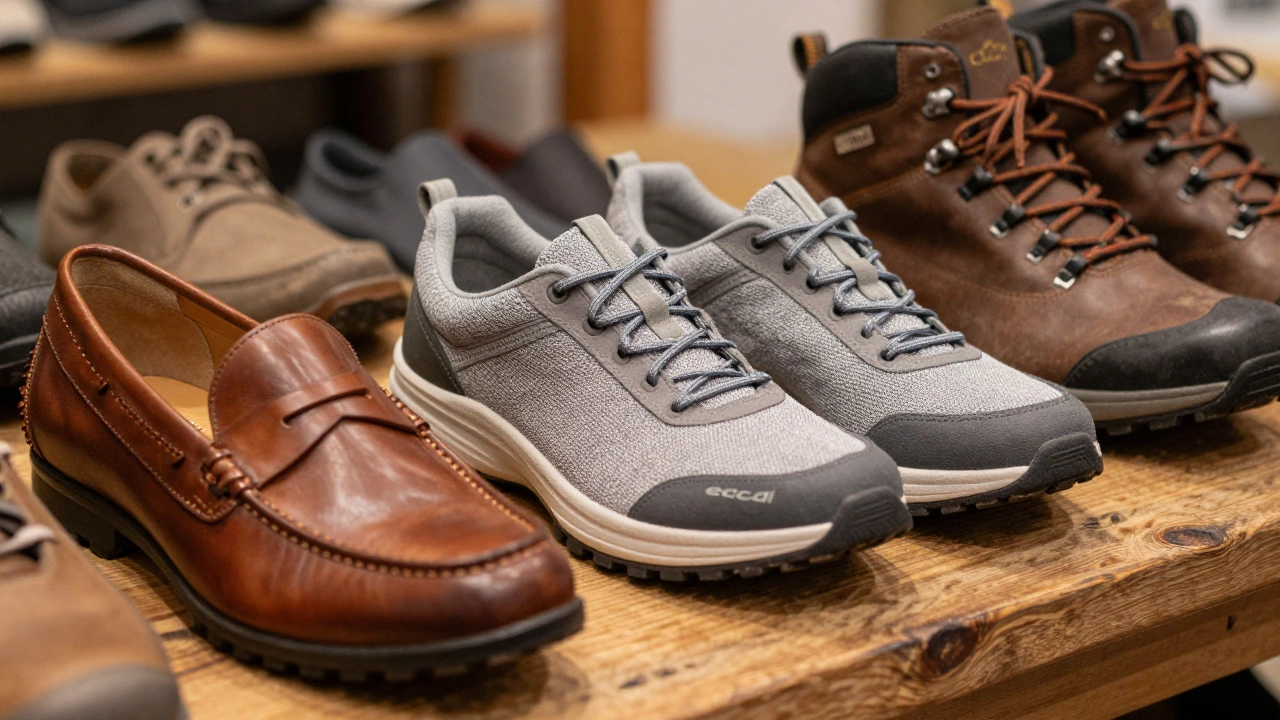
| Ecco Helsinki Leather loafer with direct-injected sole | Waterproof leather, flexible sole | Office workers, dry indoor environments | €180 - €220 |
| Allbirds Tree Runners Sustainable eucalyptus fiber sneaker | Lightweight, breathable, machine washable | Creative offices, mild weather days | €95 - €110 |
| Vibram sole, Gore-Tex lining | Construction sites, outdoor trades, rainy commutes | €130 - €160 | |
| Air cushion technology, soft leather | Retail staff, hospitality, standing all day | €80 - €120 | |
| Toes room, aggressive tread | People with wide feet, outdoor laborers | €140 - €170 |
The Office vs. The Trades: Different Needs
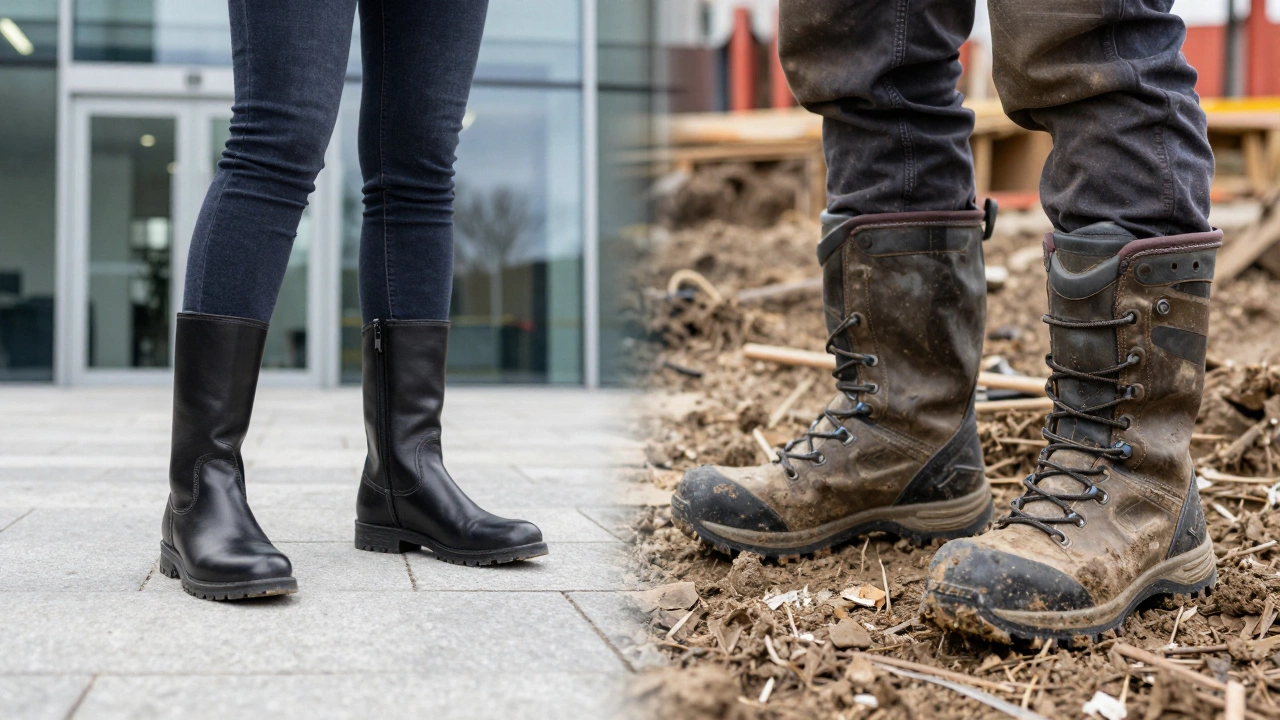
Your job dictates your shoe. If you are working in a financial firm in Dublin's Docklands, you likely need something sleek. A leather boot or a high-quality loafer works well here. Brands like Timberland offer heritage styles that are rugged enough for the commute but polished enough for the boardroom. Look for models with removable insoles so you can swap them for custom orthotics if you have plantar fasciitis.
If you are in hospitality, retail, or construction, the rules change completely. You need slip-resistant soles. Irish pubs often have wooden floors that become slick with spilled drinks. Construction sites in the West of Ireland can be muddy and uneven. In these cases, a dedicated safety shoe or a robust hiking-style shoe is safer and more comfortable than a dress shoe. Brands like
Navigating the Irish Weather: Waterproofing Essentials
Let's talk about rain. It is not enough to say a shoe is "water-resistant." That usually means it repels light mist for an hour before soaking through. You need "waterproof." Look for technologies like Gore-Tex or proprietary membranes from brands like Sorel or Columbia. These liners keep water out while allowing sweat vapor to escape. Without this, your feet will feel clammy by noon, leading to discomfort and potential fungal issues.
In cities like Belfast or Limerick, where wind-driven rain is common, ensure the shoe has a gusseted tongue. This prevents water from entering through the top opening when you step into a puddle. Ankle-high boots are generally superior to low-top sneakers for commuting in Ireland, especially if you cycle or walk significant distances.
Where to Buy Work Shoes in Ireland
Finding the right pair requires trying them on. Feet swell throughout the day, so always shop in the afternoon. Here are some reliable places to find quality footwear across the island:
- Brown Thomas (Dublin): Great for premium brands like Ecco, Clarks, and Cole Haan. They often have sales during seasonal changes.
- Jack Wills (Nationwide): Offers stylish yet durable options suitable for smart-casual workplaces.
- Decathlon (Nationwide): Surprisingly good value for functional work shoes, especially for those needing high durability without breaking the bank.
- Local Cobblers: Don't underestimate the value of a local cobbler in towns like Kilkenny or Waterford. They can resole high-quality leather boots, extending their life significantly.
- Online Retailers: Sites like ASOS or Zalando offer wide selections, but check return policies carefully. Fit is critical.
Maintaining Your Shoes for Longevity
Even the most comfortable work shoe will fail if you neglect it. In Ireland, salt from de-iced pavements in winter can destroy leather. Clean your shoes regularly with a damp cloth and apply a waterproofing spray every few months. For leather boots, use a conditioner to keep the material supple. Cracked leather lets water in, which leads to ruined insoles and uncomfortable feet.
Rotate your shoes. Wearing the same pair every day doesn't give the materials time to dry out completely. Moisture trapped inside breaks down the glue and foam over time. Having two pairs allows each to air out for 24 hours, significantly extending their lifespan.
Common Mistakes to Avoid
One major error is buying shoes that are too tight, thinking they will "stretch." Leather stretches slightly, but synthetic materials do not. If a shoe pinches your toes now, it will hurt more later. Another mistake is ignoring arch support. Flat soles might look modern, but they force your foot muscles to work harder to stabilize your body, leading to fatigue in your legs and back.
Finally, don't sacrifice safety for style. If your workplace requires steel-toe caps, buy a comfortable model designed for that purpose. Modern safety shoes are lightweight and look much better than the clunky versions from decades ago.
What is the best brand for work shoes in Ireland?
For general office wear, Ecco and Clarks are highly regarded for their comfort and durability in Irish conditions. For outdoor or trade work, Merrell and Timberland offer excellent waterproofing and slip resistance.
How do I choose waterproof work shoes?
Look for labels specifying "Gore-Tex" or "Waterproof Membrane." Avoid terms like "water-resistant" unless specified for heavy rain. Ensure the seams are sealed and the tongue is gusseted to prevent water entry.
Are expensive work shoes worth it?
Yes, if you stand all day. Higher-priced shoes often feature better materials, superior cushioning, and longer-lasting soles. Investing in quality reduces the risk of foot pain and injuries, saving money on healthcare in the long run.
Can I wear sneakers to work in Ireland?
It depends on your workplace culture. Creative industries and tech startups often accept clean, minimalist sneakers. Traditional corporate offices may require leather shoes or boots. Always check your company's dress code policy.
How often should I replace my work shoes?
Typically every 6 to 12 months if worn daily. Signs of wear include flattened arches, cracked soles, or visible compression lines in the midsole. Replacing them before they cause pain is crucial for maintaining posture and comfort.