Irish Safety Boot Standard Selector
Recommended Standard
Select Options
Check the boxes on the left that match your work environment to find the appropriate EU-compliant safety boot standard for Ireland.
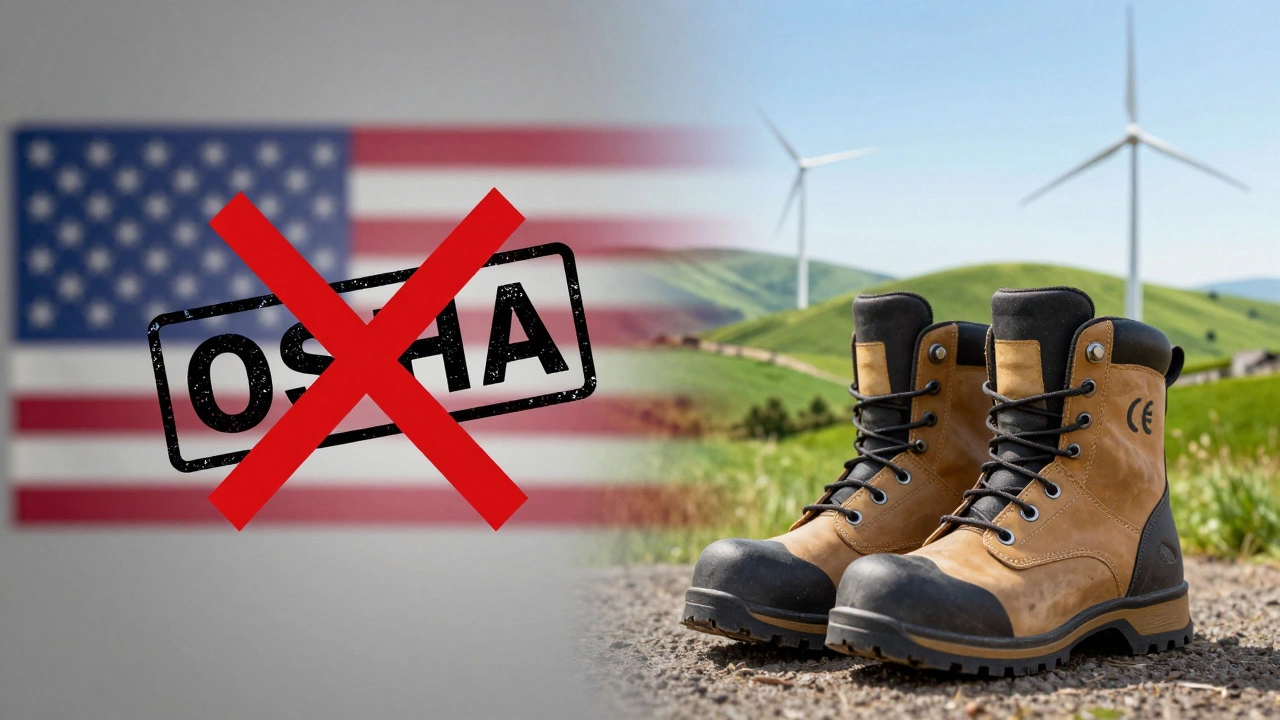
Remember: OSHA standards do not apply in Ireland. Always look for the CE mark and EN ISO number inside the boot tongue.
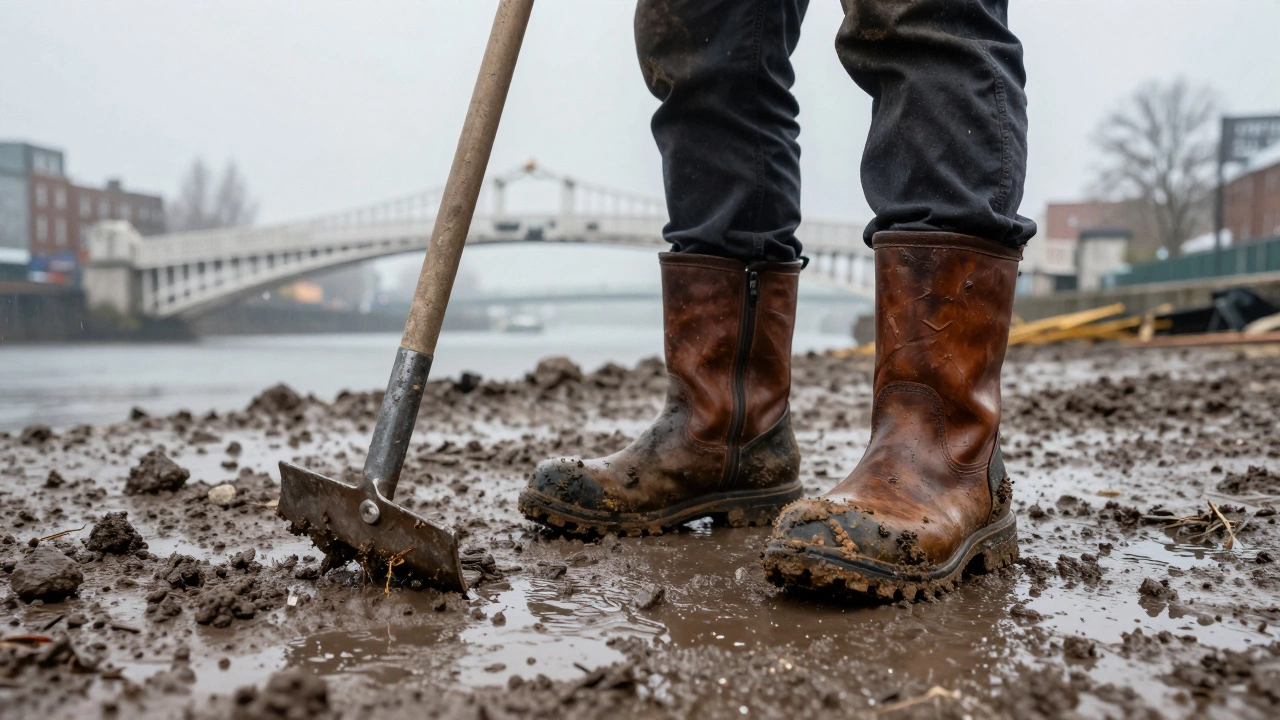
Picture this: you’re standing on a construction site in Dublin, maybe near the bustling Ha’penny Bridge or out by the new developments in Ballymun. It’s raining-because it’s Ireland-and the ground is slick with mud and gravel. You drop a heavy tool, and it lands right next to your foot. If you’re wearing regular sneakers, that’s a broken toe and weeks off work. But if you’re wearing the right gear, you just brush off the dust and keep going.
You might have heard the term "OSHA compliant shoes" thrown around online, especially if you’ve been browsing US-based safety forums or buying from American retailers. But here’s the thing: if you live and work in Ireland, OSHA isn’t actually the law you follow. That’s a common point of confusion. In Ireland, we look to the Health and Safety Authority (HSA) and specific European standards. So, what does this mean for your feet?
The OSHA vs. HSA Confusion Explained
Let’s clear up the air first. OSHA stands for the Occupational Safety and Health Administration. It’s a US federal agency. Their rules apply to workplaces in the United States. When people talk about "OSHA compliant," they are usually referring to meeting US Department of Labor regulations, specifically regarding impact resistance (like dropping a 50-pound weight on your toe).
In Ireland, we don’t use OSHA standards. We operate under the Safety, Health and Welfare at Work Act 2005. The regulator here is the Health and Safety Authority (HSA). They set the rules for Personal Protective Equipment (PPE). This means that while an "OSHA compliant" boot might be tough, it doesn’t automatically mean it meets Irish legal requirements for workplace safety. In fact, relying solely on US standards could leave you non-compliant in an Irish job site inspection.
So, when someone in Cork or Galway asks for "safety shoes," they aren’t looking for a stamp from Washington DC. They are looking for boots that meet European EN ISO 20345 standards. This is the critical distinction. Your employer in Ireland is legally required to provide PPE that complies with EU directives, not US ones. Understanding this saves you from buying expensive gear that won’t pass a site induction check.
Decoding the Label: What Actually Matters?
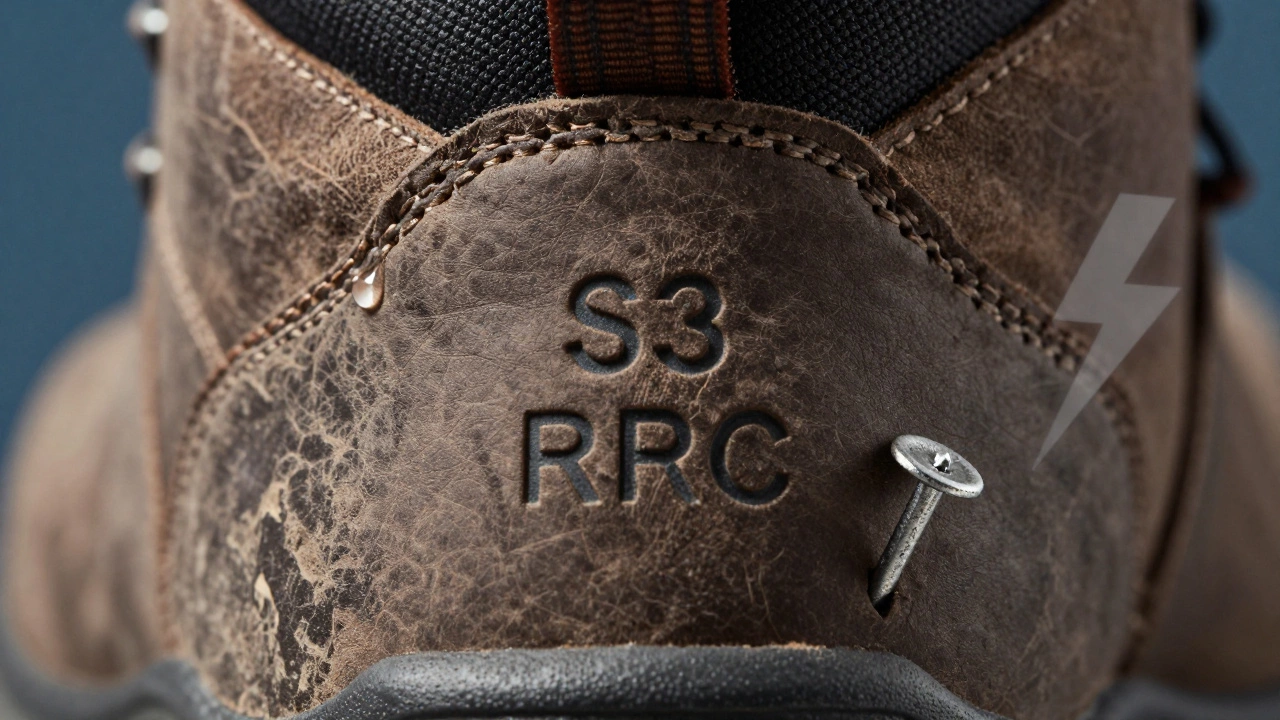
If OSHA isn’t the benchmark, what should you look for? You need to know how to read the code printed inside the tongue of the boot. This code tells you exactly what protections the shoe offers. It looks something like "S3 SRC." Let’s break that down because these letters are the difference between a safe day and a hospital visit.
- S1: Basic protection. Anti-static, energy absorption in the heel, and a closed back. Good for light warehouse work where there’s no risk of heavy impacts.
- S2: Adds water resistance. Perfect for those damp Irish winters or working in food processing plants where floors are constantly washed down.
- S3: The most common standard for construction and outdoor work. It includes everything in S2 plus a midsole penetration resistance. This means if you step on a nail or a piece of rebar, it won’t go through the sole into your foot.
- S4: Fully waterproof clogs. Great for wet environments but less breathable. Think of working in abattoirs or chemical plants.
- S5: Like S3, but without the full waterproof upper. Usually has drainage holes. Better for hot environments or where you need breathability.
Then there are the suffixes. FO means fuel oil resistant soles. HRO means heat resistant outsoles (up to 300°C for one minute). And WRU means the whole upper is water-resistant. For most general laborers in Ireland, S3 is the gold standard. It handles the rain, the mud, and the sharp debris you’ll find on almost any site from Galway to Wexford.
Key Features for the Irish Workplace
Ireland presents unique challenges for footwear. We have soft, clay-heavy soil that turns into a bog after rain. We have historic sites with uneven cobblestones in cities like Kilkenny or Limerick. We have wind farms on exposed hillsides where grip is essential. Generic safety boots often fail here because they aren’t designed for these specific conditions.
Grip is non-negotiable. Look for boots with Vibram® soles or similar high-traction rubber compounds. Standard hard plastic soles can become incredibly slippery on wet slate or metal surfaces. You want a lug pattern that bites into the mud. If you’re working in agriculture or forestry, you might even need boots with chain-saw protection (marked as CP), which adds extra layers to protect against accidental cuts.
Breathability matters more than you think. Even in cold weather, your feet sweat. If moisture gets trapped inside, you get blisters and fungal infections. Leather uppers, particularly full-grain leather, allow feet to breathe better than synthetic materials. Many modern boots now feature Gore-Tex® linings, which keep the rain out but let vapor escape. This is a game-changer for long shifts in the Irish climate.
Weight distribution. Irish workers often cover miles on foot daily. Heavy boots lead to fatigue, which leads to accidents. Look for lightweight composite toes instead of traditional steel. They offer the same impact protection but weigh significantly less. Over a ten-hour shift, saving a few ounces per boot makes a huge difference to your knees and back.
Where to Buy Safety Footwear in Ireland
Finding the right pair doesn’t require ordering from overseas. Ireland has a robust network of suppliers who stock certified EU-compliant gear. Here are some reliable places to start your search:
| Retailer | Type | Best For |
|---|---|---|
| Truper | Online & Physical Stores | Wide range of brands, frequent sales, good customer service across Ireland. |
| RPS Safety | Specialist Supplier | Professional advice, bulk orders for companies, high-end technical brands. |
| Toolstation | Hardware Chain | Convenience, immediate pickup, budget-friendly options for casual workers. |
| Amazon.ie | Marketplace | Price comparison, but verify seller authenticity and EU compliance carefully. |
When shopping, always ask for proof of certification. Reputable stores will display the CE mark (or UKCA if applicable post-Brexit for Northern Ireland contexts, though NI still largely follows EU protocols for trade) and the EN ISO number. Don’t be shy to ask questions. Staff at specialized shops like Truper or RPS are trained to help you match the boot to your specific job risks.
Maintaining Your Boots: Making Them Last
A good pair of safety boots can last two to three years if you care for them. In Ireland, neglecting maintenance is a common mistake. Mud dries hard and cracks leather. Salt from de-icing agents eats away at stitching. Here’s how to keep them in top shape:
- Clean after every use. Remove dirt and debris with a stiff brush. Let them dry naturally away from direct heat sources like radiators, which can warp the sole and crack the leather.
- Condition the leather. Use a quality leather conditioner every month. This keeps the material supple and water-resistant. Products like Saphir or Nikwax are widely available in hardware stores.
- Check the soles. Regularly inspect the tread. If the lugs are worn down, your grip is compromised. Replace the boots before you slip.
- Replace the insoles. Factory insoles compress over time. Swapping them for supportive orthopedic insoles can improve comfort and extend the life of the boot structure.
Ignoring small issues leads to big problems. A split seam lets water in, which rots the inner lining and creates a breeding ground for bacteria. Prevention is cheaper than replacement.
Common Mistakes to Avoid
Many workers make costly errors when choosing their PPE. First, never buy boots based on style alone. Just because they look rugged doesn’t mean they’re certified. Second, avoid using old boots for new jobs. A boot used in a clean office environment isn’t suitable for a construction site with sharp hazards. Third, don’t ignore fit. Safety boots should feel snug but not tight. You need room for your toes to wiggle. Ill-fitting boots cause blisters and reduce balance, increasing fall risk.
Also, beware of counterfeit products. Cheap imports may claim to be "safety boots" but lack the actual testing. Always buy from authorized dealers. The cost savings aren’t worth the risk of injury or legal non-compliance.
Summary of Key Takeaways
Understanding footwear safety in Ireland requires shifting focus from US-based OSHA standards to local HSA regulations and European EN ISO certifications. Here’s what you need to remember:
- OSHA is irrelevant in Ireland. Focus on HSA guidelines and EN ISO 20345 standards.
- S3 is the versatile choice. It offers impact protection, water resistance, and puncture resistance, ideal for Irish weather and terrain.
- Grip and breathability are crucial. Prioritize Vibram soles and Gore-Tex linings for wet, muddy conditions.
- Buy from reputable local suppliers. Stores like Truper and RPS ensure you get genuine, certified products.
- Maintenance extends life. Clean, condition, and inspect your boots regularly to ensure ongoing protection.
Your feet are your foundation. Protecting them properly allows you to work safely, comfortably, and confidently, regardless of whether you’re laying bricks in Belfast or installing wind turbines in Donegal. Choose wisely, wear correctly, and stay safe.
Are OSHA compliant shoes legal to wear in Ireland?
While OSHA compliant shoes are built to high safety standards, they are not automatically compliant with Irish law. In Ireland, employers must provide PPE that meets European EN ISO standards, regulated by the Health and Safety Authority (HSA). An OSHA-certified boot might lack specific features required by EU directives, such as certain levels of water resistance or puncture protection defined in EN ISO 20345. It is safer to choose boots explicitly marked with EU certifications.
What is the difference between S1 and S3 safety boots?
S1 boots offer basic protection including anti-static properties, energy absorption in the heel, and a closed back. They do not have water resistance or midsole penetration protection. S3 boots include all S1 features plus water resistance (S2 level) and a midsole that protects against nails and sharp objects piercing the sole. S3 is generally recommended for outdoor and construction work in Ireland due to wet and hazardous conditions.
How often should I replace my safety boots?
Safety boots typically last between two to three years with proper care. However, you should replace them sooner if the soles show significant wear, the leather becomes cracked or stiff, or if there is any damage to the toe cap or midsole. Regular inspections are key. If you notice reduced grip or discomfort, it’s time for a new pair.
Can I wear safety boots for everyday use?
Yes, many people wear safety boots for casual use due to their durability and comfort. However, they are heavier and less flexible than regular shoes. Ensure they are clean and appropriate for the setting. Note that using them outside of work may accelerate wear and tear, potentially voiding warranties or reducing their effectiveness as PPE.
Where can I buy certified safety boots in Dublin?
In Dublin, you can find certified safety boots at major retailers like Truper (with stores in City Centre and suburbs), Toolstation locations across the city, and specialist suppliers like RPS Safety. Online platforms like Amazon.ie also offer options, but ensure the seller is authorized and the product displays valid EN ISO certification marks.