Leather Shoes in Ireland: What Works, What Doesn’t, and Where to Find Them
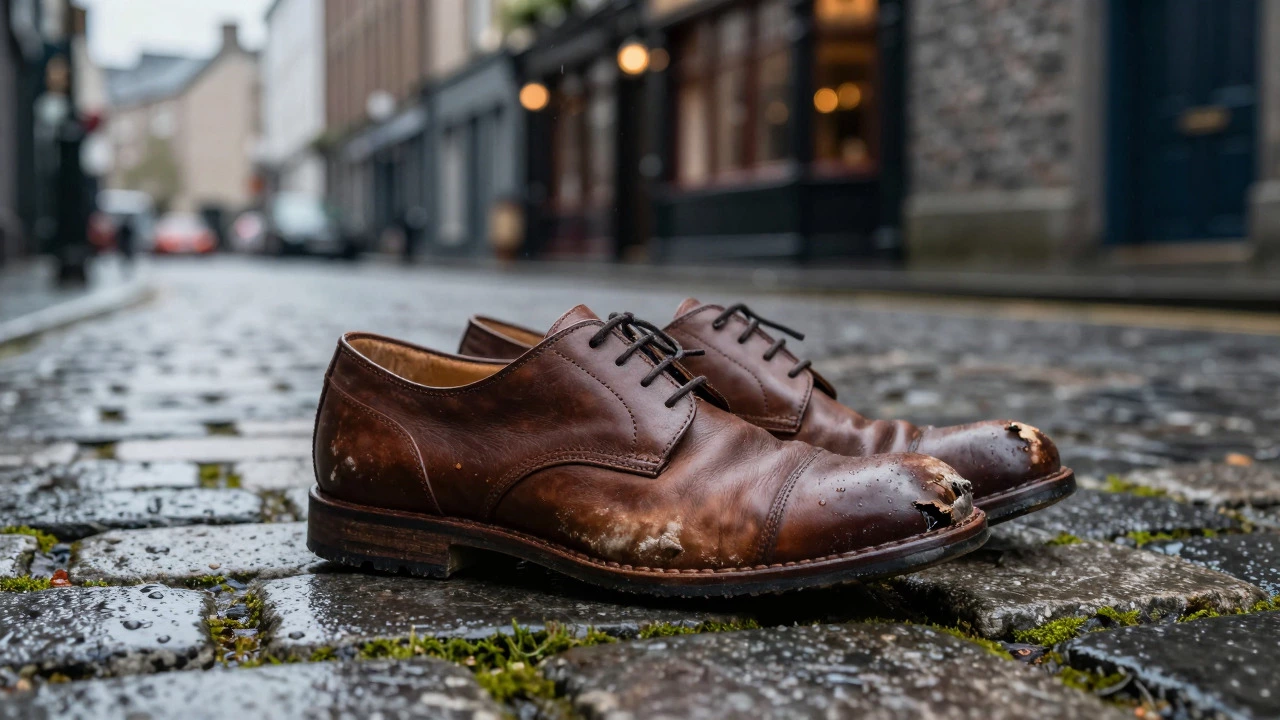
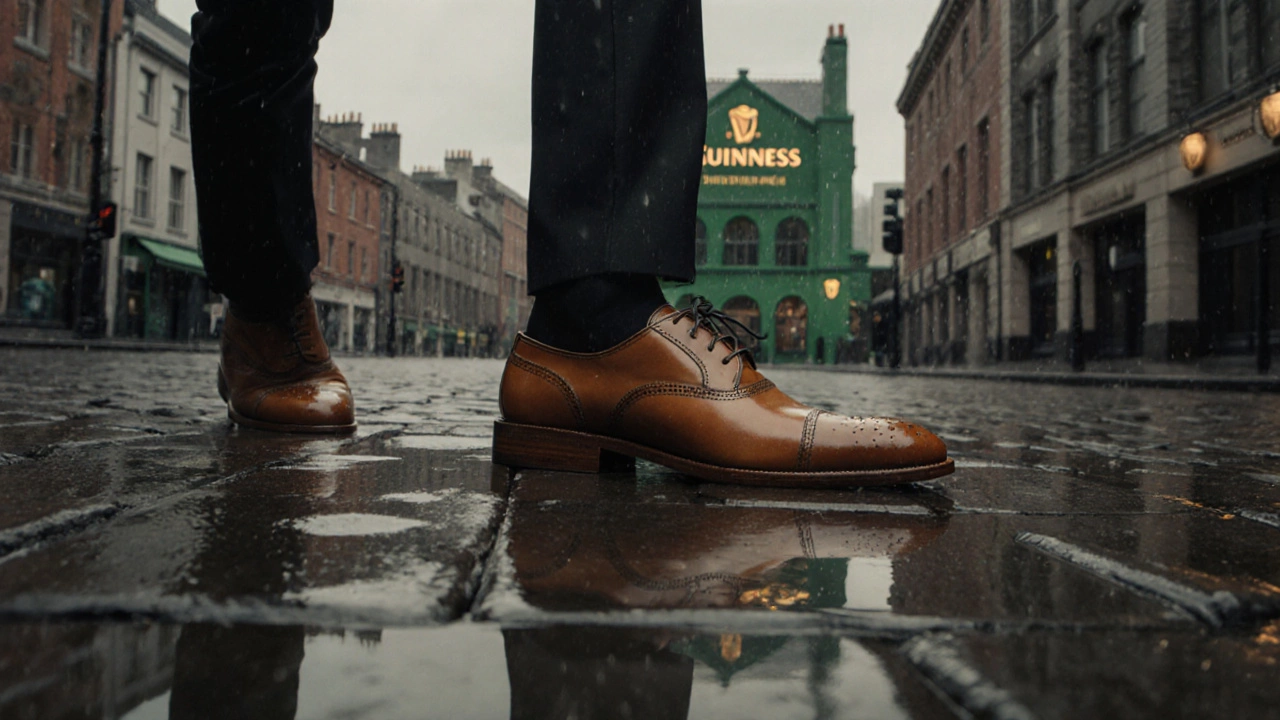
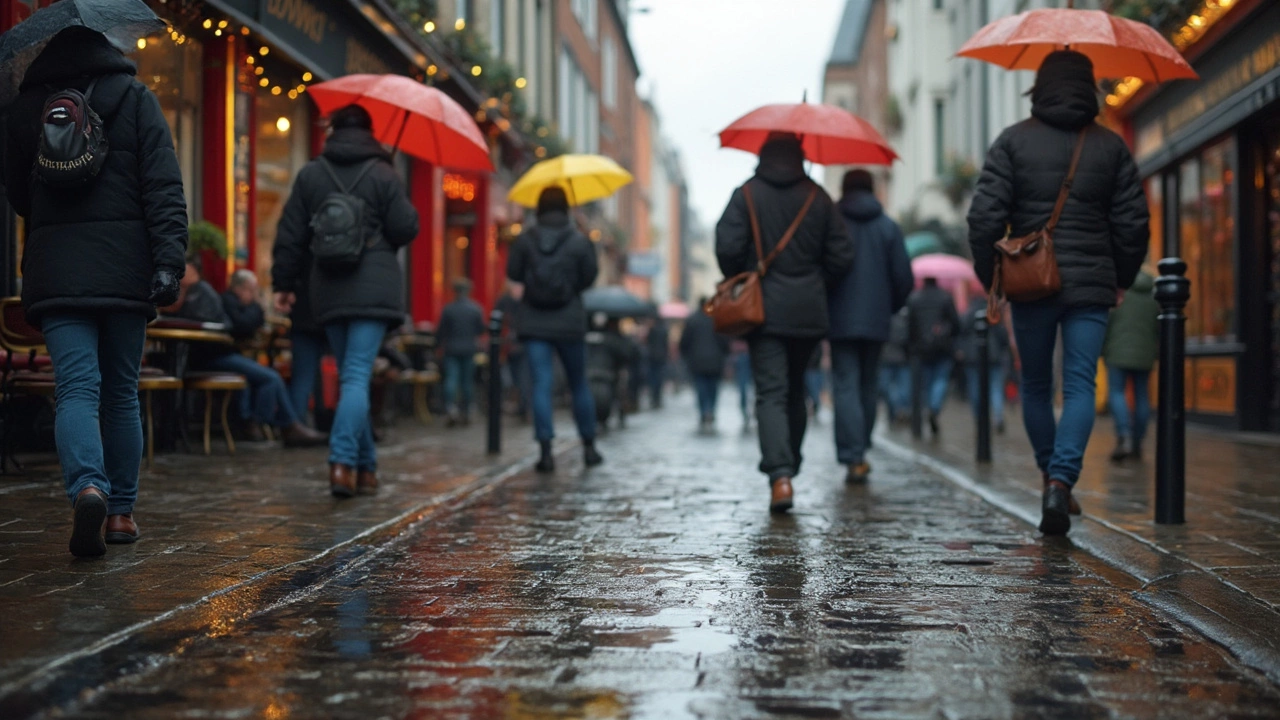
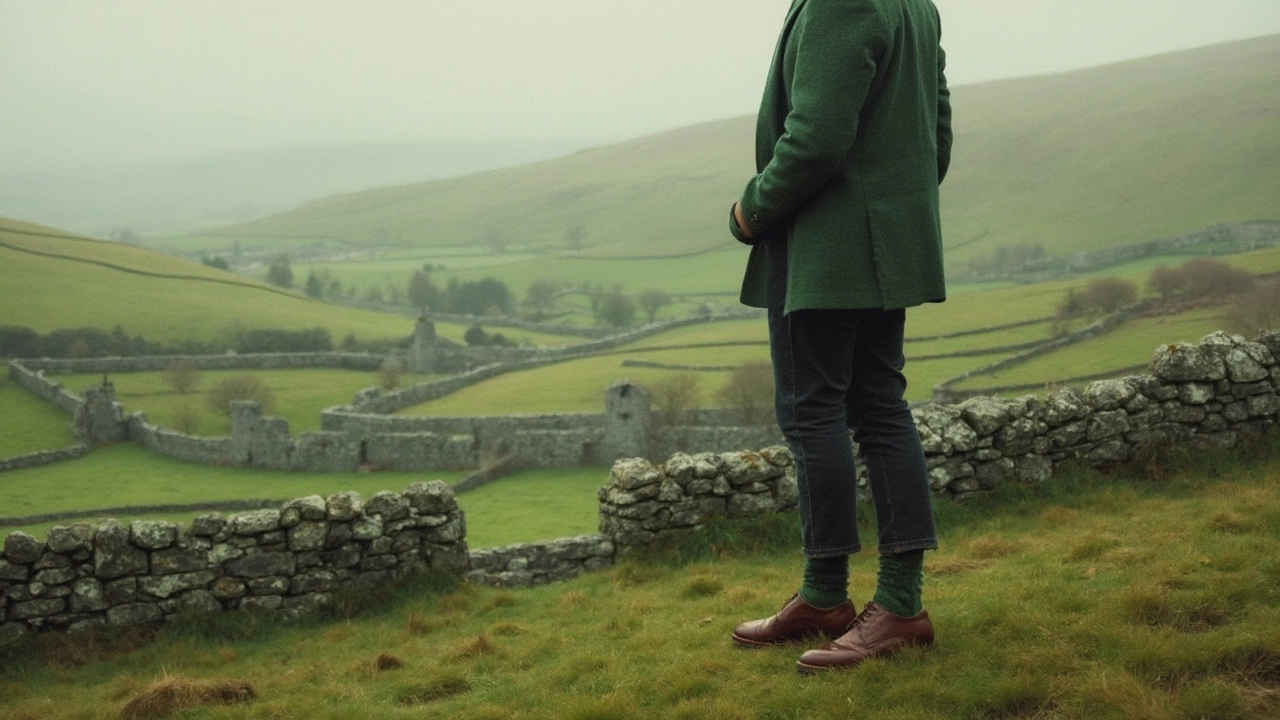
When it comes to leather shoes, a durable, water-resistant footwear option often chosen for both style and practicality. Also known as cowhide boots or full-grain footwear, they’re meant to last—but in Ireland, most leather shoes don’t survive the first winter. The problem isn’t the leather. It’s the weather. Rain isn’t occasional here; it’s constant. Puddles aren’t accidents—they’re landmarks. And if your leather shoes aren’t built for that, they’ll soak through, crack, or rot before Easter.
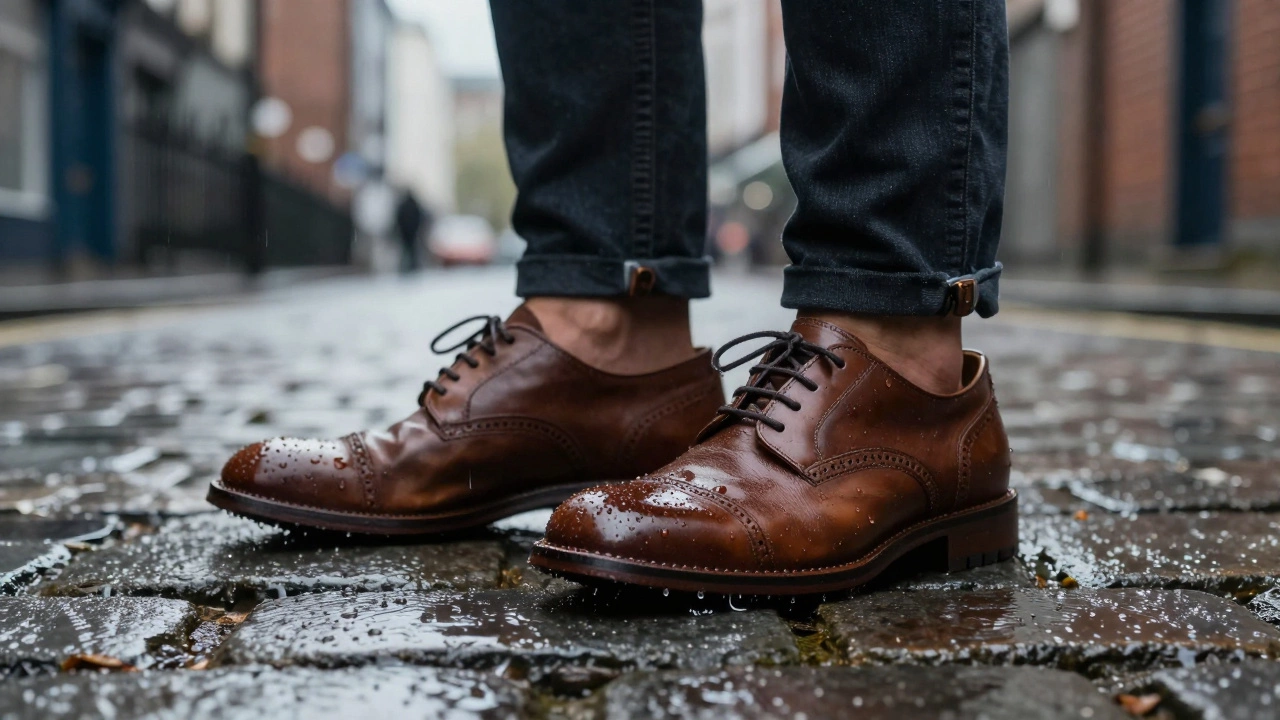
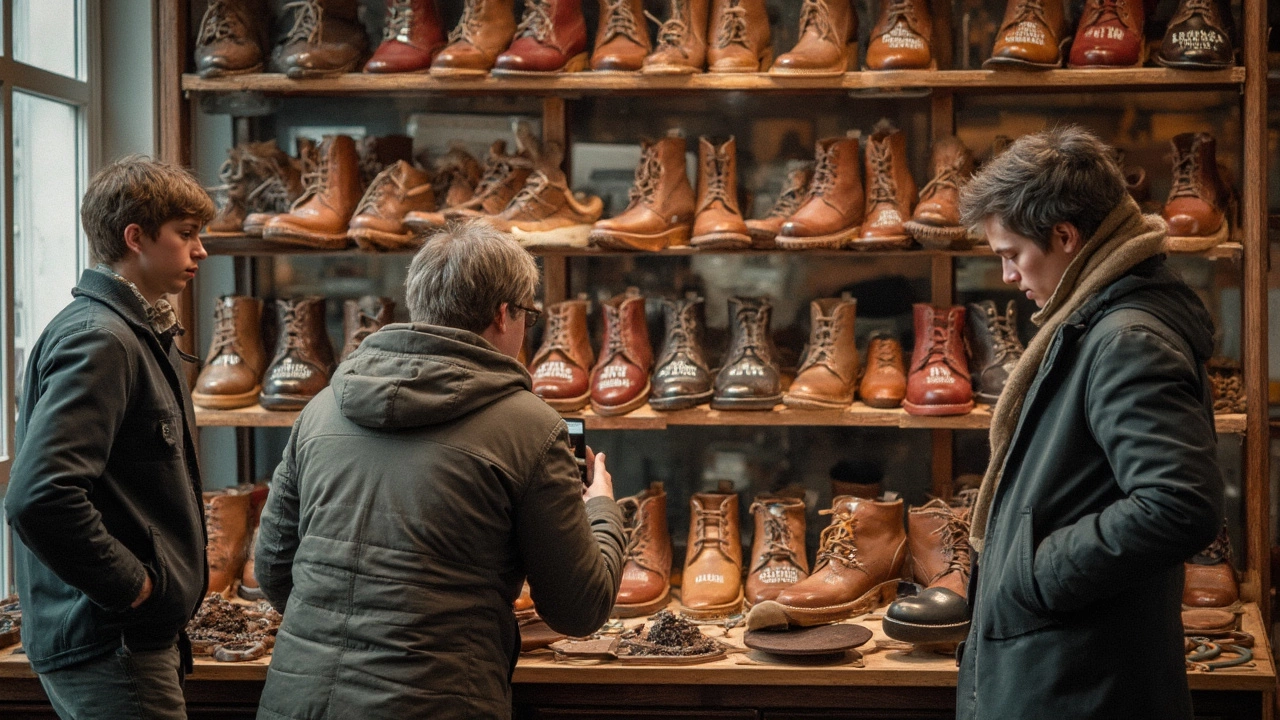
That’s why Irish people don’t just buy leather shoes—they test them. They check the sole grip on wet cobblestones. They ask if the lining is breathable or just padded plastic. They look for seam sealing, not just polish. Brands like Clarks, a long-standing British-Irish footwear brand known for comfort and weather-ready designs and Thursday Boots, a modern brand favored in Dublin and Galway for its rugged leather construction and slip-resistant soles show up in local shops not because they’re trendy, but because they’ve been worn through three seasons of rain and still look decent. Meanwhile, thin, polished dress shoes? They’re for photos, not walks to the bus stop.
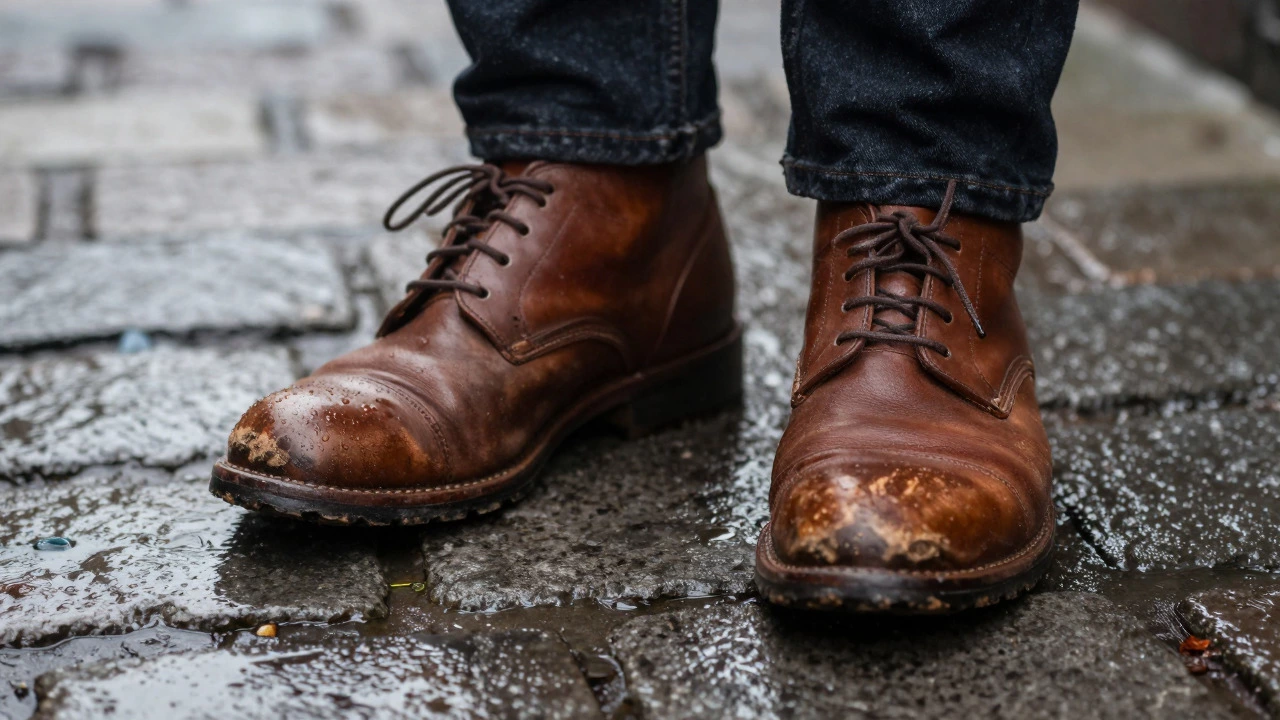
Leather shoes that work in Ireland share three things: they’re treated with waterproofing, they have thick rubber soles, and they’re not too tight. Tight leather doesn’t stretch—it just breaks. And in a place where you’re walking through puddles, mud, and icy sidewalks, your feet need room to breathe and move. That’s why so many Irish men and women who swear by leather avoid the shiny, sleek styles you see in city ads. Instead, they go for matte finishes, lace-up boots, or low-heeled loafers with a grip pattern that actually bites into wet pavement.
And yes, some people still wear leather shoes in summer. But they know better than to expect them to dry fast. That’s why you’ll see them stored near the door, stuffed with newspaper after every rain. It’s not a fashion choice—it’s a survival habit. The same people who wear leather shoes in January will switch to rubber boots in February, then back to leather in April when the ground dries up just enough to make it worth the risk.
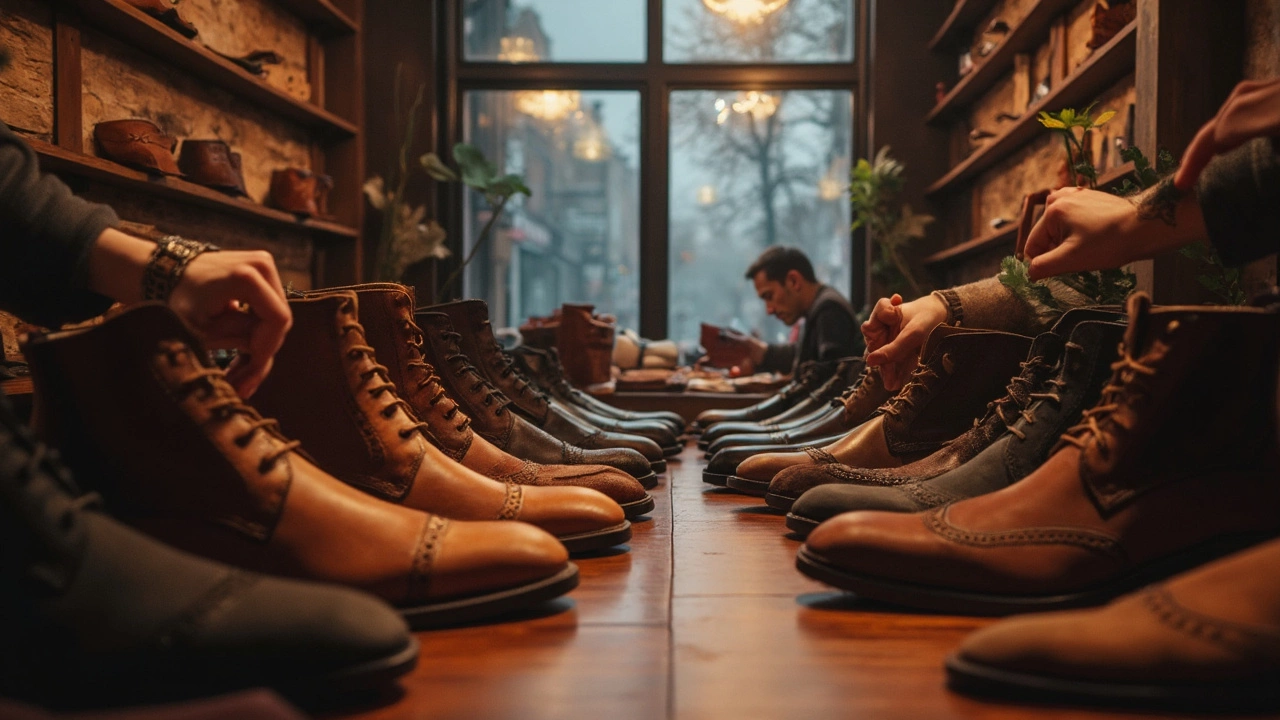
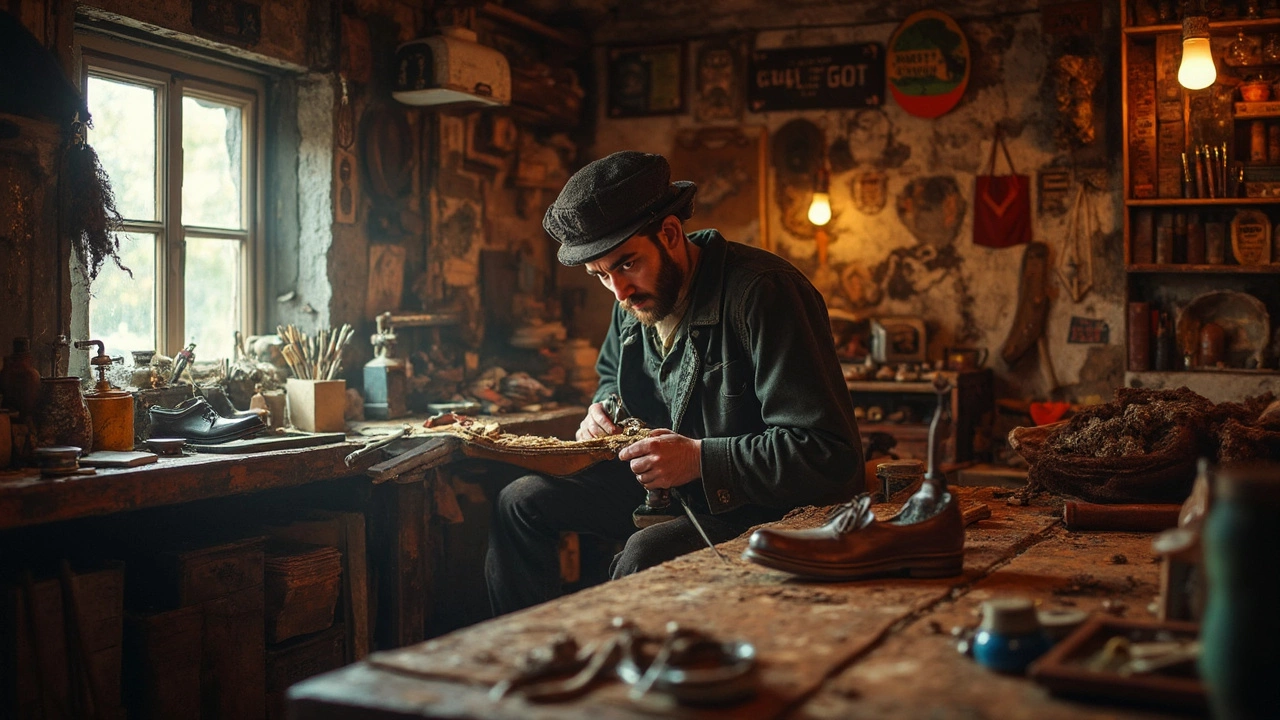
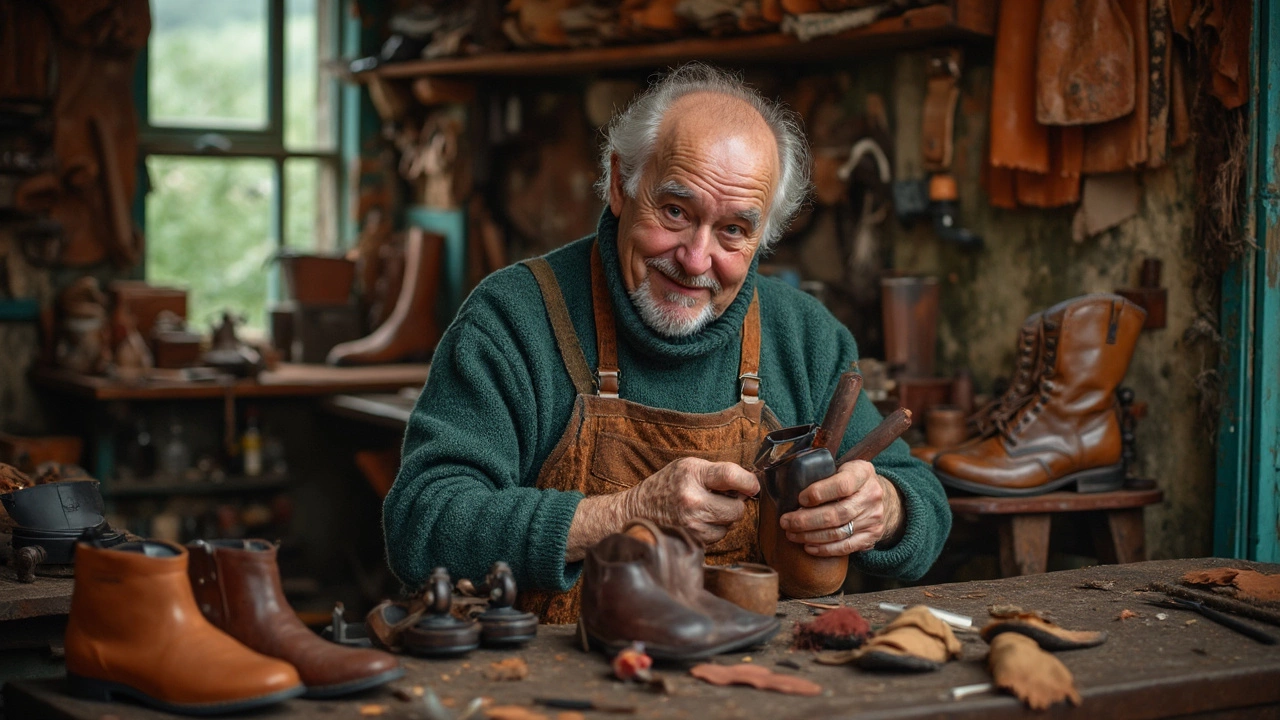
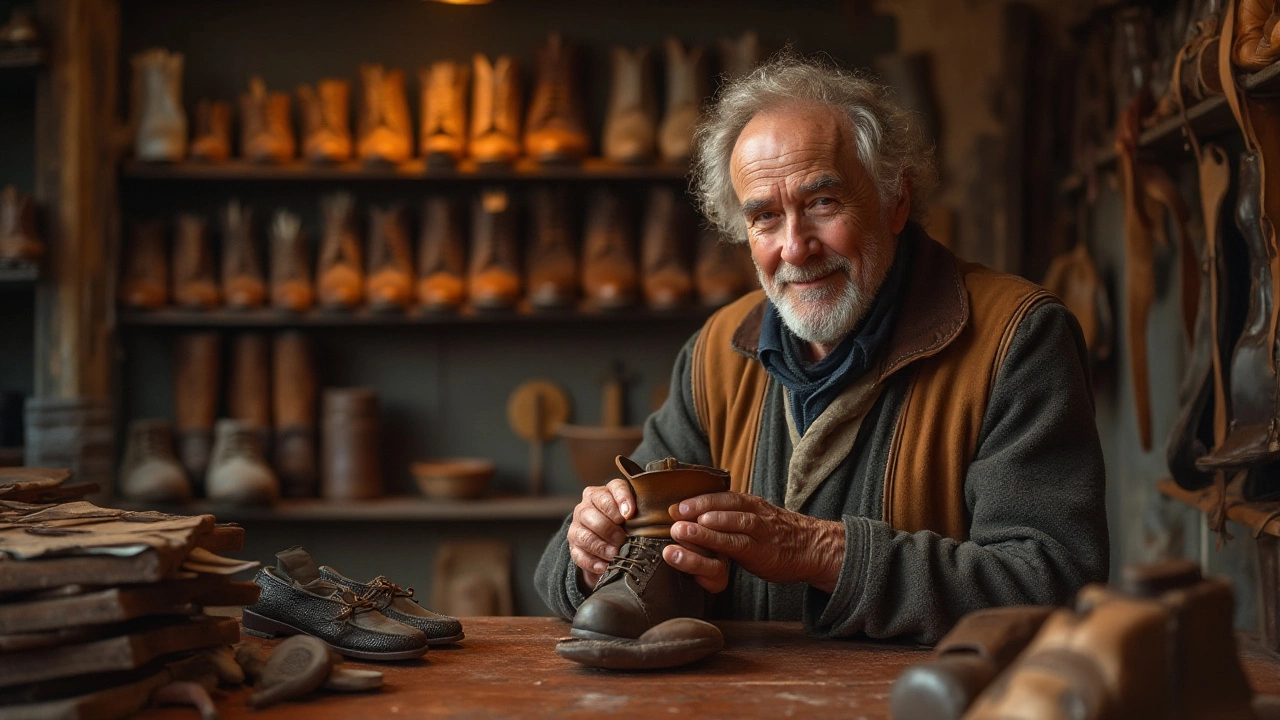
What you won’t find here are cheap leather shoes from big-box stores. They’re everywhere online, but in Ireland, they’re a one-season wonder. People who buy them once learn fast. The stitching pulls. The insole flattens. The leather turns stiff and cracks at the toes. By March, they’re in the bin. The ones that last? They’re bought from local shops, often tried on in person, and sometimes even repaired by the same cobbler who’s been fixing boots since the 1980s.
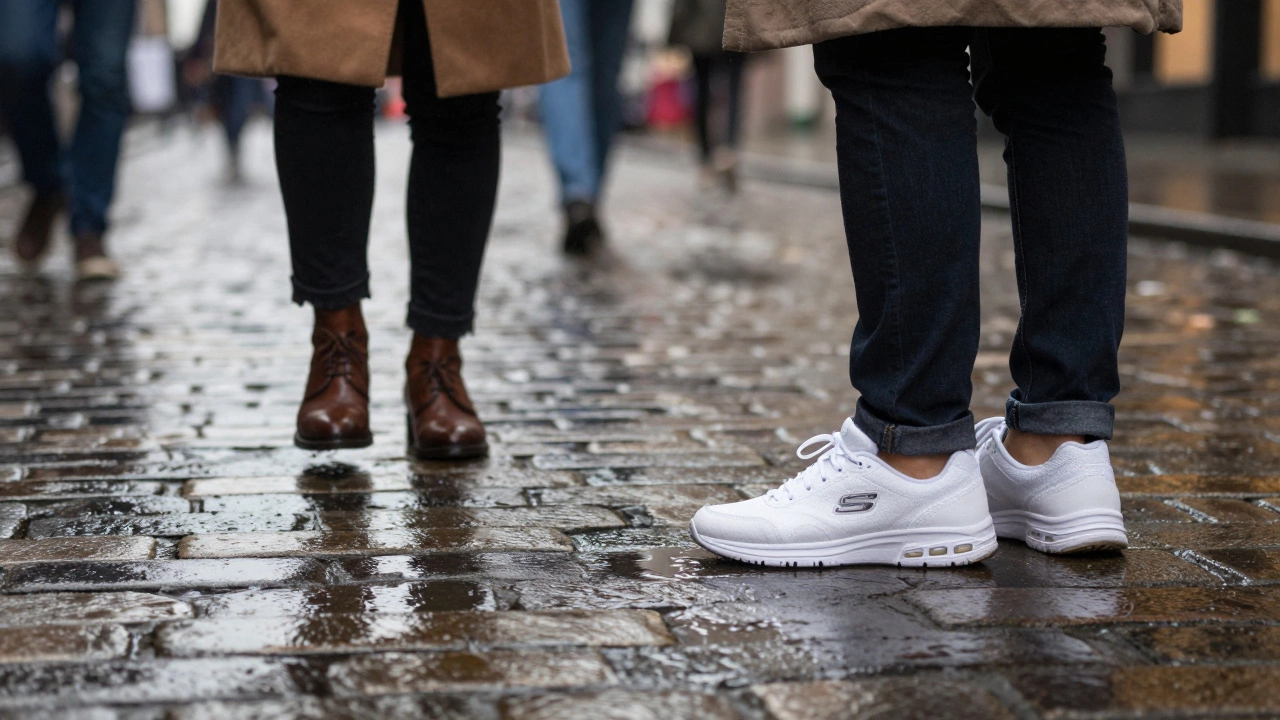
So if you’re looking for leather shoes that won’t turn into soggy paperweights after a week in Dublin rain, you need more than a good price tag. You need to know what makes them fit Ireland—not just your foot. The posts below cover exactly that: which brands actually hold up, why some leather shoes are worse than sneakers in wet weather, how to treat them so they last years, and where locals go when they’re done with their last pair.