Slippah Suitability Checker
Not sure if you should embrace the "Aloha Spirit" with open-toed rubber sandals or stick to traditional Irish comfort? Answer these three questions to find out.
Result
Here in Ireland, we have a specific relationship with our feet. Between the unpredictable rain that seems to follow us from Galway to Cork and the cobblestones that make walking in high heels a genuine sport, comfort usually wins out. But if you’ve ever visited the islands in the Pacific or talked to someone who has lived there, you might have heard a term that sounds familiar but feels slightly off: "slippahs." So, what do Hawaiians call slippers? They call them exactly that-slippahs. It’s not just a cute accent; it’s a cultural phenomenon that challenges the way we think about indoor and outdoor footwear.
If you’re standing in a shop in Temple Bar or browsing online for new gear, you might wonder why this matters. Well, understanding the concept of the slippah gives you a fresh perspective on casual footwear. It’s about adopting a mindset where your shoes are versatile, durable, and ready for anything from a quick trip to the Spar to a beach day (or a canal walk). Let’s unpack what makes these shoes special and how you can fit them into your life in Ireland.
The Origin of the Term 'Slippah'
To understand the slippah, you have to look at its roots. In Hawaii, the word comes directly from the English word "slippers," but the pronunciation shifts to "slippah" due to the influence of Hawaiian Pidgin English. This isn’t just slang; it’s a recognized part of the local dialect. When locals say they are wearing their slippahs, they aren’t talking about fuzzy socks for bed. They are referring to rubber-soled sandals, flip-flops, or lightweight slip-on shoes.
In Ireland, we tend to separate our footwear strictly. You have your boots for the outdoors, your trainers for the gym, and maybe some loafers for work. The idea of wearing one pair of shoe everywhere is foreign to many of us. However, the slippah culture teaches us that simplicity works. A good pair of slippahs is designed to be worn all day, every day. They are built for humidity and heat, which is the opposite of our climate, but the principle of ease remains the same.
Why 'Slippahs' Are Different From Regular Slippers
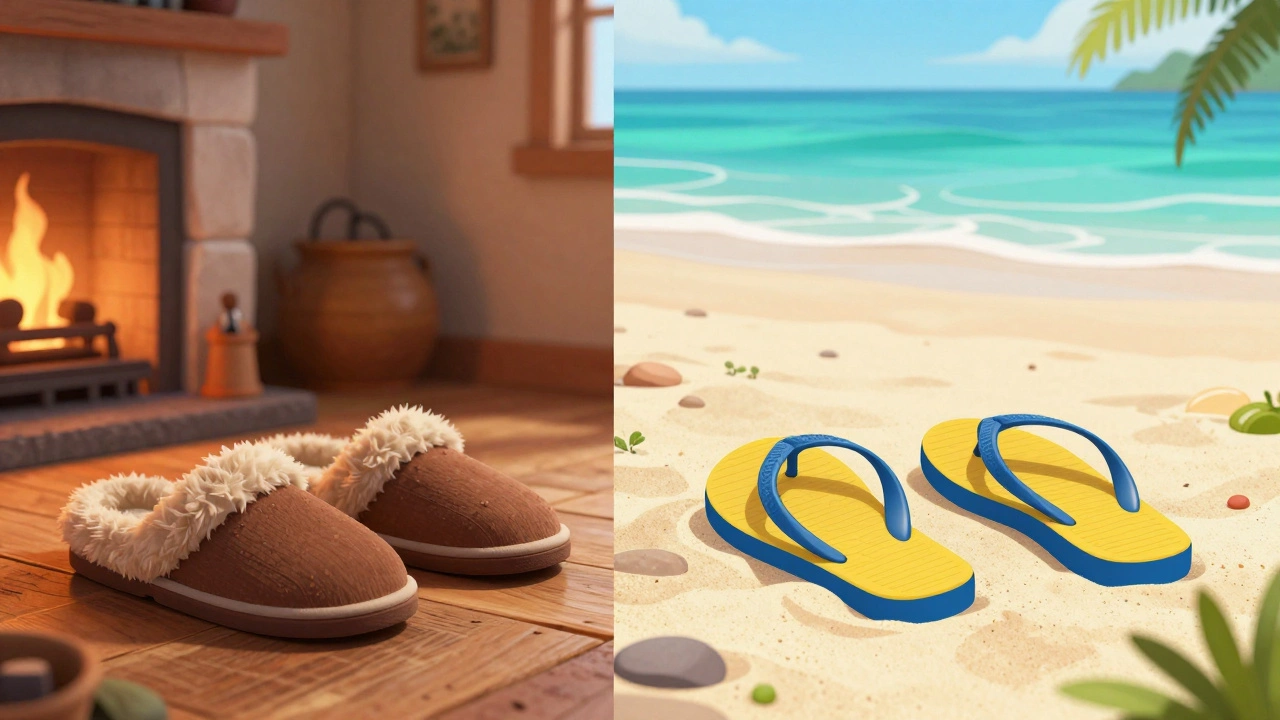
There is a big difference between the slippers you wear around the house in Dublin during January and the slippahs worn in Honolulu. Here in Ireland, slippers are often soft, enclosed, and meant to keep warmth in. Think of those wool-lined pairs you grab when coming inside from a windy evening in Kerry.
Hawaiian slippahs, on the other hand, are open-toed, breathable, and made for the outdoors. They are typically made of rubber, foam, or synthetic materials that dry quickly. Brands like OluKai and Ipanema dominate this space in Hawaii. These shoes are engineered for walking on hot pavement, sand, and wet surfaces. If you tried to wear traditional Irish house slippers outside in Hawaii, you’d be uncomfortable within minutes. Conversely, wearing heavy rubber slippahs in an Irish winter would leave your toes freezing.
| Feature | Irish House Slippers | Hawaiian Slippahs |
|---|---|---|
| Primary Use | Indoor warmth | Outdoor versatility |
| Material | Wool, fleece, suede | Rubber, EVA foam, canvas |
| Weather Resistance | Low (water damages them) | High (waterproof) |
| Cultural Context | Cozy home life | Aloha lifestyle / Casual wear |
The 'Aloha Spirit' in Footwear
The popularity of slippahs ties directly into the "Aloha Spirit," a philosophy of mutual regard and affection. In practical terms, this means dressing comfortably and respectfully without being overly formal. In Hawaii, wearing slippahs to a casual restaurant, a local market, or even some offices is perfectly acceptable. It reflects a relaxed pace of life.
In Ireland, our dress code is generally more conservative, especially in urban centers like Dublin or Cork. We don’t have the same tropical climate, so bare feet or open toes aren’t as common year-round. However, the spirit of the slippah-the desire for effortless style-is growing. As remote work becomes more common and people spend less time in strict corporate environments, there’s a shift towards more comfortable, versatile footwear. You might see more people opting for clean, minimalist slip-ons that mimic the ease of a slippah, even if they are closed-toe for the sake of warmth.
Can You Wear Slippahs in Ireland?
Technically, yes, but with caveats. If you live in Ireland, you likely won’t find yourself needing waterproof, open-toed slippahs for daily use unless you’re heading to the beach in County Wexford on a rare sunny day. The Irish weather is simply too damp and cold for most of the year. Walking through a puddle in Limerick in July requires different gear than strolling down Waikiki Beach.
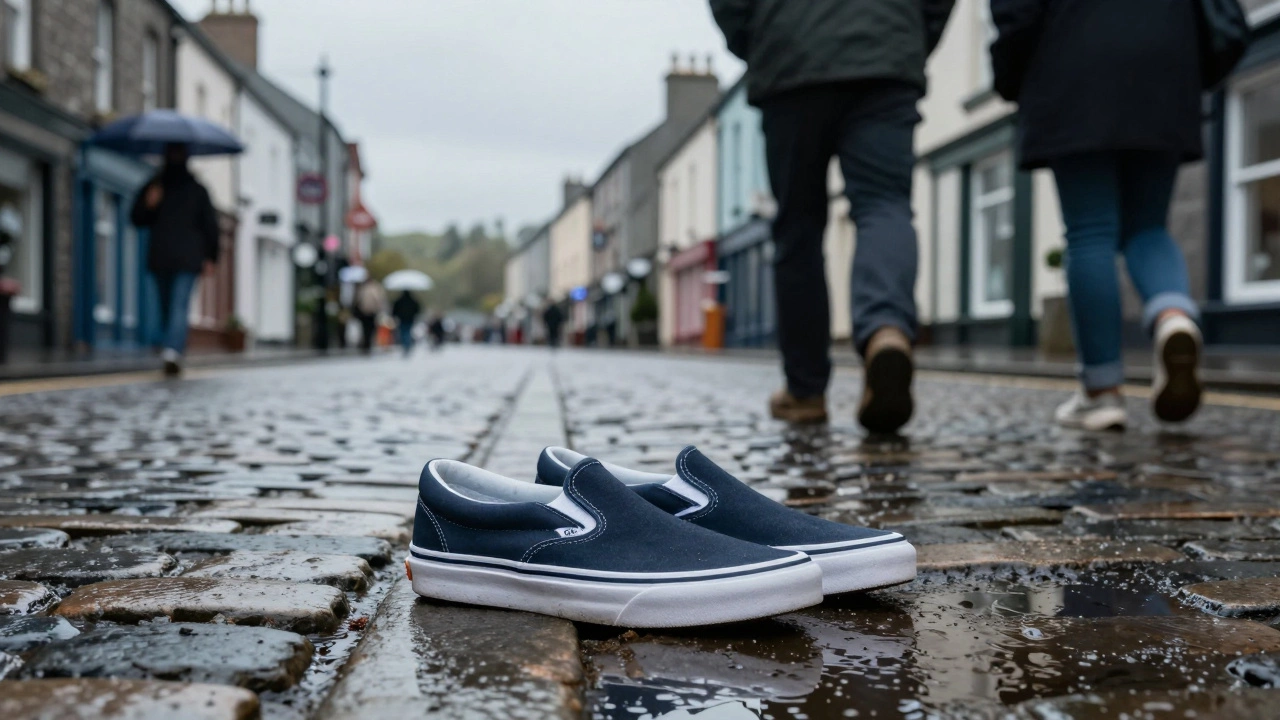
However, the *concept* of the slippah has found a niche here. Many Irish shoppers appreciate the convenience of slip-on shoes. Brands that offer easy-to-wear, lightweight options are popular because they reduce the friction of getting dressed. Think of brands like Vans or Converse, which offer slip-on styles that provide the ease of a slippah but with the protection needed for Irish streets. For summer months, especially in the south of Ireland, lightweight sandals that resemble slippahs are becoming more accepted for casual outings.
Where to Find Slippah-Style Shoes in Ireland
If you want to experience the comfort of a slippah while staying warm enough for the Irish climate, you have several options. While you won’t find dedicated "slippah shops" in Grafton Street, you can find similar styles in major retailers.
- Sports Direct: Often carries affordable rubber-soled sandals and slip-ons that mimic the durability of Hawaiian slippahs.
- Dunnes Stores: Their seasonal collections frequently include comfortable slip-on shoes and summer sandals that prioritize ease over formality.
- Online Retailers: If you’re set on authentic brands like OluKai or Reef, you’ll likely need to order online. These brands ship to Ireland, though delivery times can vary. Look for styles with cushioned insoles for added comfort.
- Local Shoe Makers: Some independent cobblers in cities like Galway or Kilkenny create custom slip-ons using high-quality leather. These aren’t "slippahs" in the Hawaiian sense, but they capture the same ethos of easy, no-lace convenience.

The Cultural Impact of Casual Footwear
The rise of the slippah in Hawaii mirrors a global trend towards casualization. In Ireland, we’ve seen this too. The pandemic accelerated the shift away from formal attire. People realized they could look put-together without sacrificing comfort. Now, post-pandemic, many workplaces have adopted "smart casual" policies that allow for more flexibility.
This doesn’t mean you should wear flip-flops to a board meeting in Dublin. But it does mean that the line between indoor and outdoor footwear is blurring. The slippah represents a rejection of unnecessary complexity. Why tie laces when you can slip on? Why carry two pairs of shoes when one can do both jobs? This mindset is appealing to busy professionals, parents, and students alike.
Practical Tips for Adopting the Slippah Mindset
You don’t need to move to Maui to benefit from the slippah philosophy. Here’s how you can apply it to your life in Ireland:
- Prioritize Comfort: Choose shoes that support your feet for long walks. Whether it’s a hike in the Wicklow Mountains or a stroll through Phoenix Park, comfort should come first.
- Embrace Slip-Ons: Invest in quality slip-on shoes for everyday use. They save time in the morning and are easy to take off when entering homes.
- Be Weather-Aware: Unlike Hawaii, Ireland demands respect for the weather. Keep a pair of sturdy boots nearby for rainy days, but opt for lighter shoes when the sun is out.
- Keep It Clean: Slippahs are meant to be low-maintenance. Choose materials that wipe clean easily. This is especially useful if you’re navigating muddy paths or city streets.
Conclusion: Finding Your Own Comfort
So, what do Hawaiians call slippers? They call them slippahs, a term that embodies a lifestyle of ease, resilience, and simplicity. While the literal application of open-toed rubber sandals might not suit the Irish climate year-round, the underlying principle is universal. We all seek comfort in our daily lives. Whether you’re walking through the historic streets of Kilkenny or relaxing in a garden in Dublin, finding footwear that lets you move freely and comfortably is key. The next time you slip on your favorite pair of shoes, remember the spirit of the slippah: simple, reliable, and always ready for whatever comes next.
Are slippahs the same as flip-flops?
Not exactly. While all flip-flops can be considered slippahs, not all slippahs are flip-flops. In Hawaii, "slippah" is a broad term that includes flip-flops, sandals, and even lightweight slip-on sneakers. Flip-flops specifically refer to the thong-style sandal with a Y-shaped strap.
Can I wear slippahs in Ireland during the summer?
Yes, especially in southern counties like Cork or Kerry where temperatures can rise. However, Irish summers are unpredictable. It’s wise to carry a backup pair of closed-toe shoes in case of sudden rain or cooler evenings.
What brands make authentic Hawaiian slippahs?
Popular brands include OluKai, Reef, Ipanema, and Sanuk. These companies focus on comfort, durability, and designs inspired by ocean and island culture. Many of these brands ship internationally to Ireland.
Why do Hawaiians pronounce it 'slippah' instead of 'slippers'?
The pronunciation comes from Hawaiian Pidgin English, a creole language spoken in Hawaii. The final "r" sound is often dropped or softened, leading to "slippah." It’s a linguistic marker of local identity and culture.
Is it rude to wear slippahs in public in Hawaii?
No, it is very common and accepted. In fact, wearing slippahs is part of the casual "Aloha" dress code. However, for formal events or fine dining, more polished footwear may be expected, similar to any other location.