Skechers Foot Health & Model Selector for Ireland
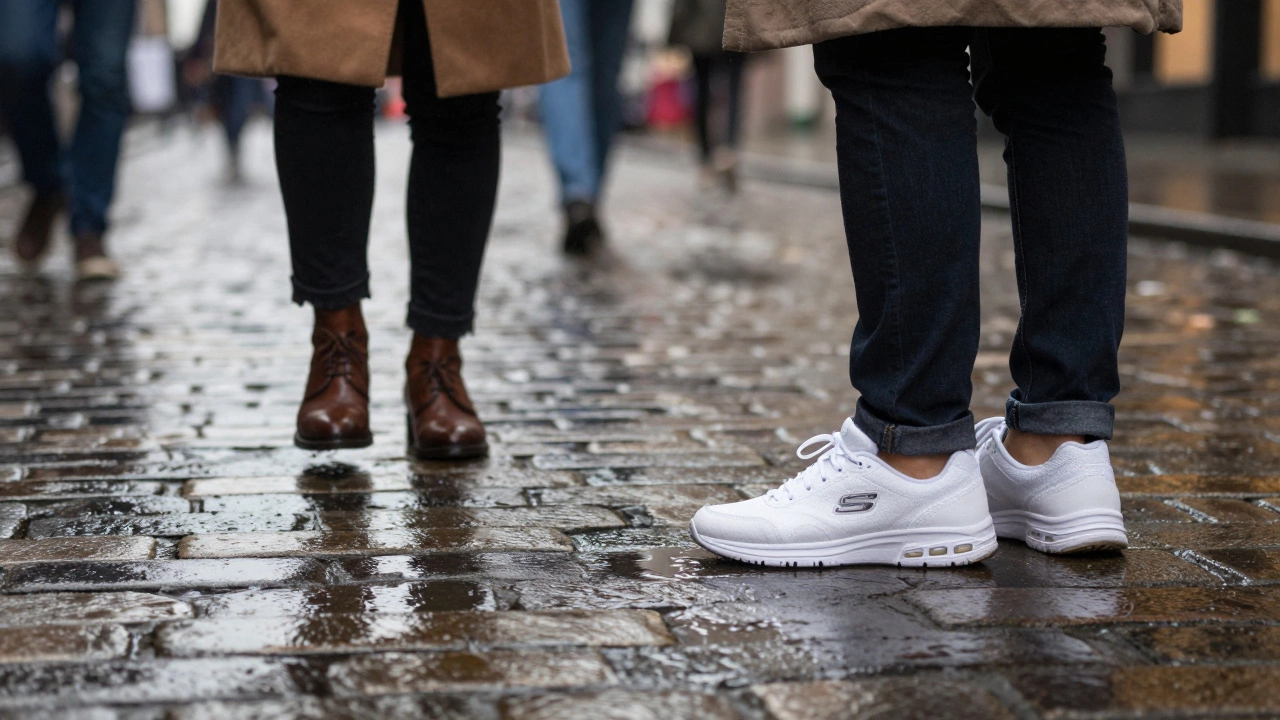
If you’ve walked down Grafton Street in Dublin or navigated the cobblestones of Galway’s Latin Quarter recently, you’ve likely noticed a trend. The clack of hard-soled dress shoes is being replaced by the soft thud of foam-cushioned sneakers. Skechers are everywhere here in Ireland. But as our weather turns damp and our daily steps increase, a question arises among locals: are these comfortable-looking shoes actually good for your feet? Specifically, what do podiatrists think of Skechers?
It’s not just a fashion choice; it’s a health decision. With Ireland’s unique combination of rainy climates, uneven rural terrain, and urban commuting, footwear plays a bigger role in joint health than many realize. Let’s break down the medical perspective on this popular brand, separating marketing hype from clinical reality.
The Comfort Paradox: Why Skechers Feel Good (At First)
To understand why podiatrists have mixed feelings, we first need to look at the technology inside the shoe. Skechers is famous for its memory foam insoles and lightweight construction. When you slip into a pair of Go Walks or Arch Fits, they feel like walking on clouds. For someone standing all day in a Cork city center shop or working long shifts in a hospital in Limerick, that immediate relief is undeniable.
However, comfort is subjective. What feels luxurious to one person can be structurally unsound for another. Dr. Sarah O’Connor, a podiatrist based in Belfast who treats patients across the border, notes that "the initial plushness of memory foam often lacks the structural support needed for long-term biomechanical stability." In simple terms, the shoe molds to your foot’s current shape, but if your foot has issues like flat arches or overpronation, the foam might mold incorrectly, potentially worsening the problem over time.
| Feature | Skechers (Memory Foam/Go Walk) | Traditional Irish Leather Shoe |
|---|---|---|
| Cushioning | High (soft impact absorption) | Low to Medium (firm ground feedback) |
| Arch Support | Variable (often relies on removable insole) | Moderate (built into last shape) |
| Durability | 1-2 years before foam compression | 5+ years with proper care |
| Breathability | High (mesh uppers) | Medium (natural leather wicks moisture) |
| Stability | Lower (soft midsole can cause wobbling) | Higher (firmer sole structure) |
The Podiatrist’s Verdict: It Depends on the Model
Podiatrists in Ireland don’t give a blanket "yes" or "no" to Skechers. Instead, they evaluate specific lines. The general consensus among foot specialists is that Skechers offers two distinct categories: those that are beneficial and those that should be avoided.
The Good: Models like the Skechers Arch Fit line are frequently recommended. These shoes were developed in collaboration with podiatrists and feature enhanced arch support and deeper heel cups. For individuals dealing with plantar fasciitis-a common complaint during Ireland’s wet seasons when people switch to heavier boots-these models provide targeted relief without sacrificing too much cushioning.
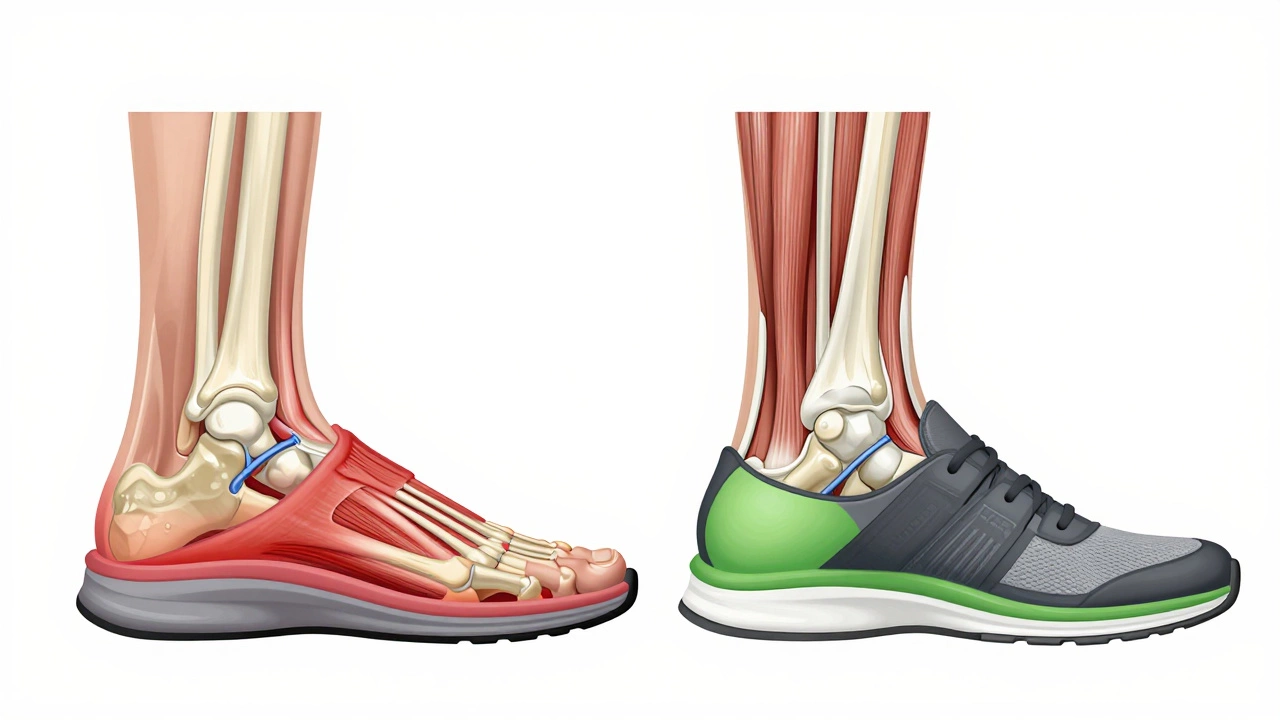
The Bad: The ultra-lightweight "slip-ins" often lack adequate lateral support. If you’re walking on the sloped streets of Kilkenny or hiking the Wicklow Mountains, a shoe that collapses inward under pressure can lead to ankle instability. Podiatrists warn that excessive softness in the midsole can force your smaller foot muscles to work harder to stabilize your stride, leading to fatigue and potential strain injuries.
Ireland’s Climate and Terrain: A Unique Challenge
You cannot discuss footwear in isolation from where you live. Ireland presents specific challenges for foot health that generic global reviews might miss.
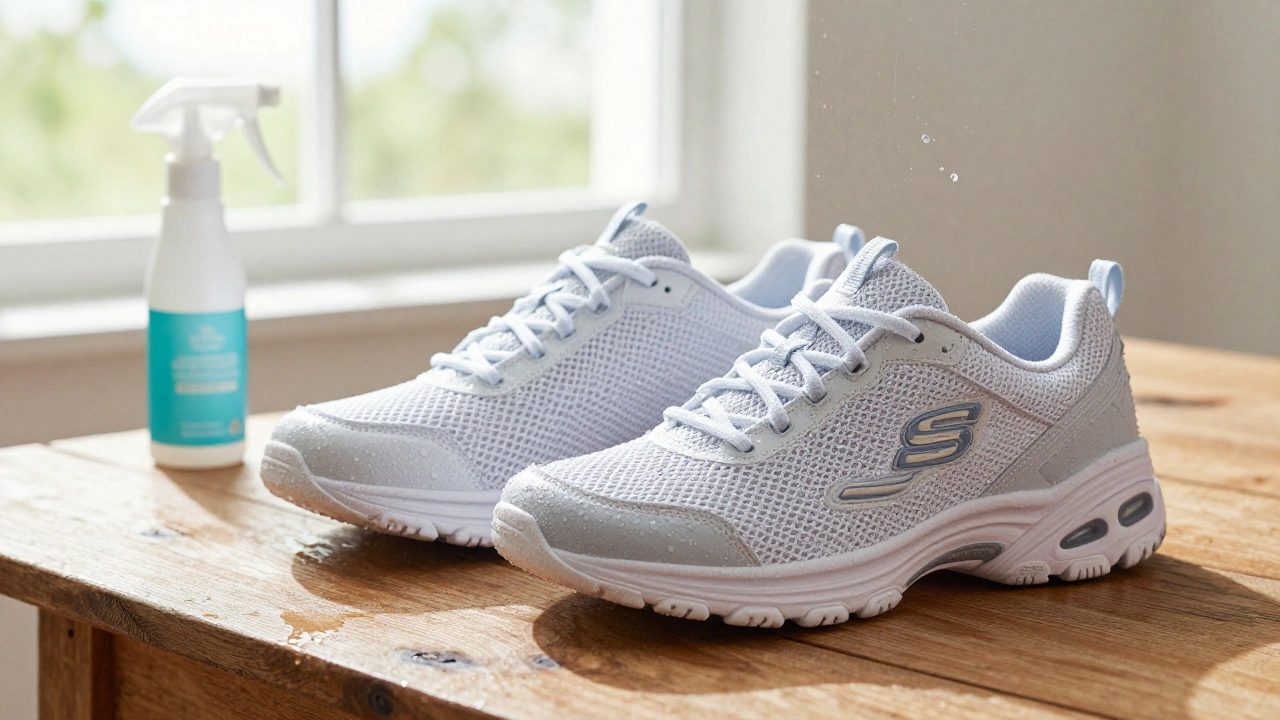
- Rain and Moisture: With an average of 100+ rainy days per year, keeping feet dry is crucial. Wet feet swell, which changes how your shoe fits. While Skechers mesh shoes breathe well, they also let water in. Once saturated, memory foam takes hours to dry, creating a breeding ground for fungal infections like athlete’s foot. Many locals opt for waterproof alternatives or treat their Skechers with hydrophobic sprays.
- Uneven Surfaces: From the cobbled lanes of Dingle to the cracked pavements of suburban Dublin, Irish walking surfaces are rarely perfectly flat. Soft, unstable soles can make navigating these terrains more dangerous than firm-soled shoes. A rigid shank (a piece of material between the insole and outsole) helps distribute weight evenly, something many budget Skechers lack.
- Commuting Distances: Public transport hubs like Connolly Station or Heuston require significant walking. If you’re commuting daily, the cumulative effect of unsupported walking can lead to knee and hip pain. This is where the difference between a casual sneaker and a supportive walking shoe becomes critical.
Leather Shoes vs. Sneakers: Finding the Balance
There’s a romantic notion in Ireland that leather shoes are superior. And for certain contexts, they are. High-quality leather shoes, such as those made by local artisans in Galway or imported brands like Clarks, offer durability and natural breathability. Leather stretches to fit your foot uniquely, providing a custom-like feel over time.
However, traditional leather shoes often come with thin, hard soles. Without orthotic inserts, they can be brutal on the heels and balls of the feet. The modern solution isn’t to choose one over the other exclusively but to rotate them. Wear supportive Skechers for high-impact activities like shopping trips or long walks, and reserve leather shoes for formal occasions or short durations where style takes precedence over endurance.
For those who prefer the aesthetic of leather but need the comfort of sneakers, hybrid options exist. Some brands now offer leather-uppers with athletic-style midsoles. These can be a great middle ground for the Irish professional who needs to look smart for a meeting in the Docklands but still wants to walk comfortably home.
Red Flags: When to Take Skechers Off
Even the best-supported shoe can cause problems if used incorrectly. Here are signs that your Skechers might be doing more harm than good:
- Heel Slippage: If your heel lifts out of the shoe with every step, the fit is wrong. This causes friction blisters and forces your toes to grip the shoe, leading to cramping.
- Midsole Compression: Check the bottom of your shoe. If the foam looks permanently squished or uneven, it’s lost its shock-absorbing ability. Replace them immediately.
- Pain After Use: Occasional soreness is normal when breaking in new shoes. Sharp pain in the arch, heel, or shin after wearing them indicates inadequate support.
- Wear Patterns: Look at the outsole. If the wear is heavily concentrated on the inner edge, you may be overpronating, and the shoe isn’t controlling your motion enough.
Practical Tips for Irish Buyers
If you decide to buy Skechers in Ireland, keep these tips in mind to ensure you get value for money and protect your foot health:
Shop Late Afternoon: Feet swell throughout the day. Try on shoes in the evening to ensure they won’t become too tight during a long day out. Stores like Brown Thomas in Dublin or Smyths Toys Superstores (which carries Skechers) allow for easy try-ons.
Bring Your Own Socks: Wear the socks you intend to use with the shoes. Thick wool socks, popular in Ireland for warmth, will change the fit significantly compared to thin cotton ones.
Consider Orthotics: If you have existing foot conditions, consult a podiatrist before buying. You may need to remove the factory insole and insert a custom orthotic. Ensure the shoe has a removable insole and enough volume to accommodate the extra thickness.
Check Return Policies: Online retailers like Amazon UK or Skechers.com often ship to Ireland quickly. However, check return policies carefully. If the shoes don’t feel right within the first few days, return them. Don’t "break them in" hoping they’ll improve-if they hurt initially, they’ll likely continue to cause issues.
Conclusion: Listen to Your Feet
So, what do podiatrists think of Skechers? They think they are a useful tool in the footwear arsenal, provided you choose the right model for your activity level and foot type. They are not a cure-all for foot pain, nor are they inherently bad. The key lies in understanding your own biomechanics and the demands of your environment.
In Ireland, where we navigate rain, wind, and uneven ground daily, prioritizing support over pure softness is wise. Whether you choose a supportive Skechers Arch Fit or a sturdy leather boot, the best shoe is the one that keeps your feet healthy, dry, and pain-free. If you experience persistent pain, see a qualified podiatrist rather than relying solely on consumer reviews. Your feet carry you through life; treat them with respect.
Are Skechers good for standing all day in Ireland?
Yes, but only specific models. The Skechers Arch Fit line is designed for all-day wear and provides better support than standard memory foam models. However, due to Ireland's wet climate, ensure you choose a water-resistant version or treat the shoes to prevent moisture buildup, which can lead to discomfort and fungal issues.
Do podiatrists recommend Skechers for plantar fasciitis?
Many podiatrists recommend Skechers Arch Fit models for mild to moderate plantar fasciitis because of their enhanced arch support and deep heel cups. However, for severe cases, custom orthotics inserted into a neutral shoe may be more effective. Always consult a healthcare professional for personalized advice.
How long do Skechers typically last?
The lifespan depends on usage and the specific model. Memory foam insoles tend to compress and lose support after 6-12 months of regular use. The upper materials may last longer, but once the cushioning degrades, the shoe no longer provides adequate protection. Inspect your shoes regularly for signs of wear.
Can I wear Skechers in the Irish rain?
Standard mesh Skechers are not waterproof and will get wet quickly. For rainy days, look for Skechers models labeled as "Water Resistant" or consider alternative waterproof footwear. If you must wear mesh shoes, apply a waterproofing spray beforehand, though this is not a guarantee against heavy rain.
Where can I buy Skechers in Ireland?
Skechers are widely available in Ireland through major department stores like Brown Thomas, sports retailers like Sports Direct, and online via the official Skechers website or Amazon.co.uk. Local shoe shops in towns like Galway and Cork may also stock select styles.