Regional Footwear Terminology Translator
Type a sentence below containing words like "sneakers," "runners," or "tennis shoes" to see how it translates across different regions.
Waiting for input...
Key Term: Sneakers
Origin Logic: Rubber soles allow silent walking.
Waiting for input...
Key Term: Trainers
Origin Logic: Designed for athletic training.
Waiting for input...
Key Term: Runners
Origin Logic: Designed specifically for running.
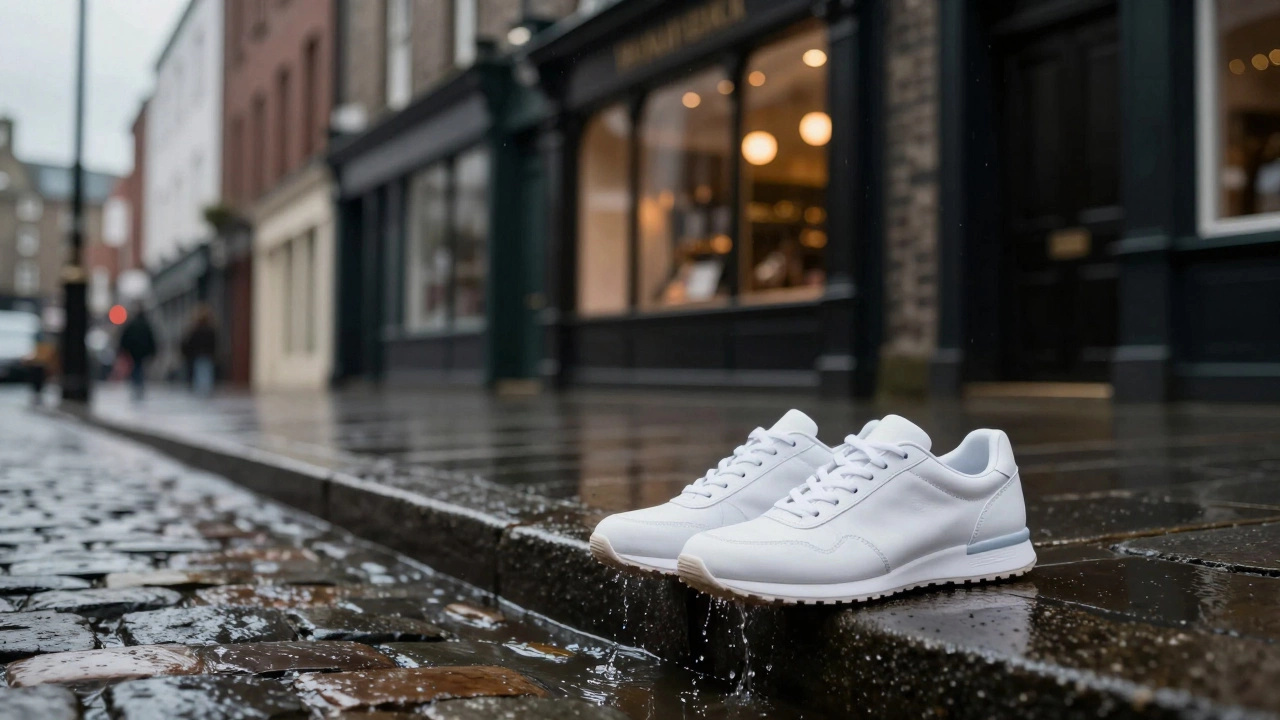
Walk down O'Connell Street in Dublin or stroll through the cobbled lanes of Galway, and you will notice something distinct about the footwear on display. If you ask a local shop assistant for "sneakers," they might look at you with a polite, slightly confused smile. In Ireland, as in the United Kingdom, those comfortable, rubber-soled shoes we wear to the gym, to work, or just to walk around town have a different name entirely. They are called trainers.
This linguistic divide is more than just a cute quirk; it reflects deep cultural ties between the island nations and a shared history of language that differs sharply from what Americans use daily. For anyone living in Ireland, visiting from abroad, or simply curious about why our vocabulary diverges, understanding this distinction is key to sounding like a local.
The Origin of the Word "Trainers"
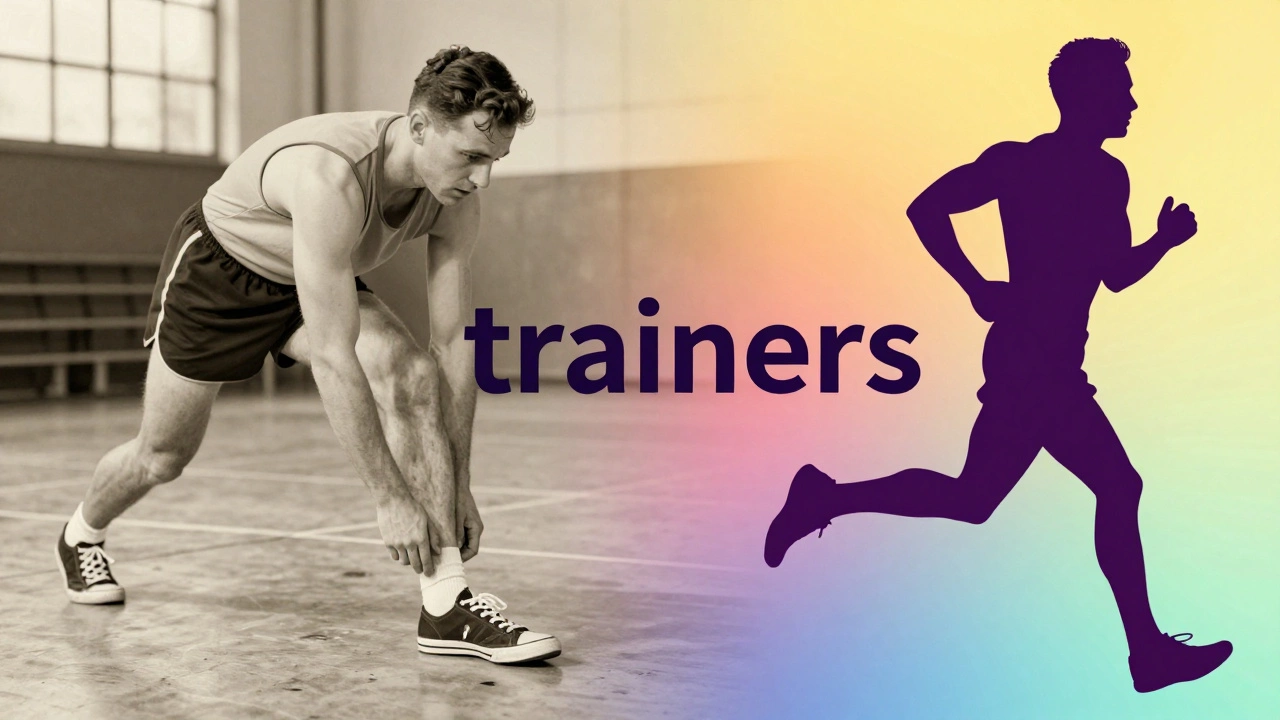
To understand why we say "trainers," we have to look at the function of the shoe rather than its stealth capabilities. The term comes from the word "training." These shoes were originally designed for athletic training-running, jumping, and playing sports. In the mid-20th century, as sportswear began to transition into everyday fashion, the name stuck. It wasn't about sneaking up on someone; it was about preparing your body for physical activity.
In contrast, the American term "sneakers" originated because the rubber soles allowed people to walk quietly, or "sneak" around, without the clatter of leather heels. While both terms describe the same object-a casual shoe with a flexible sole-their etymologies highlight different priorities. The British and Irish focus on utility and sport; the American focus on the acoustic property of the sole.
| Region | Common Term | Less Common/Regional Terms | Origin Logic |
|---|---|---|---|
| UK & Ireland | Trainers | Tennies (rare) | Designed for athletic training |
| United States | Sneakers | Tennis shoes, Keds | Rubber soles allow silent walking |
| Australia/NZ | Runners | Grunts | Designed for running |
Why Ireland Follows British Footwear Terminology
Ireland’s language habits are deeply intertwined with its history. Despite political independence, the cultural and linguistic exchange between Ireland and Britain has remained robust. We share newspapers, television shows, and shopping brands. When major retailers like Marks & Spencer, Next, or Debenhams operate in Dublin, Cork, or Limerick, their signage uses British English. You will see racks labeled "Men's Trainers" or "Women's Trainers," not sneakers.
This isn't just about retail; it's about media influence. Growing up watching BBC dramas or Premier League football on Sky Sports reinforces the vocabulary. When a commentator describes a player changing into his boots, he’s talking about football cleats, but when he talks about warm-ups, he mentions trainers. This constant exposure ensures that "trainers" remains the dominant term across all generations in Ireland.
Boots, Shoes, and the Great Confusion
The question "What do British people call boots shoes?" often stems from a misunderstanding of categories. In general English, "boots" and "shoes" are distinct. Boots cover the ankle and sometimes the calf. Shoes generally stop at the ankle. However, within the category of casual footwear, there is overlap.
If you are looking for sturdy footwear for the Irish weather-think rain in Kerry or wind in Donegal-you might buy "wellington boots" (or "wellys") or "ankle boots." But if you mean the everyday casual shoe, you are almost certainly talking about trainers. Calling them "boot shoes" would confuse any local. A boot is for protection against elements; a trainer is for comfort and style.
Shopping for Trainers in Ireland: What to Know
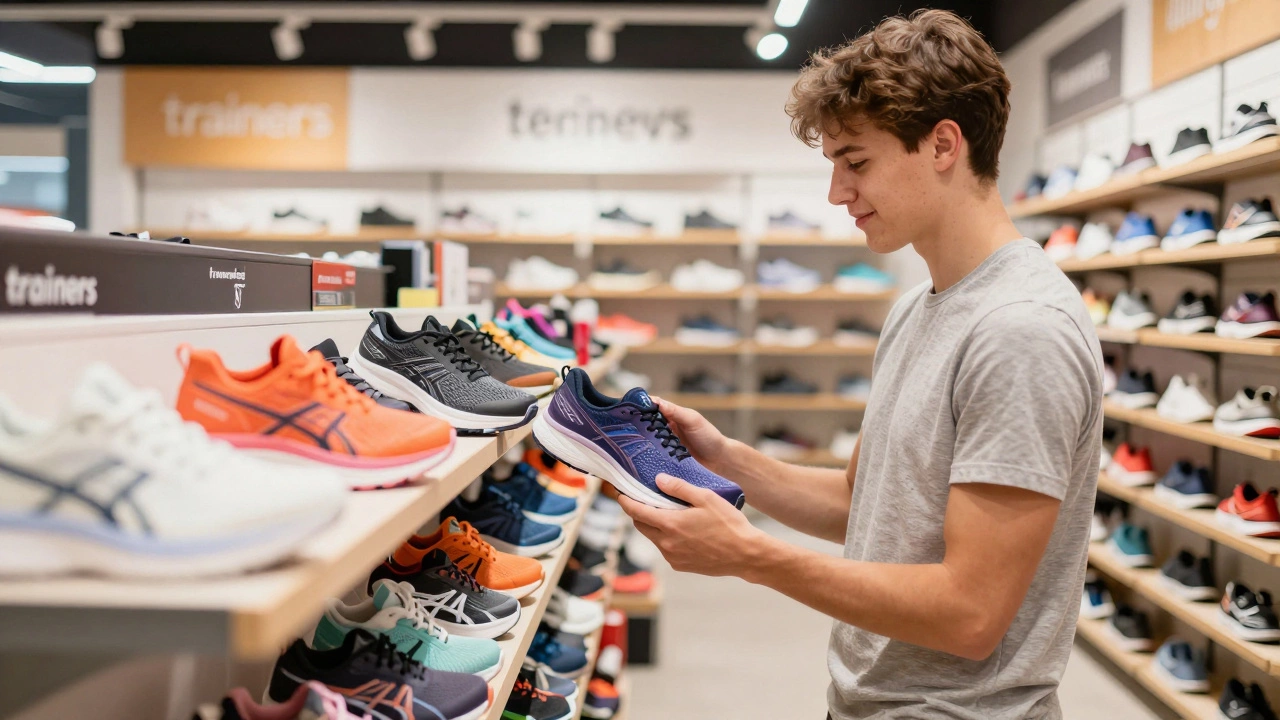
Whether you are browsing the Grafton Street boutiques in Dublin or checking out the sports stores in Dundrum Town Centre, knowing the right terminology helps. Here is how locals categorize their trainers:
- Running Trainers: Specifically designed for jogging or marathon training. Brands like Asics, Brooks, and Nike dominate this space.
- Casual Trainers: Everyday wear. Think Converse Chuck Taylors, Vans Old Skools, or Adidas Stan Smiths. These are worn with jeans, chinos, or even smart-casual trousers.
- Basketball Trainers: High-top shoes originally for basketball, now popular for streetwear fashion. Jordan Brand is huge here.
- Hiking Trainers: A hybrid category gaining popularity. These offer the grip of hiking boots but the flexibility of trainers, perfect for walking the Cliffs of Moher or the Wicklow Mountains without heavy gear.
When shopping online via Irish sites like Brown Thomas, Dunnes Stores, or specialized runners shops like Runners Need, always search for "trainers." Using "sneakers" might yield results due to global algorithms, but you may miss locally stocked inventory that follows British naming conventions.
Regional Variations and Slang
While "trainers" is the standard term across Ireland, some regional slang exists. In parts of Northern Ireland, influenced by proximity to Scotland and England, you might hear older generations refer to them as "plimsolls," though this term usually refers specifically to thin-soled canvas shoes used in school PE classes decades ago. Today, plimsolls are largely obsolete, replaced by modern synthetic trainers.
In urban centers like Dublin and Belfast, younger people might adopt American slang like "kicks" or "sneakers" due to hip-hop culture and social media. However, this is often seen as affectation. If you want to blend in, stick with "trainers." It’s safer, clearer, and universally understood from Derry to Cork.
The Cultural Significance of Trainers in Ireland
Trainers in Ireland are not just functional; they are a status symbol and a fashion statement. With the rise of "smart casual" dress codes in offices across Dublin’s financial district, a clean pair of white leather trainers is often acceptable attire. This shift reflects a broader European trend where comfort meets professionalism.
Additionally, Ireland has a strong running culture. Events like the Dublin Marathon and the Shamrock Marathon draw thousands of participants. For these runners, trainers are essential equipment. Local running clubs meet in parks like Phoenix Park or St. Stephen’s Green, and everyone is wearing high-performance trainers. The community aspect of running further cements the importance of the term in everyday conversation.
Practical Tips for Visitors and Expats
If you are new to Ireland, here are a few tips to navigate the world of footwear:
- Ask for "Trainers": When entering a shoe store, ask for the trainers section. It will save time and avoid confusion.
- Check the Weather: Ireland is wet. Even if you love your trainers, keep a pair of waterproof boots handy for rainy days. Many trainers are not water-resistant.
- Size Conversion: Irish shoe sizes follow the UK sizing system, which differs from US sizes. Generally, you need to subtract one size from your US men’s size to get your UK/Irish size. Women’s sizes can be trickier, so try before you buy.
- Vintage Hunting: Thrift stores in cities like Galway and Waterford often have great vintage trainers. Look for labels that say "Made in Portugal" or "Made in Vietnam" for quality imports common in the EU market.
Conclusion: Embracing the Local Lexicon
Language shapes how we perceive the world. By calling them "trainers," Irish and British speakers emphasize the active, sporting heritage of the shoe. It’s a small difference, but it connects us to a shared cultural identity distinct from the US. Whether you are lacing up for a jog along the Liffey or just heading to the pub, saying "I’m putting on my trainers" will make you sound like a true local. So next time you’re shopping in Ireland, remember: no sneakers, just trainers.
Do people in Ireland ever use the word "sneakers"?
It is rare among older generations, but younger people exposed to American media might use "sneakers" occasionally. However, "trainers" remains the standard and most widely understood term across all age groups in Ireland.
What is the difference between trainers and running shoes in Ireland?
In Ireland, "running shoes" is often used interchangeably with "running trainers." There is no significant difference in meaning. Both terms refer to athletic footwear designed for running.
Are trainers considered formal wear in Ireland?
Generally, no. However, clean, minimalist leather trainers are increasingly accepted in smart-casual workplaces, especially in tech and creative industries in Dublin. For formal events like weddings, traditional dress shoes are still expected.
Where can I buy trainers in Dublin?
You can find trainers in many places, including department stores like Brown Thomas and Penneys (Primark), sports specialists like JD Sports and Sports Direct, and independent running shops like Runners Need or Halfords Sport.
Why don't Irish people say "tennis shoes"?
"Tennis shoes" is primarily an American term. In Ireland and the UK, tennis players wear specific court shoes, but the general public uses "trainers" for all types of casual athletic footwear, regardless of whether they play tennis.