Irish Leather Shoe Survival Calculator
Planning to wear your favorite brogues or oxfords? Input your daily plans below to see if your feet will stay dry and your soles intact.
Today's Conditions
Enter your details and click "Check Shoe Safety" to get a recommendation.
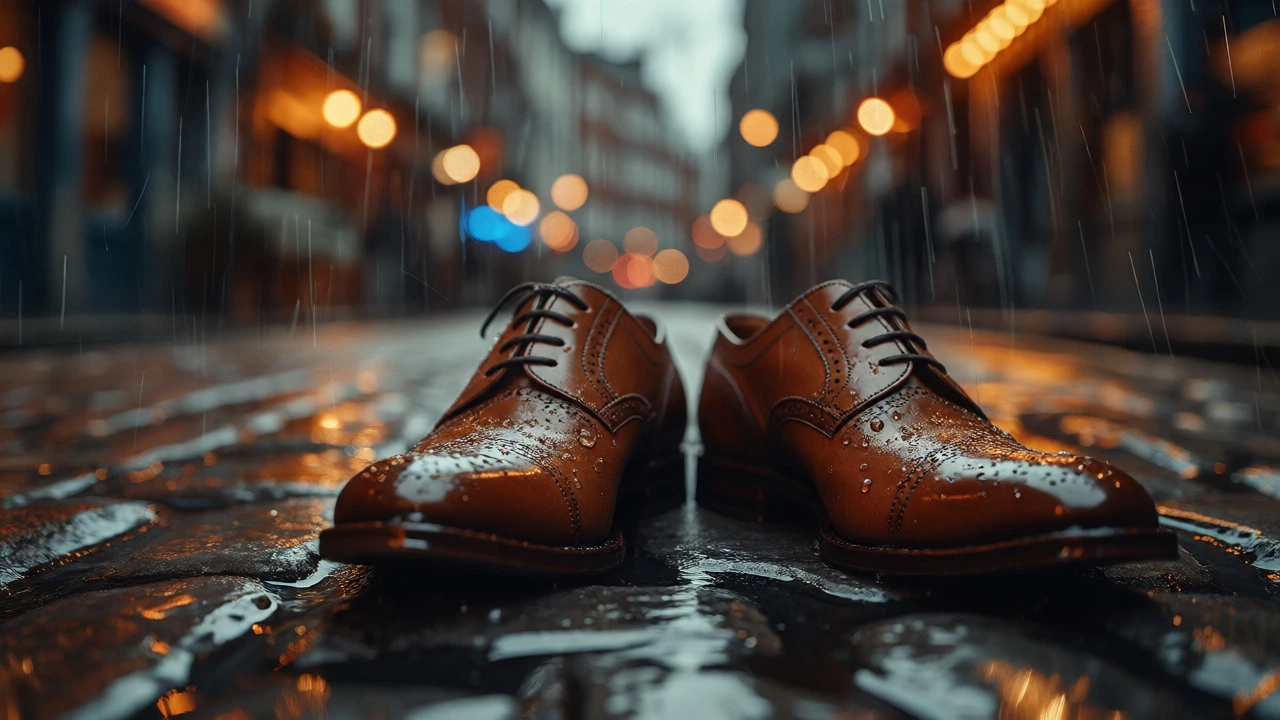
If you live in Dublin or anywhere along the wild Atlantic coast, you know the drill. You step out in a fresh pair of leather brogues, feeling sharp and ready for the day, only to be ambushed by a sideways rain squall within three blocks. In Ireland, wearing leather shoes isn't just a style choice; it’s a gamble against the elements. While a well-crafted pair of oxfords is a staple for business meetings in Grand Canal Dock or weddings in Kildare, there are specific times when leaving them in the wardrobe is the smarter move.
The question isn't whether leather looks good-it absolutely does-but rather when the practical downsides outweigh the aesthetic appeal. From the relentless dampness of Galway winters to the muddy trails of Wicklow Mountains National Park, certain conditions will destroy your footwear faster than you can say "craic." Here’s how to navigate the tricky balance between looking smart and keeping your feet dry and your soles intact.
The Rain Factor: Why Irish Weather Hates Unprotected Leather
Let’s be honest about the climate here. It doesn’t matter if it’s May or November; if you’re standing outside Grafton Street waiting for a friend, you are likely to get wet. Standard polished leather is porous. When water seeps into the fibers, it strips away natural oils, leading to cracking, warping, and that dreaded white salt stain residue once the shoes dry out near a radiator.
In Ireland, the humidity levels often hover high enough that even without active rain, condensation can settle on your shoes. If you don't have a proper waterproofing treatment applied-something like a beeswax-based cream from a local cobbler or a high-quality silicone spray-you risk permanent damage. If the forecast shows more than 30% chance of precipitation, consider switching to suede (if treated) or synthetic alternatives. Suede, while stylish, is arguably worse off in heavy rain unless heavily protected, but smooth leather left untreated will suffer structural integrity issues much faster than many realize.
Outdoor Adventures and Rural Terrain
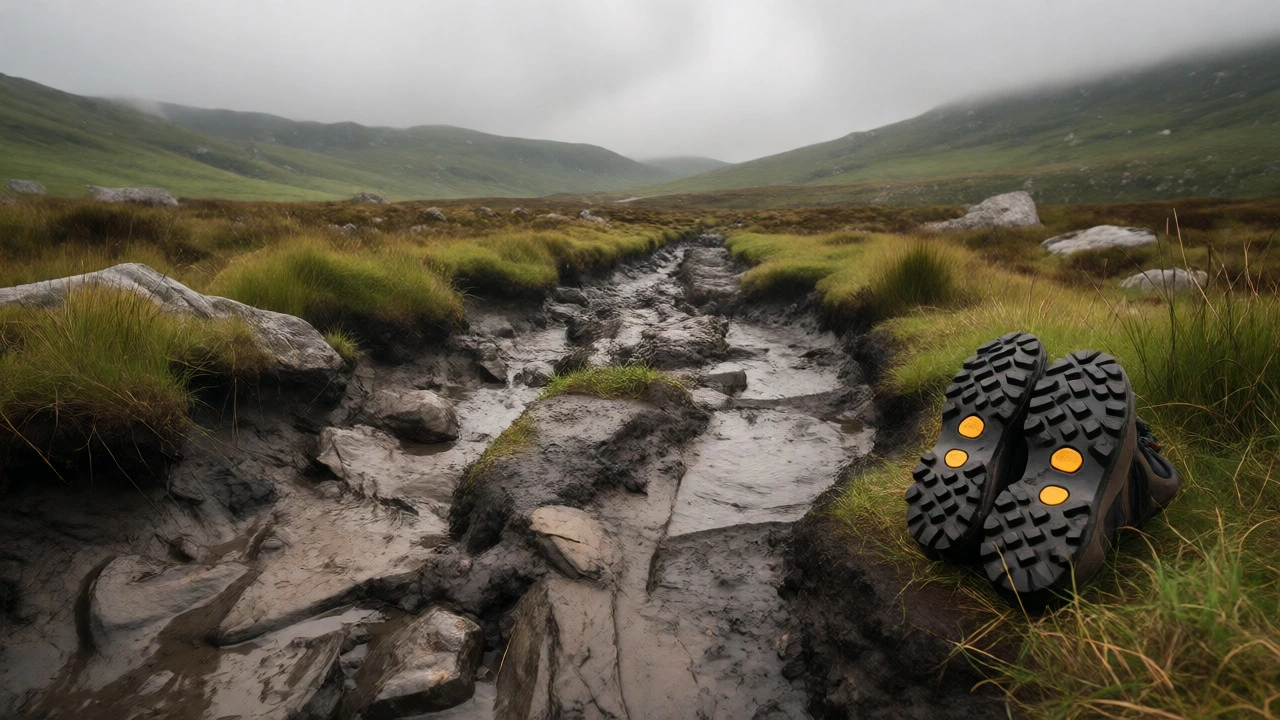
Ireland’s landscape is beautiful, but it’s not kind to dress shoes. If you’re planning a hike up Croagh Patrick or a walk through Connemara National Park, leave the loafers at home. The terrain here is often boggy, uneven, and covered in thick mud that grips onto leather soles like glue. Once mud dries into the stitching, it becomes nearly impossible to remove without damaging the thread.
Furthermore, the soil in rural parts of Cork and Kerry contains minerals that can discolor light-colored leather permanently. If you’re attending a festival like Fleadh Cheoil na hÉireann, which often takes place in town centers with cobblestones and potential grassy areas, you’ll find that thin-soled leather offers zero protection against stones and roots. For these scenarios, sturdy boots with Vibram soles or hiking-specific footwear are non-negotiable. Your ankles will thank you, and so will your wallet when you don’t have to replace ruined shoes after one weekend trip.
Formal Events vs. Casual Reality
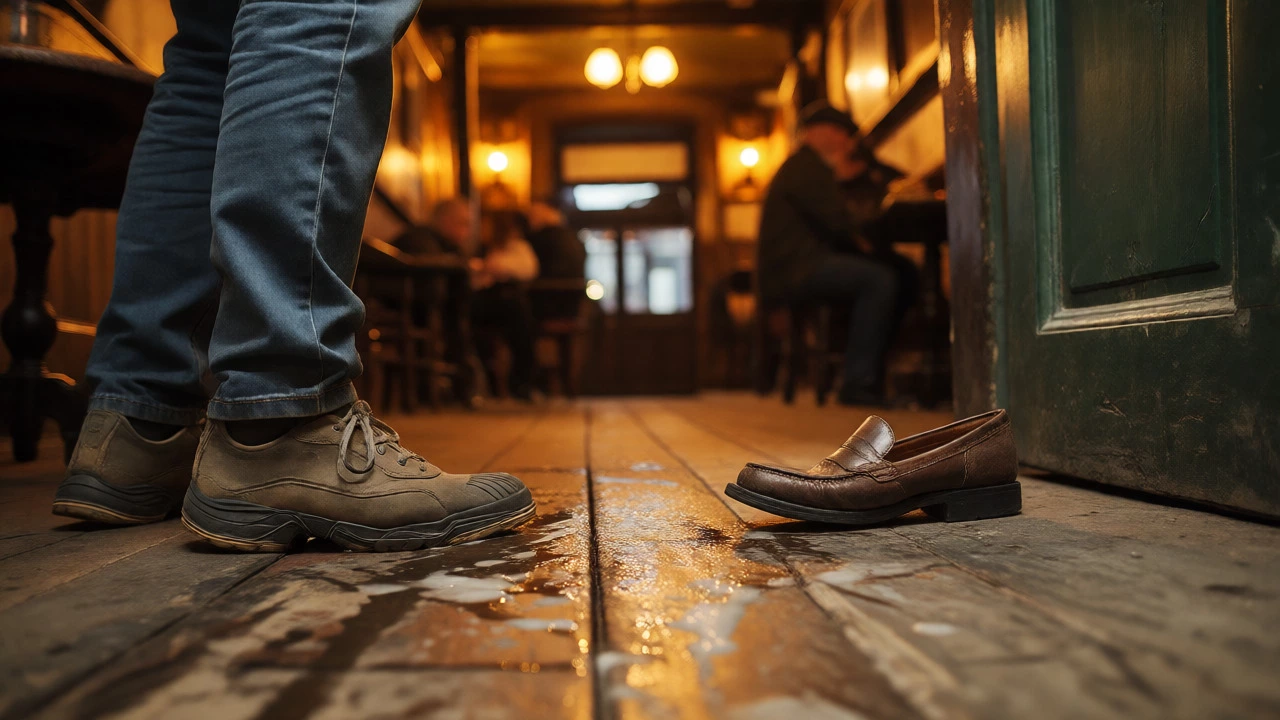
There’s a social nuance to this too. In Dublin’s tech hubs or legal firms on Merrion Square, black leather oxfords are standard. But what about the casual Friday? Or a pub quiz in a venue with sticky floors and spilled Guinness? Leather shoes, especially those with crepe soles, absorb liquids and odors quickly. Spill a pint on a suede loafer, and you might as well buy a new pair.
Consider the event context carefully. If you’re going to a traditional session in a rural pub in Sligo, the floor might be concrete or worn wood. Leather soles are slippery on wet surfaces-a real hazard when people are moving around with drinks. Rubber-soled sneakers or casual boots provide better traction and peace of mind. Save the high-shine leather for the wedding reception hall or the boardroom, not the back room of a crowded pub.
The Cost-Benefit Analysis: When to Switch Materials
Not all leather is created equal, and neither are all situations. To help you decide, here’s a quick breakdown of common Irish scenarios and the recommended footwear strategy.
| Scenario | Recommended Footwear | Why Avoid Standard Leather? |
|---|---|---|
| Commuting via Luas/Bus | Waterproof Boots / Sneakers | Puddles on footpaths splash onto ankles; leather stains easily. |
| Hiking in Wicklow/West Coast | Trekking Boots | Mud ruins stitching; lack of grip on wet rock faces. |
| Office Work (Dublin City Centre) | Polished Oxfords/Derbys | Acceptable if path is paved and dry; use umbrella! |
| Festival/Crowded Pub | Closed-Toe Sneakers | Spills cause staining; thin soles offer no comfort on hard floors. |
| Golf Clubhouse Socials | Loafers/Boat Shoes | Grass/mud on approach paths damages finish. |
Protecting What You Have: Maintenance Tips for Irish Conditions
If you absolutely must wear leather, you need to treat it like equipment, not just clothing. In Ireland, regular maintenance is key. Use a cedar shoe tree every time you take them off. This absorbs internal moisture and helps the shoe keep its shape, preventing the heel counter from collapsing due to dampness.
Invest in a good quality waterproofing wax. Brands like Kiwi or local Irish cobblers often sell beeswax blends that penetrate deep into the grain. Apply this monthly during winter months. Also, never dry leather shoes directly on a heat source. The central heating in Irish homes can be aggressive; placing wet shoes on a radiator will crack the leather. Instead, stuff them with newspaper and let them air-dry at room temperature.
Another pro tip: rotate your pairs. Don’t wear the same leather shoes two days in a row. Give them 24 hours to fully dry out. This simple habit doubles the lifespan of your footwear, saving you money in the long run. With the average cost of a decent pair of leather shoes in Dublin ranging from €150 to €300, extending their life is a smart financial move.
Alternatives That Look Smart but Survive the Rain
You don’t have to sacrifice style for practicality. Modern materials have come a long way. High-quality synthetic leathers (like vegan leather from brands available in Brown Thomas or Arnotts) are often more water-resistant than untreated animal hide. They also resist salt stains better, which is crucial given the grit spread on roads during winter storms.
Consider rubber-soled chukka boots made from full-grain leather that has been specifically tanned for weather resistance. These bridge the gap between formal and functional. Another option is nubuck, which, while similar to suede, has a brushed surface that can be more forgiving with minor scuffs and easier to clean with a specialized eraser block.
Final Thoughts: Dress for the Day, Not Just the Occasion
Living in Ireland means adapting to the environment. The best dressed person in the room isn’t always the one with the shiniest shoes, but the one whose feet are comfortable and dry. Check the Met Éireann forecast before you lace up. If rain is coming, choose resilience over rigidity. Your future self, standing on a puddle-slicked street in Temple Bar, will appreciate the decision.
Can I wear leather shoes in the rain in Dublin?
Yes, but only if they are properly waterproofed with wax or spray. Untreated leather will absorb water, leading to damage and discomfort. Always carry an umbrella and avoid stepping in deep puddles.
How do I remove salt stains from my leather shoes?
Mix equal parts water and white vinegar. Dampen a cloth with the solution and gently wipe the stained area. Allow to air dry naturally, then apply a leather conditioner to restore moisture.
Are suede shoes suitable for Irish weather?
Suede is generally poor for heavy rain as it absorbs water and loses its texture. However, if treated with a dedicated suede protector spray, they can handle light drizzle. Avoid wearing them in downpours or snow.
What is the best shoe rotation for working in Ireland?
Keep at least two pairs of work shoes. Rotate them daily to allow each pair to dry completely. This prevents odor buildup and extends the life of the leather significantly compared to wearing one pair continuously.
Do leather shoes slip on wet Irish pavements?
Traditional leather soles can be very slippery when wet. Look for shoes with rubber heels or full rubber soles with tread patterns designed for traction. Cobblestone streets in cities like Galway require extra caution regardless of sole type.