Leather Shoe Replacement Checker
Answer the following questions about your current pair of leather shoes. The tool will calculate a "Health Score" and recommend whether to repair or replace them.
Shoe Health Score
Key Issues Detected:
- No issues found.
Recommendation Details:
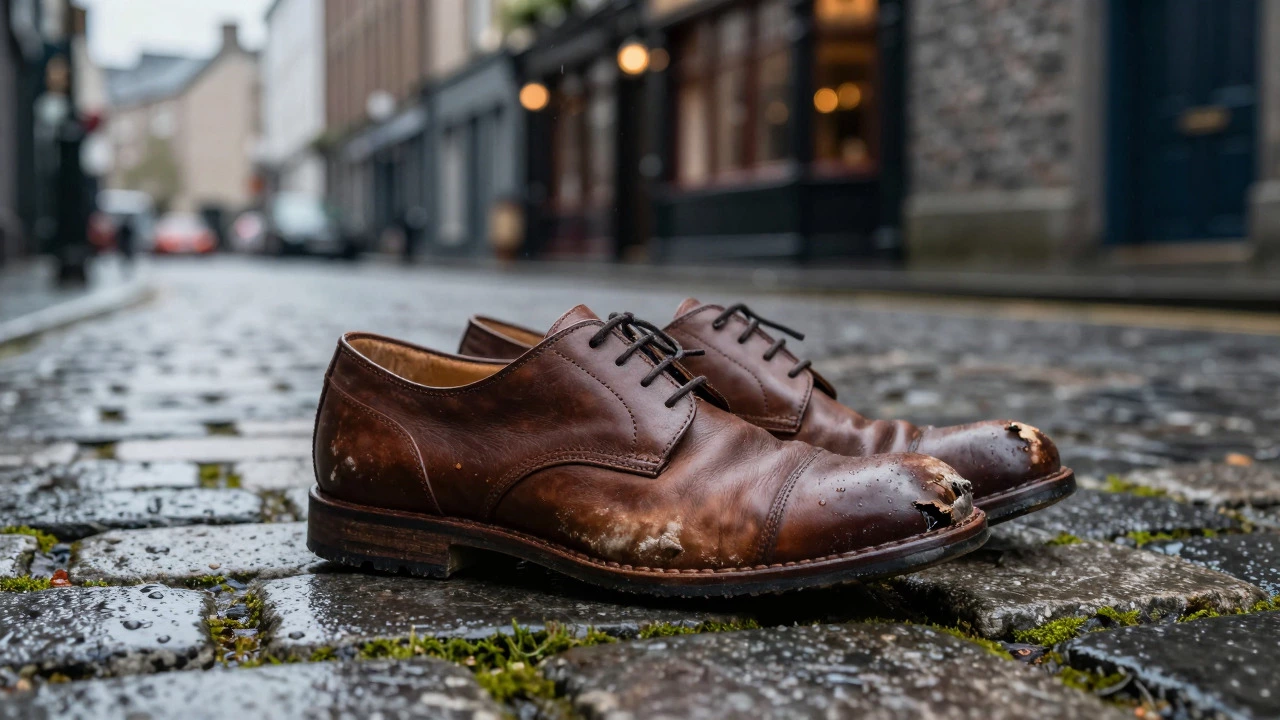
Walking the cobblestones of Temple Bar or commuting through the rain on Grafton Street, you know that a good pair of leather shoes is a durable investment that protects your feet from Ireland's unpredictable weather. But at what point does that investment turn into a liability? Many people in Dublin, Cork, and Galway keep wearing worn-out pairs because they feel comfortable, not realizing that structural failure can lead to foot pain or even injury. This guide helps you identify the exact signs that it is time to retire your current pair and invest in new ones.
The Structural Integrity Check
Before worrying about style, look at the mechanics of the shoe. The most critical component is the bond between the upper leather and the sole. If you see daylight between the two, or if the seam has pulled apart, the glue has failed. In humid coastal areas like Westport or Dingle, moisture accelerates this degradation. When the separation exceeds a few millimeters, the support system collapses. Your arch loses its shape, leading to fatigue by mid-afternoon. This is often the first clear signal that the shoe’s life is ending.
Next, inspect the midsole. This layer sits between the insole (where your foot rests) and the outsole (the rubber touching the ground). If the midsole is compressed flat, especially under the heel, shock absorption is gone. You will feel every step more sharply. For those working long hours on their feet in hospitality or retail across the country, this lack of cushioning is a recipe for chronic back pain. If the shoe feels stiff and unyielding where it used to be soft, the internal structure is compromised.
Weather-Related Wear in the Irish Climate
Ireland’s climate is unique. It is not just about rain; it is about persistent dampness. Even when it isn't raining, the air holds moisture that seeps into porous materials. Leather is hygroscopic, meaning it absorbs water. Over years, this constant cycle of wetting and drying weakens the fibers. If your leather looks chalky, cracked, or permanently discolored despite regular conditioning, the material integrity is lost. Cracked leather doesn't just look bad; it creates entry points for bacteria and reduces the shoe's ability to hold its shape.
Salt damage is another specific issue for residents near the coast. Sea salt from spray can corrode metal eyelets and weaken stitching over time. If you live in places like Howth or Malahide, check the hardware frequently. Corroded laces can snap unexpectedly, leaving you stranded in public. While minor rust can be polished, deep pitting indicates significant environmental stress that shortens the shoe's usable lifespan.
Signs Your Feet Are Telling You to Stop
Your body often signals when footwear fails before your eyes do. Pay attention to these physical cues:
- New calluses: If you develop calluses in spots where you never had them before, the shoe is pressing unevenly due to deformation.
- Heel slippage: If your heel lifts with each step, the heel counter has collapsed. This causes friction blisters and instability.
- Toe jamming: If your toes hit the front of the shoe after a few minutes of walking, the toe box has compressed.
- Persistent soreness: Soreness that lasts more than an hour after removing the shoes indicates poor fit or support failure.
If any of these symptoms persist after trying different socks or adjusting lacing, the shoe itself is the problem. Continuing to wear them forces your muscles to compensate for the lack of support, leading to long-term gait issues.
Repair vs. Replace: The Economic Reality
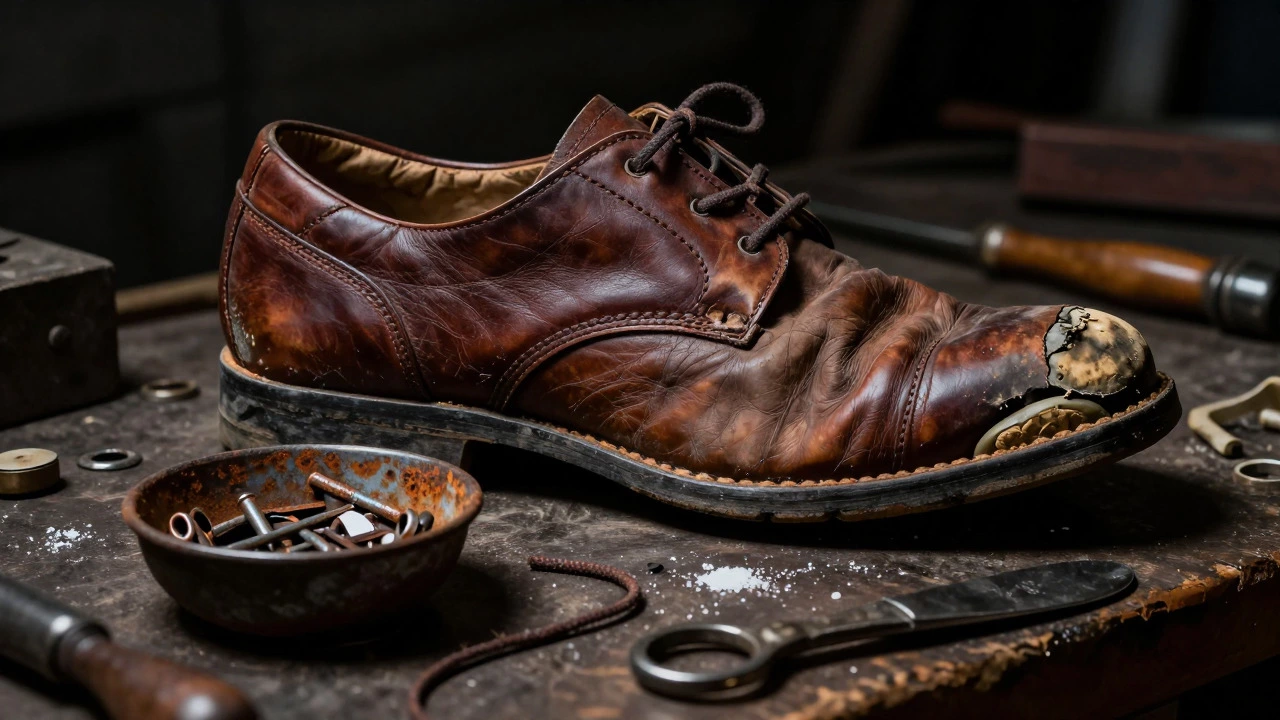
In Ireland, traditional shoemaking is still alive, though less common than in previous decades. Cities like Dublin and Limerick have skilled cobblers who can resole, reheel, and patch upsets. However, repair only makes sense if the upper leather is still healthy and the shape is intact. A general rule of thumb is that if the cost of repairs exceeds 30% of the price of a new pair, it is usually better to buy new. For example, if a quality pair costs €200 and the cobbler quotes €80 for multiple fixes, save the money for a new pair. Repairs are best for extending the life of high-quality shoes with minor sole wear, not for saving structurally failed pairs.
| Factor | Repair Recommended | Replace Recommended |
|---|---|---|
| Upper Condition | Intact, supple leather | Cracked, torn, or deformed |
| Sole Separation | Minor lifting < 5mm | Wide gap or complete detachment |
| Midsole State | Some compression but supportive | Fully flattened, no cushioning |
| Cost Ratio | Repair cost < 30% of new price | Repair cost > 30% of new price |
| Aesthetic Value | Style still relevant | Outdated or damaged appearance |
Caring for Your Next Pair
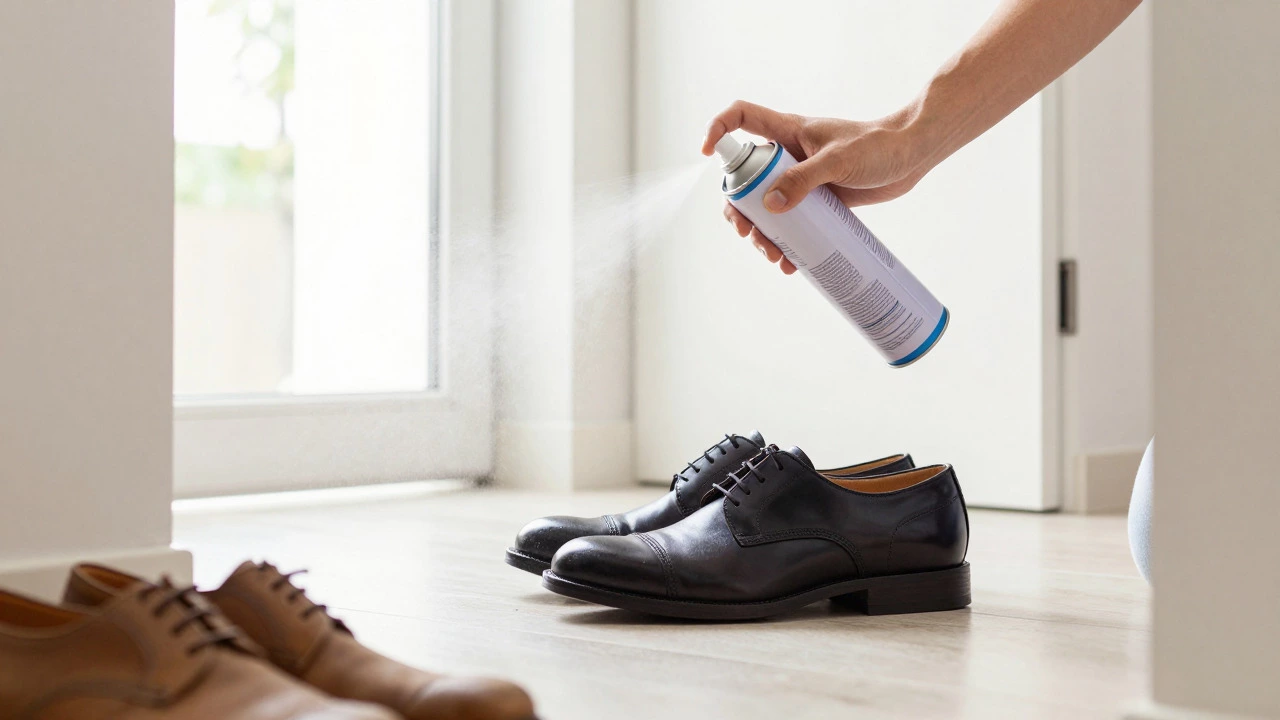
Once you decide to replace your old shoes, how you care for the new ones determines their longevity. In Ireland, consistent care is non-negotiable. Use a waterproofing spray specifically designed for leather before the first wear. Apply it in a well-ventilated area, as some sprays contain solvents. Reapply every three months or after heavy exposure to rain. Store shoes with cedar shoe trees to absorb moisture and maintain shape. Avoid keeping them in plastic bags, which trap humidity and promote mold growth, a common issue in basements or closed wardrobes in older Irish homes.
Rotate your shoes. Wearing the same pair daily prevents the leather from drying out completely between uses. Having two pairs allows each to rest for 24-48 hours, restoring its natural oils and structure. This simple habit can double the lifespan of your footwear.
Choosing the Right Replacement for Irish Conditions
When buying new shoes, prioritize features suited to local conditions. Look for full-grain leather, which is more durable and water-resistant than corrected grain. Choose soles with good tread patterns for grip on wet pavements and grassy paths. Brands known for durability in wet climates include certain European manufacturers, but local Irish makers also produce high-quality options. Ensure the fit is precise; a half-size too large will cause slipping, while too small will cause cramping. Try shoes on in the afternoon when feet are slightly swollen, mimicking real-world conditions.
Frequently Asked Questions
How often should I condition my leather shoes in Ireland?
Condition your leather shoes every 2-3 months during dry seasons and monthly during the wet winter months. Frequent conditioning keeps the leather supple and prevents cracking caused by humidity fluctuations.
Can I fix a separated sole myself?
For minor lifting, strong shoe glue can provide a temporary fix. However, for permanent repair, visit a professional cobbler. DIY fixes often fail under pressure and may damage the leather further if not done correctly.
What is the average lifespan of quality leather shoes?
With proper care, quality leather shoes can last 5-10 years. Factors like frequency of wear, climate exposure, and maintenance routines significantly impact this duration. Rotating shoes and regular conditioning extend their life considerably.
Are waterproof leather shoes necessary in Ireland?
While not strictly necessary, water-resistant treatment is highly recommended. Most leather shoes benefit from waterproofing sprays. Fully waterproof boots are better for outdoor activities, but dress shoes should be treated to handle occasional rain and damp streets.
Where can I find reliable cobblers in major Irish cities?
Major cities like Dublin, Cork, and Galway have established shoemakers and repair shops. Look for independent workshops rather than chain stores for higher quality work. Ask for recommendations from local communities or business associations for trusted professionals.