Leather Shoe Repair vs. Replace Calculator
Result
Enter details above to see if you should repair or replace your shoes.
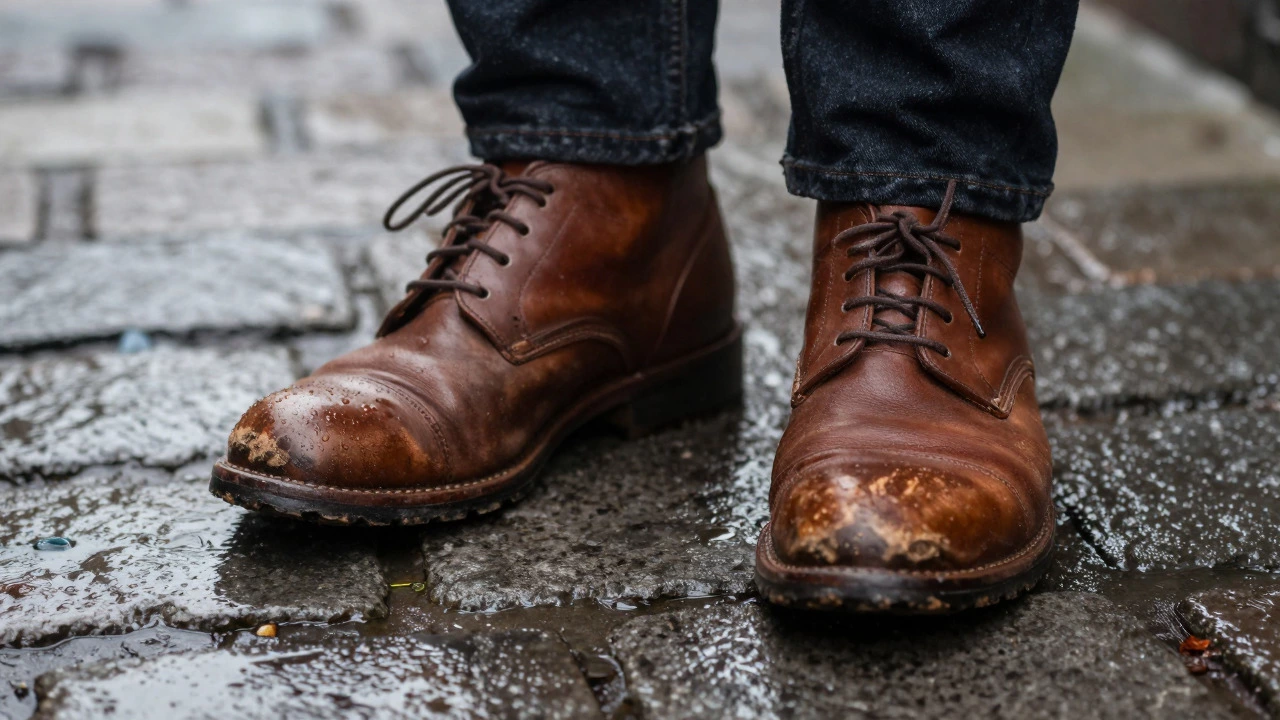
Walking the wet streets of Dublin or hiking the rugged cliffs of Moher requires reliable footwear. But how do you know when your trusty pair of leather shoes has finally had enough? In Ireland, where rain is a constant companion and cobblestones are everywhere, keeping your shoes in good shape isn't just about looking smart-it's about staying dry and comfortable. Knowing when should you throw out leather shoes can save you from blisters, bad posture, and unnecessary spending.
The Quick Signs It’s Time to Let Go
You don’t need to be a cobbler to spot the warning signs. If your soles are worn down to the point where you can feel every crack in the pavement, it’s time. Look for these clear indicators:
- Uneven wear: One side of the sole is significantly more worn than the other, which can affect your gait.
- Cracked leather: Deep cracks that go beyond surface scuffs mean the material is losing its integrity.
- Stiff or broken-down support: If the arch support feels flat or the heel counter wobbles, your feet aren’t getting the stability they need.
- Persistent odor: No amount of airing out fixes smells caused by bacteria trapped in worn-out materials.
In Ireland’s damp climate, moisture accelerates wear. A pair of shoes that might last three years in a drier country could show significant damage in eighteen months here. Don’t ignore these signs-your joints will thank you.
Why Irish Weather Makes Shoe Care Critical
Ireland’s weather is unpredictable. One minute it’s sunny in Galway, the next you’re dodging puddles in Cork. This constant exposure to rain and humidity breaks down leather faster than you’d expect. Water seeps into the pores, causing the material to swell and then shrink as it dries. Over time, this cycle leads to cracking and loss of shape.
Local brands like Clarks and Tred with Pride design their shoes with Irish conditions in mind, but even high-quality footwear needs proper care. Using a water-resistant spray regularly can extend the life of your shoes by several months. Store them away from direct heat sources like radiators, which can dry out the leather and cause brittleness.
Repair vs. Replace: Making the Right Call
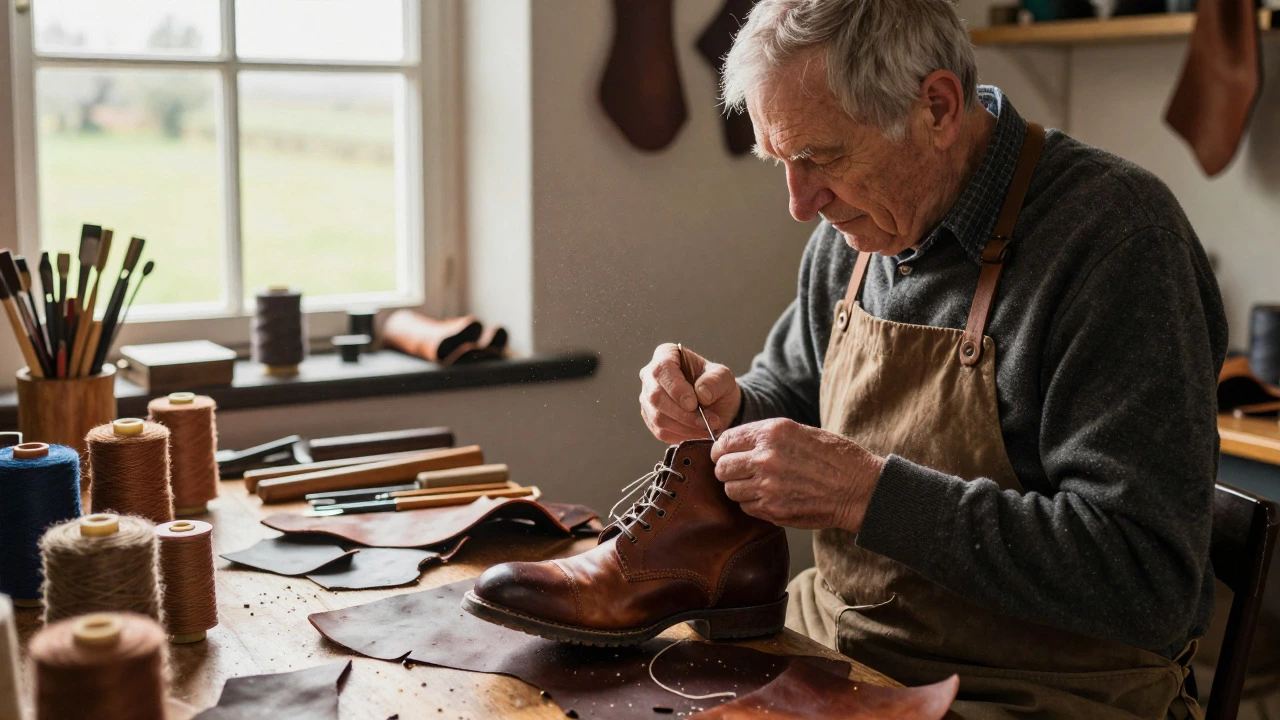
Not every scuff means it’s time to toss your shoes. Many issues can be fixed by a skilled cobbler. Here’s a quick guide to help you decide:
| Issue | Action | Estimated Cost (Ireland) |
|---|---|---|
| Worn heels | Replace heels | €15-€30 |
| Scuffed toe caps | Polish and buff | €10-€20 |
| Detached sole | Reglue or resole | €40-€80 |
| Deep cracks in upper | Replace shoes | N/A |
| Broken stitching | Re-stitch | €20-€40 |
If the repair cost exceeds half the price of a new pair, it’s usually better to buy replacements. However, for high-end boots or heritage styles, investing in repairs often makes sense. Cobblers in cities like Dublin and Belfast have decades of experience handling local brands and international labels alike.
Caring for Your Shoes in an Irish Climate
To maximize the lifespan of your leather shoes, follow these practical tips tailored to Ireland’s environment:
- Dry naturally: After walking in the rain, stuff your shoes with newspaper to absorb moisture. Never place them near a heater or radiator.
- Condition regularly: Use a leather conditioner every two to three months to keep the material supple. Brands like Saphir and Collonil are widely available in Irish department stores.
- Rotate pairs: Avoid wearing the same shoes two days in a row. This gives them time to air out and retain their shape.
- Use shoe trees: Cedar shoe trees help maintain structure and absorb odors. They’re especially useful in humid conditions.
These small habits can add years to your footwear. In Ireland, where quality craftsmanship is valued, taking care of your shoes reflects a respect for both style and sustainability.
Environmental Impact of Discarding Shoes
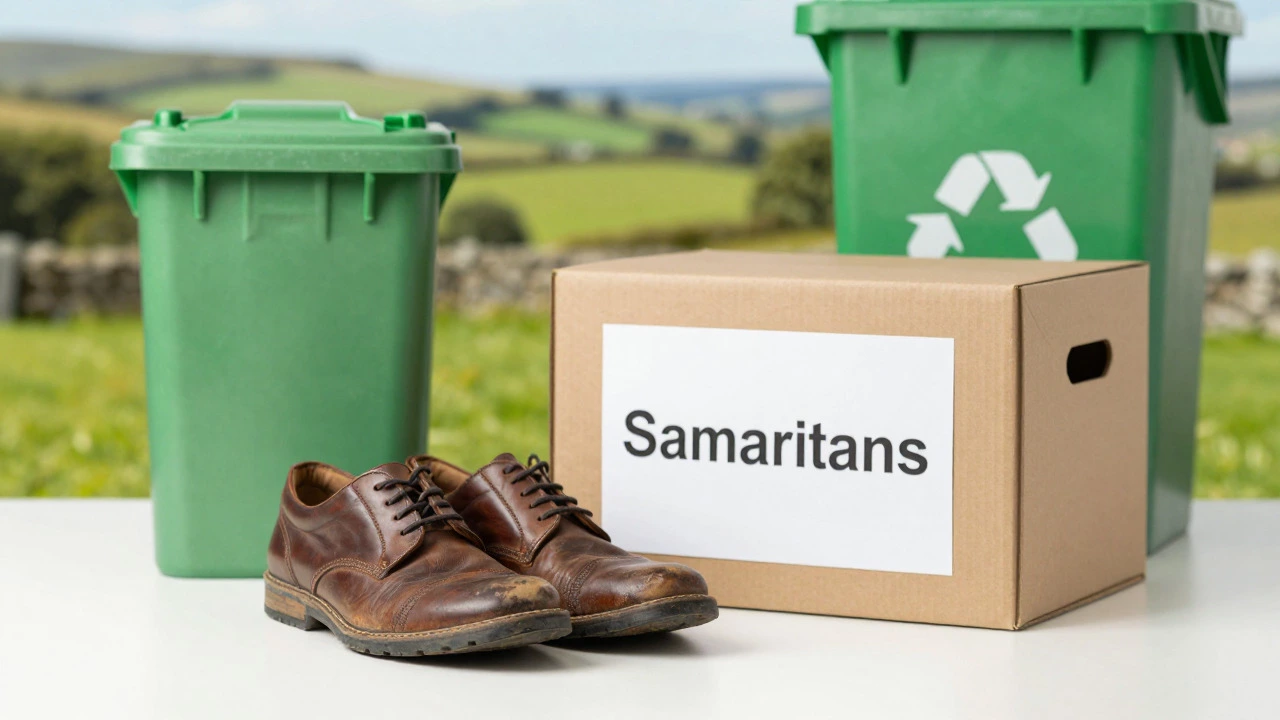
Throwing away shoes contributes to landfill waste. Leather takes years to decompose, and synthetic components release microplastics. Before tossing your old pair, consider donating them to charity shops like the Samaritans or Oxfam. Many organizations accept gently used footwear and redistribute them to those in need.
If the shoes are beyond repair, check if your local council offers textile recycling programs. Some retailers also take back old shoes for recycling. By extending the life of your footwear or disposing of it responsibly, you reduce your environmental footprint.
Choosing the Right Replacement
When it’s time to buy new shoes, look for durability and comfort. Irish consumers increasingly favor brands that offer ethical production and long-lasting materials. Local favorites include Alden and Loake, known for their sturdy construction and classic designs. For casual wear, consider waterproof options from brands like Blundstone or Danner, which handle Ireland’s wet weather well.
Investing in quality upfront saves money in the long run. Cheap shoes may look appealing, but they often fall apart within a year. Prioritize features like Goodyear welted soles, which allow for easy resoling, and full-grain leather uppers that resist abrasion.
How often should I replace my leather shoes?
With proper care, high-quality leather shoes can last five to ten years. However, frequent wearers in Ireland’s wet climate may need to replace them every two to three years. Regular maintenance extends their lifespan significantly.
Can I repair cracked leather at home?
Minor surface cracks can be treated with leather filler and conditioner. For deep cracks that compromise the structure, professional repair is recommended. Attempting DIY fixes on severe damage often worsens the issue.
Where can I find a good cobbler in Ireland?
Major cities like Dublin, Cork, and Belfast have reputable cobblers. Look for shops with positive reviews and experienced craftsmen. Word-of-mouth recommendations from locals are often the best way to find trustworthy services.
Are there eco-friendly ways to dispose of old shoes?
Yes, donate usable shoes to charity shops or use textile recycling bins provided by local councils. Some retailers also participate in shoe recycling programs, ensuring materials are repurposed rather than landfilled.
What type of leather lasts longest in Ireland?
Full-grain and top-grain leathers are the most durable. They resist water and abrasion better than corrected grain or bonded leather. Investing in higher-quality leather ensures your shoes withstand Ireland’s challenging weather conditions.