How to Tell Cheap vs Expensive Suits in Ireland: A Practical Guide
Learn how to distinguish cheap from expensive men's suits in Ireland. We break down fabric quality, construction secrets, and fit tips specific to the Irish market.
When you live in Ireland, muck boots, sturdy, waterproof footwear built for mud, rain, and long days on uneven ground. Also known as wellington boots, they’re not just for farmers—they’re the quiet hero of every Irish wardrobe, from Dublin commuters to Galway hikers. You don’t just wear them—you rely on them. And it’s not just boots. waterproof gear, jackets, trousers, and layers designed to shrug off Atlantic storms is just as vital. A good jacket isn’t about looking sharp—it’s about staying dry when the rain hits at 7 a.m. and doesn’t stop until dinner. Then there’s outdoor clothing Ireland, practical, durable apparel made for cold winds, muddy paths, and unpredictable sunbreaks. It’s not fashion-first. It’s function-first.
These aren’t trends. They’re survival tools. The posts here aren’t about what’s trending in London or New York. They’re about what works when your shoes fill with water, your jeans shrink in the dryer, or your feet ache after standing all day in a hospital. You’ll find real talk on why Crocs are everywhere in Irish hospitals, why runners are the local name for trainers, and why Thursday boots fit just right on cobblestones. No fluff. No hype. Just gear that gets the job done.
Below, you’ll find honest guides on boots, jackets, jeans, and more—everything you need to step out in Ireland without thinking twice about the weather.
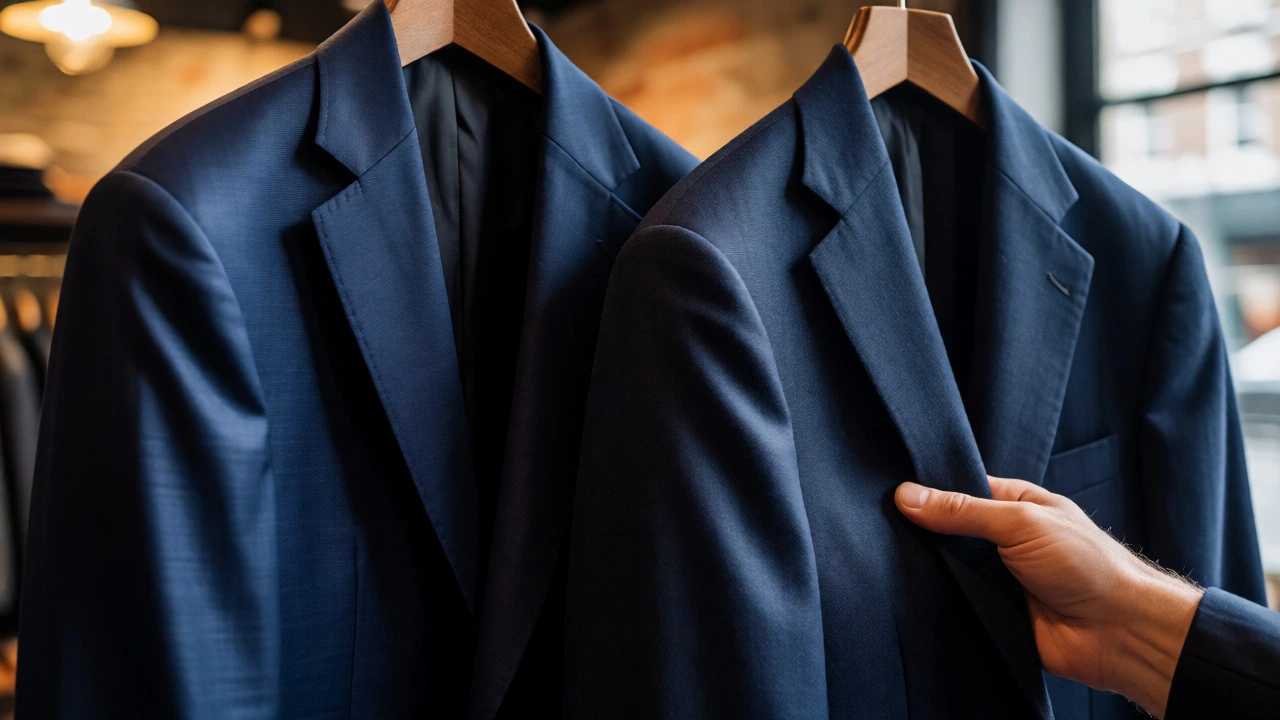
Learn how to distinguish cheap from expensive men's suits in Ireland. We break down fabric quality, construction secrets, and fit tips specific to the Irish market.

Struggling with pinching boots? Learn what defines a wide foot for women in Ireland, how to measure correctly, and where to find stylish wide-fit footwear locally.

Discover why hoodies remain popular in Ireland's warm weather. Explore psychological comfort, breathable fabrics, and practical tips for staying cool while maintaining style.

Discover why bunny suits are trending in Ireland. Learn about comfort, weather suitability, and where to buy them in Dublin.

Struggling with foot pain after long shifts? Discover the best work shoes for 12-hour shifts in Ireland, covering healthcare, retail, and industrial needs.

Learn how to effectively negotiate suit prices in Ireland. Discover which retailers allow haggling, the best times to buy, and practical tips for securing deals.
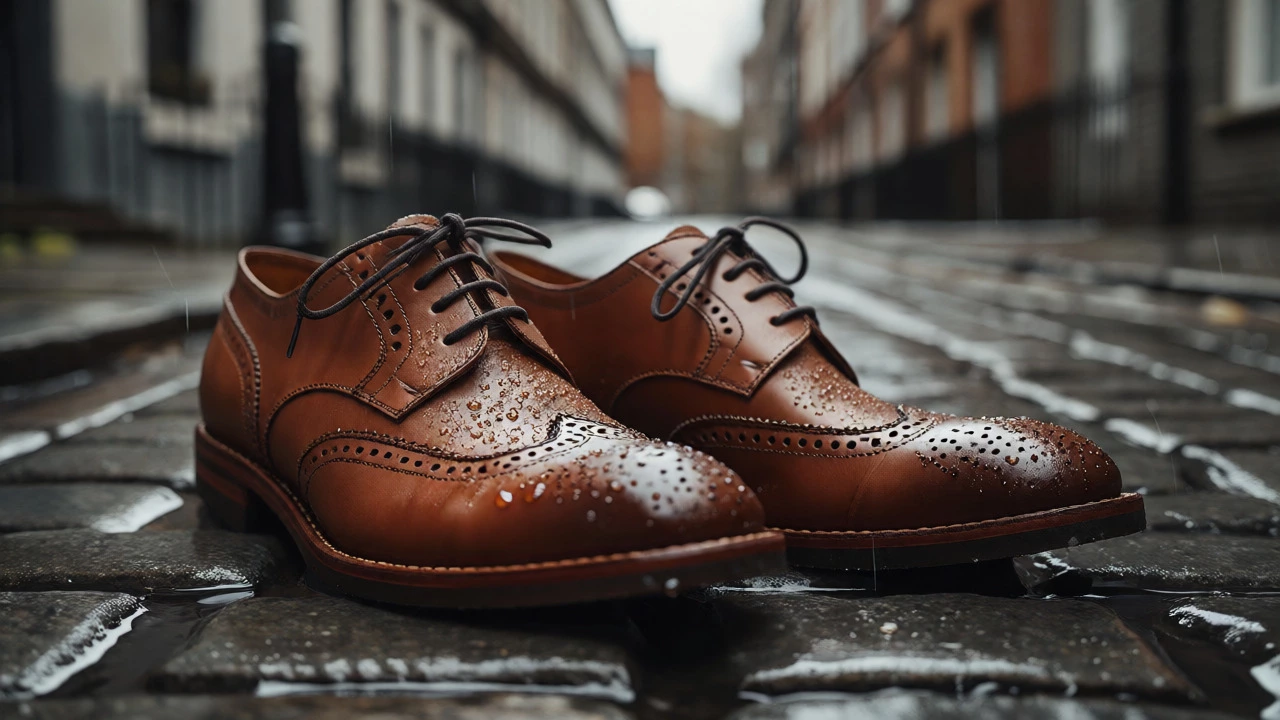
Discover how long leather shoes truly last in Ireland's damp climate. Learn why construction type matters, how to prevent salt damage, and when to resole instead of replace.
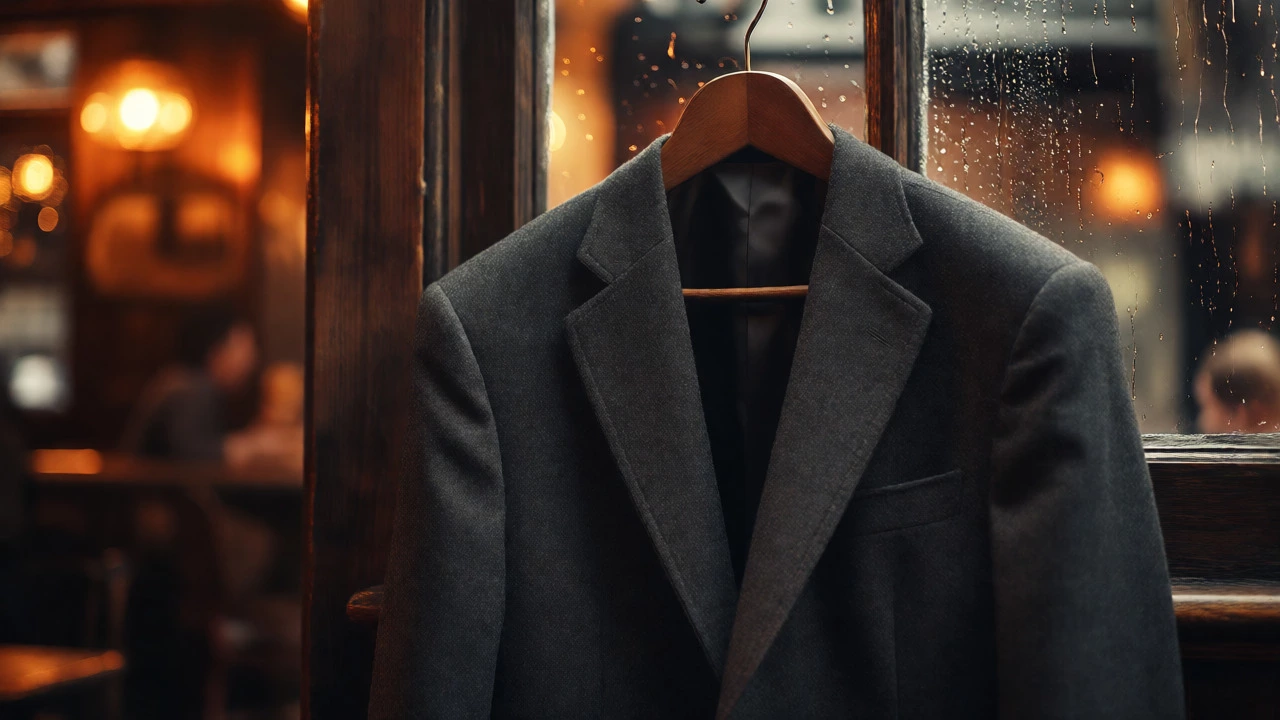
Discover the right frequency for washing your suit in Ireland's climate. Learn why airing out beats dry cleaning, how to handle rain damage, and proper storage tips to extend your tailoring's life.
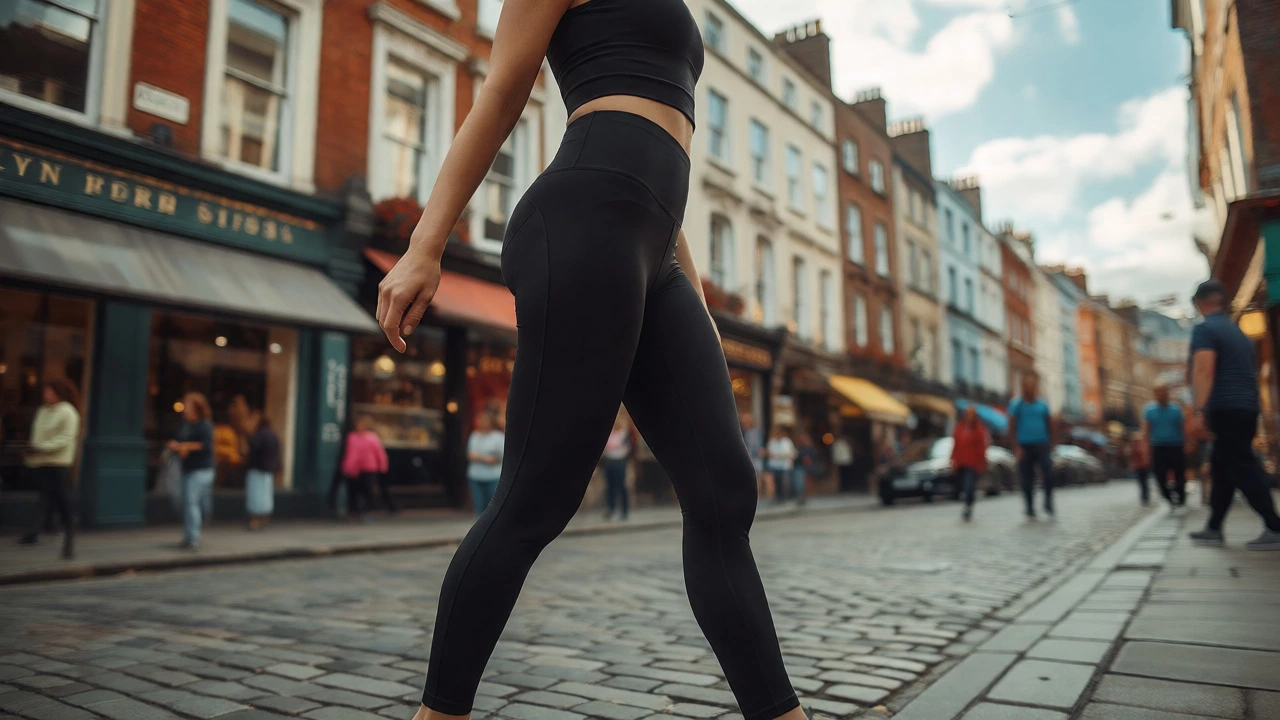
Discover the true meaning behind the Lululemon brand name, debunking the acronym myth. Learn how this Canadian sportswear giant stands for technical innovation and community, and explore its growing presence in the Irish market.
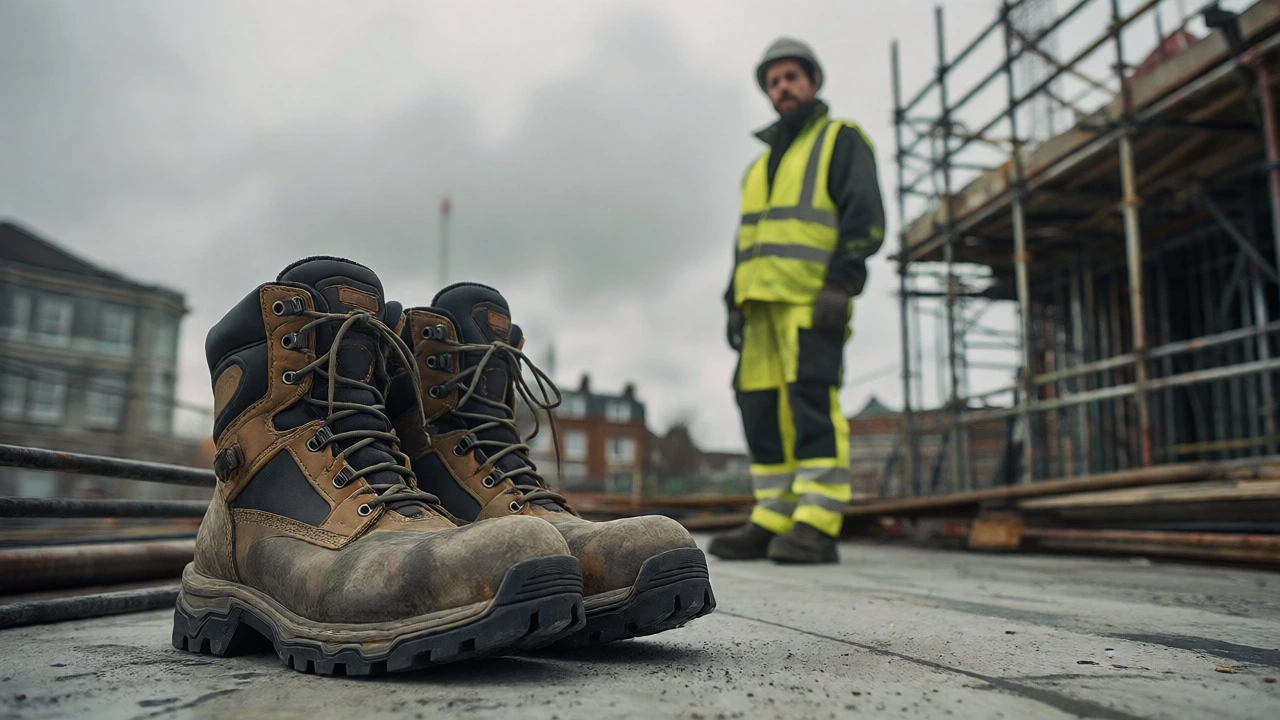
Confused about who pays for work shoes in Ireland? We break down Irish labor laws, PPE regulations, and tax rules to help you know your rights.
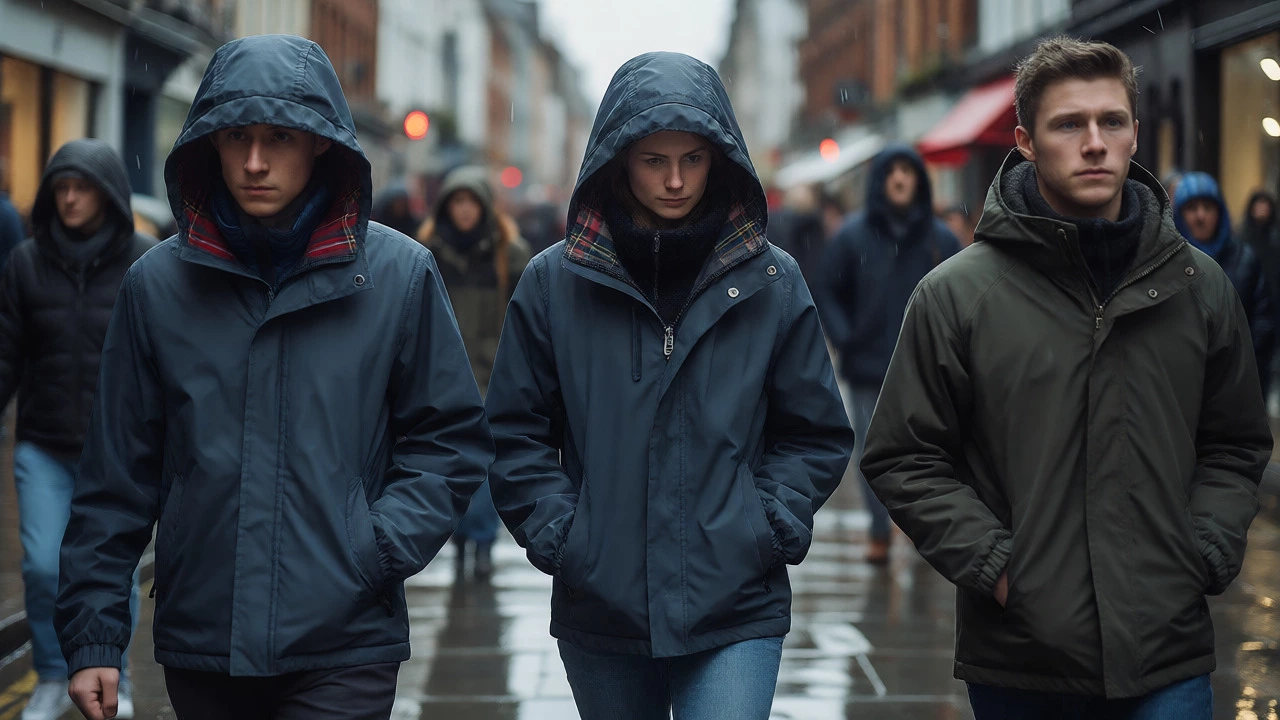
Discover what a jacket without buttons is called, from Harringtons to anoraks. Learn why buttonless designs dominate Irish outerwear and how to choose the right one for our wet, windy climate.

Discover what brand Bill Gates really wears. From viral t-shirts to sustainable picks, learn how to copy his casual style affordably in Ireland.