Irish Shoe Suitability Calculator
Find your perfect walking shoe for Ireland's weather and terrain. Based on the article, walking shoes dominate Irish footwear due to rain, uneven paths, and all-weather durability needs.
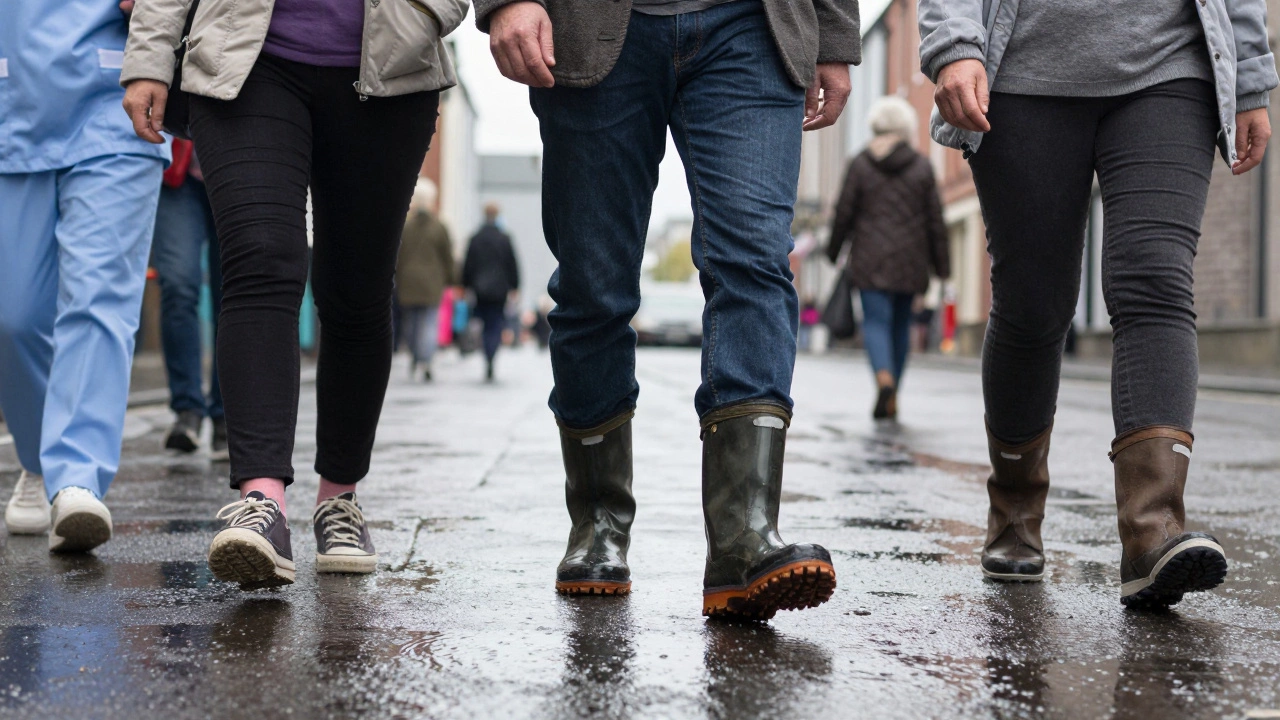
In Ireland, the most worn shoe type isn’t the trendiest sneaker, the flashiest boot, or even the most expensive trainer-it’s the walking shoe. Whether you’re in Galway’s rainy streets, Cork’s cobbled lanes, or the misty trails of the Burren, the shoe that dominates Irish wardrobes is built for durability, grip, and all-weather comfort. Forget what you see on fashion runways-Irish daily life runs on practicality, and that’s why a sturdy, waterproof walking shoe is the undisputed champion.
Why Walking Shoes Rule Irish Streets
Ireland’s weather doesn’t wait for you to be ready. One minute it’s dry enough to forget your coat; the next, a sudden downpour soaks your socks in under 30 seconds. The Irish don’t just tolerate this-they adapt. And that’s why walking shoes, not running trainers or fashion boots, became the default choice. Brands like Clarks a British brand with deep roots in Irish retail, known for cushioned soles and water-resistant leather, Geox a brand popular in Irish supermarkets for breathable, waterproof designs, and local favourites like Claddagh Footwear an Irish-made brand combining traditional design with modern comfort dominate sales in Dunnes Stores, Penneys, and independent shoe shops from Limerick to Letterkenny.It’s not just about rain. Ireland’s terrain is unforgiving. Pavements crack, paths turn to mud after a weekend of rain, and even city sidewalks in Dublin 8 or Belfast Road in Derry can be uneven. A flat, grippy sole with arch support isn’t a luxury-it’s a necessity. Walk through any Irish town on a Tuesday morning, and you’ll see teachers, nurses, shopkeepers, and retirees all wearing the same thing: a low-cut, lace-up walking shoe with a rubber outsole that can handle wet grass, stone steps, and slush.
The Irish Shoe Routine
Most Irish households have a shoe rotation. You’ve got your indoor slippers, your weekend boots for hikes in the Wicklow Mountains, and then-the daily driver. For over 60% of adults in Ireland, that daily driver is a walking shoe. A 2025 survey by the Irish Retail Federation found that 7 in 10 people bought at least one pair of walking shoes in the past year, more than any other category. Why? Because they’re worn everywhere: to the post office, the local pub, the school run, the bus stop, and yes-even to the gym.There’s a cultural unspoken rule: if you’re going to be outside for more than 15 minutes, you wear something that won’t let water in. That’s why you rarely see someone in Ireland walking barefoot in trainers, even in summer. Even on sunny days in Killarney or on the Giant’s Causeway, you’ll notice people with socks pulled up, laces tied tight, and soles that grip like a barnacle on a rock.
What Makes a Walking Shoe Irish?
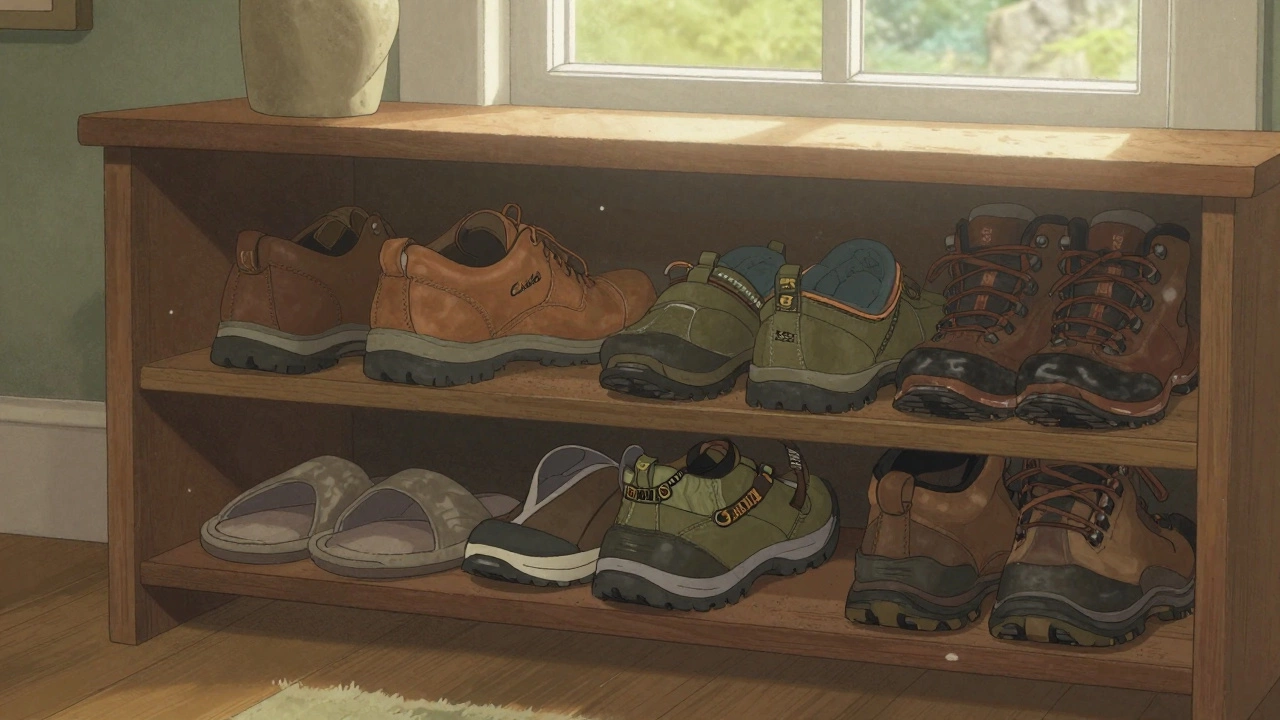
Not all walking shoes are created equal. The ones that thrive here have specific traits:- Waterproof membranes-Gore-Tex or similar tech is non-negotiable. Brands like Merrell a US brand widely available in Ireland, known for rugged, breathable hiking-style walking shoes and Clarks with their Desert Trek line lead here.
- Non-slip soles-The Irish don’t care about flashy tread patterns. They care about grip on wet stone, wet tarmac, and wet grass. Look for deep lugs and rubber compounds designed for wet conditions.
- Lightweight cushioning-Irish people walk. A lot. From the 10km Dublin City Marathon to the daily trip to the corner shop in Sligo, your shoes need to last 8-10 hours without crushing your feet.
- Easy to clean-Mud is part of life here. Shoes that wipe clean with a damp cloth win. Leather or synthetic uppers that don’t absorb water are preferred over fabric.
Brands like Birkenstock popular in Ireland for their contoured footbeds and durability and Rockport a go-to for Irish professionals who walk to work in cities like Galway and Waterford have seen steady growth because they meet these needs.
What’s Not Worn (And Why)
You won’t see many people in Ireland wearing:- Running trainers-They’re too soft, lack ankle support, and don’t grip well on wet surfaces. They’re for the gym, not the street.
- High heels-Even in Dublin’s city centre, women over 30 rarely wear them daily. The terrain and weather make them impractical.
- Slip-on loafers-Too easy to soak through. You’ll find them in offices, but rarely on the street after 8am.
- Canvas sneakers-They’re cute, but they don’t survive an Irish spring. One rainy week and they’re ruined.
Even fashion-forward teens in Limerick or students in Trinity College know better. They might wear stylish trainers for a night out, but their daily go-to? A pair of Clarks Unstructured a popular model among Irish teens for its casual look and all-weather durability or Geox Uaia a waterproof, breathable model sold widely in Irish chain stores.
The Irish Shoe Economy
The Irish footwear market is worth over €380 million annually, with walking shoes making up nearly 35% of sales. That’s more than boots, more than sandals, more than fashion sneakers. Independent shoe shops in towns like Ennis, Tralee, and Drogheda still thrive because they stock the right thing: shoes that work. You won’t find a single shoe store in Ireland that doesn’t carry at least three models of walking shoes.Even online, the top-selling footwear category on Irish sites like Boots.ie a major Irish health and beauty retailer with a strong footwear section and Shoezone.ie a leading Irish footwear e-commerce platform is walking shoes. The top search terms? "Waterproof walking shoes for women," "best walking shoes for men over 50," "non-slip shoes for wet floors." Not "trendy trainers" or "limited edition sneakers."
What to Look for When Buying in Ireland
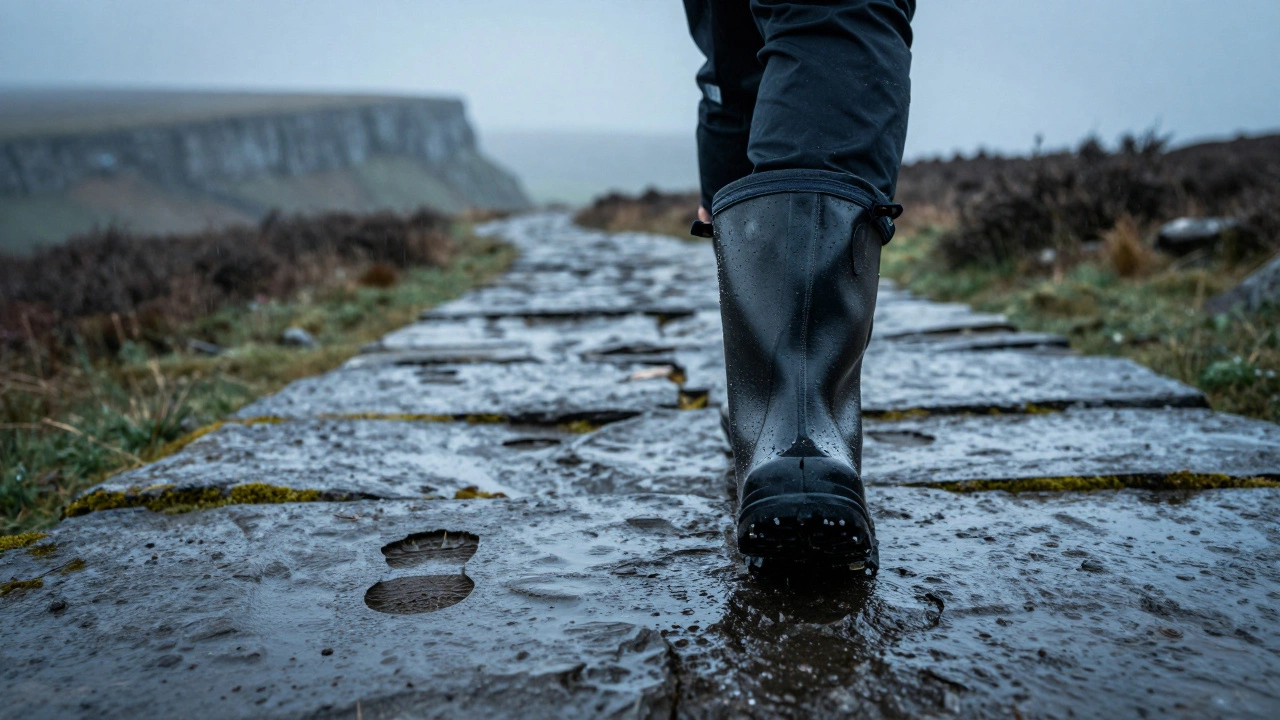
If you’re new to Ireland or just moving here, here’s what to do:- Visit a local shoe shop-not a mall kiosk. Places like Shoe Emporium a Dublin-based chain with expert fitters in Dundrum or Foot Solutions a Cork-based specialist with gait analysis offer free fittings.
- Ask for shoes with a warranty against water damage. Most reputable Irish brands offer this.
- Test the sole on a wet tile. If it slides, walk away.
- Look for a wide toe box. Irish feet are often broader than average, and tight shoes lead to blisters on long walks.
- Buy two pairs. One for daily wear, one for weekends. The average Irish person replaces their walking shoes every 8-10 months.
The Cultural Footprint
There’s a quiet pride in wearing something that works. In Ireland, your shoes don’t say "I’m trendy." They say, "I’ve been out in the rain, walked the cliffs of Moher, carried groceries home, and still made it to Mass on Sunday." Walking shoes are part of the Irish fabric-not because they’re fashionable, but because they’re faithful.Next time you’re in Galway on a Thursday afternoon, look at the feet of the people waiting for the bus. You’ll see the same thing, over and over: a sturdy, well-worn walking shoe. That’s not coincidence. That’s culture.
What is the most worn shoe type in Ireland?
The most worn shoe type in Ireland is the waterproof walking shoe. It’s worn daily by people of all ages-from students to retirees-because it handles rain, uneven pavements, and muddy paths better than any other style. Brands like Clarks, Geox, and Claddagh Footwear dominate sales due to their durability and grip.
Why don’t Irish people wear running trainers every day?
Running trainers are designed for smooth surfaces and forward motion, not Ireland’s wet, uneven sidewalks and grassy paths. They lack ankle support, water resistance, and grip needed for daily Irish conditions. Most Irish people reserve them for the gym, not the street.
Are boots more common than walking shoes in Ireland?
Boots are popular in winter and for outdoor activities like hiking in the Wicklow Mountains or Donegal, but they’re not worn daily by most people. Walking shoes are lighter, easier to slip on, and work just as well in rain. They’re the go-to for commuting, shopping, and school runs.
Which brands are most popular for walking shoes in Ireland?
Clarks, Geox, Merrell, and Claddagh Footwear are the top brands. Clarks is the most widely available, found in Dunnes Stores, Penneys, and independent shops. Geox is known for breathable waterproof tech. Claddagh Footwear is an Irish-made option with traditional design and modern comfort.
Where should I buy walking shoes in Ireland?
For the best fit and advice, visit local shoe specialists like Foot Solutions in Cork or Shoe Emporium in Dublin. For convenience, chain stores like Dunnes Stores, Penneys, and Boots.ie offer reliable options. Avoid buying online without trying them on-Irish foot shapes vary, and fit matters more than style.
Do Irish people wear walking shoes in summer?
Yes. Even in summer, rain is common. Many Irish people wear lightweight walking shoes year-round. They’re breathable, quick-drying, and more practical than sandals or flip-flops, which are rarely worn outside of beaches or holiday resorts.