Is a $200 Suit Worth It? Budget Tailoring Guide for Men in Ireland
Is a $200 suit actually worth it for men in Ireland? Learn how to spot quality fabrics, the importance of local tailoring in Dublin, and how to look expensive on a budget.
When you buy a suit, a tailored outfit worn for formal or professional occasions, often made of wool or blended fabrics. Also known as business attire, it’s not just about looking sharp—it’s about fitting into Ireland’s weather, culture, and unspoken rules of style. A suit here isn’t a weekend luxury. It’s something you wear to a funeral in Cork, a job interview in Dublin, or a wedding in Galway. And if you get it wrong, people notice.
The real difference between a good suit and a great one isn’t the brand. It’s the fit, how the jacket and trousers sit on your body, especially across the shoulders and waist. A suit that’s too loose looks sloppy. One that’s too tight looks like you’re trying too hard. Irish tailors know this. They don’t just measure you—they watch how you move. Then they adjust. That’s why so many men in Ireland skip the big chain stores and go straight to local tailors on Grafton Street, or quiet shops in Limerick and Cork. And it’s not just about the cut. The fabric, the material the suit is made from, often wool, tweed, or blends suited to damp climates. matters just as much. You don’t want a shiny, lightweight suit that wrinkles in the rain. You want something that holds its shape, breathes, and lasts. Wool blends with a bit of elastane are popular here—not because they’re trendy, but because they survive the commute from the bus stop to the office.
And then there’s colour. In Ireland, you don’t wear a bright blue suit to a funeral. You don’t wear a charcoal grey to a summer wedding unless you know the rules. The suit colours, the standard hues chosen for suits based on occasion, season, and cultural norms in Ireland. are quiet but strict. Navy, charcoal, and medium grey are the backbone. Black? Only for funerals or very formal events. Beige? Almost never. The best Irish men don’t chase trends. They build a small, smart collection—five suits max—that covers every real-life situation. That’s the 5 suit rule, and it works because it’s practical, not flashy.
People ask if expensive suits look better. The answer isn’t yes or no. It’s about what you’re paying for. Is it the fabric? The stitching? The hand-laid lining? Or just a label? In Ireland, you learn to look past the price tag. You check the lapel roll, the buttonholes, the way the jacket moves when you raise your arm. You ask where it was made—not what country, but who made it. A suit from a Dublin tailor might cost more than one from a big retailer, but it’ll last twice as long and fit like it was made for you. And that’s worth more than a discount.
What you’ll find below isn’t a list of the best suits in Ireland. It’s a collection of real conversations Irish men are having about what works, what doesn’t, and why. From shiny suits that look cheap to the hidden signs of quality, from how much you should actually spend to which colours belong in your wardrobe—you’ll find answers that don’t come from magazines. These are the truths people learn after wearing the same suit to three funerals, two weddings, and a job interview all in one month.
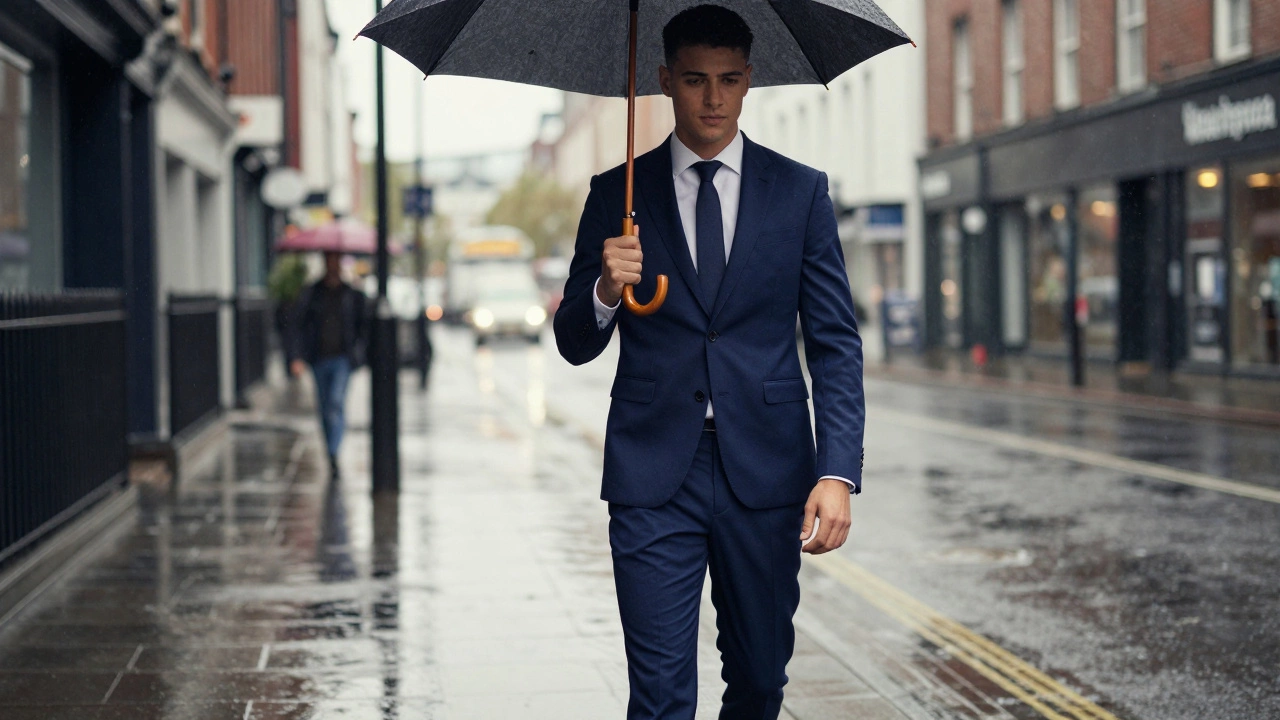
Is a $200 suit actually worth it for men in Ireland? Learn how to spot quality fabrics, the importance of local tailoring in Dublin, and how to look expensive on a budget.
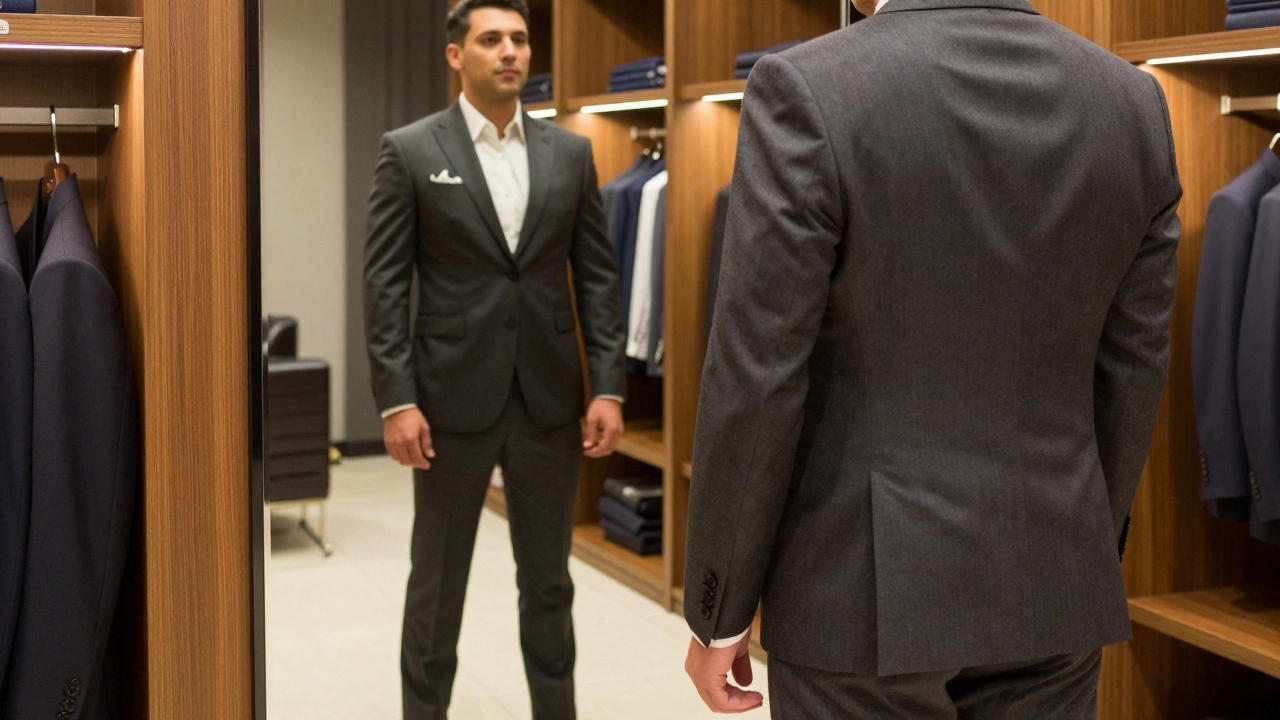
Find out exactly how larger men in Ireland can successfully wear slim-fit suits without discomfort. This guide covers fit types, Dublin shopping spots, tailoring tips, and styling tricks for the local market.
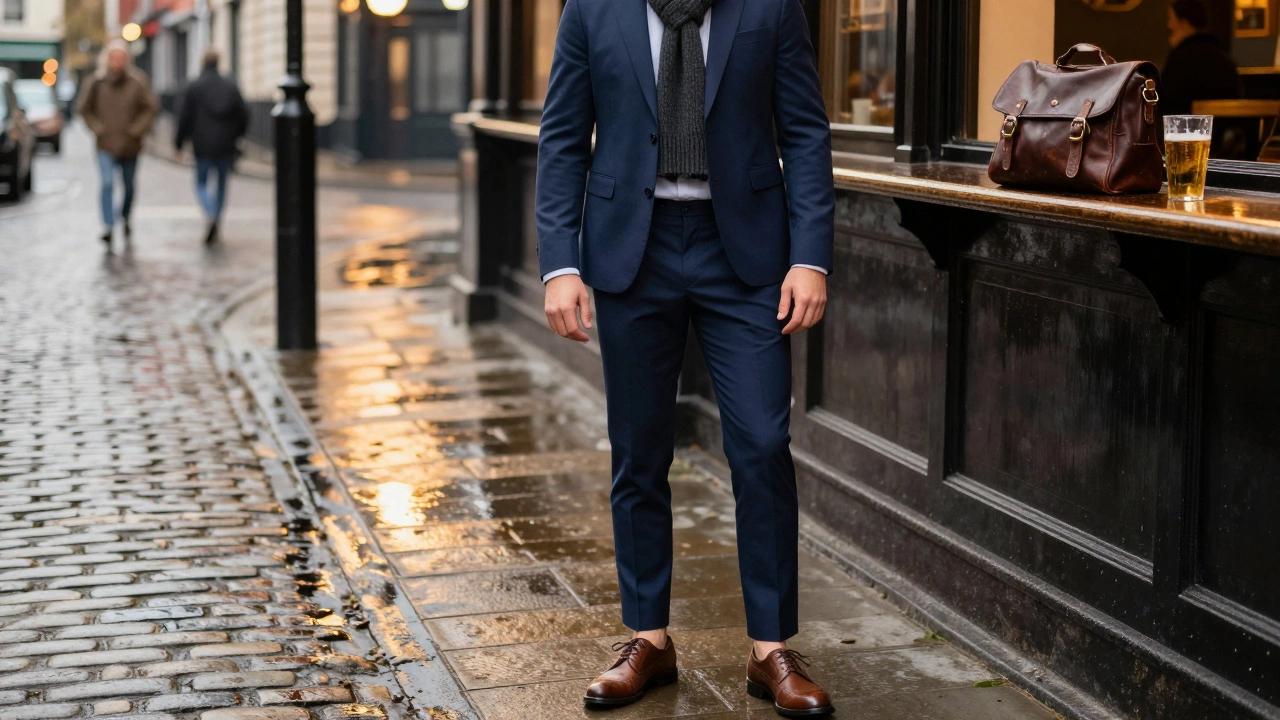
In Ireland, a cheap suit can look sharp with the right fit, fabric, and styling. Discover where to buy budget suits, how to tailor them locally, and what works best for Irish weather and events.
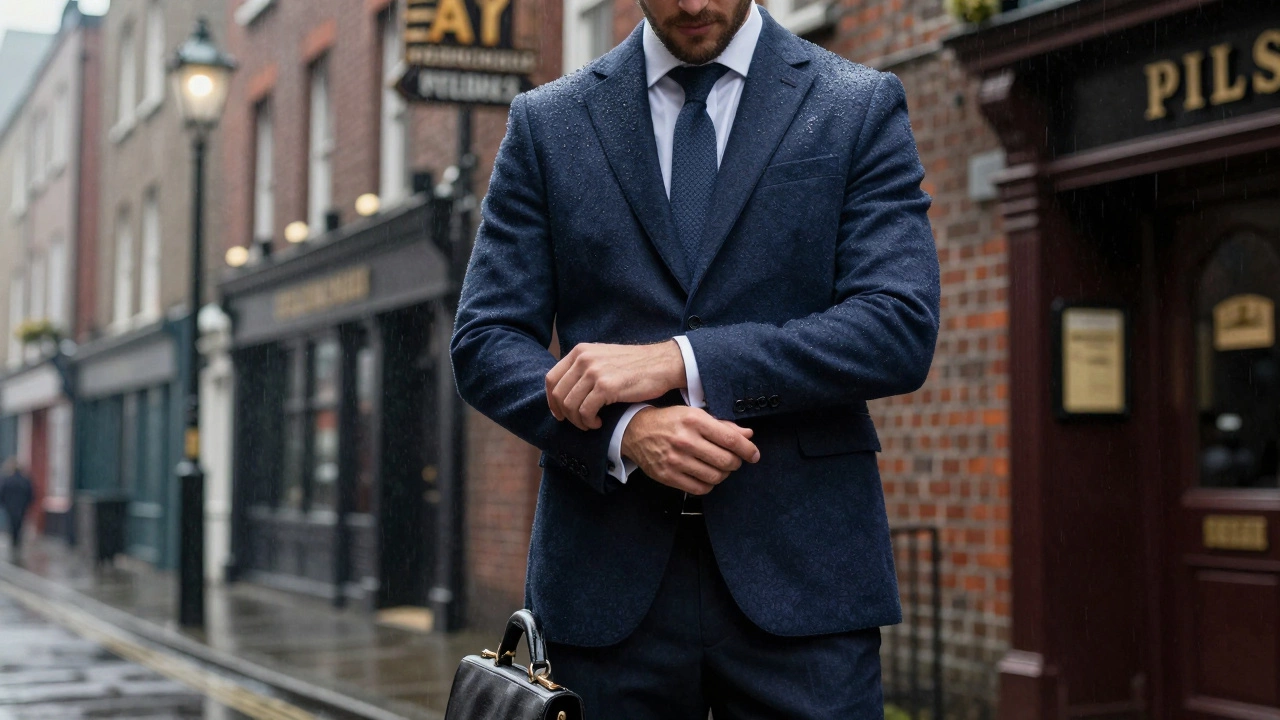
Find out what a good suit price looks like in Ireland, from budget buys to bespoke tailoring, with local brands, weather tips, and where to shop in Dublin, Cork, and beyond.
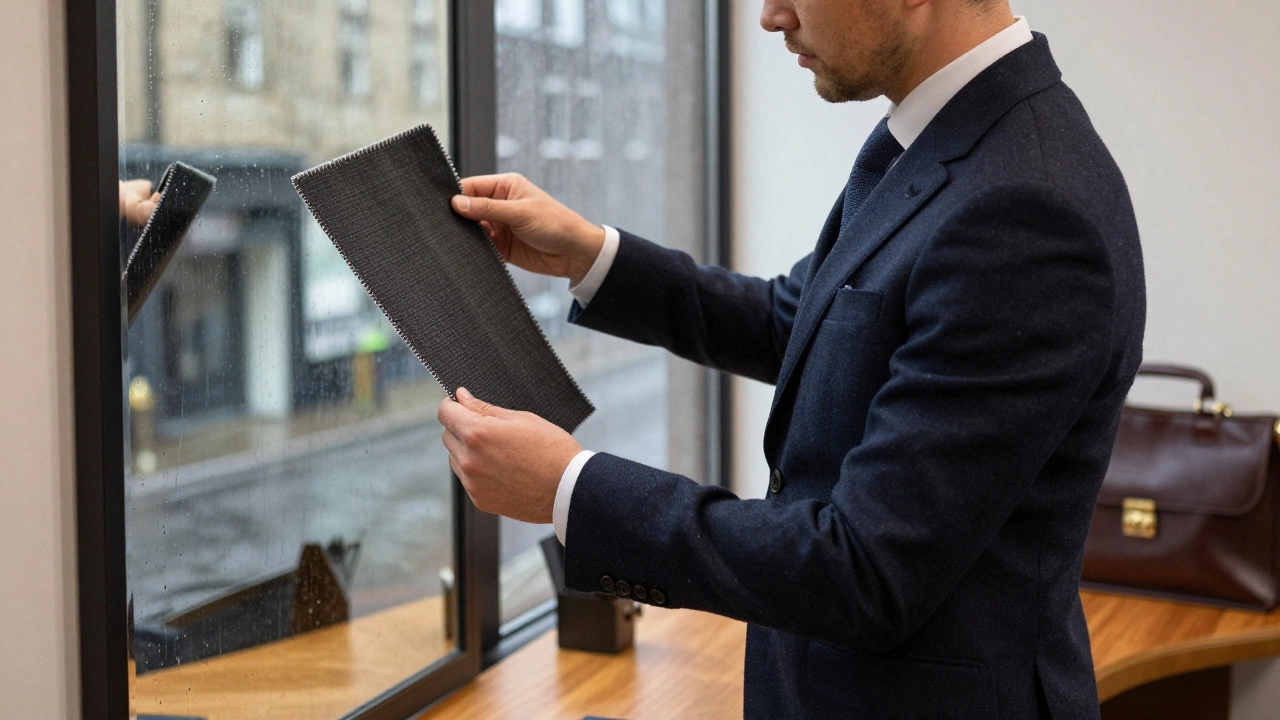
Learn how to identify a high-quality suit in Ireland with practical tips on wool, stitching, fit, and local tailors. Avoid cheap imitations and invest in a suit that lasts through Irish weather and occasions.
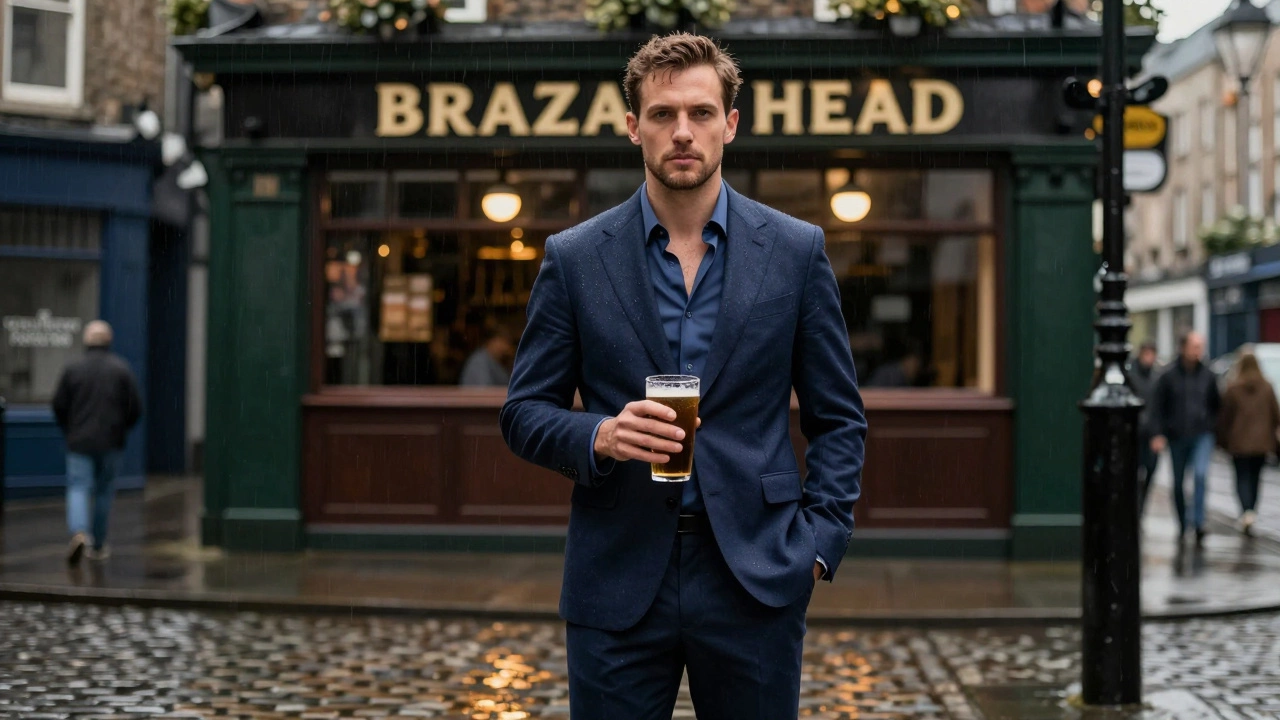
In Ireland, the suit-with-or-without-tie debate isn’t about fashion rules-it’s about weather, culture, and confidence. Learn when to tie up and when to let loose, from Dublin pubs to Galway weddings.
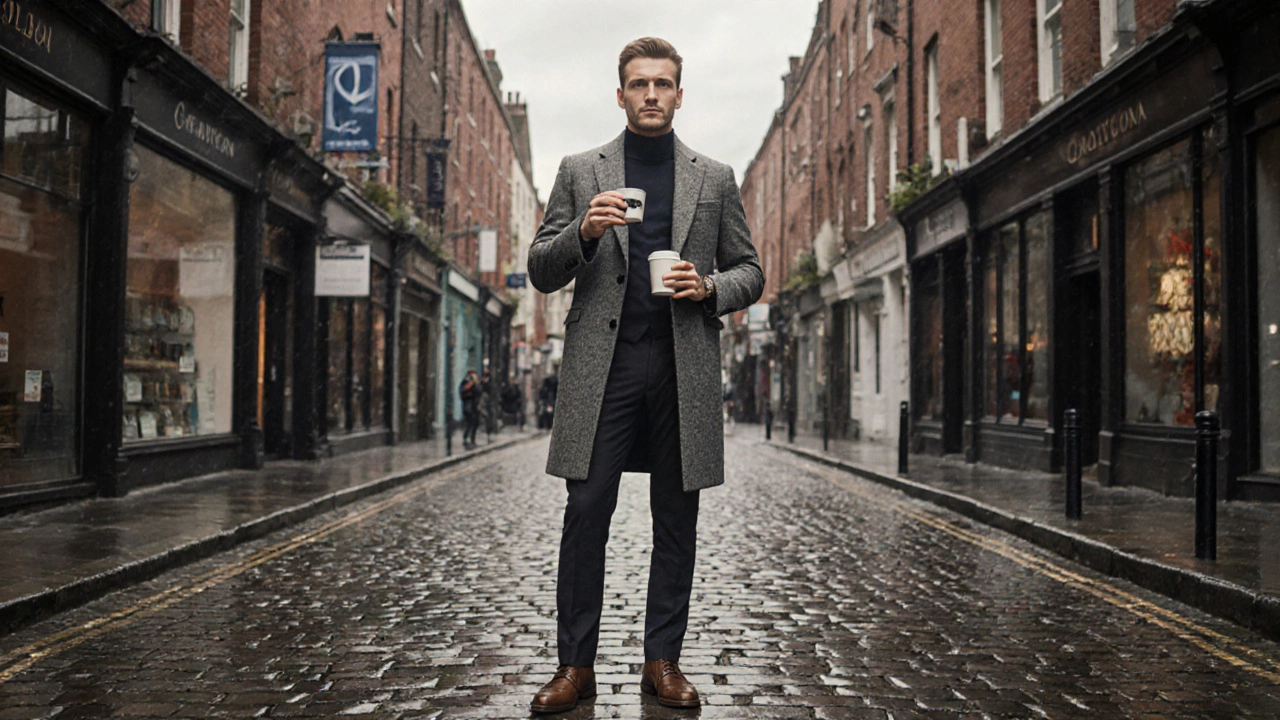
In Ireland, a grey suit is more than fashion-it’s practical, respectful, and quietly confident. Learn how Irish men wear it for weddings, funerals, interviews, and everyday life with local tips and brands.
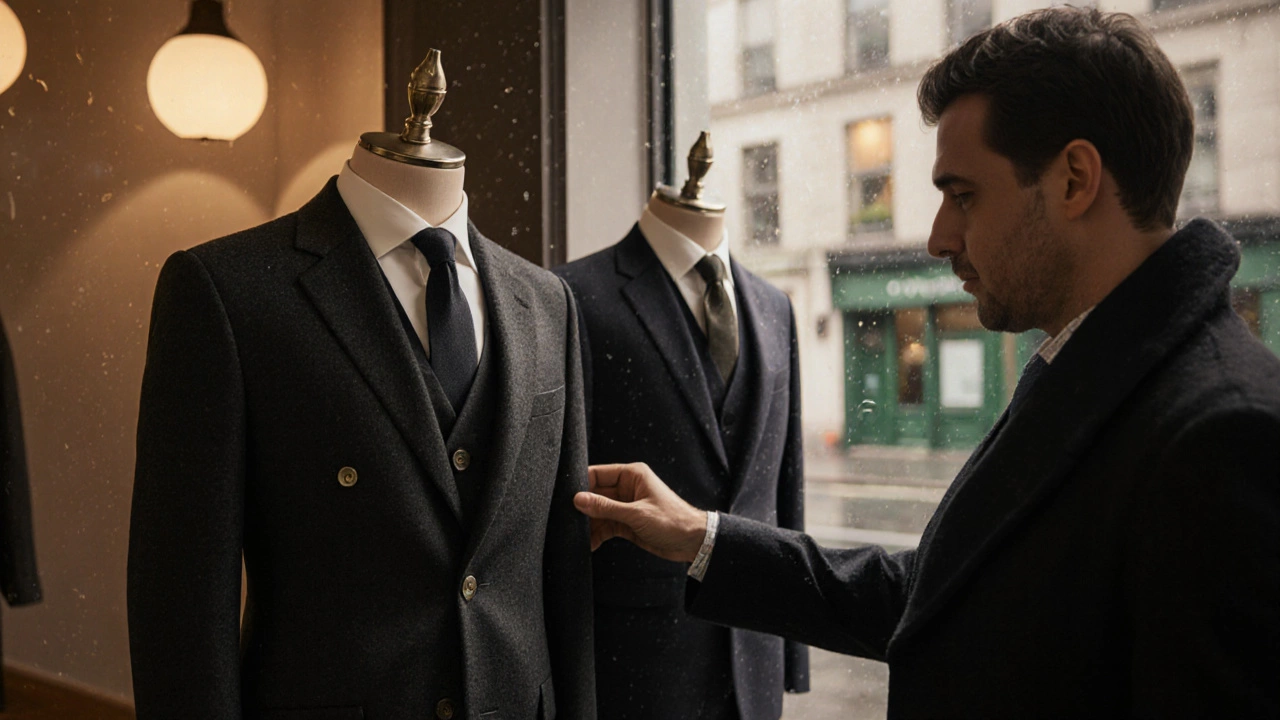
Find out if pricey suits truly look better for Irish men. Explore fabric, fit, tailors in Dublin and compare cost versus lasting style.
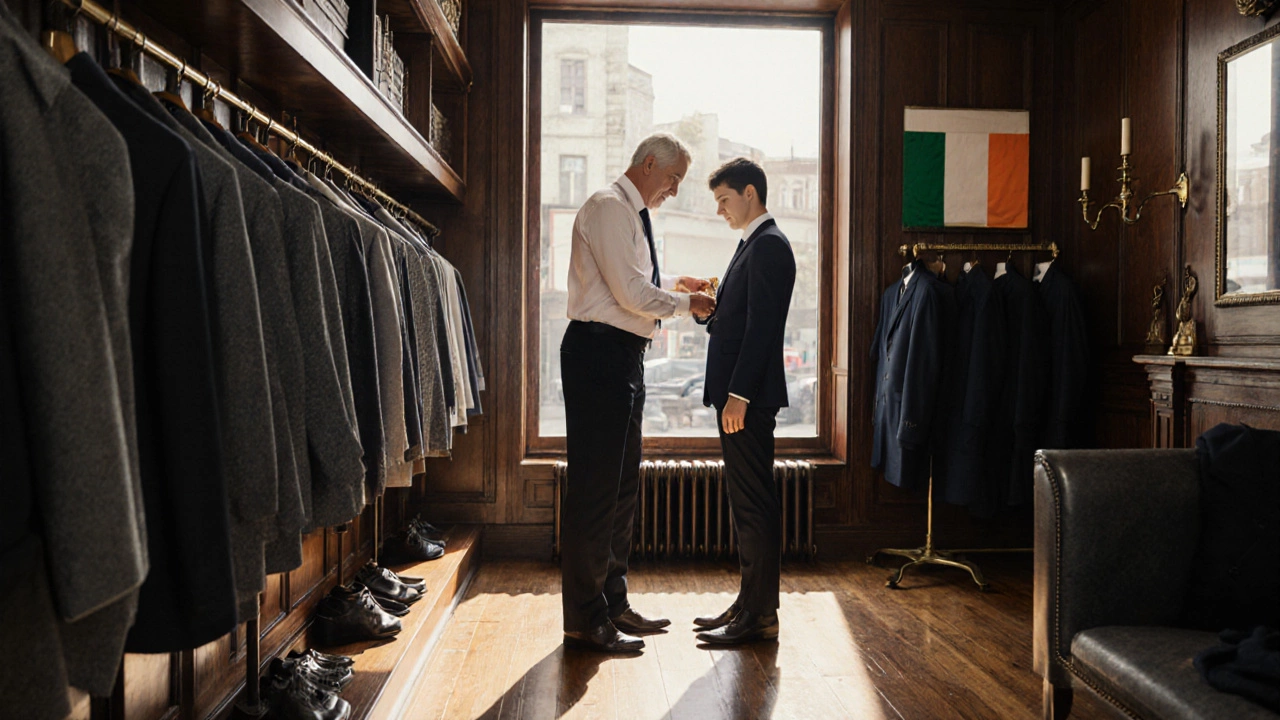
Explore the pros and cons of hand‑sewn vs machine‑sewn suits for Irish shoppers, covering fit, durability, cost, fabrics, and local tailoring options.

Wondering how much to spend on a fitted suit in Ireland? Get real Irish prices, smart tips, and advice for finding suits in Dublin, Cork, Galway, Limerick, and more.

Unlock the secrets behind the 5 basic suit colours for Ireland’s men. Discover when and where each style fits, plus get practical shopping tips for Ireland.
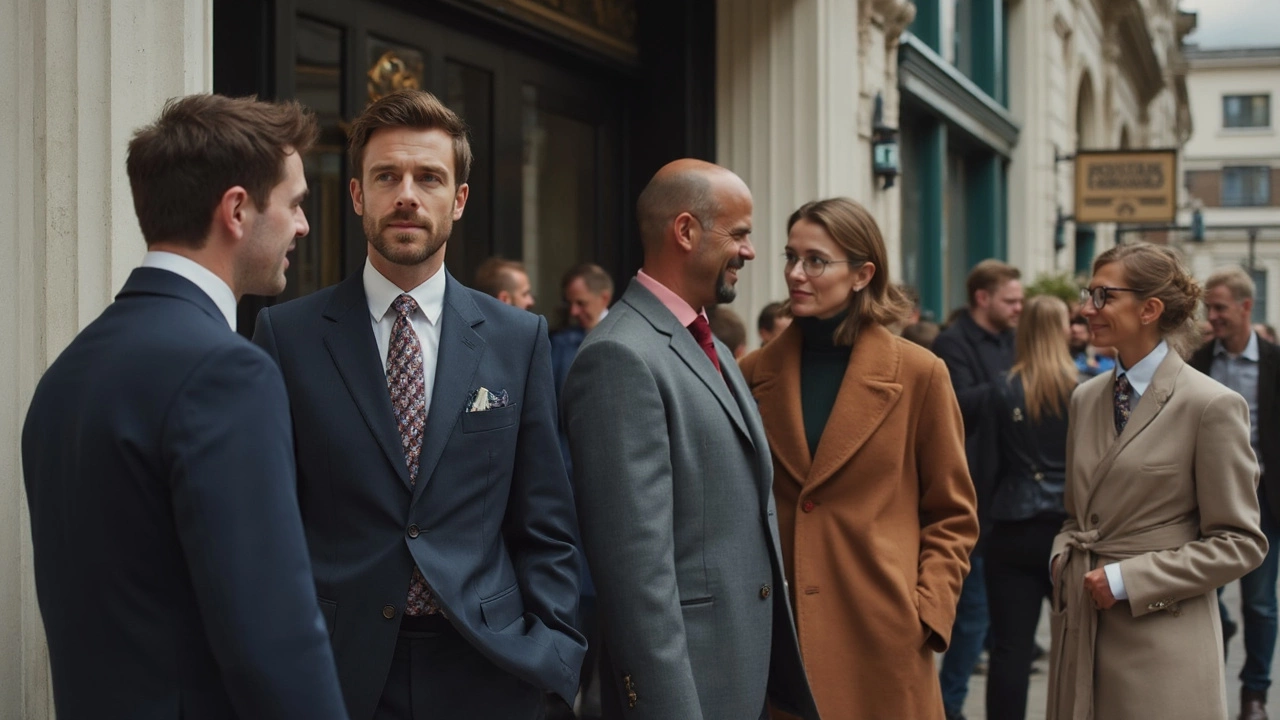
Curious if shiny suits give off a cheap vibe in Ireland? This article unpacks how shiny fabrics are seen across the Irish market, from Cork to Dublin. We dive into the cultural side, when—and when not—to wear gloss, and what the locals really think. There’s also straight-talking advice on how to style a suit so you look sharp, not tacky. If you want your suit to wow at Irish weddings, interviews, or nights out, this guide helps you get it right.