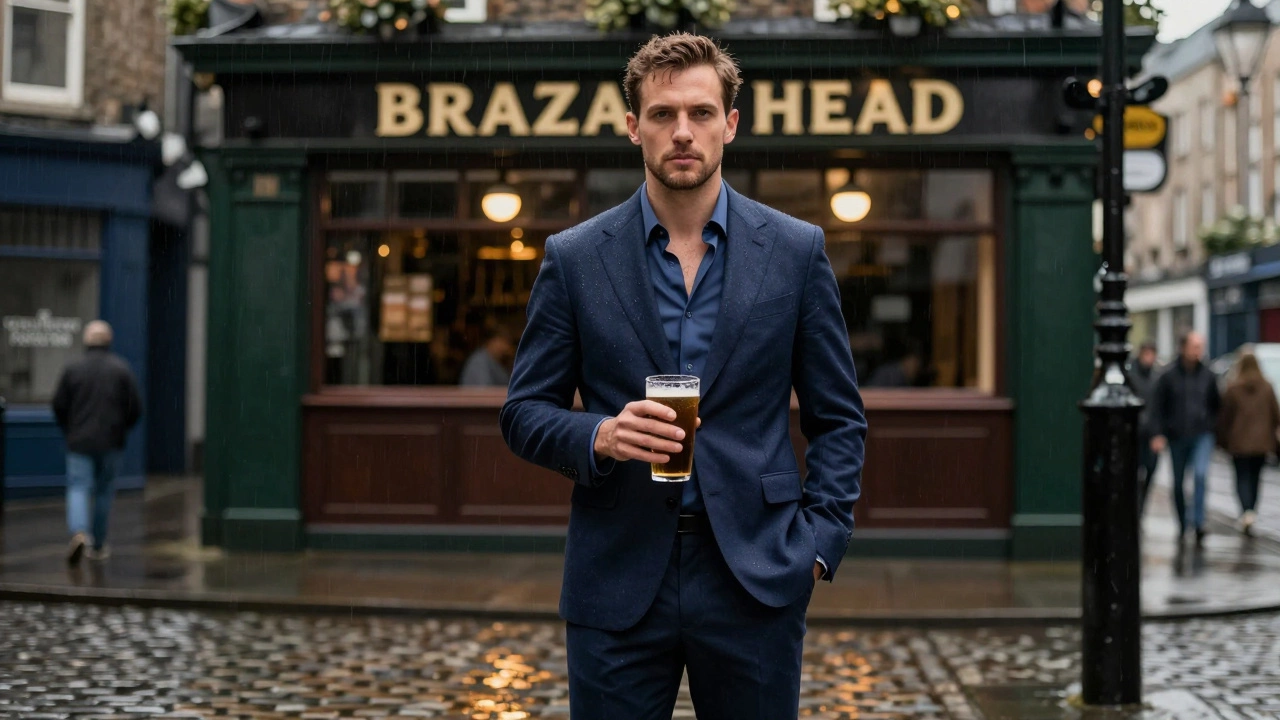
When you walk into a pub in Galway after a long day, or step off the train at Heuston Station in Dublin, you notice something: the way Irish men wear suits isn’t dictated by rulebooks from Milan or New York. It’s shaped by weather, rhythm, and quiet rebellion. In Ireland, the question of whether a suit looks better with or without a tie isn’t just about style-it’s about context, climate, and culture.
Tradition Meets Practicality in Irish Formal Wear
In Ireland, formal dress has always had a foot in two worlds. On one side, there’s the old-school expectation: a crisp white shirt, a silk tie, polished Oxfords, and a tailored suit for weddings, funerals, or court appearances. You’ll still see this at St. Patrick’s Day parades in Cork, or during a funeral at St. Mary’s Cathedral in Limerick. But over the last decade, something’s shifted. More Irish men-especially in cities like Dublin, Galway, and Limerick-are ditching the tie, not out of laziness, but because it simply doesn’t fit the way life moves here.
Think about it: how often do you actually need a full suit-and-tie combo in a country where rain is a daily forecast? A tie gets damp by noon in a downpour. It clings to your collar when you’re rushing from a meeting at the Convention Centre to a pint at The Brazen Head. It’s impractical. And the Irish have always preferred practicality over pretension.
When a Tie Makes Sense in Ireland
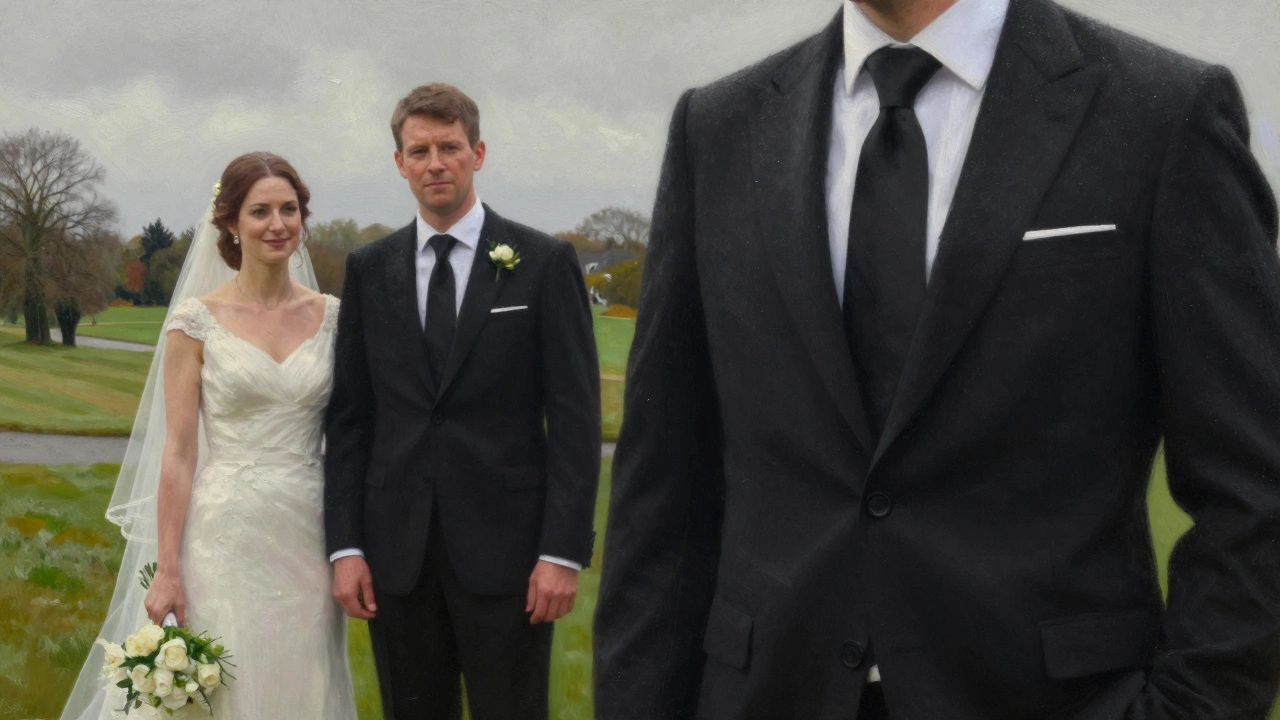
There are still moments when a tie isn’t just appropriate-it’s expected. If you’re attending a wedding at the K Club in Kildare, or giving a speech at the Gaiety Theatre in Dublin, the tie stays on. Same goes for job interviews in banking or law firms in the IFSC. Even in Dublin’s more relaxed tech scene, many firms like Intercom or HubSpot still expect a tie for client-facing roles or board meetings.
And let’s not forget the Irish Catholic tradition: funerals. A dark suit with a black tie is still the norm in towns like Sligo or Waterford. It’s a sign of respect, not fashion. Skip the tie here, and you’ll get sideways glances from older relatives who remember when a man wore a tie to every public occasion.
When Going Tie-Free Works Better
Now, picture this: you’re at a Friday night dinner at The Merchant Hotel in Belfast, or a networking event at the Digital Hub in Dublin. The lights are low. The music is indie folk. Everyone’s wearing a well-fitted navy suit, but no one’s got a tie. Why? Because in Ireland’s modern professional culture, especially among creatives, entrepreneurs, and younger professionals, the tie has become a symbol of stiffness-something to shed.
Brands like Irish Linen Company and John Rocha have built entire lines around relaxed tailoring. Their suits are cut slightly looser, with softer shoulders and no padding. They’re designed to be worn with an open collar, maybe a roll-neck underneath, or even a fine-gauge merino sweater. These aren’t just fashion choices-they’re responses to Ireland’s damp climate and laid-back social norms.
Even in formal settings like the Galway International Oyster Festival or the Cork Jazz Festival, you’ll see men in bespoke suits without ties, paired with loafers instead of Oxfords. It’s not a mistake. It’s a statement: I respect the occasion, but I won’t let it suffocate me.
The Irish Suit: Fit, Fabric, and Feel
Here’s the thing: if you’re going tie-free, your suit has to earn its place. You can’t just throw on a cheap off-the-rack suit from Dunnes Stores and expect it to look sharp without a tie. The details matter.
- Fabric: Wool blends from Donegal or Irish tweed are ideal. They breathe better than synthetic materials and drape naturally without needing a tie to hold them in place.
- Fit: A slightly narrower lapel and a higher armhole make the jacket look intentional, even without a tie. Tailors in Grafton Street or Temple Bar know this. Ask for a ‘modern Irish cut’-it’s a thing now.
- Shirt: Skip the stiff button-down. Go for a soft cotton or linen shirt with a spread collar. Unbutton the top two buttons. Roll the sleeves just past the wrist. It’s relaxed, but never sloppy.
Brands like Michael Kors and Hugo Boss are popular in Ireland, but local designers like David Dixon and Barry O’Connell are winning over men who want suits that move with them-not against them.
Weather, Work, and Weddings: The Irish Rule of Thumb
Here’s a simple guide that works across Ireland:
- Winter or rain? Skip the tie. It’s not just about comfort-it’s about dignity. A wet tie looks desperate.
- Business meeting with a bank or law firm? Wear the tie. Especially if you’re meeting someone over 50. It’s not outdated; it’s a language they still speak.
- Wedding or funeral? Follow the invitation. If it says ‘formal attire,’ wear the tie. If it says ‘smart casual,’ leave it off.
- Pub dinner or cultural event? Tie-free wins. Think of the National Concert Hall or the Belfast Film Festival. No one’s checking your neck.
- Job interview in tech or design? Tie optional. But always wear a well-fitted suit. It shows you take it seriously-without the performance.
The Rise of the Irish ‘Smart Casual’ Suit
The tieless suit isn’t just a trend-it’s becoming the new standard in Ireland’s urban centers. You’ll see it in Trinity College’s alumni events, in the boardrooms of Dublin’s fintech startups, and even in the front row at the Galway Film Fleadh.
What makes it work? Confidence. The Irish have always been skeptical of formality for formality’s sake. A man in a suit without a tie isn’t trying to be edgy-he’s just being himself. And that’s the most Irish thing of all.
Even the Irish Rugby Union has quietly embraced it. Players at the Aviva Stadium sometimes show up in suits without ties after matches-no one bats an eye. It’s a sign that the country’s relationship with dress is evolving: less about rules, more about presence.
Final Thought: It’s Not About the Tie. It’s About the Man.
In Ireland, a suit is never just fabric and thread. It’s a quiet signal. A way to say: I’m here, I’m ready, I respect this moment. Whether you wear the tie or not, what matters is that you feel like yourself in it.
Wear the tie if it serves you. Leave it off if it doesn’t. The best-dressed men in Ireland aren’t the ones following the rules. They’re the ones who know when to bend them.
Is it acceptable to wear a suit without a tie to a funeral in Ireland?
Traditionally, yes-a black tie is expected at Irish funerals, especially in rural areas or for older generations. However, in urban centers like Dublin or Cork, if the family has specified "smart casual" or if the deceased was known for a relaxed style, a tieless suit in dark wool is increasingly acceptable. When in doubt, ask a close family member.
What’s the best suit fabric for Ireland’s rainy weather?
Wool blends with a bit of elastane or a water-resistant finish work best. Irish tweed, especially from Donegal, is ideal-it’s naturally breathable, warm, and sheds light rain. Avoid polyester or synthetic blends; they trap moisture and look shiny when wet. Brands like Irish Linen Company and local tailors in Grafton Street offer weather-ready options.
Can I wear a tieless suit to a job interview in Dublin?
In tech, design, or creative industries-yes, absolutely. In finance, law, or government roles, it’s safer to wear a tie unless the company culture is clearly relaxed. Look at the company’s website photos or LinkedIn profiles of employees. If no one’s wearing ties in their team photos, you’re probably safe going without.
What shoes go best with a tieless suit in Ireland?
Loafers, especially in brown or dark oxblood, are the top choice. They’re smart but not stiff. Brogues work too, but avoid shiny Oxfords unless you’re wearing a tie. Brands like Johnston & Murphy or local Irish makers like Kildare Footwear offer styles that blend formality with comfort-perfect for walking through Dublin’s cobbled streets after a meeting.
Do Irish women notice if a man wears a suit without a tie?
Yes-but not in the way you think. Irish women notice if a man looks put-together, confident, and comfortable. A well-fitted suit without a tie often reads as more authentic and self-assured than a stiff, overly formal look. It’s the difference between trying to impress and simply being present.
If you’re dressing for an event in Ireland, remember: the weather doesn’t care about tradition. The people here care about sincerity. Choose your suit. Choose your fit. Choose whether to wear the tie-not because someone told you to, but because it feels right for the moment you’re in.