
Boot Value & Impact Calculator
Your Usage Scenario
Estimate how you plan to use your new boots.
Walking through Grafton Street in Dublin during a typical November drizzle, you’ll see them everywhere. The classic UGG boots, or more accurately, sheepskin boots, are a staple of the Irish winter wardrobe. They’re warm, they’re comfortable, and they look like they belong on a rainy day in Galway or a windy evening in Cork. But there’s a growing conversation about whether we should keep buying them. If you’ve ever wondered why not to support UGGs, you’re not alone. From animal welfare concerns to environmental impact and questionable value for money, there are solid reasons to rethink this purchase, especially if you care about where your clothes come from.
The Animal Welfare Issue: It’s Not Just About Sheep
The biggest reason people choose not to support UGGs is the source of the material. UGGs are made from sheepskin, which means the leather and wool come from animals raised primarily for their meat. In Ireland, where agriculture is a huge part of the economy, many of us have a connection to farming. But industrial sheep farming, particularly in countries like Australia and China where much of the world’s sheepskin comes from, often involves practices that raise serious ethical questions.
Mulesing is one such practice. It’s the removal of skin folds around a sheep’s tail to prevent flystrike, a painful condition caused by flies laying eggs in wet wool. While it’s done to protect the sheep, it’s performed without pain relief and causes significant distress. Although Australia has been working towards phasing out mulesing, it’s still widespread. When you buy sheepskin boots, you’re supporting an industry that relies on these methods unless the brand can prove otherwise-and most cannot.
Even if a brand claims its sheepskin is a “by-product” of the meat industry, that doesn’t make it cruelty-free. The demand for leather directly influences how many sheep are bred and slaughtered. Without the fashion industry’s appetite for sheepskin, fewer sheep would be raised for meat. So, choosing not to support UGGs is a way to reduce your complicity in a system that prioritizes profit over animal well-being.
Environmental Impact: The Hidden Cost of Sheepskin
Ireland is a country that loves its green fields, but the reality of sheep farming is far from eco-friendly. Sheep are major contributors to methane emissions, a greenhouse gas that’s significantly more potent than carbon dioxide. According to the Environmental Protection Agency (EPA) in Ireland, agriculture accounts for nearly 40% of our national emissions, with livestock being a big chunk of that. Every pair of sheepskin boots represents not just one animal, but the entire environmental footprint of raising it.
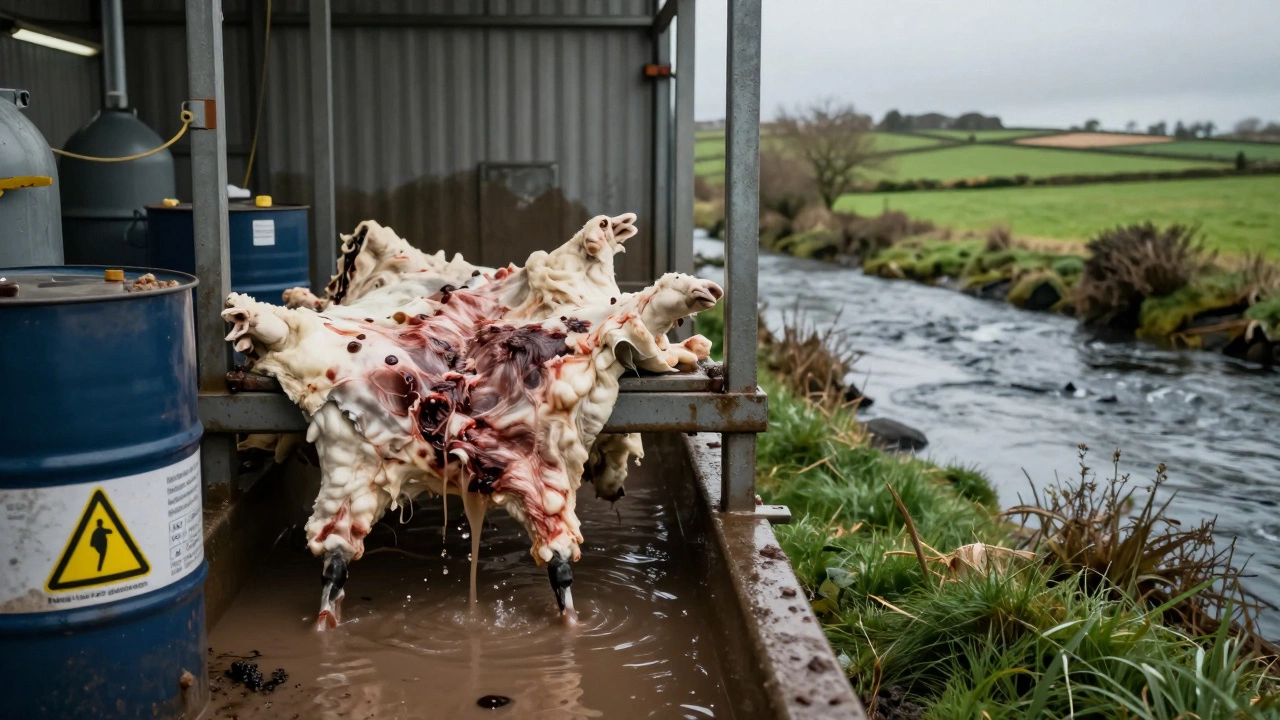
Then there’s the processing. Turning raw sheepskin into soft, wearable leather requires chemicals like chromium, formaldehyde, and solvents. These substances are toxic to both workers and the environment. In Ireland, where water quality is a growing concern-think of the issues we’ve seen with nitrate pollution in rivers like the Boyne-adding chemical runoff from tanneries abroad to the global problem feels irresponsible.
Fast fashion brands, including UGG’s parent company Deckers Brands, have faced criticism for their lack of transparency. While they’ve made some strides in sustainability, such as using recycled materials in packaging, the core product remains resource-intensive. If you’re trying to live more sustainably in Ireland, opting for plant-based or synthetic alternatives reduces your carbon pawprint significantly.
Value for Money: Are UGGs Worth the Price Tag?
Let’s talk cash. A standard pair of UGG Classic Ultra Mini boots costs around €170-€190 in Ireland. That’s a lot of money for what is essentially unlined sheepskin. For context, you could buy a high-quality pair of waterproof hiking boots from a local Irish retailer like Jack Wren or even a second-hand pair from Oxfam for less. And here’s the kicker: UGGs aren’t built to last forever.
Sheepskin is delicate. It stains easily, loses its shape after repeated wear, and isn’t waterproof. Sure, UGG sells cleaning kits and water repellents, but those are extra costs. In Ireland’s damp climate, where rain is a daily occurrence from September to April, wearing expensive sheepskin boots outdoors is risky. One puddle in Temple Bar and your €180 investment could be ruined. Many owners report that their UGGs start looking worn after just one or two seasons.
Compare that to durable alternatives like vegan suede boots or rubber wellies from brands like Hunter or Dunlop, which are designed for wet weather and can last years. If you’re spending hard-earned euros, why invest in something that needs constant maintenance and won’t survive a heavy Irish storm?
Better Alternatives: Warmth Without the Guilt
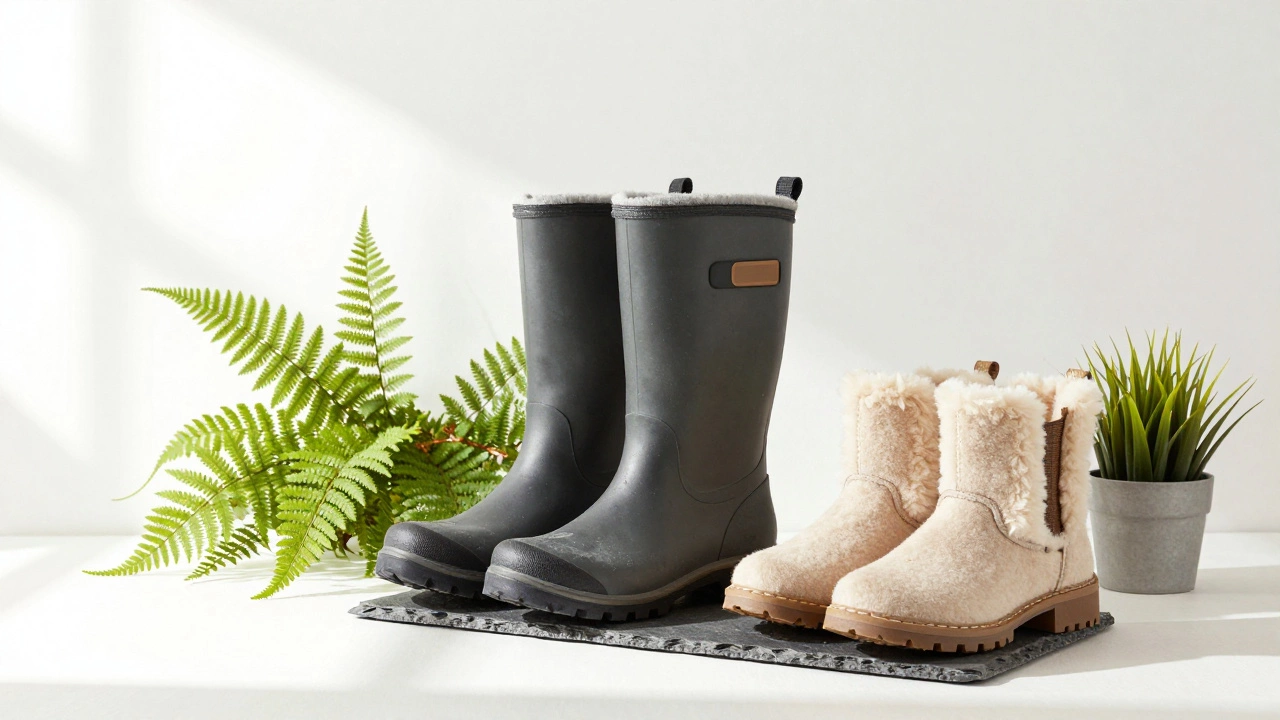
Choosing not to support UGGs doesn’t mean you have to freeze. There are plenty of stylish, ethical, and practical alternatives available in Ireland. Here are some options worth considering:
- Vegan Suede Boots: Brands like Matt & Nat and Vegan Vault offer faux shearling boots that look and feel like the real thing but use no animal products. You can find these in stores across Dublin, Cork, and Limerick.
- Recycled Wool Liners: Some Irish designers are experimenting with upcycled wool linings for boots, reducing waste while keeping you warm. Check out local makers at markets like the Grand Canal Dock Craft Market.
- Waterproof Hiking Boots: For actual outdoor use, brands like Salomon or Merrell provide insulation and durability without the ethical baggage. Perfect for walking the Cliffs of Moher or hiking in Wicklow.
- Second-Hand Finds: Thrift shops in cities like Belfast and Galway often have gently used boots that save money and reduce landfill waste.
These options not only align with ethical values but also perform better in Ireland’s unpredictable weather. Why settle for a boot that looks cute but fails when the rain starts pouring?
The Cultural Shift: Why Ireland Is Leading the Change
Ireland has always had a strong connection to nature, from the ancient Celtic reverence for the land to modern movements like Climate Camp Ireland. Today, younger generations are increasingly conscious of their consumption habits. Surveys show that over 60% of Irish consumers aged 18-35 consider sustainability when making purchases. This shift is visible in the rise of zero-waste shops in Dublin and the popularity of plant-based diets in places like Kerry and Donegal.
By choosing not to support UGGs, you’re joining a broader movement toward responsible consumerism. It’s not just about avoiding one brand; it’s about questioning the systems behind our choices. When enough people decide that animal welfare and environmental health matter more than trends, companies listen. We’ve seen this with fast fashion giants adopting stricter labor codes and reducing plastic use. Your wallet is a vote, and every euro spent ethically pushes the industry forward.
Are UGGs really bad for animals?
Yes, because they are made from sheepskin, which comes from animals raised in industries that often involve painful practices like mulesing. Even if the sheepskin is a by-product of meat production, demand for leather drives breeding and slaughter rates.
Can I clean and maintain UGGs to make them last longer?
You can use specialized cleaners and water repellents, but sheepskin is inherently fragile. Regular exposure to rain and dirt will degrade the material over time, regardless of maintenance efforts.
What are good vegan alternatives to UGGs in Ireland?
Brands like Matt & Nat, Veegan Vault, and local Irish designers offer faux shearling boots. Waterproof hiking boots from Salomon or Merrell are also great for durability in wet conditions.
Is sheep farming in Ireland more ethical than elsewhere?
While Irish farms may follow stricter regulations, the global supply chain for sheepskin often sources from countries with lower welfare standards. Unless a brand guarantees traceable, humane sourcing, it’s hard to ensure ethical treatment.
How does choosing not to support UGGs help the environment?
Reducing demand for sheepskin lowers methane emissions from livestock and decreases chemical pollution from tanning processes. Opting for sustainable alternatives supports a cleaner, greener future.