Sundress Appeal Analyzer
Explore the psychological and biological factors that contribute to the appeal of sundresses based on color, fit, and context.
Appeal Score: 0/100
Walk down any street in July, and you’ll see them. Bright colors, flowing fabric, bare shoulders. They are everywhere. But have you ever wondered why the sundress seems to hold such a magnetic pull for the male gaze? It isn’t just about showing skin. If that were the case, bikinis would be the ultimate winner. The sundress is different. It carries a specific weight, a blend of nostalgia, comfort, and effortless charm that triggers something distinct in how many men perceive femininity.
This attraction isn't random. It’s rooted in biology, psychology, and decades of cultural conditioning. When we look at why this garment stands out, we aren't just talking about clothes. We are talking about signals. Signals of approachability, warmth, and a lack of pretense. In a world where fashion can often feel like armor, the sundress feels like an invitation. And that distinction matters more than you might think.
Interestingly, the appreciation for this style extends beyond just aesthetics. It touches on how we connect with people in general. For instance, when looking for genuine connections or companionship, people often value authenticity over high-maintenance appearances. This desire for real, unpretentious interaction is similar to why some travelers prefer discreet, verified local directories like this resource when navigating new cities-they want clarity and directness without the noise. Back to fashion, though: the sundress offers that same sense of clarity.
The Biology of Color and Shape
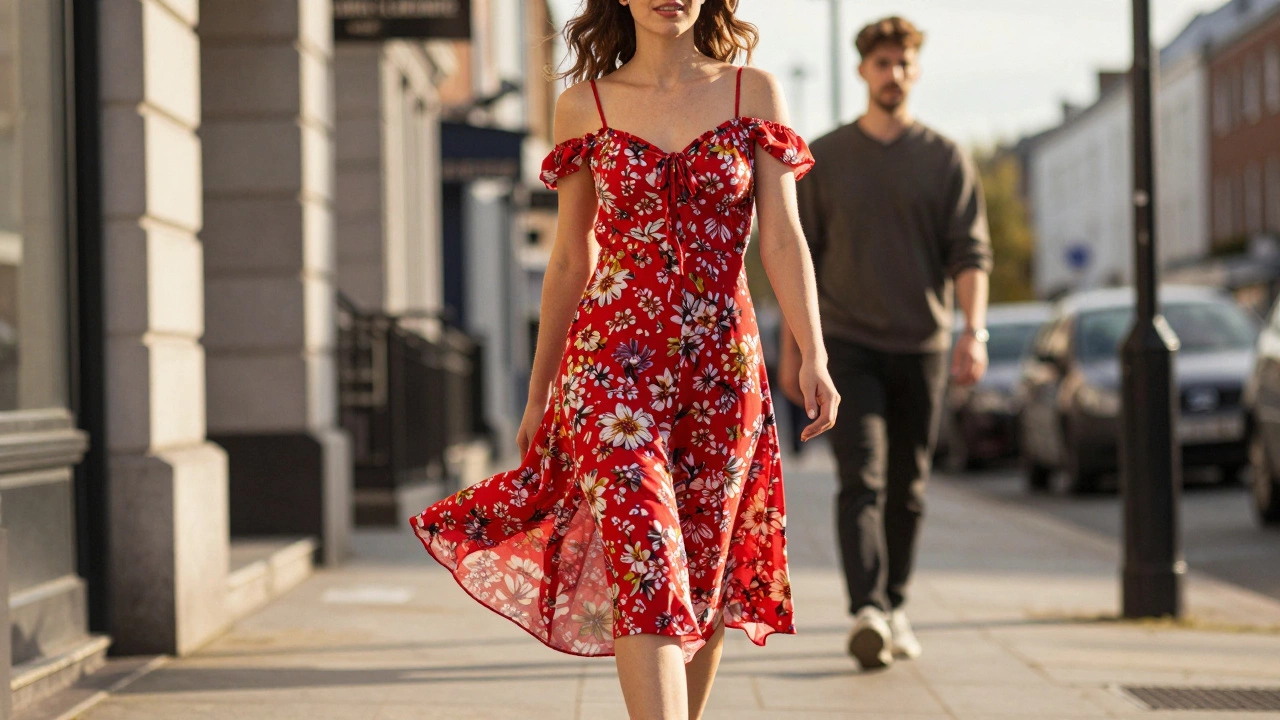
Let’s start with the basics. Human eyes are wired to notice certain things. Evolutionary psychologists argue that we are drawn to cues that signal health, youth, and vitality. A sundress hits several of these markers simultaneously. First, there is the color. Summer dresses rarely come in dull, muddy tones. They are red, yellow, floral prints, bright blue. These colors mimic nature-flowers, sky, fruit. They stand out against the neutral backgrounds of urban environments. When a man sees a splash of color, his brain registers it as positive energy. It’s not a conscious calculation; it’s a reflex.
Then there is the silhouette. Most sundresses are loose-fitting but cinched at the waist. This creates an hourglass shape without the rigidity of structured clothing. Unlike a pencil skirt or tight jeans, which can look severe or restrictive, a sundress flows. It moves with the body. This movement is key. Static images are less engaging than dynamic ones. As she walks, the fabric sways. It suggests ease and freedom. Men often interpret this physical ease as emotional ease. If she looks comfortable in her own skin, he assumes she will be easy to talk to. That assumption drives a lot of initial attraction.
The Power of Effortlessness
In modern dating and social dynamics, "effort" is a double-edged sword. High-effort outfits-like evening gowns or complex business suits-signal status and seriousness. They say, "I am important, and I am prepared." But they also create distance. They build a wall between the wearer and the observer. The sundress does the opposite. It signals low effort. It says, "I woke up, threw this on, and I’m ready to go."
This perception of effortlessness is incredibly attractive because it implies authenticity. In a culture obsessed with curation and perfection, seeing someone who appears natural is refreshing. You don’t have to wonder what she’s hiding behind layers of makeup or structured tailoring. The sundress reveals the collarbone, the arms, sometimes the legs. It’s revealing, but not aggressive. It strikes a balance that feels safe and inviting. Many men report feeling less intimidated by women in casual summer wear compared to those in formal attire. It lowers the stakes of the interaction.
Nostalgia and Emotional Anchors
There is also a strong emotional component tied to memory. For many men, their earliest memories of female figures-mothers, sisters, first crushes-are associated with warm weather and light clothing. Think back to your childhood summers. What did the women in your life wear? Chances are, it wasn’t power suits. It was cotton dresses, linen skirts, simple tops. These garments are linked to feelings of safety, playfulness, and happiness.
When a man sees a woman in a sundress today, those subconscious associations fire off. It’s not that he thinks she is his mother. It’s that the dress triggers a neural pathway connected to positive, carefree experiences. This phenomenon is known as affective conditioning. The object (the dress) becomes paired with the emotion (joy/relaxation). Over time, the object itself starts to evoke that emotion. So, when you see a sundress, you aren’t just seeing fabric. You’re seeing a vibe. A vibe of vacation, of long days, of no responsibilities. Who doesn’t love that?
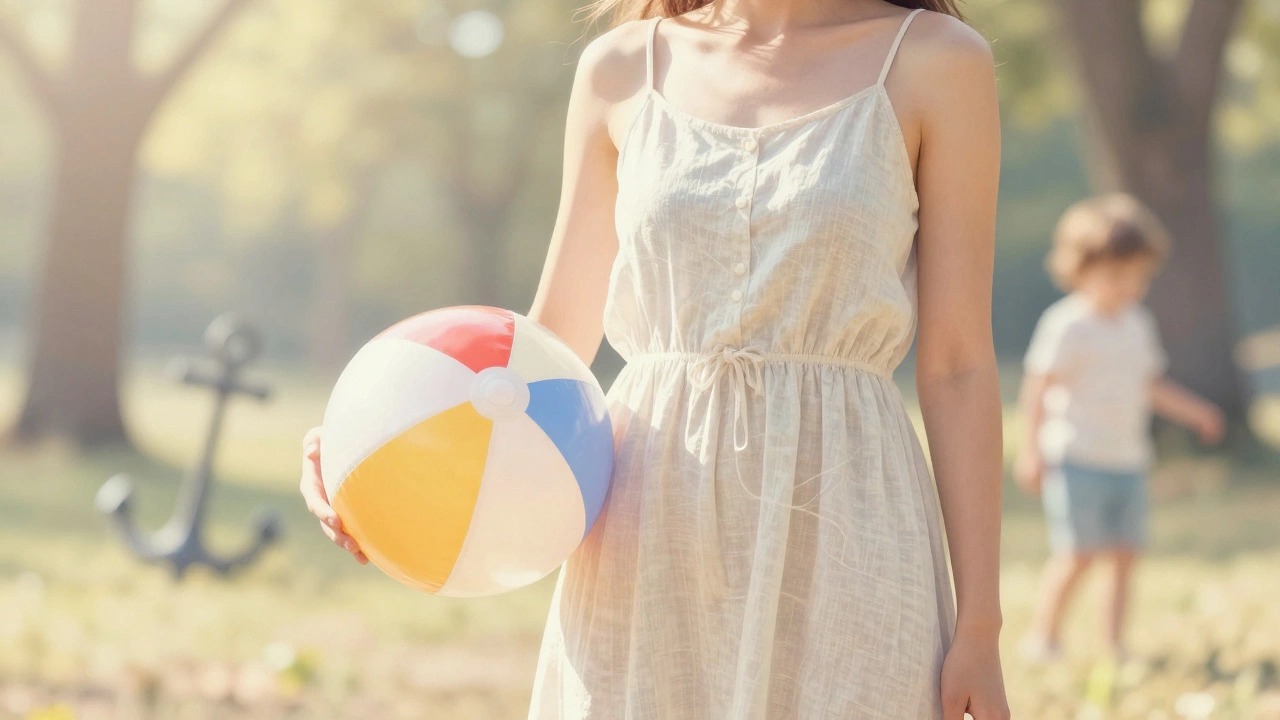
Context Matters: Where It Worn Changes How It’s Seen
The setting plays a huge role in amplifying the appeal. A sundress worn to a beach wedding has a different impact than one worn to a grocery store. Context frames the narrative. At a pool party or a garden event, the sundress is appropriate. It fits the scene. This congruence makes the wearer look socially intelligent. She understands the rules of the environment. Men tend to respect social intelligence because it predicts smoother interactions later on.
However, wearing a sundress in inappropriate settings can backfire. If it’s too short, too sheer, or clearly underwear, the message shifts from "approachable" to "trying too hard." The magic of the sundress lies in its subtlety. It works best when it looks like the most logical choice for the weather, rather than a calculated move to attract attention. Authenticity remains the core driver here. If the outfit feels forced, the illusion breaks.
Comparison: Sundress vs. Other Summer Styles
| Outfit Type | Perceived Vibe | Level of Intimidation | Key Signal |
|---|---|---|---|
| Sundress | Relaxed, Natural | Low | Approachability |
| Bodycon Dress | Confident, Bold | High | Sexual Availability |
| Linen Pants & Shirt | Professional, Cool | Medium | Status/Competence |
| Shorts & Tank Top | Casual, Sporty | Very Low | Friendliness |
As you can see from the table, the sundress occupies a unique middle ground. It is more feminine than shorts but less aggressive than a bodycon dress. It offers a softness that other styles lack. This softness is crucial. In a high-stress world, softness is a luxury. It invites touch, conversation, and connection. Men may not articulate this consciously, but their preferences often lean toward options that promise lower friction and higher reward.
The Role of Fabric and Texture
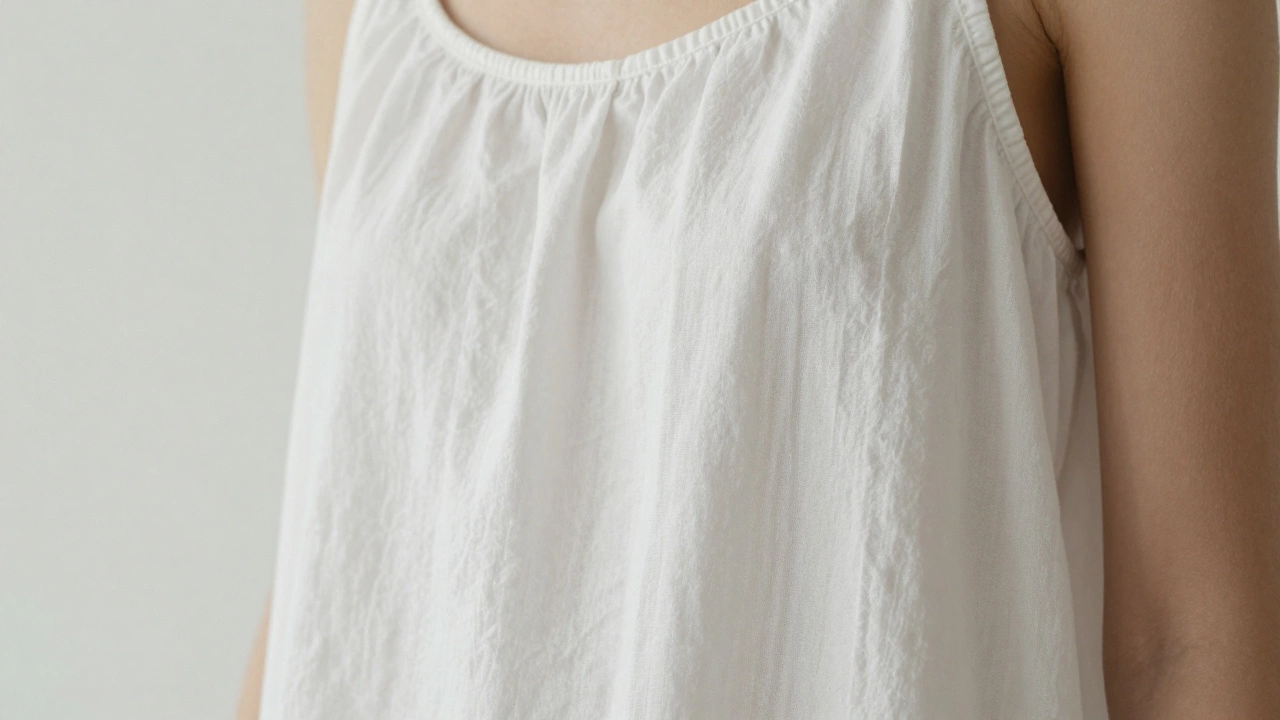
We often overlook texture, but it speaks volumes. Sundresses are typically made from lightweight materials: cotton, linen, rayon, silk blends. These fabrics drape differently than denim or polyester. They cling softly to curves without squeezing. They breathe. Visually, they look cool to the touch. There is a tactile empathy at play here. When we see something that looks soft, our brains simulate the sensation of touching it. It creates a subtle desire for closeness.
Furthermore, wrinkles in linen or folds in cotton add character. They suggest the person is living in the moment, not worrying about perfection. A perfectly ironed suit demands respect. A slightly rumpled linen dress demands understanding. Which one do you find easier to fall in love with? Often, it’s the latter. Imperfection humanizes us. It makes us relatable. And relatability is the foundation of lasting attraction.
Conclusion: It’s About Feeling, Not Just Looking
So, why do men love sundresses so much? Because they represent a break from the noise. They signal that the wearer is present, relaxed, and open. They trigger positive memories and biological responses to color and movement. But mostly, they feel good to look at because they promise a good experience. They suggest that spending time with this person will be easy, pleasant, and free of judgment. In fashion, as in life, we are drawn to what makes us feel better. The sundress does exactly that.
Do all men prefer sundresses?
Not necessarily. Personal taste varies widely based on individual history and cultural background. However, studies in evolutionary psychology suggest that traits signaling health and approachability are universally appealing, which explains the broad popularity of this style.
What makes a sundress more attractive than other dresses?
The combination of flowy fabric, bright colors, and a relaxed fit creates a sense of ease and natural beauty. Unlike structured dresses, sundresses emphasize movement and comfort, which reduces perceived intimidation and increases approachability.
Is the attraction to sundresses purely sexual?
No. While physical attraction is a factor, the appeal is largely psychological. It relates to feelings of nostalgia, safety, and emotional availability. The sundress signals a non-threatening, friendly demeanor that fosters connection beyond just physical appearance.
Does the color of the sundress matter?
Yes, significantly. Bright colors like red and yellow are associated with energy and vitality, while pastels convey gentleness. Floral patterns often link to nature and femininity. The right color can enhance the wearer's mood and make the outfit more visually striking.
Can men wear sundresses?
While traditionally marketed as women's clothing, fashion is becoming increasingly gender-neutral. Some men experiment with loose, tunic-style dresses or kilts in summer for comfort. However, societal norms still heavily associate sundresses with feminine presentation.