Slipper Health Checker
Slipper Health Checker
Is it time to let them go?
There is a specific kind of comfort that comes with kicking off your boots after walking through the rain in Dublin or navigating the cobblestones of Galway. For many people living here, slipping into a pair of warm slippers is the non-negotiable ritual that marks the end of the day. But how long does that comfort last before it turns into a hazard? Most of us keep our house shoes until they fall apart, but there are hidden signs-smells, structural failures, and hygiene issues-that tell you it’s time to let them go. In Ireland, where damp weather keeps our feet wetter for longer than most places, knowing when should you throw away slippers is actually a matter of foot health and home hygiene.
We tend to treat indoor footwear as indestructible. We buy a nice pair of sheepskin boots from a local shop in Kildare Street or grab a bargain bin pair at Dunnes Stores, and we expect them to last forever. They don’t. Like any item that touches bare skin daily, slippers accumulate sweat, dead skin cells, and bacteria. If you live in a humid climate like ours, that moisture gets trapped inside the material. Over time, this creates a breeding ground for fungi and odours that no amount of airing out will fix. The question isn't just about aesthetics; it's about whether your current pair is still protecting your feet or harming them.
The Smell Test: When Odour Becomes Unmanageable
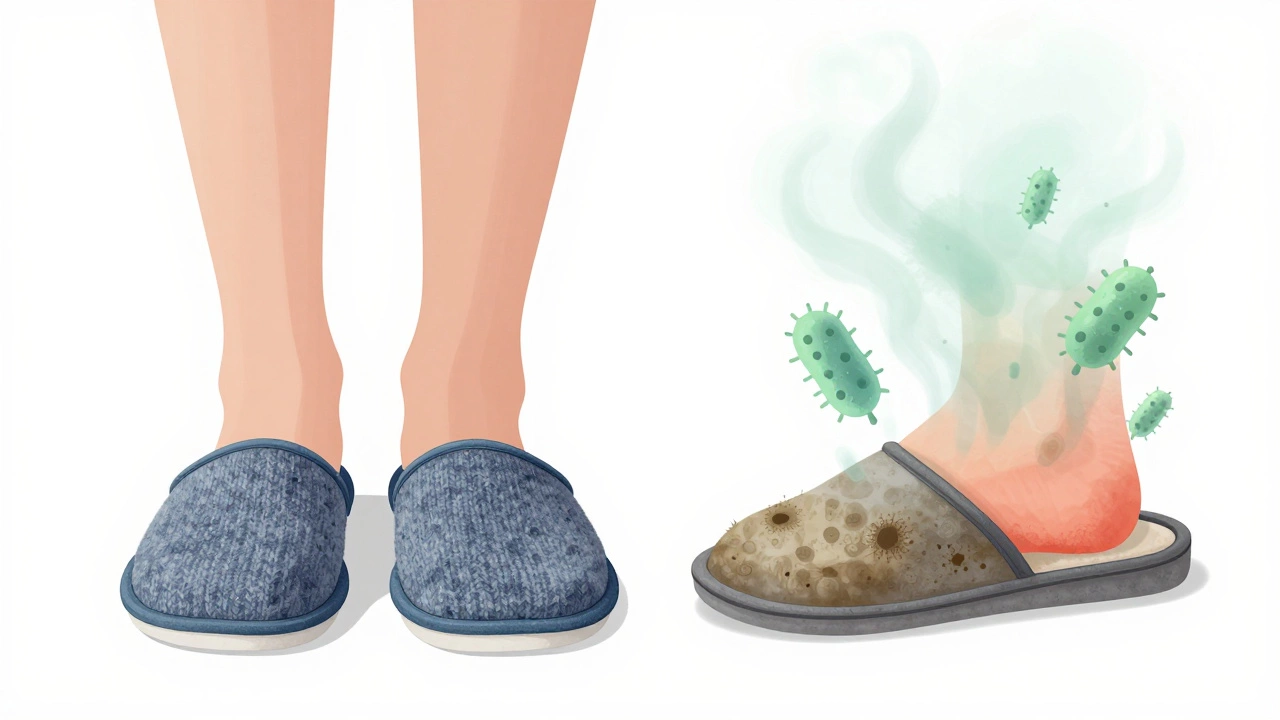
Let’s be honest: if your slippers smell bad enough to make you gag when you walk past them, they are done. A slight musty scent is normal, especially if you’ve worn them on a rainy Tuesday night. But a sharp, sour, or pungent odour indicates a bacterial colony has established itself deep within the lining. In Ireland, we often deal with high humidity levels throughout the year. This dampness seeps into fabric and foam linings, creating an environment where microbes thrive.
You might try washing them. If they are machine-washable cotton socks-style slippers, a hot cycle might help temporarily. However, once the internal padding breaks down and absorbs permanent odours, washing won't reach the core. If you find yourself avoiding wearing them because of the smell, or if the smell persists even after leaving them outside on a dry day in County Wicklow, it is time to bin them. Your feet deserve better than a petri dish.
Structural Failure: Soles, Heels, and Support
Slippers aren't just decorative; they provide a layer of insulation and support between your feet and cold floors. Irish homes can vary wildly in temperature, from heated modern apartments in Cork to older cottages in Connemara where stone floors stay chilly. When the sole of your slipper wears thin, you lose that protection. More importantly, you lose stability.
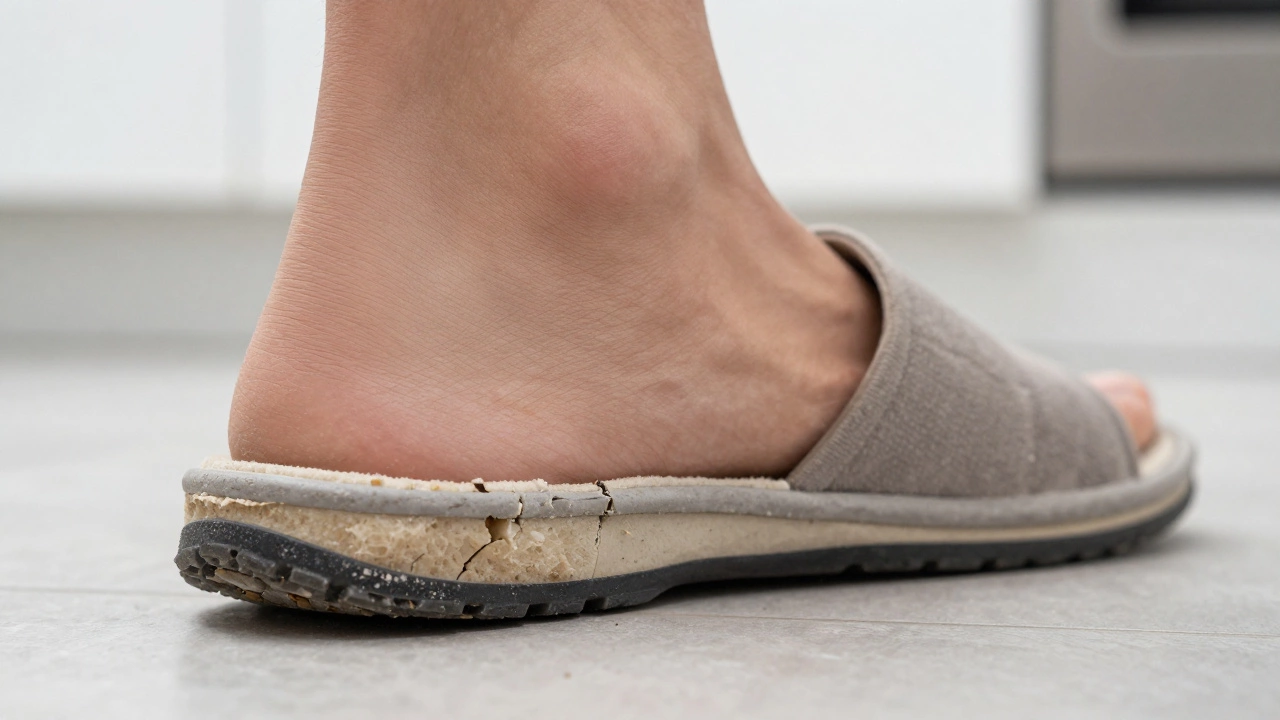
Check the bottom of your slippers. Are the treads gone? Is the rubber peeling off? If you can feel the texture of your kitchen tiles or bathroom mat through the sole, the cushioning is compromised. This lack of support can lead to flat-footed pain or even slips, which are a significant risk in households with elderly residents. Many falls in Irish homes happen in the kitchen or bathroom due to slippery flooring and inadequate footwear grip. If the heel counter-the part that holds your heel in place-is floppy or broken, your foot isn't being supported correctly. This changes your gait, potentially causing strain in your ankles and knees. Don't wait for an accident to realize your slippers have failed structurally.
Hygiene and Skin Health Concerns
Beyond smell and structure, there is the issue of direct contact with your skin. Slippers trap dead skin cells and oils. Over months of use, this buildup can irritate sensitive skin or exacerbate conditions like athlete's foot (tinea pedis). While athlete's foot is common globally, the damp conditions in Ireland can make fungal infections more persistent if not addressed quickly.
If you notice redness, itching, or flaking on your feet after wearing your usual pair, consider the slippers as a potential vector. Fungi love dark, moist environments. An old, worn-out slipper provides exactly that. Even if you don't have an active infection, sharing slippers or using ones that haven't been replaced in years increases the risk of transferring bacteria. It is a small step to take, but replacing old slippers can significantly improve overall foot hygiene, especially if you have open cuts or diabetic concerns.
Material Degradation Specific to Irish Weather
The materials used in slippers react differently to environmental factors. Sheepskin and wool are popular choices here because they offer superior warmth. However, natural fibres degrade faster than synthetics when exposed to constant moisture and heat. If you hang your wet slippers near a radiator or a traditional turf fire to dry, the heat can cause the leather or suede uppers to crack and become brittle. This cracking not only looks unsightly but also allows dirt and bacteria to penetrate deeper into the material.
Synthetic memory foam soles, found in many budget-friendly pairs sold in supermarkets across Leinster and Munster, tend to flatten out over time. Once memory foam loses its resilience, it stops providing shock absorption. You might not notice it immediately, but your feet will feel heavier and more tired by the end of the day. If your slippers look flattened, misshapen, or if the lining has started to pill excessively, the material integrity is gone. No amount of stuffing them with newspaper will restore their original shape or function.
Signs It’s Time to Upgrade
To make it easier, here is a quick checklist to evaluate your current pair:
- Persistent Odour: Does the smell return within hours of cleaning?
- Visible Wear: Are there holes, tears, or exposed foam?
- Lack of Support: Do your feet ache after wearing them for short periods?
- Slippery Soles: Do you slide on smooth surfaces like laminate or tile?
- Age: Have you owned them for more than two years with daily use?
If you answered yes to two or more of these, it is definitely time to replace them. Keeping old slippers around doesn't save money; it risks your comfort and health. Investing in a new pair every 18 to 24 months is a reasonable rule of thumb for regular users.
Choosing the Right Replacement for Irish Homes
When you do decide to buy new slippers, think about what works best for our local climate and housing styles. Look for breathable materials like cotton or merino wool if you tend to have sweaty feet. Avoid cheap plastics that trap heat. For colder regions like Donegal or Mayo, insulated options with thick rubber soles are essential to block out the chill from stone floors. Brands available in Ireland, such as those found in Penneys or specialized shoe stores, often offer durable options designed for heavy use. Prioritise quality over price initially, as a well-made pair will last longer and maintain its shape better than a disposable alternative.
| Type | Best For | Lifespan Estimate | Maintenance Tip |
|---|---|---|---|
| Sheepskin/Wool | Cold homes, damp climates | 1-2 years | Air dry naturally; avoid radiators |
| Cotton Sock Style | Warm homes, easy cleaning | 6-12 months | Machine wash regularly |
| Rubber Sole House Shoes | Slippery floors, outdoor steps | 2-3 years | Wipe down soles; check tread depth |
Disposal and Sustainability
Once you decide to throw away your slippers, consider how to dispose of them responsibly. In Ireland, textile waste is a growing concern. If your slippers are still in decent condition, donating them to local charities like the Samaritans Purse or local GAA club fundraisers is a great option. Many community centres accept gently used household items. If they are too worn, check if your local council offers textile recycling bins. Some larger retailers also have take-back schemes for old footwear. Avoid throwing them directly into general waste if possible, as synthetic materials take centuries to decompose. By choosing durable slippers and disposing of them correctly, you contribute to a cleaner environment while keeping your own home healthy.
How often should I replace my slippers?
For daily use, it is recommended to replace slippers every 12 to 24 months. However, this depends heavily on wear and tear. If they show signs of structural failure, odour retention, or material breakdown sooner, replace them immediately regardless of age.
Can I wash smelly slippers to extend their life?
You can wash machine-washable slippers, but this only provides temporary relief. If the odour returns quickly after washing, the bacteria are embedded in the padding, and the slippers should be discarded. Non-washable materials like sheepskin cannot be effectively cleaned at home.
Why do slippers wear out faster in Ireland?
The high humidity and frequent rain in Ireland mean feet are often damp when entering slippers. This moisture accelerates the breakdown of adhesives, foams, and natural fibres. Additionally, drying slippers near heat sources can cause premature cracking and hardening of materials.
Are old slippers a health risk?
Yes, old slippers can harbour bacteria and fungi that may cause skin infections or athlete's foot. They also lose structural support, increasing the risk of slips and falls, particularly on smooth indoor surfaces common in Irish homes.
Where can I recycle old slippers in Ireland?
Many Irish towns have textile recycling banks managed by local councils. Charities often accept gently used slippers. Check with local GAA clubs, community centres, or retail stores with take-back schemes for responsible disposal options.