Ireland Suit Budget Calculator
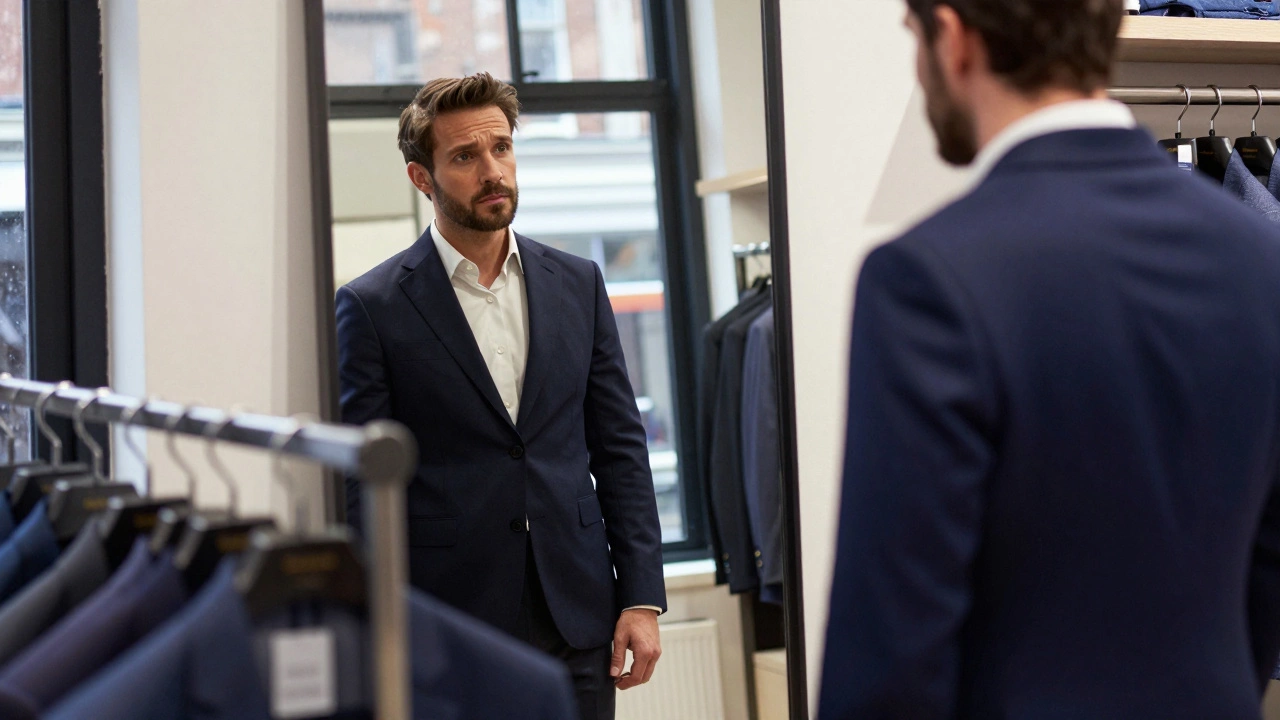
You’re standing in front of the mirror, trying on a navy two-piece, and you feel that familiar mix of confidence and hesitation. The fit is decent, but when you glance at the tag, your stomach drops. Is €350 actually reasonable for a suit in Ireland right now? Or are you being ripped off just because you walked into a high-street brand? suit price Ireland is one of those questions everyone asks but few answer honestly. The truth is, there’s no single magic number. A good amount depends entirely on where you live, what you need the suit for, and how long you expect it to last.
If you’re in Dublin, the game changes compared to Limerick or Derry. Rent prices are higher, wages vary, and the shopping options range from fast-fashion traps to heritage tailors who’ve been stitching since before the Celtic Tiger. Let’s cut through the noise and figure out exactly what you should pay for a suit that looks sharp, feels comfortable, and doesn’t leave you broke until Christmas.
The Three Tiers of Suit Pricing in Ireland
To understand value, we have to break down the market. In Ireland, you generally encounter three distinct tiers when buying a suit. Knowing which tier fits your needs stops you from overpaying for features you don’t need or underpaying for quality that will fall apart after one wedding.
- The Entry-Level Tier (€150 - €300): This is your high-street territory. Think brands like Uniqlo, selected lines at Marks & Spencer, or the budget ranges at Jack Wills and Ted Baker during sales. These suits are usually made from polyester blends. They look fine from five feet away, but they breathe poorly. If you’re sweating through a summer funeral in Galway, this fabric won’t help. However, if you need a suit for a once-in-a-lifetime event or an interview where you’ll only wear it twice, this is the sweet spot. Just expect to replace it within two years.
- The Mid-Range Sweet Spot (€400 - €700): This is where most professionals in Ireland should be looking. Brands like Suitsupply (available online and in some major retailers), Selected Homme, and better lines from John Lewis (shipped to Ireland) sit here. You start getting wool blends, sometimes even 100% wool. The lining might be half-Bemberg (a silk-like material that breathes better than polyester). The construction improves-buttons are sewn with bar tacks, and the shoulders are fused rather than glued. This suit can survive dry cleaning multiple times and still hold its shape.
- The Premium & Bespoke Tier (€800+): Here, you enter the world of proper tailoring. Shops like O’Connors in Dublin, Kilkenny Tailors, or independent makers in Cork and Belfast operate here. You’re paying for natural canvas construction, hand-stitched details, and fabrics from mills like Loro Piana or Zegna. A bespoke suit costs upwards of €1,500, but it lasts decades. It’s an investment piece, not a disposable garment.
Why Fabric Matters More Than Brand Name
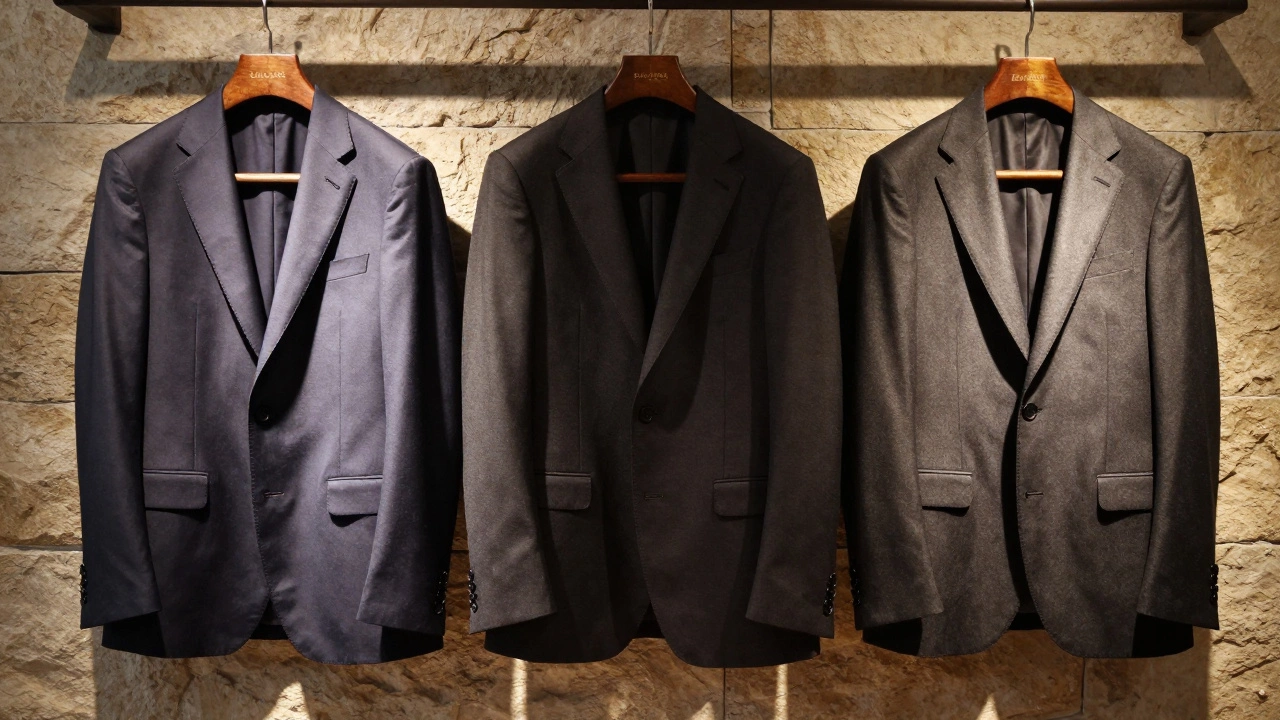
In Ireland, our weather is unpredictable. One minute you’re dealing with rain in Kerry, the next you’re facing a rare heatwave in Kildare. Your suit needs to handle both. The biggest mistake people make is focusing on the logo on the chest pocket instead of the fabric composition label inside the waistband.
Polyester is cheap and durable, but it traps heat. If you work in a central Dublin office with poor ventilation, a polyester suit will make you miserable by 2 PM. Wool, however, is temperature-regulating. It keeps you cool in summer and warm in winter. For the Irish climate, a lightweight wool (around 230-260 grams) is ideal for year-round wear. If you see "polyester" or "acrylic" as the primary ingredient, walk away unless the price is under €200.
Look for terms like "Super 100s" or "Super 120s." These refer to the fineness of the wool fiber. Super 100s is durable enough for weekly wear. Super 150s is softer but more prone to wrinkling and pilling. For a daily commuter suit, stick to Super 100s-120s. It’s the gold standard for balance between luxury and longevity.
Where to Buy: Local Shops vs. Online Giants
Ireland has a unique retail landscape. While online giants like ASOS and Amazon dominate casual wear, suits require fitting. You can’t return a suit easily if the shoulders are wrong. Here’s how to navigate the local scene:
| Location | Recommended Stores | Price Range | Best For |
|---|---|---|---|
| Dublin | O’Connors, Brown Thomas, Suitsupply (Online) | €400 - €1,500+ | Bespoke, High-End Off-the-Rack |
| Cork | Kennedy’s, Penneys (Premium Line) | €150 - €600 | Budget to Mid-Range |
| Galway | Local Tailors, Jack Wills | €300 - €800 | Smart-Casual, Weddings |
| Belfast/Northern Ireland | Harris Wharf, Smyths | €200 - €700 | Value, Business Wear |
| Limerick/Waterford | Marks & Spencer, Next | €150 - €400 | Everyday Office Wear |
Don’t underestimate the power of local tailors. Many small towns in Ireland have family-run shops that offer alterations for free or at a low cost. If you buy a cheaper suit online, budget an extra €30-€50 for a local tailor to take in the waist and shorten the trousers. A €200 suit with €50 in alterations often fits better than a €500 suit bought off the rack.
The Hidden Costs: Alterations and Maintenance
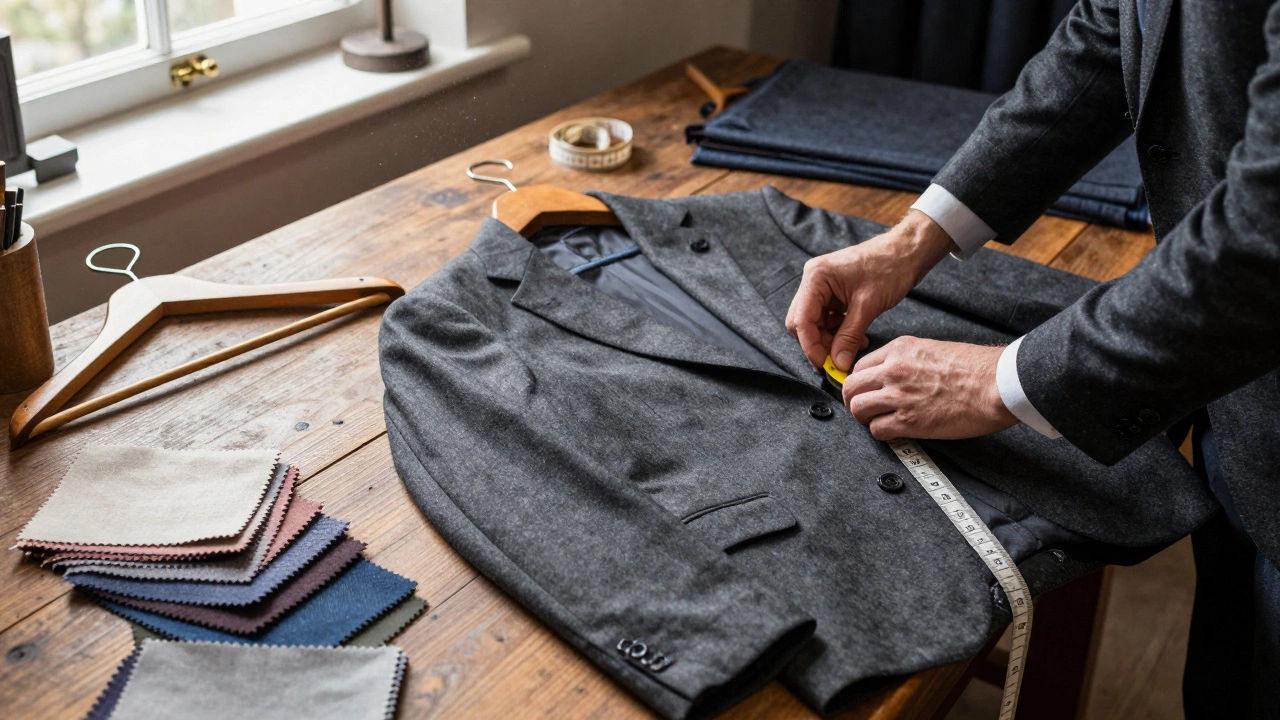
When calculating "how much to spend," you must include post-purchase costs. A suit straight off the hanger rarely fits perfectly. Shoulders are the hardest part to alter; if they’re too wide, the suit is useless. But waist, sleeve length, and trouser hem are easy fixes.
In Ireland, alteration costs vary. A simple hem in Dublin might cost €15, while taking in the waist could run €30-€40. In smaller towns, you might get it done for less. Always ask about alteration policies before buying. Some stores like Brown Thomas include minor tweaks, while others charge separately.
Then there’s maintenance. Dry cleaning is expensive. A full suit clean in Ireland averages €15-€25. Wool suits shouldn’t be cleaned after every wear-once or twice a season is enough. Air them out after wearing. Invest in a wooden hanger, not a wire one. Wire hangers distort shoulders, ruining the silhouette you paid for.
Seasonal Buying Strategies in Ireland
Timing is everything. Irish retailers follow strict seasonal cycles. If you need a suit urgently, you pay full price. If you can wait, you save significantly.
- January Sales: The best time to buy. Winter stock is cleared out. You can find premium wool suits for 50% off. Perfect for spring weddings or summer interviews.
- July/August Summer Sales: Great for lighter linen or cotton-blend suits. Ideal if you work in a creative industry or attend outdoor events.
- Black Friday: Mixed results. High-street brands discount heavily, but sizes sell out fast. Don’t rely on this for specific sizes unless you’re quick.
- Post-Wedding Season (October): Some bridal-focused menswear shops discount tuxedos and formal suits after October. Worth checking if you need black-tie attire.
Also, consider second-hand. Ireland has a growing vintage and pre-loved fashion scene. Shops in Temple Bar (Dublin) or the English Market area (Cork) sometimes carry high-quality used suits. A gently worn Hugo Boss or Ralph Lauren suit can be found for €100-€150. With alterations, it’s a steal.
Decision Tree: How Much Should YOU Spend?
Still unsure? Use this quick guide based on your situation:
- First Job Interview: Spend €200-€300. Look neat, professional, but don’t overspend. Focus on fit and dark colors (navy or charcoal).
- Daily Office Wear (5 days/week): Spend €500-€700 per suit. Buy two. Rotate them to let fibers recover. Quality wool is essential for comfort.
- Wedding Guest (Once a Year): Spend €300-€400. You can go slightly trendier. Linen blends or lighter greys work well for Irish summers.
- Executive/Client-Facing Role: Spend €800+. Invest in a tailored suit from a reputable Irish tailor. First impressions matter, and quality speaks volumes.
- Funeral/Conservative Event: Spend €250-€350. Black or dark grey. Simple, classic cut. No flashy patterns.
Common Pitfalls to Avoid in the Irish Market
Buying a suit in Ireland comes with specific traps. Watch out for these:
The "Made in Italy" Myth: Many suits sold in Ireland claim Italian design but are manufactured in Eastern Europe or Asia using lower-grade materials. Check the care label. If it says "Made in Portugal" or "Made in Turkey," it’s often better quality than vague "Designed in Italy" tags. Portuguese manufacturing is renowned for high standards.
Ignoring Shoulder Fit: Irish men tend to have broader builds. High-street suits often have narrow shoulders. If the seam spills over your shoulder bone, the suit is too small. Don’t size up to fix it-look for brands with athletic cuts or get it tailored.
Overlooking VAT Refunds: If you’re a tourist visiting Ireland, remember you can claim VAT back on purchases over €150. Suits qualify. Keep your receipt and fill out the form at the airport. It’s free money.
Buying Too Thin: Our winters are damp and cold. A thin tropical wool suit will feel chilly in a drafty office in November. Opt for mid-weight wools (280g+) for autumn/winter wear.
Final Thoughts: Value Over Price
A good amount of money isn’t defined by the lowest price tag or the highest luxury label. It’s defined by cost-per-wear. A €600 suit worn 100 times costs €6 per wear. A €200 suit worn 10 times costs €20 per wear. Think long-term.
In Ireland, where community and appearance still matter in business and social circles, having a well-fitted, quality suit is a practical asset. It boosts confidence and signals professionalism. Whether you’re closing a deal in Leopardstown or attending a wedding in County Clare, the right suit makes a difference. Start with your budget, prioritize fabric and fit, and use local expertise to get the best result. You’ll thank yourself every time you put it on.
Is it worth spending over €1,000 on a suit in Ireland?
Yes, if you wear suits regularly for work or important events. A bespoke or high-end made-to-measure suit from a Dublin or Cork tailor offers superior fit, durability, and comfort. It lasts 10+ years with proper care, making the cost-per-wear very low.
Where can I find affordable suits in Dublin?
Check out Penneys (Primark) for ultra-budget options under €100, though quality varies. For better value, visit Uniqlo on Grafton Street or wait for sales at Jack Wills and Ted Baker in Nassau Street. Online, ASOS offers frequent discounts with free returns to Ireland.
Do I need a tailor if I buy an off-the-rack suit?
Almost always. Off-the-rack suits are made for average body shapes. Most men need adjustments to the waist, sleeve length, and trouser hem. Budget €30-€60 for basic alterations to ensure a polished look.
What is the best fabric for an Irish climate?
Wool is best. It regulates temperature, resisting both chill and heat. For year-round wear, choose a lightweight wool (230-260g). Avoid pure polyester as it traps sweat and doesn’t breathe well in humid conditions.
Can I get VAT refunded on a suit purchase in Ireland?
Yes, if you are a non-EU resident. You can claim VAT back on purchases over €150 from participating retailers. Keep your receipt and complete the VAT refund form at the airport before leaving the country.