Scottish vs Irish Footwear Translator
Instructions: Select a shopping scenario below to see the best term to use in Scotland vs. Ireland.
--
Select a scenario
--
Select a scenario
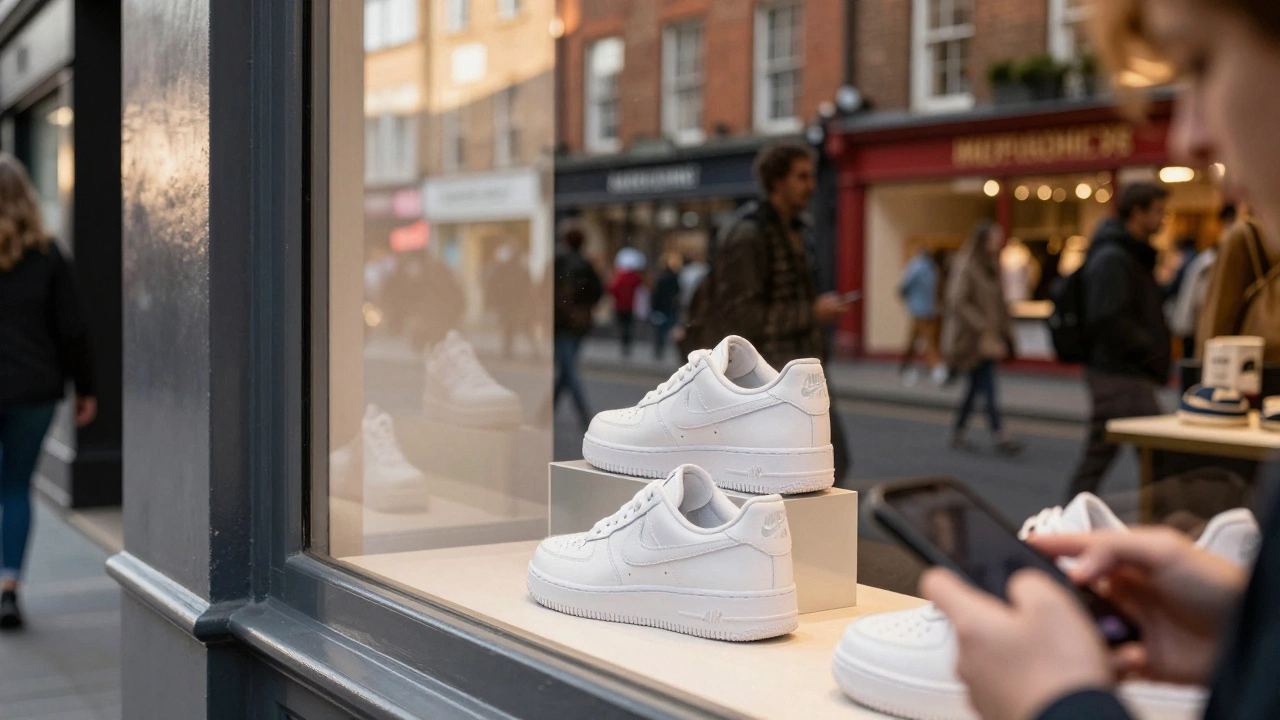
You’re standing in a shop on Grafton Street in Dublin, looking at a pair of crisp white Nike Air Forces. You ask the assistant if they have them in size nine. But then you think about your friend from Glasgow who just visited. He called them "trainers." Your mum calls them "plimsolls" or maybe even "sneakers" if she’s been watching too much American TV. It’s a small thing, but when you’re trying to blend in with locals or just order the right item online without confusion, these words matter. In Ireland, we mostly stick to "trainers," but cross the border into Scotland, and the landscape of language shifts slightly. So, what do Scottish people call trainers?
The short answer is: they usually call them **trainers** too. Just like us. But there’s more to it than that. Depending on where you are in Scotland-and how old the person talking to you is-you might hear other terms pop up. Let’s break down the reality of British footwear slang, specifically focusing on the Scottish nuance, and how it compares to what we say here in Ireland.
The Dominant Term: Trainers
First things first: don’t panic. If you walk into a JD Sports in Edinburgh or a local sports store in Aberdeen, you won’t be laughed out of the building for asking for "trainers." The term "trainers" is the standard, everyday word for athletic shoes across almost all of the United Kingdom, including Scotland. It comes from their original purpose-shoes designed for training, running, and gym work. Today, they’re worn everywhere, from commuting on the subway in Glasgow to hiking the West Highland Way.
In Ireland, we use "trainers" as our default term as well. Whether you’re buying a new pair of Adidas Ultraboosts in Cork or grabbing some casual sneakers in Belfast, "trainers" is the safe bet. This shared vocabulary makes shopping easy for anyone traveling between Dublin and Glasgow. You can speak the same language (literally) when discussing brands like New Balance, Asics, or Puma.
When Scots Say "Plimsolls"
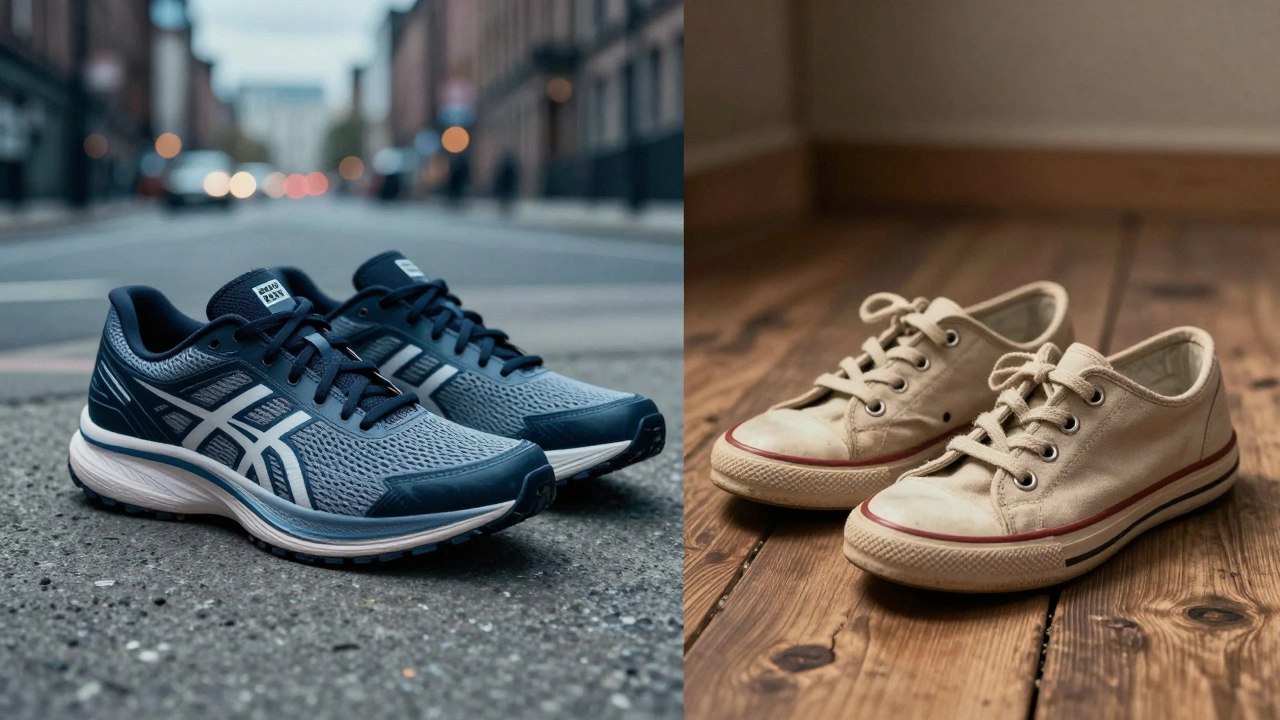
Now, here’s where it gets interesting. While "trainers" covers modern athletic shoes, older generations in Scotland (and many parts of England) often use the word plimsolls for specific types of footwear. Plimsolls refer to those simple, canvas-soled rubber shoes that were once standard school wear. Think flat, no laces sometimes, very basic. They’re not your high-tech running gear.
If a Scottish person says, "Put your plimsolls on," they likely mean casual, flat canvas shoes, not necessarily expensive performance runners. In Ireland, we rarely use this word anymore. We might say "canvas shoes" or just "slip-ons" if referring to something similar, like Vans or Converse. But "plimsoll" has a distinctly British, slightly old-fashioned ring to it. You’ll hear it more from someone over 50 or in nostalgic contexts, like remembering school days in the 1980s.
Regional Variations Within Scotland
Scotland isn’t a monolith. Language varies by region, age, and social group. In urban centers like Glasgow, Edinburgh, and Dundee, youth culture heavily influences slang. Here, you might hear younger Scots use terms borrowed from global streetwear culture. Words like "kicks," "dunks" (specifically for Nike Dunks), or "sneakers" are becoming more common among teens and young adults who follow international fashion trends. This mirrors what we see in Dublin’s trendy neighborhoods like Smithfield or Temple Bar, where younger shoppers mix Irish English with global slang.
In rural areas or among older communities, traditional terms hold stronger sway. You might still encounter "brogues" being used loosely to describe sturdy walking shoes, though technically, brogues are leather shoes with decorative perforations, popular for formal or semi-formal wear. Don’t confuse brogues with trainers-they’re different categories entirely. Brogues are for weddings, office jobs, or smart-casual outings; trainers are for comfort, sport, and casual wear.
How Does This Compare to Ireland?
Let’s bring it back home. In Ireland, our footwear vocabulary is largely aligned with Scotland’s mainstream usage. We say "trainers" for athletic shoes. We say "boots" for winter or hiking footwear. We say "heels" or "flats" for women’s dress shoes. Where we differ is in the frequency of using archaic terms. "Plimsolls" is virtually extinct in everyday Irish conversation. If you say it in a shop in Galway, the clerk might look confused or assume you’re joking.
We also tend to adopt American terms faster than some parts of the UK due to media influence. "Sneakers" is understood by most Irish people, especially under 40, thanks to movies, music videos, and online shopping platforms. However, it hasn’t replaced "trainers" as the primary term. You’ll still see signs in stores saying "Men’s Trainers" rather than "Men’s Sneakers."
| Term | Meaning | Usage in Scotland | Usage in Ireland |
|---|---|---|---|
| Trainers | Athletic shoes, running shoes | Very Common (All ages) | Very Common (All ages) |
| Plimsolls | Canvas school shoes, flat rubber soles | Moderate (Older generations, nostalgic) | Rare (Mostly historical reference) |
| Sneakers | General term for athletic/casual shoes | Growing (Youth, fashion-conscious) | Growing (Media-influenced, understood) |
| Kicks | Slang for stylish sneakers | Niche (Streetwear culture) | Niche (Streetwear culture) |
| Brogues | Leather shoes with decorative holes | Common (Formal/Smart-casual) | Common (Formal/Smart-casual) |
Why Does This Matter for Shoppers?
If you’re an expat moving from Ireland to Scotland, or a tourist visiting both countries, knowing these subtle differences helps avoid awkward moments. Imagine ordering shoes online from a Scottish retailer. If you search for "sneakers," you’ll find plenty of results because major retailers cater to global audiences. But if you’re browsing a local boutique in Edinburgh that uses traditional British cataloging, searching for "trainers" will yield better results.
For businesses operating in both markets, consistency is key. Using "trainers" in product listings ensures clarity for both Irish and Scottish customers. Avoid mixing terms unless targeting specific demographics. For example, a brand selling vintage-style canvas shoes might market them as "plimsolls" to appeal to nostalgia-driven buyers in Scotland, while keeping "trainers" as the main category for general athletic wear.
Cultural Context: Shoes and Identity
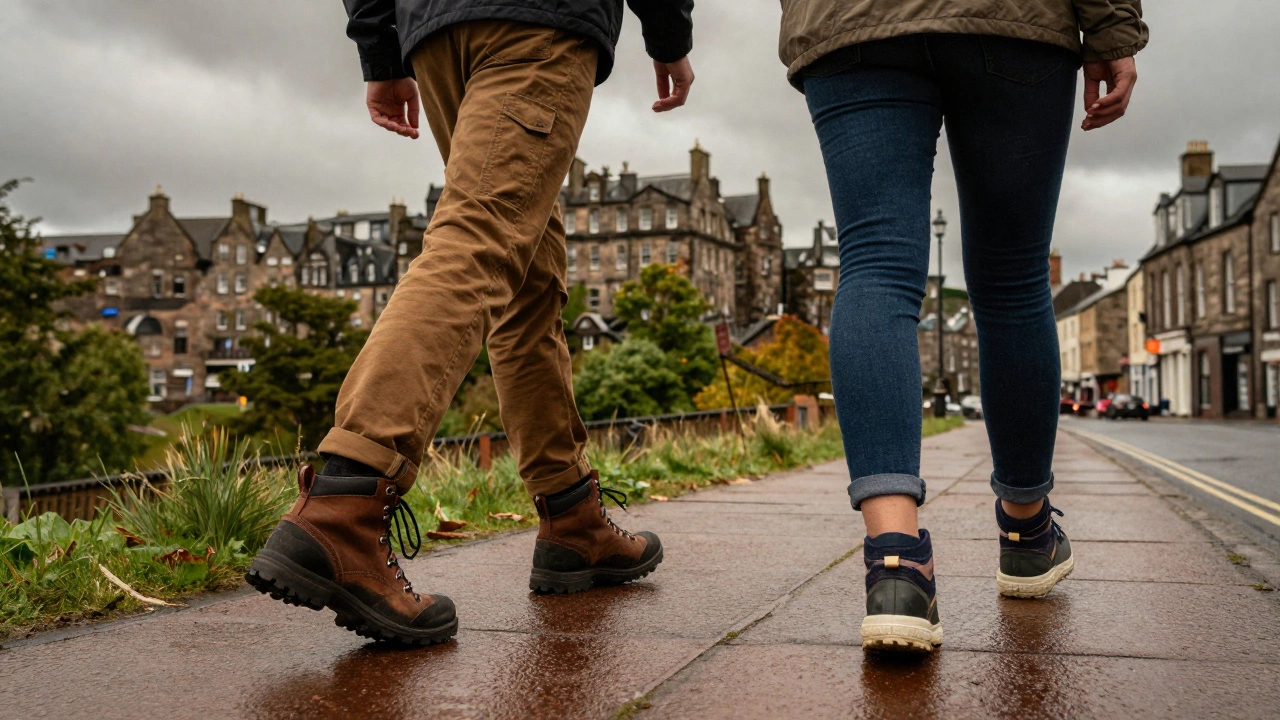
Footwear isn’t just about function-it’s part of cultural identity. In Scotland, wearing proper outdoor gear reflects respect for the rugged terrain. Hiking boots, waterproof membranes, and durable soles are essential for exploring the Highlands. Trainers are reserved for town life. Similarly, in Ireland, we adapt our footwear to the weather. Rainproof trainers are a must-have in cities like Limerick or Sligo, where showers are frequent.
There’s also a pride in local craftsmanship. Both Scotland and Ireland have rich histories of shoemaking. Scottish brands like Church’s and Loake produce high-quality leather shoes, while Irish cobblers continue to offer bespoke services. When discussing footwear, acknowledging these traditions adds depth to conversations beyond mere terminology.
Practical Tips for Navigating Footwear Slang
- Stick with "trainers" for safety: Whether you’re in Glasgow or Galway, this term works universally for athletic shoes.
- Use "plimsolls" sparingly: Only if you’re talking to older individuals or referencing school memories.
- Embrace "sneakers" casually: Among friends, especially younger ones, this term is widely accepted and understood.
- Avoid "kicks" unless appropriate: This slang fits streetwear contexts but may sound forced in formal settings.
- Clarify when unsure: If you’re shopping and aren’t sure which term to use, describe the shoe type instead (e.g., "running shoes," "casual canvas shoes").
Final Thoughts on Cross-Border Shopping
Understanding regional slang enhances your shopping experience and builds rapport with locals. While Scottish people primarily call trainers "trainers," awareness of alternative terms like "plimsolls" shows cultural sensitivity. For Irish residents, this knowledge proves useful whether you’re visiting relatives in Scotland, studying abroad, or simply expanding your linguistic toolkit.
Next time you’re lacing up your favorite pair of Nikes, remember that the word you use depends on context, audience, and location. And no matter what you call them, comfortable feet make for happy travels-whether you’re strolling through the Royal Mile in Edinburgh or wandering along the Ha’penny Bridge in Dublin.
Do Scottish people say sneakers or trainers?
Most Scottish people say "trainers" for athletic shoes. "Sneakers" is understood but less common, mainly used by younger generations influenced by global fashion trends.
What is the difference between trainers and plimsolls?
Trainers are modern athletic shoes designed for sports and casual wear. Plimsolls are simpler, flat canvas shoes with rubber soles, historically used as school footwear. Plimsolls lack the cushioning and technology found in contemporary trainers.
Is "plimsoll" still used in Scotland today?
Yes, but mostly among older generations or in nostalgic contexts. Younger Scots rarely use the term unless referring to vintage styles or childhood memories.
Can I use "sneakers" when shopping in Scotland?
Yes, most retailers understand "sneakers," especially larger chains. However, using "trainers" aligns better with local terminology and may help you communicate more naturally with staff.
Are brogues considered trainers in Scotland?
No, brogues are distinct from trainers. Brogues are leather shoes with decorative perforations, typically worn for formal or smart-casual occasions. Trainers are athletic or casual shoes made for comfort and activity.