Irish Summer Coolness Calculator
Planning to head out in the Dublin sun? Select your outfit details below to see how well it will regulate your body temperature.
Your Outfit Rating:
Breakdown:
Fabric Choice
Score: 0Select a fabric to see feedback.
Color Choice
Score: 0Select a color to see feedback.
Fit Choice
Score: 0Select a fit to see feedback.
It is June in Dublin. The sun is actually shining, the temperature has climbed to a respectable 23°C, and you are suddenly sweating through your outfit. We tend to forget how hot it can get because our summers are short and unpredictable. But when that heat hits-whether you are walking along the Liffey or hiking up Howth Head-the last thing you want is to feel like you are wearing a wool blanket.
You have likely heard the old rule: "Wear white in summer." It sounds simple enough, but does it actually work? Or is there more to staying cool than just picking a pale shade? If you are looking for the best summer dresses or outfits to survive an Irish heatwave, you need to look beyond color. You need to understand physics, fabric, and fit.
The Physics of Color: Why White Really Wins
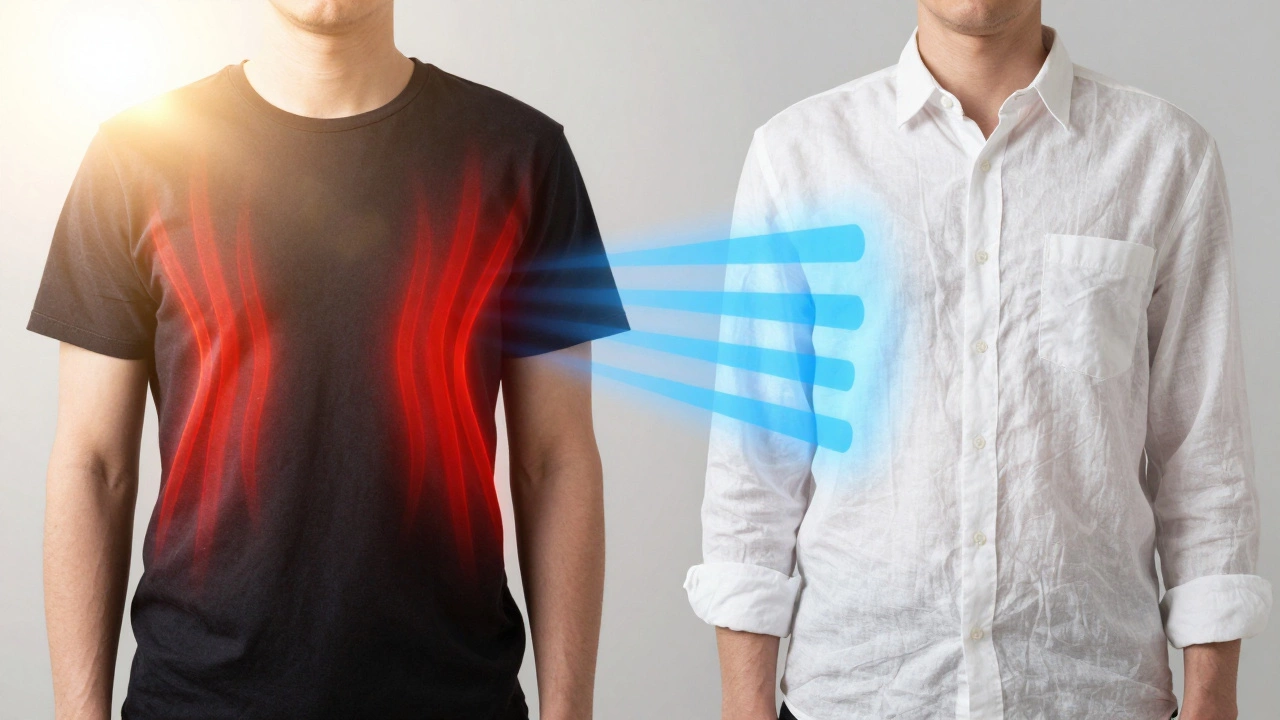
Let’s start with the basics. Light colors reflect sunlight; dark colors absorb it. When you wear a black t-shirt on a sunny day in Galway, that fabric acts like a solar panel. It absorbs the visible light spectrum and converts it into heat energy, warming the air layer between your skin and the cloth. A white shirt, on the other hand, reflects most of that light away from your body.
This isn't just theory. In direct sunlight, the difference in surface temperature between a black garment and a white one can be significant. If you are standing still at a garden party in Kildare, wearing white will keep you noticeably cooler than wearing navy or black. However, if you are indoors under artificial lighting, the color matters much less. The heat gain comes primarily from the sun's rays hitting the fabric directly.
Does wearing black keep you warmer in summer?
Yes, generally speaking. Dark colors absorb more solar radiation, which heats up the fabric. In direct sunlight, black clothing will make you feel hotter than white or light-colored clothing. However, some studies suggest that in very dry, hot climates, loose-fitting black robes can create a convection current that cools the wearer, but this effect is minimal in humid environments like Ireland.
Fabric Matters More Than Hue
Here is where many people go wrong. You can wear a white polyester shirt and still sweat buckets. The material your clothes are made from plays a bigger role in cooling than the color itself. Synthetic fabrics like polyester and nylon are designed to trap moisture and heat. They do not breathe. When you sweat, that moisture sits on your skin, making you feel clammy and hot.
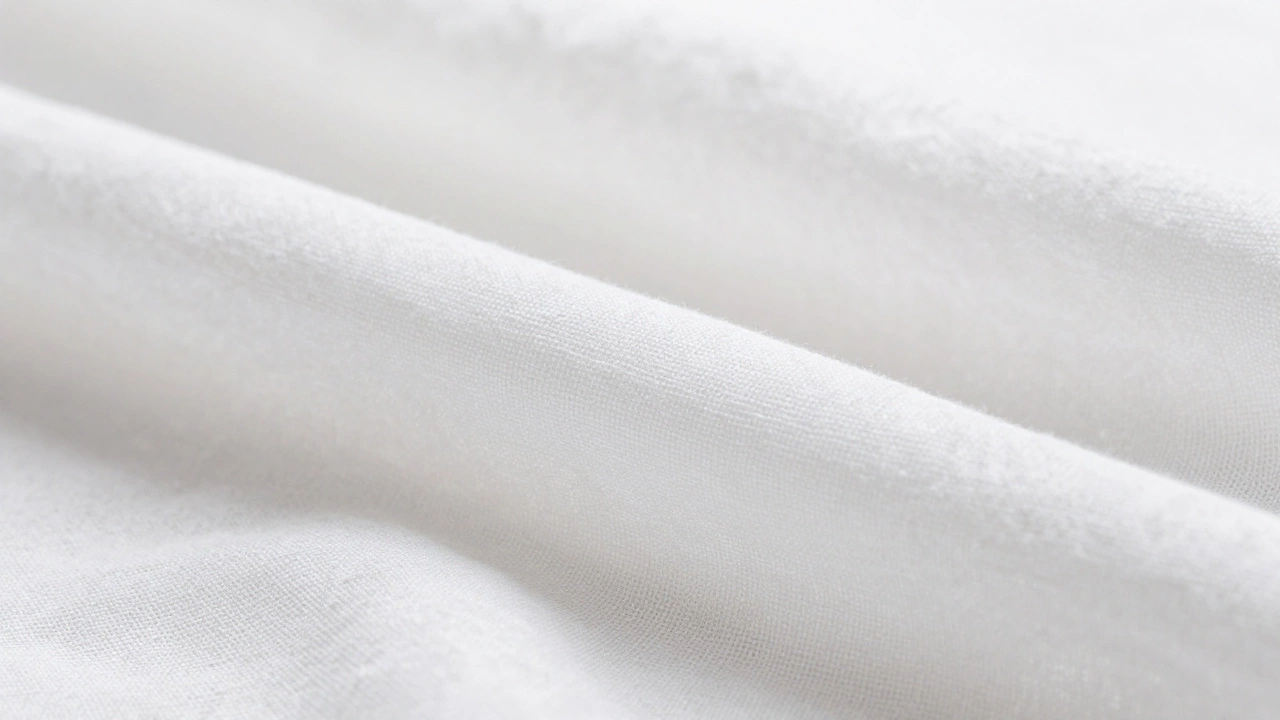
For an Irish summer, stick to natural fibers. Cotton is the gold standard. It is lightweight, breathable, and absorbs moisture, allowing it to evaporate and cool your skin. Linen is even better. Originating from the flax plant, linen has a loose weave that allows maximum airflow. It wrinkles easily, yes, but that is part of its charm-and its function. Those wrinkles increase the surface area of the fabric, aiding in evaporation.
If you are shopping for summer dresses in Dublin, check the label. Look for 100% cotton or linen blends. Rayon (or viscose) is also a good option as it is derived from wood pulp and drapes well while remaining breathable. Avoid anything labeled "performance" or "moisture-wicking" unless you are planning to run a marathon. For casual wear, these synthetics often retain odors and heat.
Fit Is Your Secret Weapon
Imagine wearing a tight white tank top versus a loose white kaftan. Which one keeps you cooler? The loose one. Tight clothing restricts airflow around your body. Air circulation is essential for evaporative cooling. When fabric touches your skin, it traps body heat. When there is space between the fabric and your skin, air can move freely, carrying heat away.
In Ireland, we don't usually deal with desert-level humidity, but our summers can be muggy. Loose-fitting garments allow sweat to evaporate efficiently. Think about traditional Irish attire. The wide-legged trousers and loose shirts worn by farmers were not just fashionable; they were practical for working in the fields. Today, this translates to A-line dresses, oversized shirts, and wide-leg trousers.
If you love the look of a fitted dress, consider the length. A shorter hemline allows more skin exposure to the air, which helps with cooling. Alternatively, choose a dress with side slits or vented backs. These small details make a huge difference in airflow without compromising style.
Navigating the Irish Weather: Layering Strategy
Ireland’s weather is famously changeable. One minute you are baking in the sun at Temple Bar, the next you are shivering under a sudden cloud cover. This requires a flexible approach to dressing. Relying solely on light colors might leave you cold if the wind picks up from the Atlantic.
The key is layering. Start with a breathable, light-colored base layer. Add a lightweight cardigan or a sheer linen jacket that you can easily remove. This way, you can adapt to changing conditions throughout the day. In cities like Cork or Limerick, evenings can drop significantly in temperature, especially near the river or coast. Having a layer ensures you stay comfortable without overheating during the peak afternoon hours.
Also, consider the UV index. Even on cloudy days, UV rays can penetrate the atmosphere. Light colors reflect UV radiation better than dark ones, offering slightly more protection against sunburn. However, no color replaces sunscreen. Always apply SPF, regardless of what you are wearing.
| Fabric Type | Breathability | Moisture Absorption | Best For |
|---|---|---|---|
| Linen | High | High | Hot, sunny days |
| Cotton | Medium-High | High | Everyday wear |
| Polyester | Low | Low | Sports only |
| Silk | Medium | Medium | Evening events |
Color Psychology and Practicality
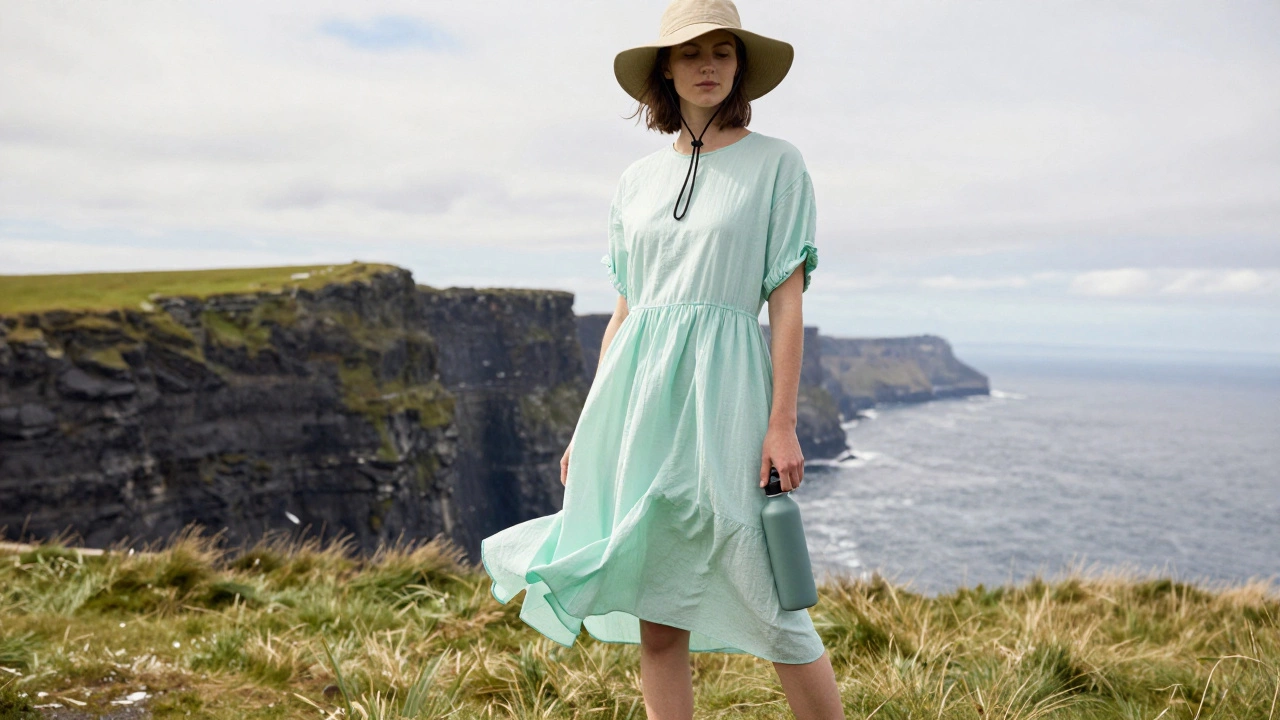
While white and pastels are the coolest, they are not always the most practical. White shows every stain. Spill a pint of Guinness or drop some soda bread crumbs, and your outfit is ruined. Pastels like mint green, baby blue, and soft pink offer a good compromise. They reflect most sunlight but hide minor dirt better than stark white.
Earth tones like beige, khaki, and light grey are also excellent choices. They blend well with the natural landscapes of Ireland, from the cliffs of Moher to the gardens of Killarney. Plus, they are versatile. You can dress them up for a dinner in Dublin or down for a hike in Wicklow.
Avoid bright neon colors. While they reflect light, they can be visually jarring and often come in synthetic fabrics. Stick to muted, natural shades for both comfort and style.
Shopping for Summer Dresses in Ireland
When hunting for the perfect summer dresses, look beyond the big high-street chains. Ireland has a vibrant local fashion scene. Brands like House of CB (though international, popular here), local designers in Dublin's Smithfield Village, and boutiques in Galway offer high-quality, breathable options.
Consider second-hand shopping too. Stores like Oxfam or local vintage shops in Cork City often carry linen and cotton pieces that are durable and sustainable. Buying pre-loved reduces waste and often yields unique finds that mass-produced items lack.
Pay attention to the cut. Empire waist dresses, wrap dresses, and shift dresses are particularly cooling. They skim the body rather than clinging to it. If you prefer structure, look for dresses with built-in camisoles made of moisture-wicking natural fibers.
Accessories That Help
Your clothes aren't the only factor. Accessories play a role too. A wide-brimmed hat shades your face and neck, reducing the amount of heat absorbed by your head. Sunglasses protect your eyes and reduce squinting, which can cause headaches. Choose frames that are lightweight and breathable.
Footwear matters as well. Open-toe sandals or breathable sneakers allow your feet to air out. Avoid heavy boots unless absolutely necessary. Wet feet in warm weather are uncomfortable and can lead to fungal infections.
Finally, stay hydrated. No amount of clever dressing will compensate for dehydration. Carry a water bottle with you wherever you go. Ireland has plenty of public fountains, so refill often.
Are pastel colors as effective as white for staying cool?
Yes, pastel colors are nearly as effective as white. They reflect most of the sun's rays while being slightly more forgiving with stains. Shades like light blue, pink, and lavender are excellent choices for summer wear.
Is linen worth the hassle of ironing?
Absolutely. Linen is the most breathable fabric available. Its tendency to wrinkle is part of its aesthetic appeal in casual settings. If you need a smoother look, a quick steam refresh works wonders without needing a full ironing session.
Can I wear dark colors if they are loose-fitting?
You can, but you will still absorb more heat than with light colors. Loose fitting helps with airflow, but the fabric itself will be hotter. If you must wear dark colors, choose natural fibers like cotton or linen to maximize breathability.
What is the best fabric for humid summer days?
Linen is the best choice for humid days. It dries quickly and allows air to circulate freely. Cotton is a close second, but it retains moisture longer, which can feel sticky in high humidity.
Do synthetic fabrics ever help with cooling?
Only in specific athletic contexts. High-tech performance fabrics wick sweat away from the skin to the outer surface where it can evaporate. However, for everyday wear, natural fibers are superior for comfort and temperature regulation.