Trainers vs Sneakers: The Ireland Language Checker
Click on a term to see where it's used and what locals think.
Cultural Context
Select a term from the left to analyze its usage in Ireland.
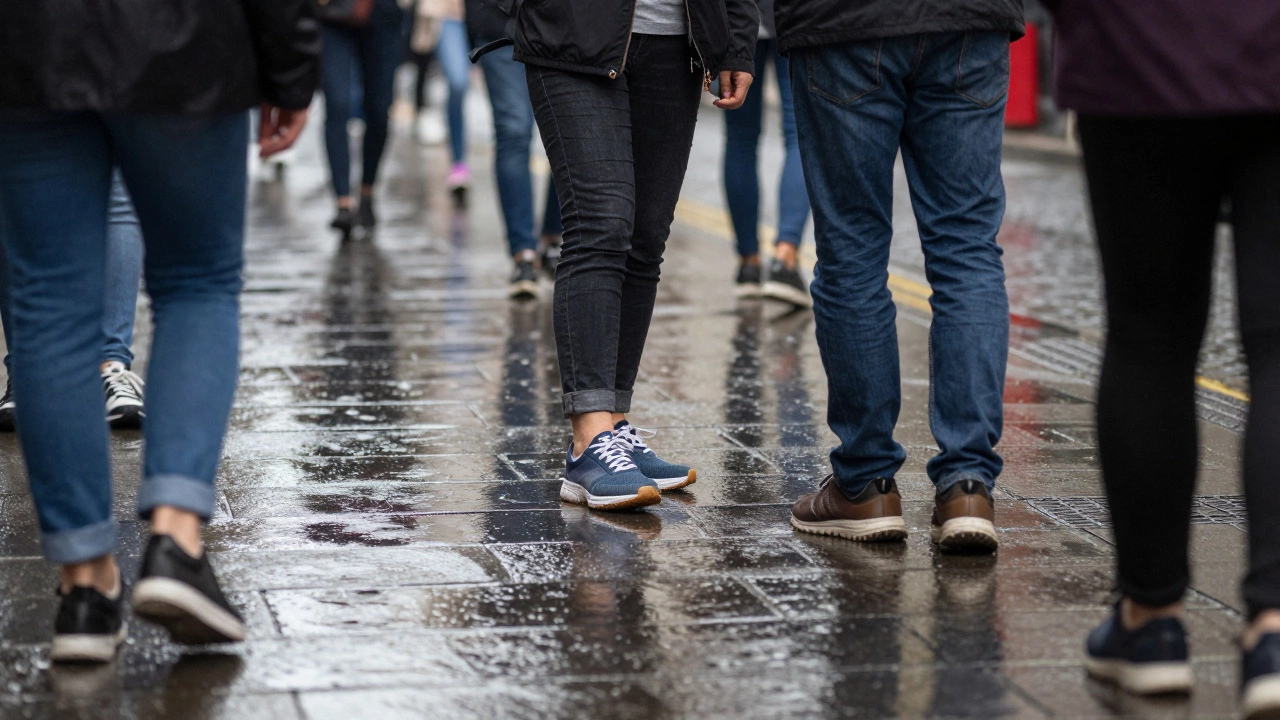
Walk down Grafton Street in Dublin on a rainy Tuesday, and you’ll notice something interesting. Everyone is wearing comfortable shoes. But if you ask someone what they’re wearing, you won’t hear the word "sneakers." You’ll hear "trainers." This simple linguistic difference highlights a bigger cultural divide between American English and British (and by extension, Irish) English. For anyone moving to Ireland, visiting for business, or just trying to sound like a local in Cork or Galway, understanding this distinction is key.
In Ireland, we don’t really use the word "sneakers" anymore. It sounds dated, almost like something your grandmother would say while knitting by the fire. If you walk into a shop in Temple Bar asking for sneakers, the assistant might look at you with mild confusion before pointing you toward the rack of trainers. So, do Americans say trainers or sneakers? Americans say sneakers. We, in Ireland, say trainers. And there’s a good reason for that history behind it.
The Origin of the Word "Trainers"
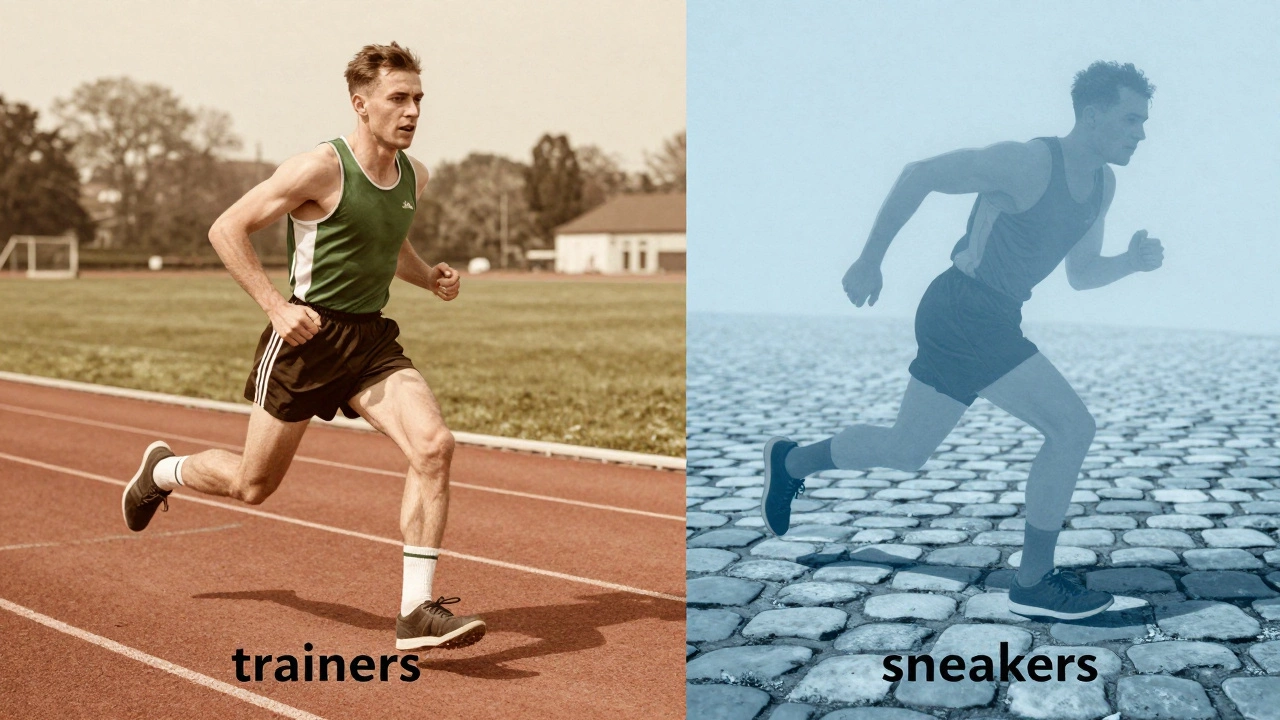
To understand why we say trainers, you have to look at the function of the shoe. In the mid-20th century, these shoes were primarily designed for athletic training. They weren’t meant for formal events, heavy labor, or even casual strolling through the countryside in traditional leather brogues. They were built for the gym, the track, and the sports field. Hence, training shoes, shortened naturally to trainers.
This terminology stuck across the UK and Ireland because our sporting culture emphasized the utility of the footwear. Whether you were playing Gaelic football on the pitch in Croke Park or running laps around the Liffey, these shoes were tools for physical preparation. The term reflects a practical, no-nonsense approach to language. We name things for what they do. A car park is where you park a car. A trainers’ store is where you buy shoes for training.
In contrast, the American term "sneakers" comes from the idea that rubber soles allowed you to sneak up on people silently. It’s a clever etymology, but it didn’t take root here. When you’re living in a country with cobblestone streets in Kilkenny City Centre or muddy trails in the Wicklow Mountains, the silence of the sole matters less than the grip and durability. The focus was always on performance and comfort, not stealth.
Regional Variations Within Ireland
While "trainers" is the dominant term across the island, language in Ireland is nuanced. Depending on where you are, you might hear slight variations or older terms slipping into conversation. In rural areas, particularly among older generations, you might still hear the term "plimsolls." These refer specifically to the canvas shoes with rubber soles that many of us wore for P.E. class in primary school. Plimsolls are flat, thin, and not very stylish by modern standards, but they hold a nostalgic place in Irish memory.
If you travel down to the West Coast, say to Galway or Clare, the accent changes, but the vocabulary remains largely consistent. You’ll still hear trainers. However, in Northern Ireland, which shares some linguistic ties with Scotland and England, you might occasionally hear "turn-ups" or other regional slang, though trainers remain the standard commercial term. Shops in Belfast stock them under the same label as Dublin stores.
It’s also worth noting the influence of global brands. Nike, Adidas, and New Balance market heavily in Ireland. Their advertising campaigns use the word "trainers" to resonate with local consumers. If you see an ad on the Luas tram or a billboard on the M50 motorway, it will almost certainly feature the word trainers. This corporate reinforcement helps keep the terminology standardized across the country.
Americans Say Sneakers: Why the Difference?
So, back to the original question: do Americans say trainers or sneakers? They overwhelmingly say sneakers. In the US, the term "trainers" is rarely used outside of specific contexts, like referring to a personal fitness trainer. If an American walks into a Foot Locker in New York and asks for trainers, they might be misunderstood. They want sneakers.
This divergence happened due to different cultural trajectories in the 20th century. In the US, basketball and baseball became huge spectator sports, and the shoes associated with them evolved into fashion statements. The term "sneakers" captured the casual, everyday nature of the footwear. In Europe, and specifically in the UK and Ireland, the connection to organized sports and physical education kept the functional name alive.
Interestingly, the term "running shoes" is understood in both regions. If you’re buying footwear specifically for jogging along the Phoenix Park perimeter, you can call them running shoes without any confusion. But for general casual wear, the split remains clear. Americans = sneakers. Irish/British = trainers.
| Term | Region | Context/Usage | Origin Meaning |
|---|---|---|---|
| Trainers | Ireland, UK, Australia | Casual wear, sports, gym | Training shoes |
| Sneakers | USA, Canada | Casual wear, street style | Shoes that let you sneak |
| Plimsolls | Ireland, UK (older gen) | School P.E., vintage style | Canvas/rubber combo |
| Running Shoes | Global | Jogging, marathons | Specific activity |
Shopping for Trainers in Ireland
When you’re ready to buy your own pair, knowing the right word helps you navigate the retail landscape. In major cities like Dublin, Cork, and Limerick, you’ll find high-end boutiques in shopping centers like Dundrum Town Centre or Southside Shopping Centre. Here, the terminology is precise. Sales assistants will categorize products as trainers, heels, boots, or sandals. Using the word "sneakers" might mark you as a tourist, which isn’t necessarily bad, but it does break the flow of local conversation.
For budget-conscious shoppers, discount retailers like Sports Direct or JD Sports are popular. These chains dominate the high streets and offer a wide range of brands. Again, their signage and online catalogs use the term trainers. If you’re browsing online from home in Galway or Drogheda, searching for "trainers" will yield far more relevant results than "sneakers." E-commerce algorithms are trained on local search behavior, so using the correct local term ensures you see the best deals.
Second-hand shops and charity stores are also a great place to find unique styles. In areas like Ranelagh or Merrion Square, you might stumble upon vintage trainers that have been out of production for decades. These pieces often carry a story, reflecting the fashion trends of the 90s or early 2000s in Ireland. Whether you’re looking for classic white Adidas Stan Smiths or chunky New Balances, the hunt is easier when you know what to ask for.
Cultural Impact and Fashion Trends
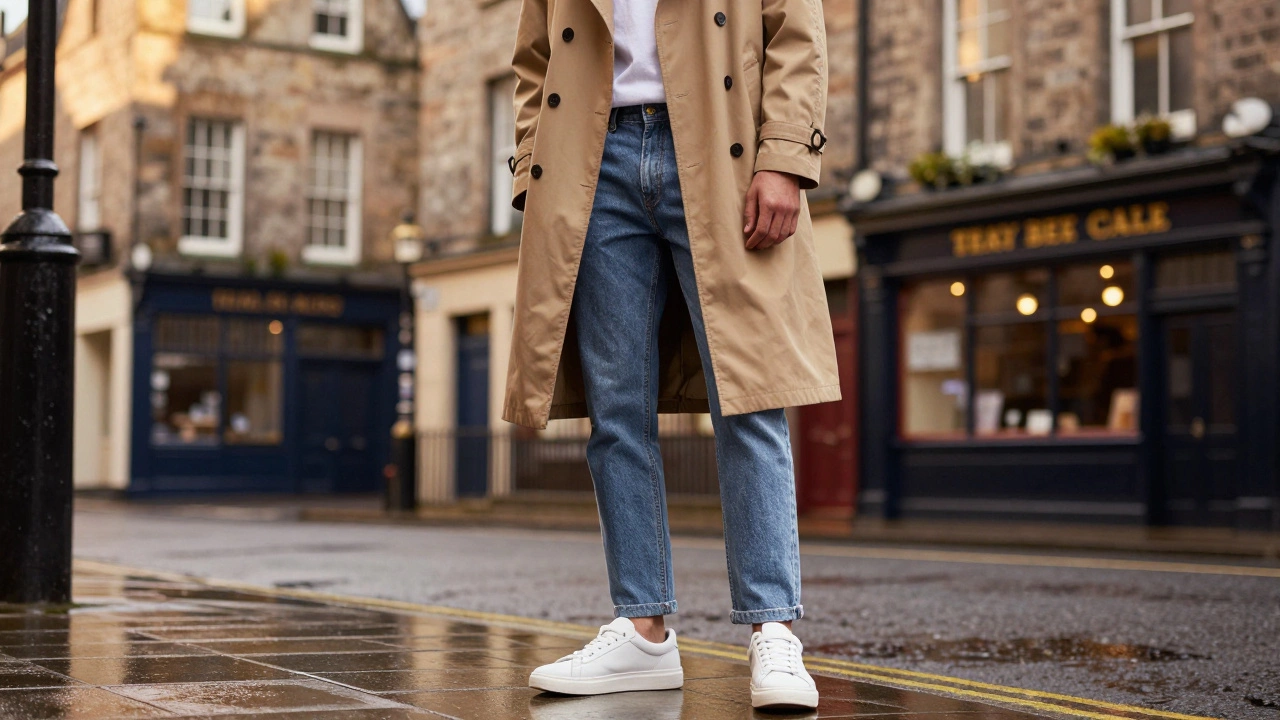
Trainers have become a staple of Irish fashion, transcending their athletic origins. In the past, wearing trainers to a pub might have been seen as too casual, especially in more conservative areas. Today, however, smart-casual attire often includes high-quality trainers paired with jeans or chinos. It’s a reflection of a broader shift towards comfort in daily life.
The rise of sneaker culture globally has influenced Ireland too. Collectors in Dublin trade limited-edition releases with enthusiasts worldwide. While they might discuss "sneakerhead" culture online, locally they still refer to the items as trainers. This blend of global internet slang and local vernacular creates a unique linguistic hybrid. You might hear a young person in Temple Bar say, "I’m hunting for some fresh kicks," using American slang, but then clarify, "Yeah, new trainers," when talking to an older relative.
Weather also plays a role in how trainers are worn. Ireland is known for its rain. Unlike Americans who might wear canvas sneakers year-round, Irish people tend to opt for leather or waterproof materials. Brands like Clarks or Dr. Martens, which have strong heritage in the region, offer hybrid styles that bridge the gap between rugged boots and comfortable trainers. This practical adaptation shows how environment shapes language and choice.
Why Language Matters in Business and Travel
For expats moving to Ireland, mastering small linguistic details like this can ease social integration. Ordering coffee in a cafe in Bray or chatting with colleagues in a tech hub in Swords becomes smoother when you use the expected vocabulary. It signals respect for local norms and helps build rapport. You’re not just correcting grammar; you’re aligning with cultural identity.
Tourists benefit too. Knowing that locals say trainers helps avoid awkward moments in shops. It also enhances the travel experience by making interactions feel more authentic. Instead of feeling like an outsider using a translation app, you’re participating in the local dialogue. Small things like this make a big difference in how welcomed you feel.
Business professionals should also be aware of these nuances. Marketing campaigns targeting the Irish market must use local terminology. Advertisements featuring "sneakers" may fail to connect with the audience, appearing out of touch or overly Americanized. Successful brands adapt their messaging to reflect local speech patterns, ensuring relevance and engagement.
Conclusion: Embracing Local Vernacular
So, do Americans say trainers or sneakers? They say sneakers. But in Ireland, we say trainers. This isn’t just a matter of preference; it’s a reflection of history, culture, and practicality. By adopting the local term, you show awareness and respect for the community you’re interacting with. Whether you’re buying a new pair for a hike in the Mourne Mountains or just walking to work in Dublin city center, calling them trainers connects you to the rhythm of daily life here.
Language evolves, and new terms may emerge. But for now, trainers reign supreme in Ireland. Next time you’re lacing up your shoes, remember the word that fits your location. It’s a small detail, but one that speaks volumes about your understanding of place and people.
Do people in Ireland ever use the word sneakers?
Rarely. While younger people exposed to American media might understand the term, it is not commonly used in everyday conversation. Most Irish people consider "sneakers" to be an Americanism and stick to "trainers" for clarity and cultural consistency.
What is the difference between trainers and plimsolls?
Plimsolls are a specific type of flat, canvas shoe with a thin rubber sole, traditionally worn for school physical education. Trainers is a broader term encompassing all types of athletic and casual shoes, including modern cushioned designs. Plimsolls are essentially a subset of trainers, but the term is mostly nostalgic today.
Can I wear trainers to a job interview in Ireland?
It depends on the industry. For creative fields, tech startups, or casual workplaces, clean, minimalist trainers might be acceptable. However, for traditional sectors like finance, law, or government, formal leather shoes are expected. Always err on the side of caution and choose dress shoes unless you know the company culture well.
Where can I buy affordable trainers in Dublin?
Popular options include JD Sports, Sports Direct, and Decathlon, which offer competitive prices on major brands. Second-hand shops in neighborhoods like Ranelagh or Phibsboro also provide budget-friendly choices. Online retailers like Amazon.ie or ASOS frequently run sales, but check return policies before purchasing.
Why do Americans use the word sneakers instead of trainers?
The term "sneakers" originated in the late 19th century in the US, referring to the silent rubber soles that allowed wearers to sneak up on others. This etymology resonated with American culture, whereas the British and Irish focus on the athletic function led to the term "trainers." Both terms reflect different historical perspectives on the purpose of the footwear.