Why Is Sportswear So Popular in Ireland?
Sportswear is popular in Ireland because it’s practical, weather-ready, and woven into daily life-from morning runs in Dublin to post-gym pints in Cork. It’s not fashion. It’s survival.
When people talk about sportswear, clothing designed for physical activity that’s built to handle real-world conditions. Also known as activewear, it’s not just about gyms or running tracks in Ireland—it’s about surviving the weather while staying mobile. In Ireland, sportswear isn’t a fashion choice. It’s a necessity. The rain doesn’t take days off. The wind doesn’t care if your leggings are on sale. And the ground? It’s either muddy, wet, or covered in puddles. That’s why the sportswear that works here isn’t lightweight or flashy. It’s durable, water-resistant, and made to last through long walks, work shifts, school runs, and weekend hikes.
What you’ll find in Irish wardrobes isn’t the same as what you see in magazines from warmer climates. Irish activewear, clothing designed for movement in cool, damp environments. Also known as weatherproof outdoor gear, it includes things like fleece-lined leggings, seam-sealed jackets, and boots with grippy soles. It’s not about looking like a pro athlete. It’s about staying dry while walking the dog, commuting to work, or chasing kids around the park. Brands like Clarks, Lululemon, and Thursday Boots aren’t popular here because they’re trendy—they’re popular because they hold up. Nurses wear Crocs because they’re slip-resistant on wet hospital floors. Older men wear waterproof layers because they want to keep hiking the hills without soaking through. Women choose ankle boots over heels because cobblestones and rain don’t care about fashion.
The real difference? Irish sportswear is designed for waterproof sportswear, garments treated or constructed to repel rain and moisture. Also known as weather-resistant clothing, it’s the backbone of daily life here. You won’t find many people in thin cotton joggers. You’ll see people in breathable, quick-dry fabrics, with hoods that stay on, and zippers that don’t jam. Even casual trainers—called runners here—are built with thick soles to handle wet pavement and uneven paths. And it’s not just about the material. Fit matters. Shoes need to be snug but not tight. Jackets need to layer over sweaters. Pants need room for thermal layers underneath. Every piece has a job.
What you’ll find below isn’t a list of trends. It’s a collection of real conversations from people who live here. You’ll learn why nurses swear by Crocs, why 70-year-old men still wear waterproof jackets, how trainers with slight heels help on slick streets, and why Levi’s never really left Irish closets. These aren’t fashion tips. They’re survival guides wrapped in everyday wear. Whether you’re new to Ireland or just tired of soggy socks, what follows will show you what actually works—and what doesn’t.
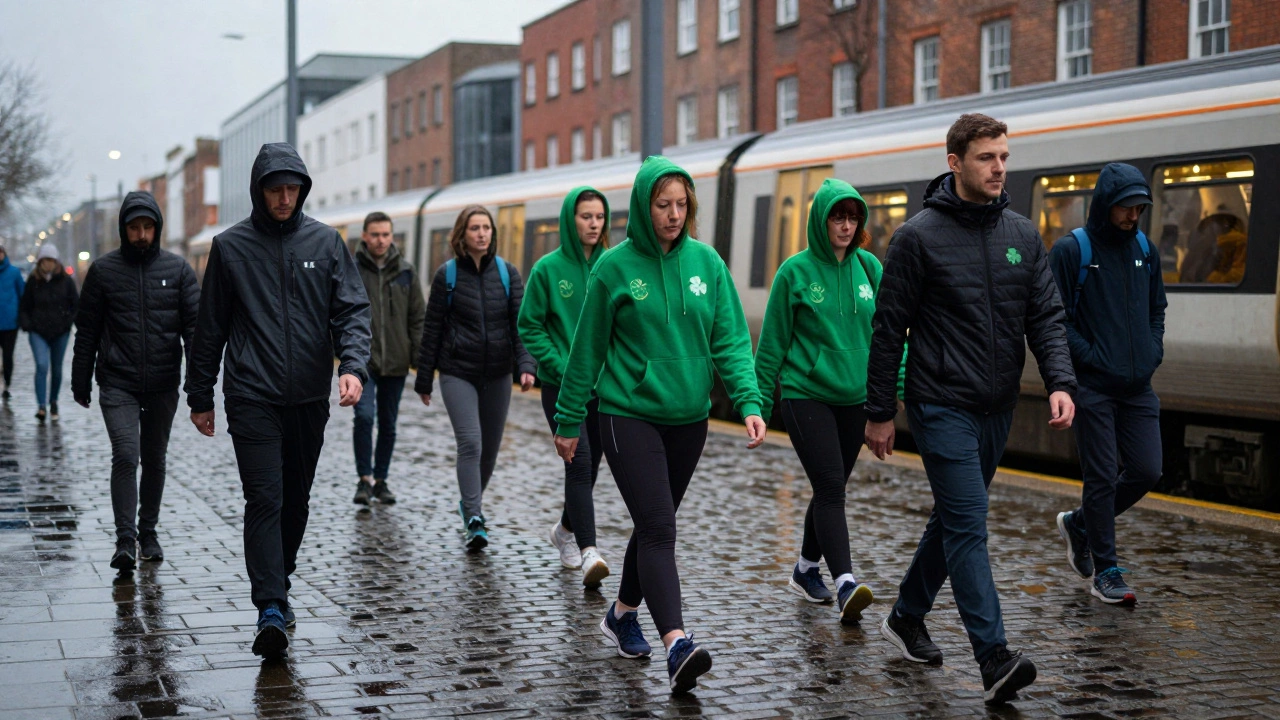
Sportswear is popular in Ireland because it’s practical, weather-ready, and woven into daily life-from morning runs in Dublin to post-gym pints in Cork. It’s not fashion. It’s survival.
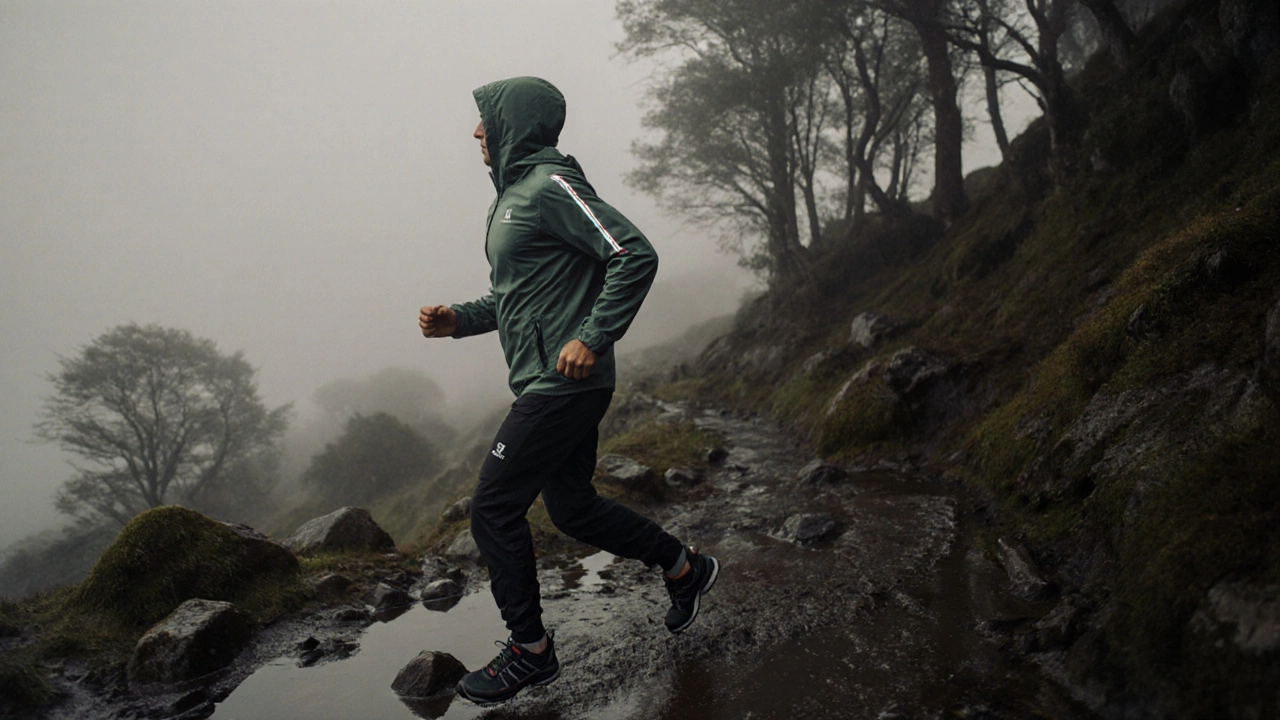
In Ireland, sportswear is defined by weather resistance, durability, and practicality-not fashion. Learn what fabrics, brands, and gear actually work for running, hiking, and daily movement in Ireland’s wet, windy climate.
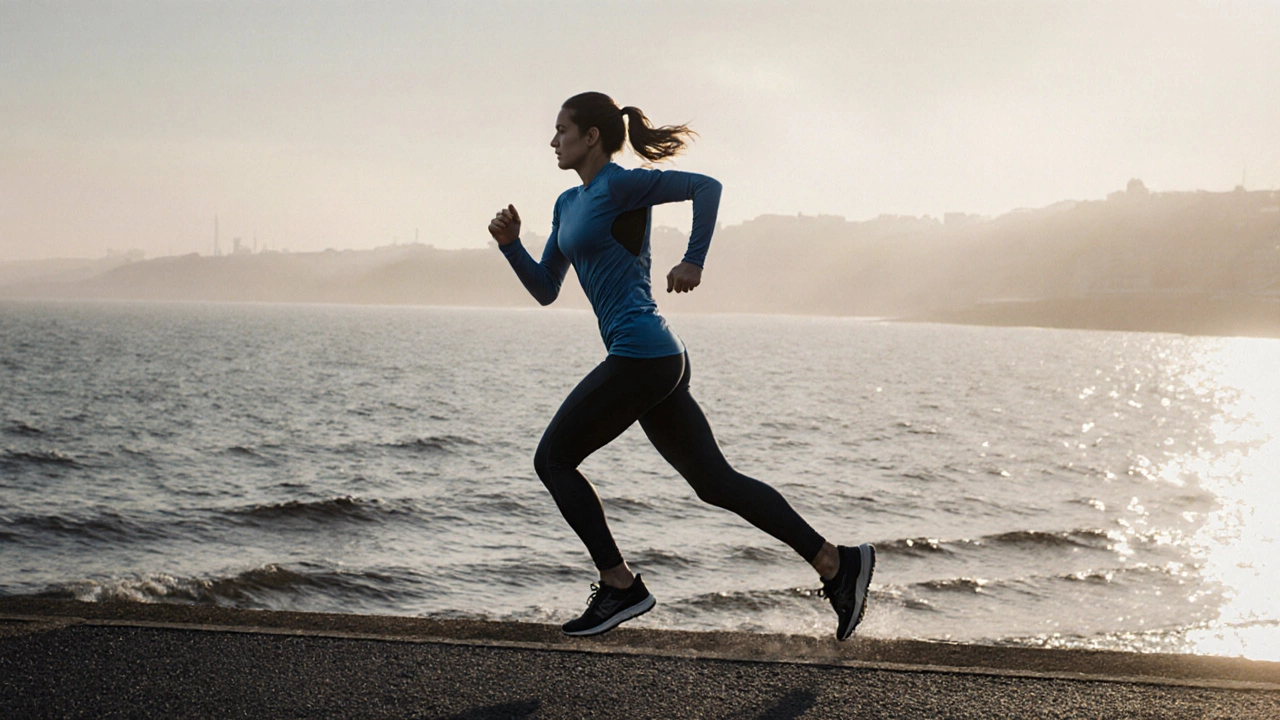
Discover what counts as sportswear in Ireland, the main types, local brands, buying tips, and how to choose gear that handles Irish weather.
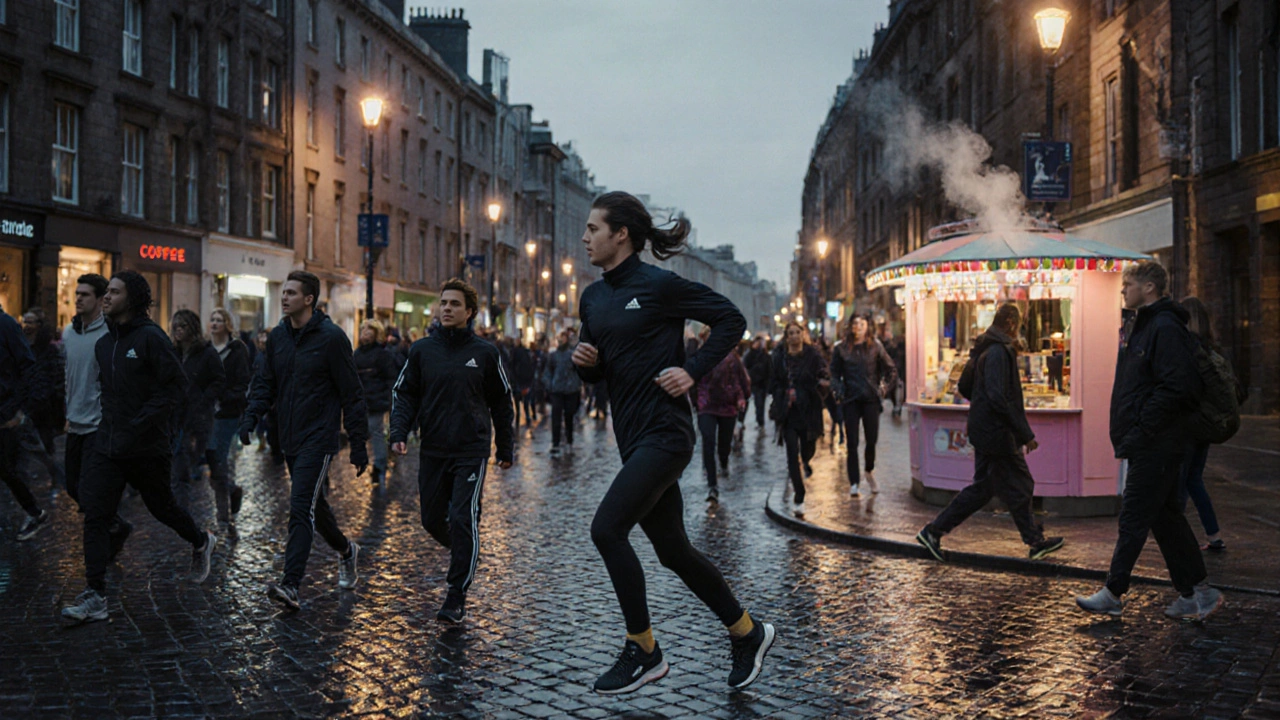
Discover why Adidas is the second largest sportswear brand worldwide and how it dominates Ireland's market with local collaborations, GAA gear, and where to buy it.

Discover sportswear in Ireland: from Gaelic games kits to practical rain gear, local brands, fabrics, trends, and tips for blending comfort, tradition, and style.