Nike environmental policy: What It Means for Irish Outdoor Gear Buyers
When you buy a pair of Nike environmental policy, a set of corporate commitments to reduce waste, lower carbon emissions, and use recycled materials in footwear and apparel. Also known as Nike Sustainability Goals, it shapes how global brands design gear—but does it matter when you’re walking through Dublin rain or hiking the Wicklow Mountains? The truth? Irish weather doesn’t care about corporate press releases. It cares about whether your boots keep your feet dry, your jacket blocks the wind, and your trainers don’t fall apart after three months of muddy trails.
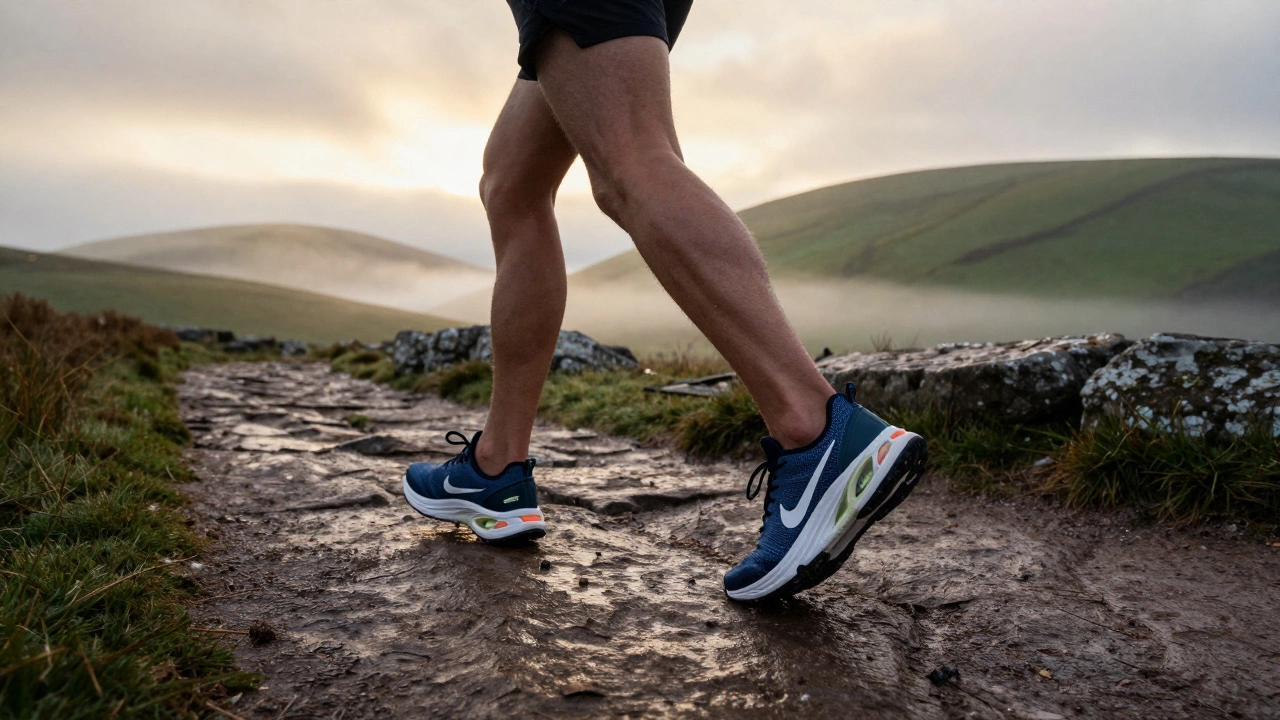
That’s why sustainable footwear, shoes made with recycled plastics, plant-based foams, and water-based glues isn’t just a buzzword here. It’s a practical upgrade. Brands like Nike claim their Air soles now use 50% recycled materials, and their Flyknit uppers cut fabric waste by 60%. But in Ireland, where the average person walks 12,000 steps a day in all kinds of weather, durability matters more than carbon offsets. A pair of Nike trainers might be made with recycled ocean plastic—but if the sole cracks after one winter, you’re just buying more waste.
Meanwhile, eco-friendly sportswear, clothing designed to last, repair, and recycle without relying on synthetic microplastics is already winning here. Local Irish brands use wool from Donegal sheep, waxed cotton from Cork, and rubber soles from reclaimed tires. They don’t need a global marketing campaign to prove they’re green. You can see it in the stitching, feel it in the weight, and trust it after a month of rain. That’s the real test.
The Irish outdoor gear, clothing and footwear built for Atlantic storms, uneven trails, and year-round dampness market doesn’t need big names. It needs honest materials. That’s why you’ll find more people in Galway wearing Clarks or local makers like Liffey Outdoors than Nike. Not because they hate the brand—but because their boots actually survive the weather. Nike’s environmental policy might sound good on paper. But if your shoes leak after two weeks of Irish drizzle, no amount of recycled content fixes that.
What you’ll find below are real stories from Irish walkers, nurses, seniors, and commuters—people who’ve tested gear in the rain, mud, and cold. They’ve tried the hype. They’ve worn the labels. And now they’re telling you what actually works. Whether it’s why Crocs are the real hero of Irish hospitals, why trainers here are called runners, or how a 70-year-old man stays dry on a Dublin bus—these aren’t about trends. They’re about survival. And when it comes to staying dry, warm, and comfortable in Ireland, the best environmental policy is the one that lasts.