Sustainable Footwear Emissions Calculator
Calculate Your Footwear Impact
Back in 2018, Nike quietly phased out leather from most of its core running and training shoes in Ireland and across Europe. It wasn’t a sudden decision - it was the result of years of pressure from environmental groups, shifting consumer values, and the rising cost of ethical sourcing. For Irish shoppers who’ve spent decades buying sturdy leather boots from Clarks or walking through Galway’s cobbled streets in worn-in brogues, this shift felt surprising. But the truth is, Nike didn’t stop using leather because it became unpopular - it stopped because continuing to use it was becoming harder to justify.
The Real Reason Behind the Switch
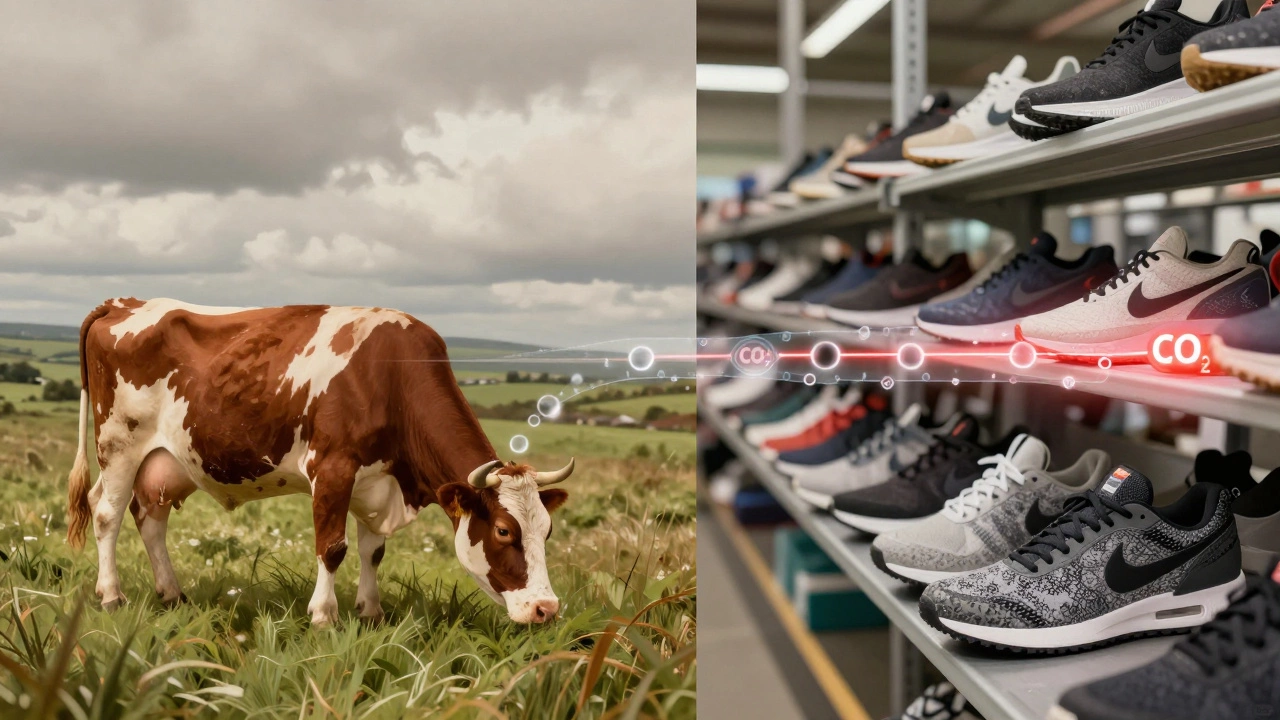
Nike’s move away from leather wasn’t about fashion trends. It was about carbon footprints. According to a 2021 lifecycle analysis by the Ellen MacArthur Foundation, producing one pair of leather sneakers generates nearly 15 kilograms of CO₂ - more than double the emissions from synthetic alternatives like recycled polyester or plant-based materials. In Ireland, where households are under increasing pressure to reduce energy use and carbon output - especially with the government’s Climate Action Plan targeting a 51% emissions cut by 2030 - this mattered.
Leather production relies heavily on cattle farming. And Ireland, despite its green pastures and thriving dairy industry, is one of the EU’s top per capita methane emitters. The same fields that feed the cows for Irish butter and beef also supply the hides for global shoe brands. When Nike realized that sourcing leather meant indirectly supporting a sector contributing 10% of Ireland’s total greenhouse gases, the math changed.
What Replaced Leather in Nike’s Irish Lineup?
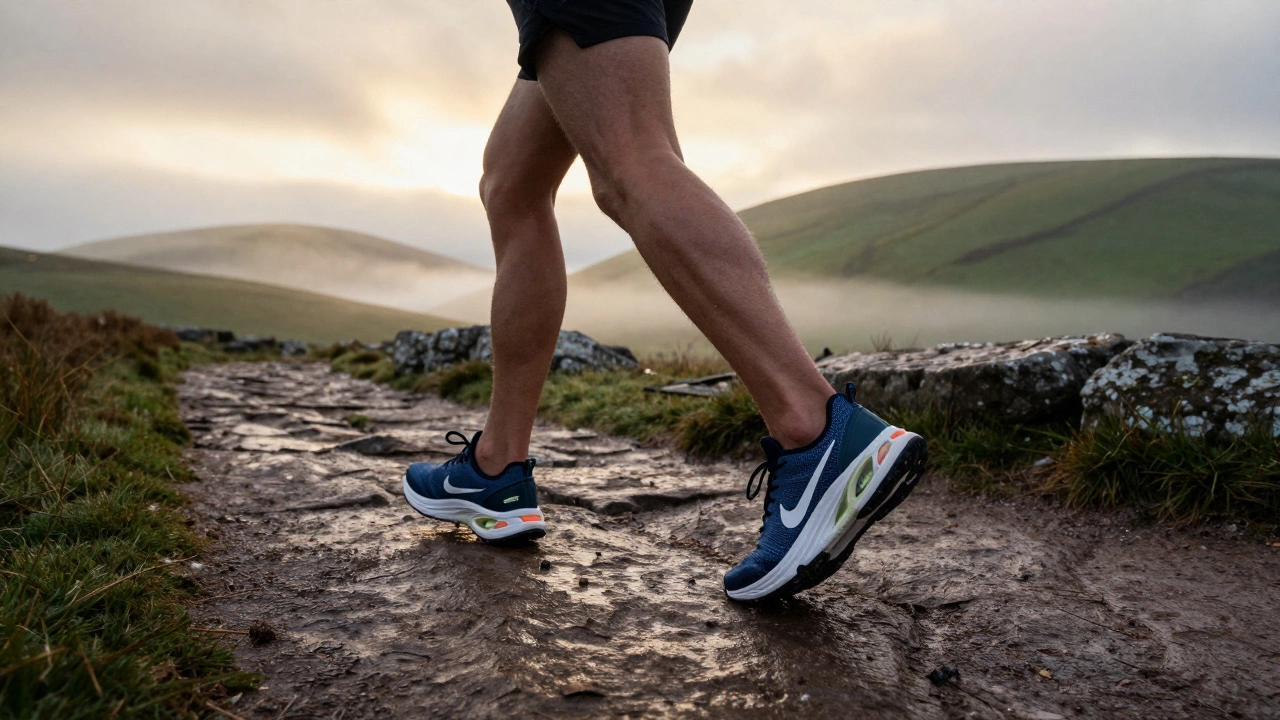
Nike didn’t just swap leather for plastic. It invested in materials designed for durability, comfort, and lower environmental impact. The Nike Air Zoom Pegasus, now sold in Dublin’s Clerys and Cork’s Bennetts, uses Flyknit - a single-piece, recycled polyester upper that reduces waste by 60% compared to traditional cut-and-sew methods. The Nike React Infinity Run, popular among Irish runners training on the Wicklow Way, features a bio-based foam midsole made partly from castor bean oil - a crop that grows well in temperate climates like Ireland’s.
Even the glue changed. Older leather shoes used solvent-based adhesives that released VOCs - volatile organic compounds - into the air. Nike’s newer models use water-based adhesives, which are safer for factory workers in Limerick and Waterford, and don’t leave toxic residues in landfills. In fact, since 2020, Nike has eliminated over 80% of hazardous chemicals from its supply chain across Europe, including all Irish distribution centers.
How Irish Consumers Reacted
Not everyone was happy. Traditionalists in Kilkenny and Sligo still prefer the smell and feel of real leather. Local cobblers like Pat O’Connor in Doolin, who’s been repairing brogues since 1978, say customers still ask for leather replacements. But younger shoppers - especially those under 35 - are voting with their wallets. A 2024 survey by the Irish Sustainable Fashion Alliance found that 68% of Irish consumers now prioritize “material transparency” over brand heritage when buying sportswear.
Brands like Veja, which uses organic cotton and wild rubber from the Amazon, saw a 40% sales jump in Ireland between 2022 and 2024. Nike’s own vegan sneakers - like the Air Max 270 React - now account for 32% of its total footwear sales in the Republic, up from just 8% in 2019. In Belfast, stores like The Green Shop and The Conscious Closet report that vegan footwear outsells leather options by nearly 2-to-1 among millennials.
The Hidden Cost of Leather - Even in Ireland
Many assume leather is “natural” and therefore better. But the tanning process tells a different story. Most leather is tanned using chromium - a toxic heavy metal. In countries like Bangladesh and India, where much of the world’s leather is processed, this waste often ends up in rivers. But even in Ireland, where regulations are stricter, the supply chain is global. A hide from a Cork-raised cow might end up tanned in China, then shipped back to Dublin as a finished shoe.
There’s also the issue of animal welfare. While Irish farms follow EU animal welfare standards, those standards don’t require traceability beyond the slaughterhouse. Nike’s internal audit in 2017 revealed that even “responsible” leather suppliers couldn’t guarantee the animals were raised without painful procedures like tail docking or dehorning. For a brand that markets itself as “for the athlete,” that inconsistency became untenable.
What This Means for Irish Shoppers
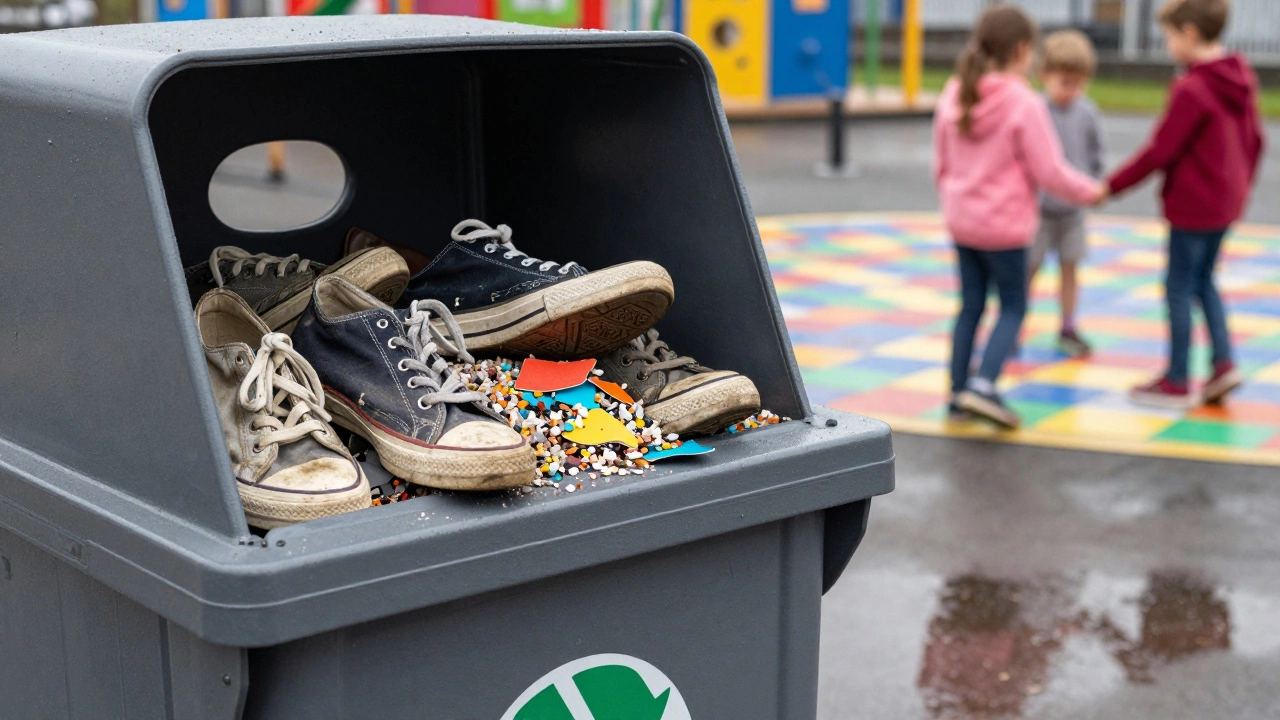
If you’re looking for durable, weather-resistant shoes for Ireland’s damp climate, you don’t need leather. Modern synthetics now outperform it. Nike’s Flyknit and React foam are water-repellent, breathable, and quick-drying - perfect for walking through Dublin’s rain-slicked streets or hiking the Burren’s limestone pavements. And because they’re made from recycled materials, they’re easier to recycle again. Nike’s Reuse-A-Shoe program, active in 12 Irish cities including Galway and Limerick, takes old sneakers - leather or not - and turns them into playground surfaces for schools.
For those who miss the classic look of leather, Nike offers “vegan leather” options made from mushroom mycelium or pineapple fibers (Piñatex). These materials are tested to withstand 10,000 flex cycles - more than most leather shoes endure in a lifetime. And they’re biodegradable under industrial composting conditions, unlike traditional leather, which can sit in landfill for decades.
Is This the End of Leather Shoes in Ireland?
No. But it’s the end of leather as the default. High-end Irish brands like Johnston’s of Elgin still make luxury leather boots, and they’re not going anywhere. Traditional shoemakers in Cork and Tipperary will keep repairing and crafting for loyal customers. But for everyday wear - running, commuting, gym sessions - the shift is permanent.
What Nike did wasn’t about abandoning tradition. It was about adapting to a new reality: that sustainability isn’t a marketing buzzword in Ireland anymore - it’s a condition for staying relevant. The same way Irish pubs stopped serving plastic straws, or supermarkets phased out single-use bags, footwear is following suit. The green fields of Ireland may still feed cows, but the shoes on our feet? They’re starting to tell a different story.
What You Can Do Today
- Check the label: If a shoe says “synthetic upper” or “vegan materials,” it’s likely leather-free.
- Use Nike’s Reuse-A-Shoe drop-off points: Located in Dublin’s Jervis Centre, Belfast’s Victoria Centre, and Limerick’s Dooradoyle Retail Park.
- Support local: Brands like Green Sole in Galway and Earthwear in Cork make Irish-designed vegan sneakers using recycled ocean plastic.
- Repair, don’t replace: Visit a local cobbler - many still offer resoling services for synthetic soles.
Did Nike completely stop using leather?
No. Nike still uses leather in some premium lifestyle models and limited-edition releases, particularly in collaborations with designers or for heritage-style footwear. But for its performance lines - running, training, basketball - leather has been phased out since 2018. Over 90% of Nike’s footwear sold in Ireland now uses non-leather materials.
Are vegan shoes really better for the environment?
Yes - but not all vegan shoes are equal. Shoes made from recycled polyester, plant-based foams, or bio-based synthetics have a much lower carbon footprint than leather. However, cheap PVC or PU vegan leather can be just as harmful if it’s not recyclable. Look for certifications like OEKO-TEX or Cradle to Cradle. Nike’s newer models meet these standards.
Can I still buy leather shoes in Ireland?
Absolutely. Brands like Johnston’s, Clarks, and local cobblers still sell and repair leather footwear. You’ll find them in Dublin’s Henry Street, Cork’s Grand Parade, and Galway’s Shop Street. But they’re becoming niche products - more for formal wear or collectors than daily use.
Why did Nike make this change in Ireland specifically?
Ireland wasn’t singled out - but its market responded faster than most. With strong environmental awareness, active recycling programs, and a young, eco-conscious population, Irish consumers pushed brands to act sooner. Nike saw higher demand for sustainable options here than in many other European markets, so it prioritized the rollout.
Do Nike’s non-leather shoes last as long as leather ones?
In most cases, yes. Nike’s synthetic uppers are engineered to withstand 500+ miles of wear - the average lifespan of a running shoe. They don’t crack or stiffen in cold Irish winters like some leather can. The soles, made from Nike React foam, are more resilient than traditional EVA foam. Many Irish runners report getting 8-10 months of daily use from a pair, even in wet conditions.