Irish Work Footwear: Practical Shoes for Rain, Mud, and Long Days
When it comes to Irish work footwear, shoes designed to handle Ireland’s wet, uneven ground and long shifts. Also known as work boots, they’re not about looking sharp—they’re about staying dry, safe, and standing for hours without pain. In Ireland, your shoes aren’t just accessories. They’re survival gear. Whether you’re walking through muddy fields, standing on wet hospital floors, or commuting through flooded city streets, your footwear has to earn its place.
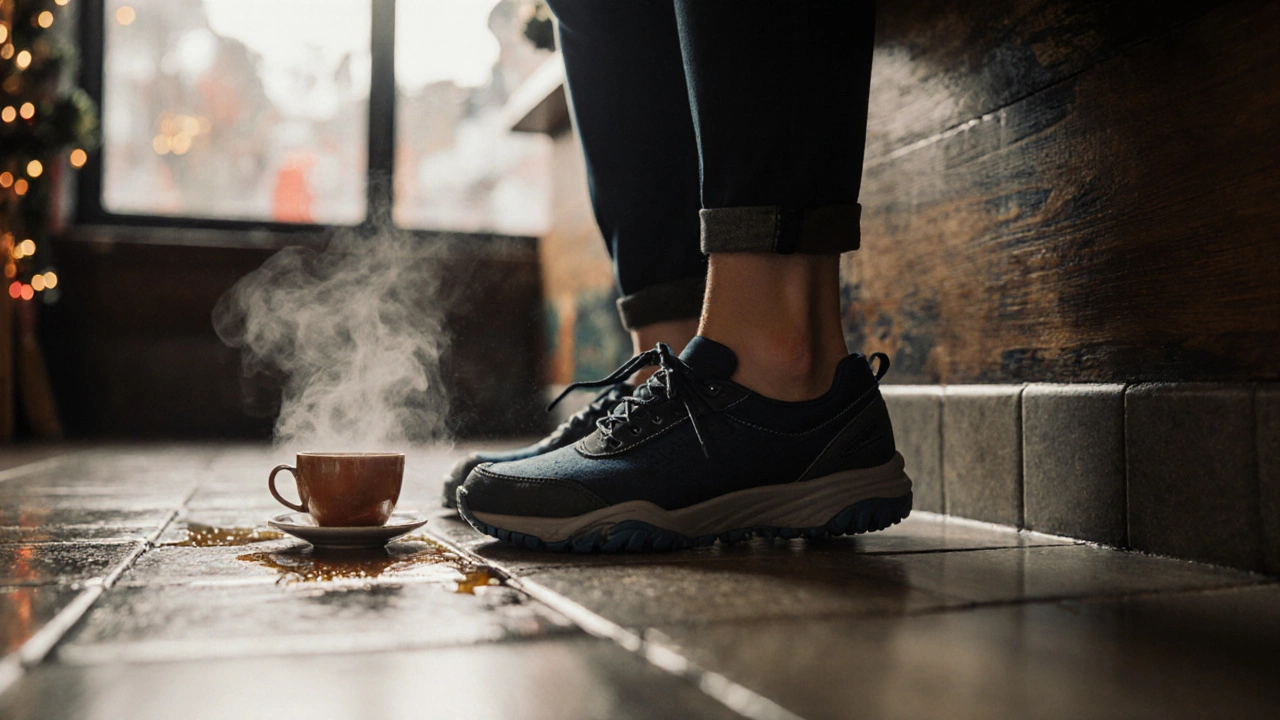
Take Crocs, lightweight, slip-resistant shoes worn by nurses across Irish hospitals. Also known as hospital footwear, they’re not trendy—they’re necessary. Nurses wear them because they’re easy to clean after spills, cushioned for 12-hour shifts, and grip wet tiles better than leather soles. The same logic applies to waterproof work boots, heavy-duty footwear built for farmers, builders, and outdoor workers. Also known as muck boots, they keep feet dry in rain, slush, and manure. These aren’t luxury items. They’re tools.
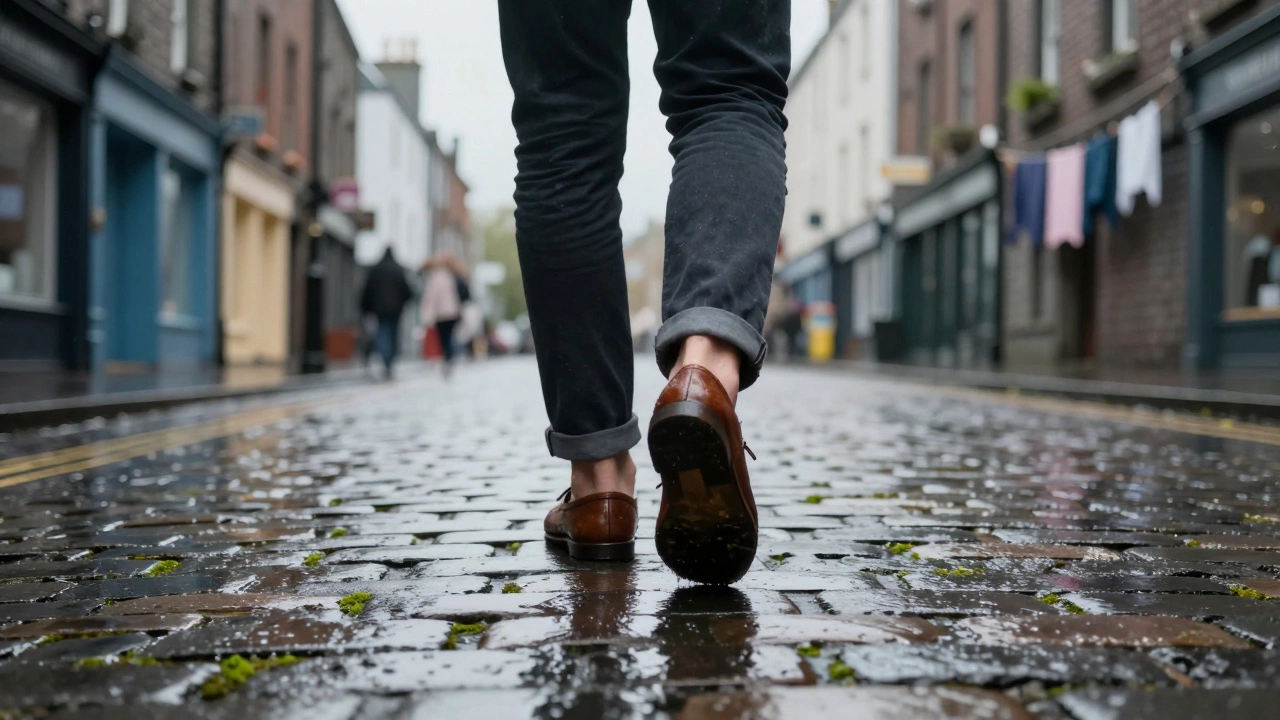
Irish work footwear doesn’t care about trends. It cares about grip, warmth, and durability. A pair of Irish work footwear might cost more upfront, but it lasts longer than cheap sneakers that fall apart after one winter. Brands like Clarks, Dubarry, and even Thursday Boots are popular not because they’re stylish, but because they handle cobblestones, puddles, and cold winds without breaking down. Even trainers—called runners here—are designed for Irish conditions: thick soles, water-resistant uppers, and enough support to keep feet from aching after a long day on uneven ground.
It’s not just about the shoe. It’s about the job. A nurse needs slip resistance. A farmer needs ankle support. A construction worker needs steel toes. Each role demands a different feature, but they all share one thing: they need to work in weather that doesn’t care if you’re dressed for it. That’s why Irish work footwear isn’t imported from places with dry summers. It’s built for Atlantic storms, muddy lanes, and concrete floors that never fully dry.
Below, you’ll find real stories from people who wear these shoes every day. You’ll learn why nurses swear by Crocs, why some men over 70 still choose sturdy boots over sneakers, and how even casual footwear in Ireland is shaped by rain, not fashion. No fluff. Just what works—on the ground, in the rain, and on the clock.