Irish Weather Boots
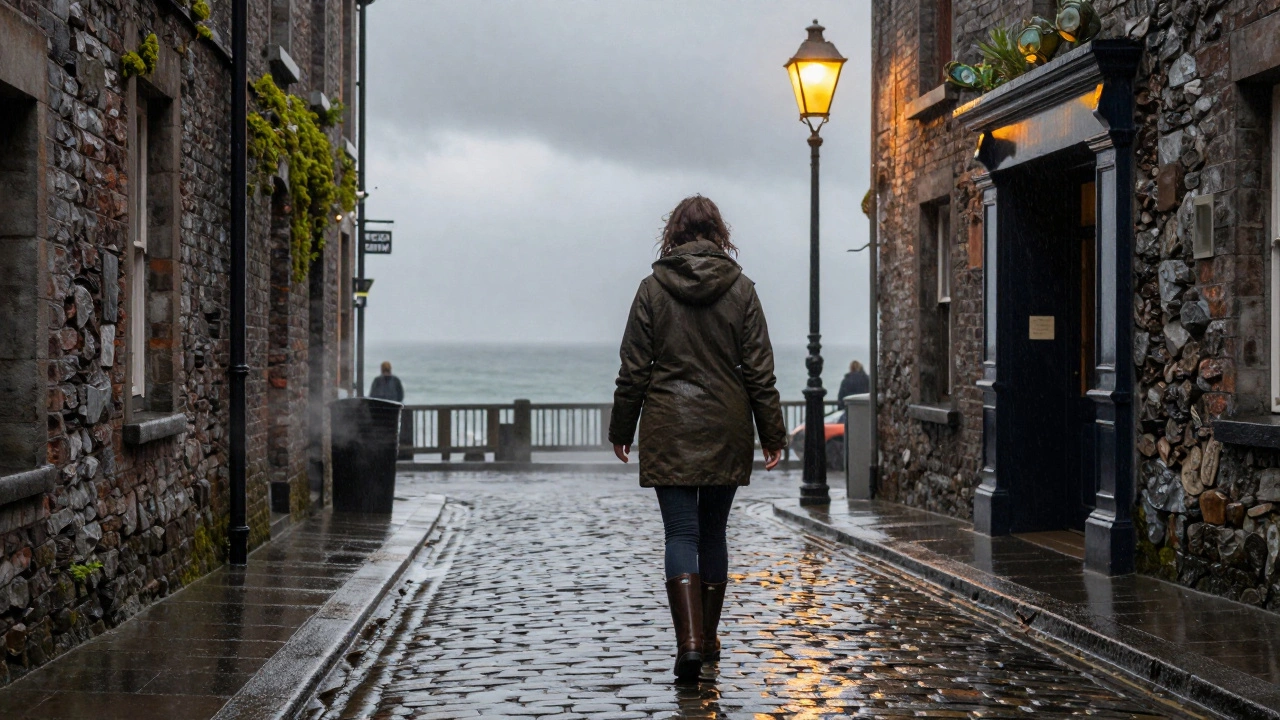
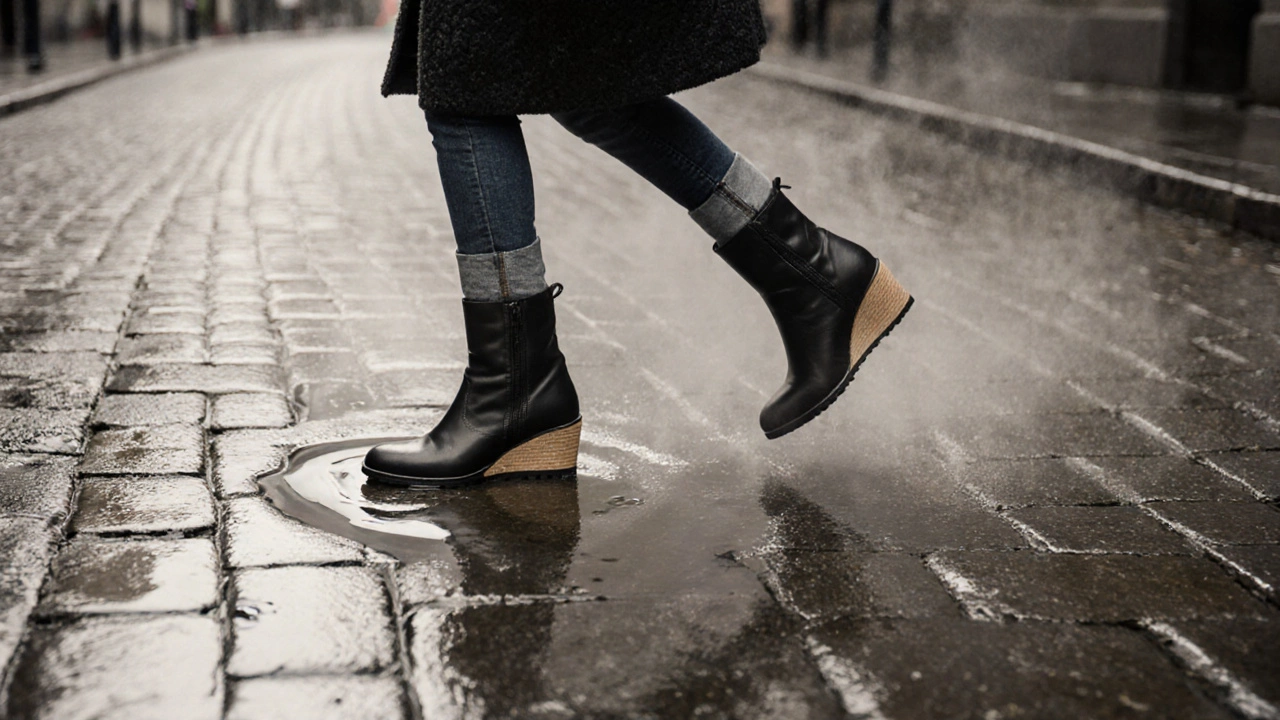
When you live in Ireland, Irish weather boots, sturdy, waterproof footwear built to handle constant rain, muddy fields, and icy sidewalks. Also known as muck boots, they’re not just for farmers or hikers—they’re the everyday shoe for anyone who steps outside. You don’t choose them because they look good. You choose them because your feet stay dry, your ankles stay safe, and you don’t end up slipping on wet cobblestones in Galway or puddles in Dublin.
These boots are different from regular shoes. They’re made with thick rubber soles that grip slick surfaces, sealed seams that keep water out, and insulation that keeps warmth in even when it’s raining sideways. You’ll see them on nurses leaving shifts at Cork University Hospital, teachers walking kids home from school in Wicklow, and grandmas heading to the market in Sligo. They’re worn by people who can’t afford to wait out the storm or change shoes halfway through the day. Brands like Muck Boots, a top choice in Ireland for durability and comfort in wet conditions and Wellington boots, the classic rubber boot style still common in Irish households dominate because they work—no gimmicks, no trends, just function.
Irish weather boots aren’t seasonal. They’re year-round gear. In winter, they keep your feet warm when the wind cuts through layers. In spring, they handle the mud from fields and park paths after heavy rain. Even in summer, when the sun finally shows up, they’re still the go-to for sudden downpours or damp grass at a festival. Unlike trainers or casual shoes that get soaked in minutes, these boots shrug off water like it’s nothing. And they’re not just for walking. You’ll find them on construction sites, in stables, at fishing piers, and even in city offices where people change into them after commuting through flooded streets.
What makes them truly Irish isn’t the brand or the design—it’s the necessity. If you’ve ever stood in a puddle for ten minutes waiting for a bus and felt your socks turn to sponges, you know why these boots exist. They’re not optional. They’re survival gear disguised as footwear. And if you’re living here, you’ll learn fast: no matter how nice your shoes look, if they don’t handle Irish weather, they don’t belong in your closet.
Below, you’ll find real stories from people who’ve tested these boots in every kind of Irish condition—from stormy coastlines to muddy farm lanes. You’ll see what works, what doesn’t, and why some boots cost more but last ten times longer. No fluff. Just facts from the ground up.