Irish Shoe Comfort Calculator
Find Your Perfect Irish Shoe
Answer a few questions about your typical conditions and we'll recommend the most comfortable shoe brand for you in Ireland's unique weather and terrain.
Your Recommended Shoe
Why this works for you: Your choices show you need reliable traction, waterproofing, and durability in Ireland's rainy and uneven terrain. These boots feature:
- Thermoplastic polyurethane sole that grips wet stone like a climbing shoe
- Fully waterproof construction for daily rain exposure
- Slip-on design for quick access in sudden downpours
Why Other Brands May Not Work as Well
Clarks
Great for arch support but not fully waterproof. May cause discomfort after prolonged rain exposure.
Hunter
Excellent for deep mud but heavy and may cause fatigue on long cobblestone walks.
In Ireland, where rain is a daily companion and cobblestones replace sidewalks, the question isn’t just what brand of shoe is the most comfortable-it’s which one survives a Galway winter and still lets you walk from the pub to the bus stop without screaming. Comfort here doesn’t mean soft insoles and pretty stitching. It means traction on wet stone, insulation against Atlantic winds, and the kind of durability that outlasts three seasons of puddle-jumping in Dublin’s south side.
Why Comfort in Ireland Is Different
Comfort isn’t the same everywhere. In California, it’s a slip-on sneaker. In Tokyo, it’s lightweight loafers. In Ireland, comfort is defined by three things: rain, rock, and resilience. The average Irish person walks 1.8 miles a day-mostly on uneven pavement, moss-covered paths, and unsealed country roads. And 212 days a year, it’s raining. That’s not a myth. That’s Met Éireann data.
Shoes that feel great in a showroom often fail here. Leather soles turn to sludge. Thin midsoles collapse after two months. And if the upper isn’t fully sealed? Your socks become sponges. The best women’s boots in Ireland aren’t chosen for style-they’re chosen because they kept someone dry walking from Dún Laoghaire to the Dart station in January.
The Top Brands That Actually Work Here
Not all brands make the cut. Some are too light. Others look good on Instagram but crack after the first frost. Here’s what works, based on real user reports from Cork, Belfast, and Donegal.
- Clarks - Their Desert Boot and Walk ‘n’ Go lines are surprisingly popular in Ireland, especially among older women who need arch support. The cushioned footbed and rubber sole handle wet pavement better than most. They’re not waterproof, but they’re breathable and forgiving on long days.
- Blundstone - These Australian boots are a quiet favorite in rural Ireland. Why? They’re slip-on, waterproof, and have a thermoplastic polyurethane sole that grips wet grass like a climbing shoe. Farmers’ wives, teachers, and nurses all swear by them. The 500 and 550 series are the most common. You’ll see them outside the Co-op in Sligo and the bus stop in Waterford.
- Dr. Martens - Yes, the classic 1460s. They’re not the most comfortable out of the box, but after a few weeks of breaking them in, they become armor. The air-cushioned sole absorbs shock from uneven sidewalks, and the leather holds up against salt and slush. Many Irish women pair them with thick wool socks for winter. They’re not for hiking, but they’re perfect for city life.
- Hunter - If you’ve ever walked through a bog in Kerry or stood in a muddy field at the Kilkenny Folk Festival, you know Hunter boots. The Original Tall Boot is the gold standard. Rubber construction means zero water penetration. The tread grips muddy lanes better than most hiking boots. They’re heavy, yes-but in Ireland, weight means stability.
- Geox - Less common but growing fast. Their Urbana line uses patented breathable membranes that keep feet dry without trapping sweat. Ideal for Dublin’s damp winters where you’re indoors all day and then walk home in a downpour. They’re not rugged, but they’re smart for office-to-pub transitions.
What to Avoid
Some brands are popular elsewhere but vanish in Ireland’s climate. Avoid:
- Thin ballet flats - they’re useless on wet cobbles.
- Lightweight running shoes - they soak through after one rainy commute.
- Shoes with smooth soles - they’re death on Dublin’s wet granite.
- Boots with no ankle support - the Irish terrain is unforgiving. Twisted ankles are common in spring when the ground is soft from thaw.
Even if a boot is on sale at Brown Thomas or Penneys, if it doesn’t have a rubber outsole, waterproof lining, and at least 1cm of heel rise, it’s not built for here.
Where to Buy in Ireland
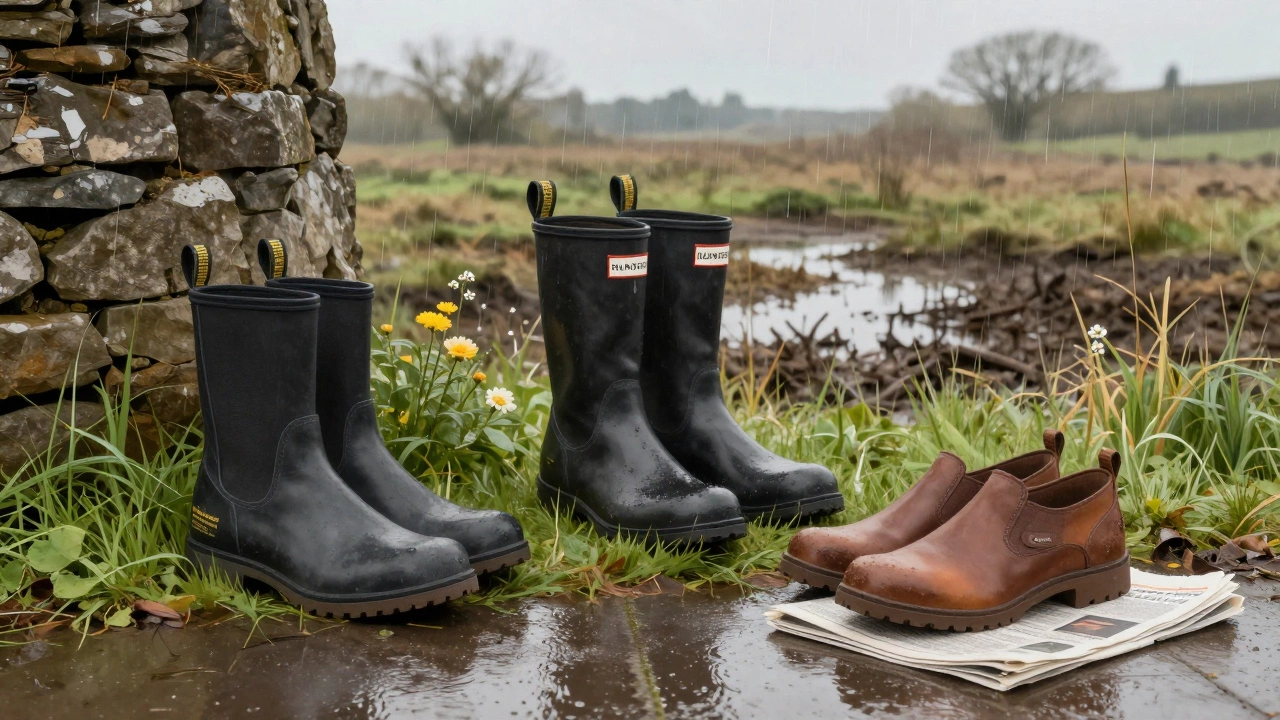
You don’t need to order online. Local shops know what works.
- Clarks - Found in every major mall: Dundrum Town Centre, Charleville Mall, and Limerick’s Crescent Shopping Centre.
- Blundstone - Sold at Outdoor Ireland in Galway, Mountain Warehouse in Cork, and Go Outdoors in Belfast.
- Hunter - Available at Boots in Dublin city center and John Lewis in Belfast.
- Geox - Look in Debenhams (where still open) or Shoe City in Limerick and Waterford.
Many of these stores offer free in-store fitting. Bring your own socks. Walk around the store. Test the grip on the wet tile floor. That’s the real test.
Real Talk: What Irish Women Actually Wear
Ask a woman in Mayo what she wears on a Tuesday morning in February. She won’t mention fashion. She’ll say, “My Blundstones.” Or, “My Clarks from last year-they’re still going.”
In the west, where the wind cuts through everything, layered wool socks under waterproof boots are standard. In cities, women often rotate between a pair of waterproof ankle boots for work and a heavier pair for weekend walks in Phoenix Park or along the Cliffs of Moher.
One woman in Wexford told me she bought her Hunter boots in 2020. They’ve been through three floods, a trip to the Galway Races, and two winters of ice. She still wears them. “They’re not sexy,” she said, “but they’re the only thing that doesn’t leak.”
How to Make Them Last
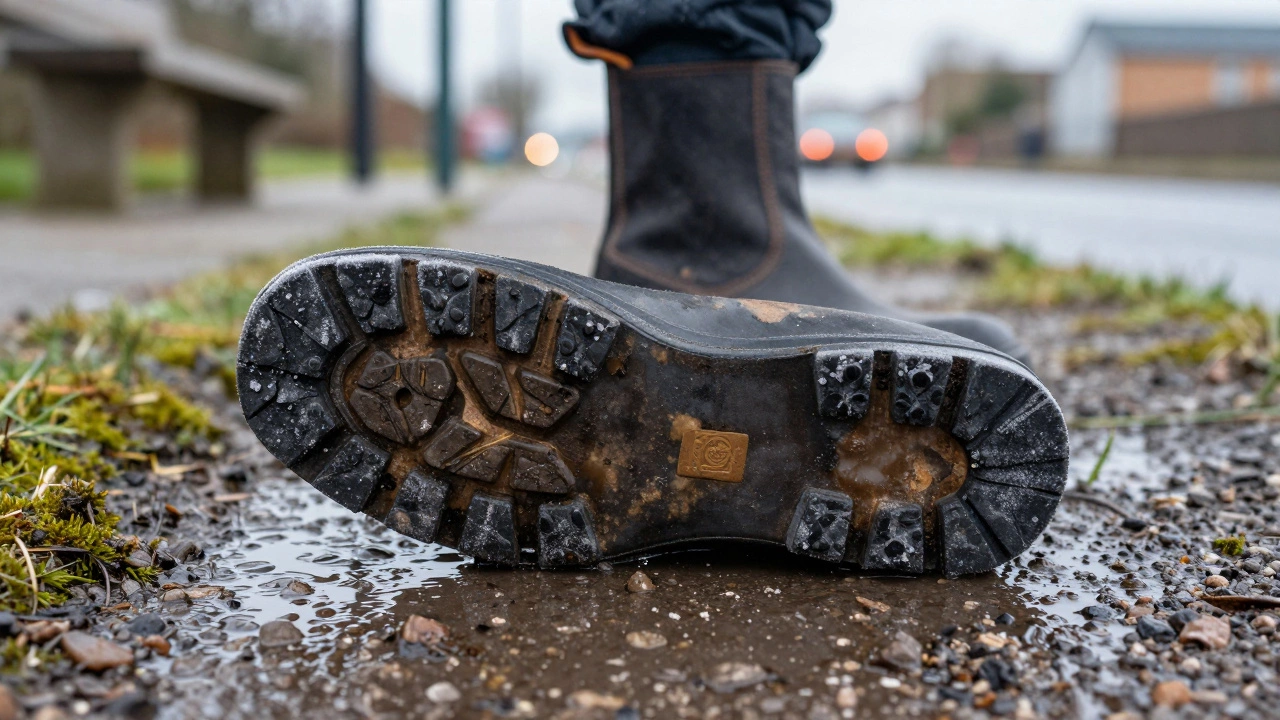
Comfort isn’t just about the boot-it’s about maintenance.
- Use a waterproof spray every 6 weeks, especially after salt exposure.
- Stuff them with newspaper after rain to keep their shape and dry them slowly.
- Replace insoles every 12 months if you’re walking daily. Brands like Superfeet make insoles designed for wide feet and flat arches-common in Irish women.
- Don’t dry them near radiators. Heat cracks leather and melts glue.
Most Irish women who swear by their boots have a ritual. A quick wipe-down after every wet walk. A weekly brush. A little conditioner every spring. It’s not luxury-it’s necessity.
Final Answer: What’s the Most Comfortable?
There’s no single answer. But if you had to pick one brand that balances comfort, durability, and Irish conditions? Blundstone wins.
They’re not the cheapest. They’re not the flashiest. But they’re the only ones that work without compromise. You can walk from a Dublin coffee shop to the Guinness Storehouse in them. You can stand in a muddy field at the Fleadh Cheoil. You can take the bus home after a night out in Limerick, and your feet won’t feel like they’ve been through a washing machine.
Clarks are great for arch support. Hunter is unbeatable for deep mud. Dr. Martens have soul. But if you want one pair that handles everything Ireland throws at you-rain, rock, cold, and chaos-Blundstone is the quiet champion.
And if you’re still unsure? Go to any local shoe store. Ask for a pair that’s been sold the most in the last year. The answer will be the same across the country.
Are waterproof boots really necessary in Ireland?
Yes. Ireland averages 150-250 rainy days a year, depending on the region. Even in summer, sudden downpours are common. Waterproof boots prevent soaking, blisters, and cold feet. Non-waterproof shoes lead to discomfort, longer recovery times, and even foot infections in damp conditions.
What’s the best boot for walking on cobblestones?
Look for a thick, rubber outsole with deep lugs-like Blundstone or Hunter. Avoid thin, smooth soles. The tread needs to grip wet stone without slipping. Many Irish walkers prefer boots with a slight heel (1-2 cm) for better balance on uneven surfaces.
Can I wear sneakers in Ireland during winter?
Only if they’re fully waterproof and insulated. Most standard sneakers will soak through in under an hour in Irish rain. Even brands like Nike or Adidas that claim “water-resistant” aren’t built for prolonged exposure. Stick to boots with sealed seams and thick soles.
How long should a good pair of Irish boots last?
With proper care, a quality pair lasts 2-4 years. Blundstone and Hunter boots often last longer because they’re designed for heavy use. If your boots show cracking in the sole or leaking seams before two years, they weren’t built for Irish conditions.
Are expensive boots worth it in Ireland?
Yes. A €150 boot that lasts four years costs less per day than a €50 pair that wears out in six months. Plus, comfort prevents long-term foot pain, back issues, and missed days. In Ireland, where you’re always on your feet, investing in quality isn’t luxury-it’s health.
What to Do Next
Don’t buy boots based on a photo or a sale. Go to a store. Walk. Test. Ask for the most popular pair sold this season. Talk to the staff-they’ve seen every kind of foot and every kind of weather. If you’re buying online, choose a retailer with free returns. And remember: the most comfortable boot isn’t the one that feels nice on day one. It’s the one that still feels good after your 100th rainy walk.