Ireland Activewear: Practical Gear for Rain, Wind, and Everyday Movement
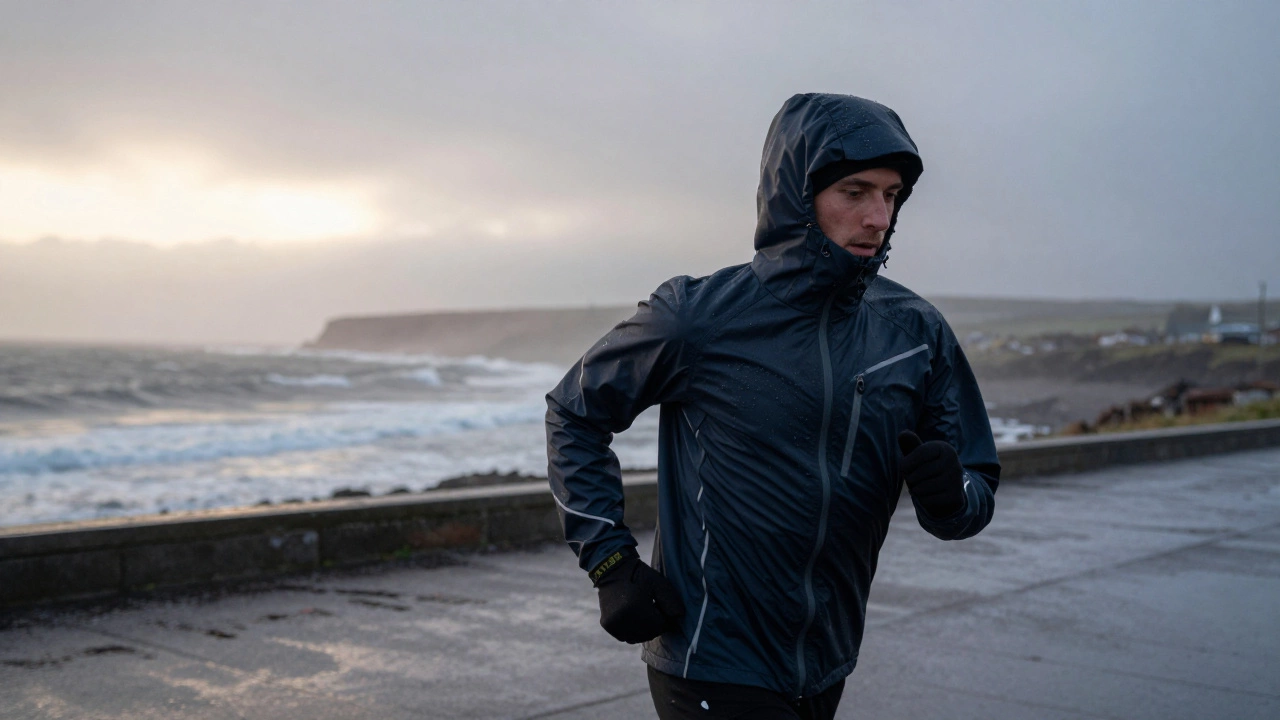
When we talk about Ireland activewear, clothing and footwear designed for movement in Ireland’s wet, windy climate. Also known as Irish outdoor gear, it’s not about looking good on a treadmill—it’s about staying dry, warm, and mobile through endless rain, muddy trails, and cobblestone streets. This isn’t gym wear from a city catalog. It’s what people actually wear to walk the dog, commute to work, hike the Wicklow Way, or stand all day in a hospital corridor.
Think about the sportswear Ireland, functional clothing built for damp conditions and frequent use. Also known as Irish outdoor gear, it’s defined by one thing: durability. It’s the durable trainers called "runners" that locals swear by, the waterproof jackets made from waxed cotton, the leggings that don’t get see-through when wet, and the boots that grip wet cobblestones like they’re made for them. This isn’t fashion—it’s survival. Brands like Clarks, Lululemon, and Thursday Boots aren’t popular here because they’re trendy. They’re popular because they last. A jacket isn’t just called a jacket here because of style—it’s called a jacket because the Atlantic wind won’t let you forget it. And then there’s the footwear. durable trainers, everyday shoes built for Ireland’s wet ground and uneven paths. Also known as Irish walking shoes, they’re not just for running—they’re for grocery runs, school runs, and long shifts on hospital floors. Nurses wear Crocs. Seniors wear snug Thursday Boots. Younger people wear runners with slightly elevated soles because flat soles just don’t cut it on wet sidewalks.
What you’ll find in these posts isn’t a list of trends. It’s a real talk guide to what works when the weather turns, the ground gets slick, and your feet are tired. You’ll learn why Levi’s never left Irish wardrobes, how to pick summer dresses that don’t look washed out under cloudy skies, and why a grey suit is more than just formal—it’s practical. You’ll see how Irish people adapt global brands to local needs, why certain colors flatter Irish skin tones under soft light, and how even flip-flops have a different name here. This isn’t about looking like a magazine spread. It’s about dressing for life as it actually is in Ireland—wet, wild, and wonderfully real.