Sportswear Fabric Checker for Ireland
Check if your sportswear fabric blend meets Ireland's weather requirements. Based on article content, fabrics should contain at least 80% synthetic materials with cotton under 20%.
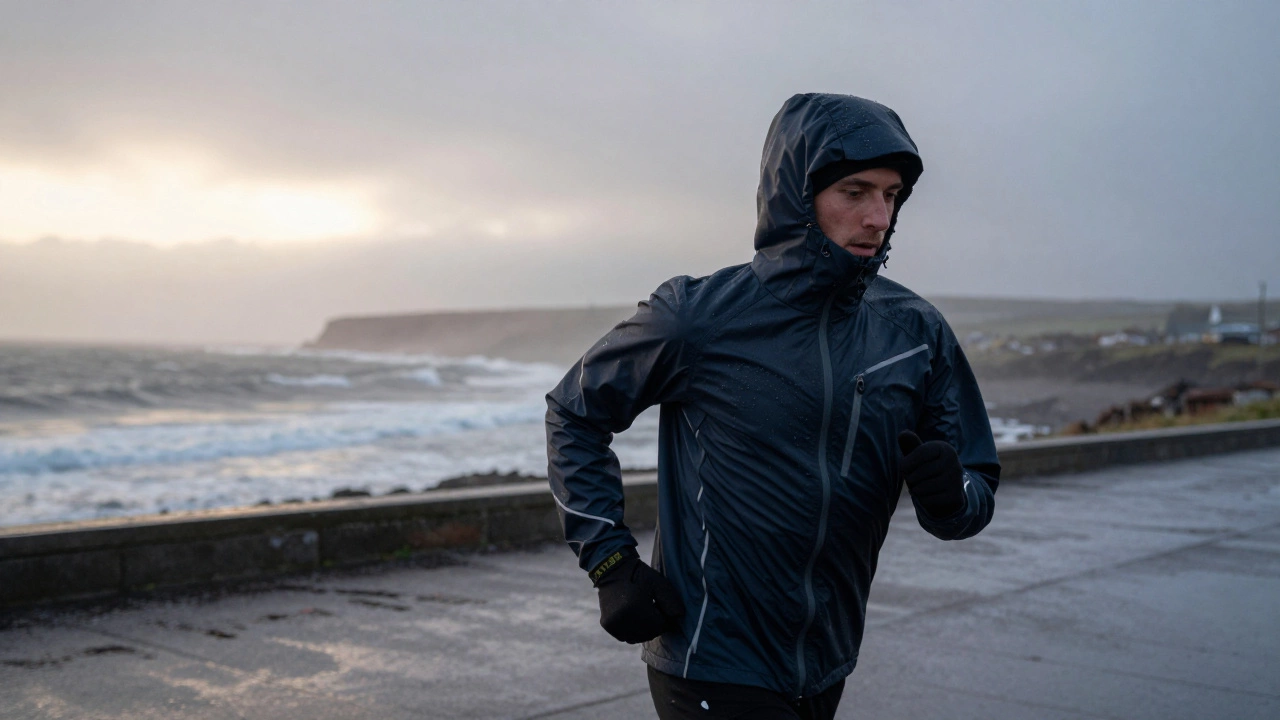
When you’re running along the DART coastline in Dun Laoghaire, hiking the Wicklow Way, or training in a drizzly Dublin park, your sportswear isn’t just about looking good-it’s about surviving the weather. In Ireland, sportswear has to do more than stretch and breathe; it has to handle constant rain, sudden wind gusts off the Atlantic, and temperatures that swing from 2°C to 18°C in a single day. The characteristics of sportswear here aren’t the same as in sun-drenched Mediterranean climates. They’re shaped by geography, culture, and the simple fact that you’ll likely get wet, no matter how hard you try to avoid it.
Moisture-Wicking Fabrics Are Non-Negotiable
Forget cotton. If you’re wearing cotton joggers on a Sunday morning run in Galway, you’re not just uncomfortable-you’re risking chills that last hours. In Ireland, sportswear needs to pull sweat away from your skin and dry fast. That’s why brands like Adidas, Nike, and local Irish labels like Claddagh Running and Wicklow Active rely on polyester blends, nylon, and advanced synthetics like Dri-FIT or Coolmax. These materials don’t soak up moisture like a sponge. Instead, they move it to the outer layer where it evaporates, even when the air is thick with damp.
Look for labels that say ‘moisture-wicking’ or ‘quick-dry.’ If you’re shopping at Decathlon in Cork or Lidl’s activewear section in Belfast, check the fabric content. Anything over 80% cotton? Put it back. You’ll thank yourself when you’re drying off in a pub after a 7 a.m. trail run in the Burren.
Wind and Water Resistance Are Built In
Ireland’s weather doesn’t wait for you to finish your warm-up. A clear sky in the morning can turn into a sideways downpour by lunch. That’s why outer layers in Irish sportswear aren’t just jackets-they’re shields. Look for garments with DWR (Durable Water Repellent) coatings and taped seams. Brands like Patagonia and Columbia are popular here not because they’re trendy, but because their Omni-Shield tech actually works in County Clare.
Even mid-layer fleeces and hoodies designed for Irish conditions often come with a windproof membrane. You’ll see this in products sold at Go Outdoors in Limerick or Mountain Equipment in Dublin. These aren’t fashion statements-they’re survival gear. A lightweight, packable windbreaker with a hood that fits over a beanie? That’s the standard uniform for runners in the Phoenix Park and cyclists on the Great Western Greenway.
Thermal Regulation for Unpredictable Temperatures
One minute you’re sweating in a 15°C breeze off the Shannon, the next you’re shivering at 5°C on the cliffs of Moher. Irish sportswear needs to adapt. That’s why layering isn’t optional-it’s a system. Base layers made of merino wool or synthetic blends keep you warm without bulk. Mid-layers like lightweight insulated vests (think The North Face ThermoBall) trap heat without restricting movement. Outer shells block wind and rain.
Unlike in warmer climates where people wear one piece of clothing, Irish athletes wear three. It’s practical. It’s common. And it’s why you’ll see people in Cork or Sligo wearing a sleeveless base layer under a zip-up hoodie, even in summer. There’s no such thing as ‘just a t-shirt’ here when the forecast says ‘showers and 10°C.’
Reflective Elements and Visibility Matter
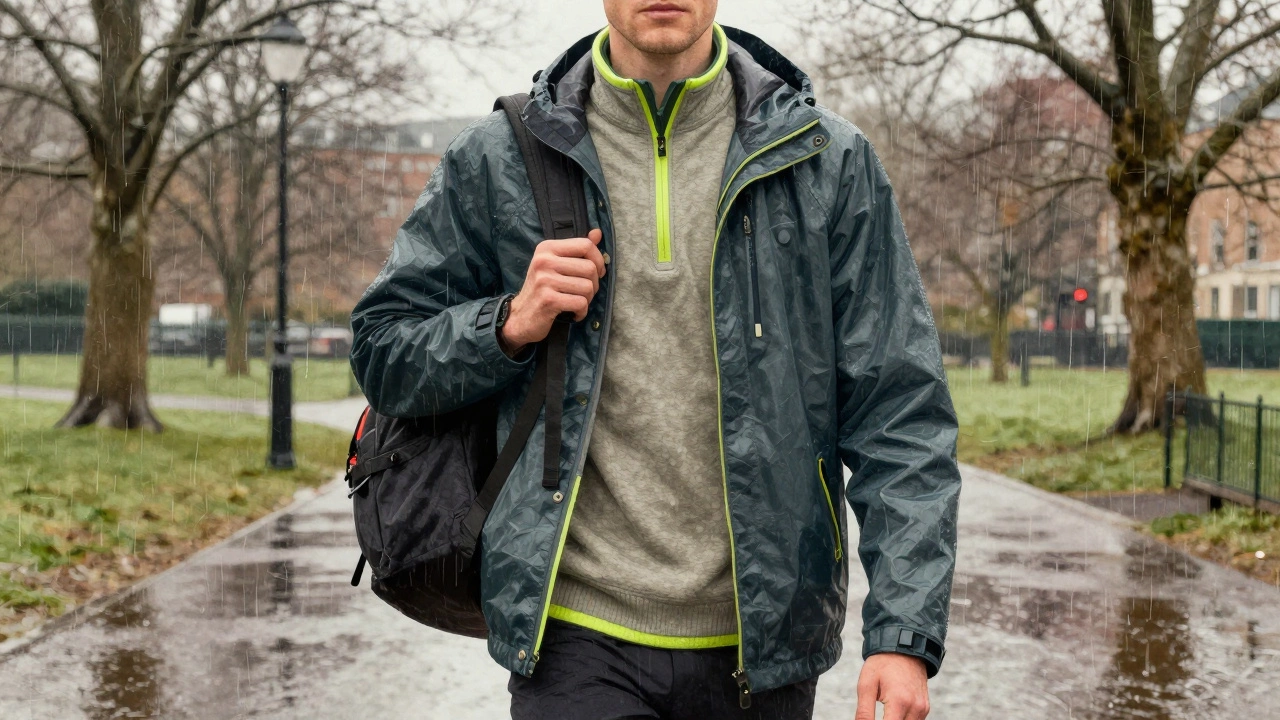
Darkness comes early in Ireland. By 4:30 p.m. in December, it’s already gloomy. And with fog rolling in off the sea in places like Howth or Doolin, visibility drops fast. That’s why reflective strips, logos, and piping aren’t just a safety feature-they’re a requirement. Most sportswear sold in Irish running stores like Runners Need in Galway or Fit4Life in Louth includes reflective details on the back, sleeves, and hems.
Even casual gym wear from local brands like Irish Athletics Co. includes reflective accents. It’s not about looking flashy-it’s about being seen by drivers on the N11 at 6 a.m. when the rain’s coming down and the streetlights haven’t kicked in yet.
Comfort and Fit for Everyday Movement
Ireland’s sportswear culture isn’t about gym selfies or Instagram trends. It’s about getting out there-whether that’s walking the Kerry Way, doing yoga in a community hall in Tipperary, or playing five-a-side football on a muddy pitch in Drogheda. That means fit matters more than fashion.
Seams are flatlocked to prevent chafing. Waistbands are wide and elasticated so they don’t dig in during long walks. Hoods are deep enough to cover your ears. Pockets are zippered-not just for keys, but for the thermos of tea you’ll need after your run. And the fabric? It needs to stretch in every direction without losing shape, because you’re not just running-you’re climbing rocks, jumping over ditches, and dodging puddles.
Brands like Decathlon’s Quechua line are popular because they’re built for real movement, not just aesthetics. You won’t find a single Irish runner wearing tight, compression shorts that ride up after 10 minutes. They want freedom, not friction.
Local Brands and Ethical Choices Are Growing
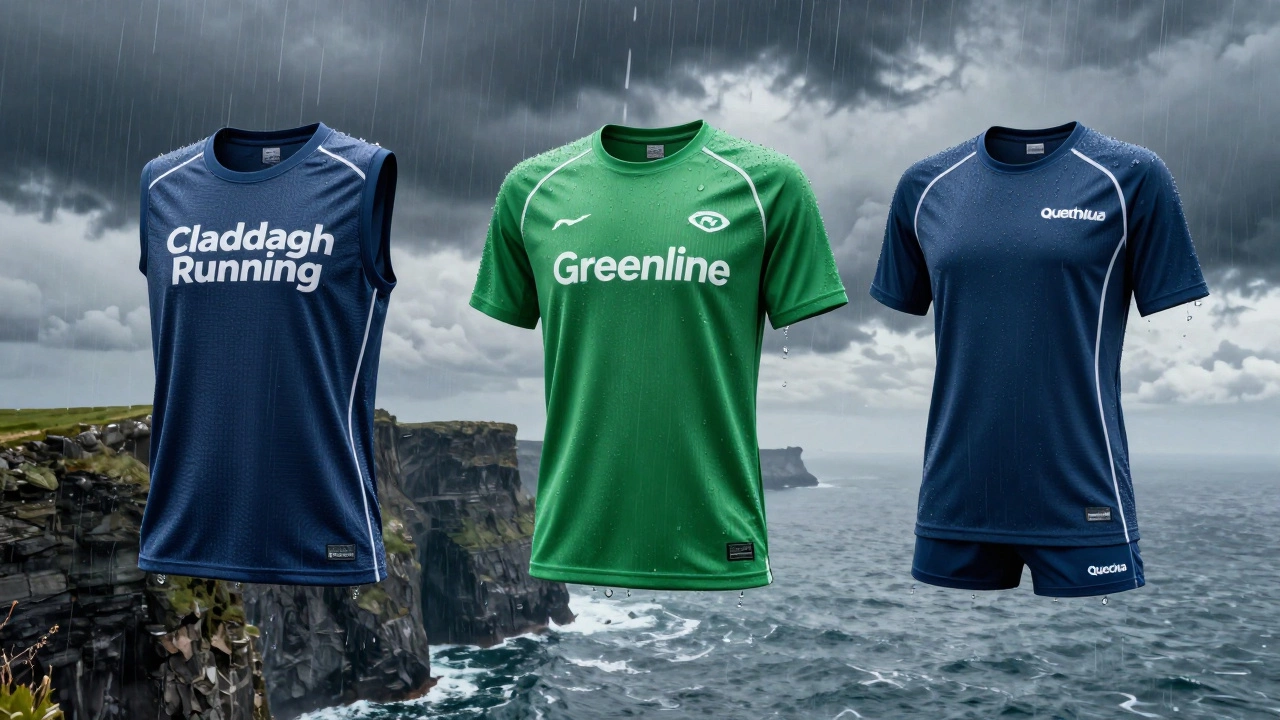
While global giants dominate the shelves, Irish-made sportswear is quietly gaining ground. Companies like Claddagh Running in Galway and Greenline Activewear in Waterford use recycled polyester from ocean plastic and partner with local manufacturers. Their products aren’t just functional-they’re made with Irish conditions in mind, and they’re often sold at farmers’ markets, local gyms, and pop-ups during events like the Dublin Marathon or the Belfast Half.
There’s also a cultural shift. People here care about where their gear comes from. A 2024 survey by the Irish Sportswear Association found that 68% of buyers in Ireland prioritize sustainability over brand name. That’s why second-hand sportswear shops like Second Hand Sport in Limerick and ReRun in Cork are thriving. You can get a nearly new pair of trail runners from the Dublin Marathon 2023 for €25.
What Sportswear Doesn’t Work in Ireland
Some things that work elsewhere fail here. Lightweight mesh shorts? They’ll soak through in 10 minutes of rain. Barely-there sports bras? You’ll regret them on a blustery morning in County Donegal. Flip-flops for post-gym showers? Forget it-floors are wet, and the cold seeps in fast.
And don’t buy sportswear designed for desert heat. If the label says ‘ultra-breathable’ and ‘cooling tech’ but doesn’t mention water resistance, it’s not for Ireland. You’ll end up buying twice.
Final Tips for Buying Sportswear in Ireland
- Always check the fabric blend-look for at least 80% synthetic material.
- Test the water resistance: pour a bit of water on the fabric. If it beads up, it’s good.
- Buy layers, not single pieces. You’ll wear them all year.
- Support local Irish brands-they design for our weather, not just global trends.
- Visit outlet stores after major events like the Dublin Marathon or the Belfast City Marathon for discounted gear.
Good sportswear in Ireland doesn’t shout. It doesn’t need logos. It just works-through rain, wind, cold, and fog. It lets you keep moving, no matter what the sky does. And in a country where the weather changes faster than a GAA match score, that’s the only thing that really matters.
What’s the best fabric for sportswear in Ireland’s rainy climate?
Polyester, nylon, and blends with spandex are the top choices. They wick moisture, dry quickly, and resist water better than cotton or wool. Look for terms like Dri-FIT, Coolmax, or GORE-TEX INFINIUM on labels. Avoid 100% cotton-it holds moisture and takes hours to dry in damp Irish air.
Do I need waterproof jackets for running in Ireland?
Yes, especially in winter or if you run in the west or north. A lightweight, packable wind and water-resistant jacket with a hood is essential. Brands like Columbia, Patagonia, and Decathlon’s Quechua offer affordable options. You don’t need a full raincoat-just a shell that sheds water and blocks wind.
Are Irish-made sportswear brands worth buying?
Absolutely. Brands like Claddagh Running and Greenline Activewear design specifically for Ireland’s weather and terrain. They use recycled materials, support local production, and focus on durability over trends. Plus, buying local means you’re supporting small businesses and reducing your carbon footprint.
Where can I buy affordable sportswear in Ireland?
Decathlon stores in Dublin, Cork, and Limerick offer high-value performance gear. Lidl and Aldi also sell seasonal activewear that’s surprisingly durable. For second-hand options, check ReRun in Cork, Second Hand Sport in Limerick, or Facebook Marketplace groups like ‘Dublin Running Gear Swap.’
Why do Irish runners wear layers instead of one piece?
Because Ireland’s temperature can swing 10°C in a few hours. A base layer wicks sweat, a mid-layer traps warmth, and an outer shell blocks wind and rain. Layering lets you adjust as you warm up or if the weather turns. One-piece gear doesn’t offer that flexibility-and in Ireland, flexibility means staying dry and safe.