Footwear Terms UK vs Ireland: What You Really Call Your Shoes
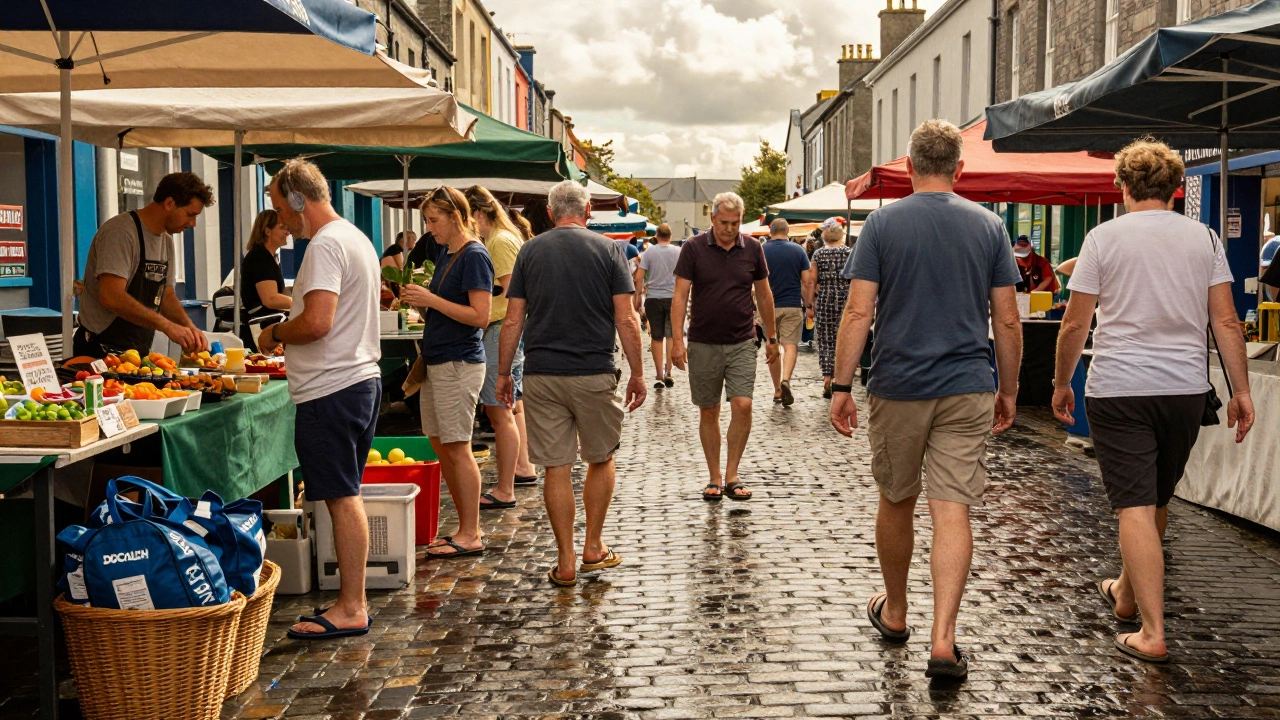
When it comes to footwear terms UK vs Ireland, the way people name their shoes isn’t just about language—it’s about climate, culture, and survival. Also known as Irish shoe slang, these differences reveal how weather and daily life shape what we call the things on our feet. In the UK, you might say "trainers"—but in Ireland, you’ll hear "runners" more often. That’s not a typo or a typo—it’s a whole different way of thinking about shoes. Irish runners aren’t just for the gym. They’re the shoes you wear to the shop, to school, to the bus stop in pouring rain, and to the pub after work. They’re built for wet pavement, muddy trails, and walking miles on uneven cobblestones. If your shoes don’t handle that, they’re not Irish runners—they’re just shoes.
And it’s not just "runners." Look at "boots." In the UK, people might say "wellies" for rubber boots. In Ireland? You’ll hear "muck boots"—a term that’s practically a brand name now, but also a cultural shorthand. These aren’t fashion boots. They’re the boots you pull on when the ground turns to soup after a winter storm. Same goes for "slippers." In Ireland, people don’t mean the fluffy house slippers you see in catalogs. They mean thick-soled, waterproof, wool-lined indoor-outdoor shoes you wear to the garden, to the shed, even to the corner shop. These aren’t lazy shoes—they’re survival gear.
Then there’s "sneakers." You’ll rarely hear that word in Ireland. It sounds American. Too shiny. Too new. Irish people don’t care about trends—they care about what lasts. That’s why brands like Clarks, ECCO, and local makers dominate. They’re not flashy, but they don’t fall apart after two winters. And don’t get me started on "Hey Dudes." They’re everywhere online, but ask any Irish nurse, teacher, or gardener if they’d wear them in January. You’ll get a laugh—or a warning. Those shoes don’t grip wet stone. They don’t keep your feet dry. They’re not made for Ireland.
The real difference isn’t just vocabulary. It’s casual shoes Ireland, a category defined by function over fashion. Also known as Irish walking shoes, they’re designed for constant motion in wet, windy conditions. You don’t buy them because they look good in a photo. You buy them because you walk the dog in the rain, commute on a bike in a downpour, or stand all day in a hospital corridor. Comfort isn’t optional. Waterproofing isn’t a bonus. It’s the baseline.
And here’s the thing: the UK and Ireland share a language, but not a climate. The UK has dry winters. Ireland has wet ones. That changes everything. A pair of "trainers" that work in Manchester might leak in Cork. A "jacket" that keeps you dry in London might not hold up in Galway. The same goes for footwear. The names change. The expectations change. The materials change. And if you’re shopping online from abroad, you’re going to get the wrong thing—unless you know what Irish people actually need.
Below, you’ll find real stories from real Irish people about what they call their shoes, why they wear them, and what happens when they get it wrong. From nurses in Crocs to 70-year-old men in waterproof boots, from school uniforms to evening heels that don’t sink into puddles—this isn’t about fashion. It’s about staying dry, staying safe, and staying moving in a country where the weather never takes a day off.