Senior Slipper Safety Analyzer
Select the features that describe your current indoor footwear:
Closed Back
Full heel coverage (no open back)Slip-Resistant Sole
Rubber with textured pattern/gripArch Support
Firm structure under archSecure Fit
Straps, laces, or snug elasticSafety Verdict
Select features above to analyze safety.
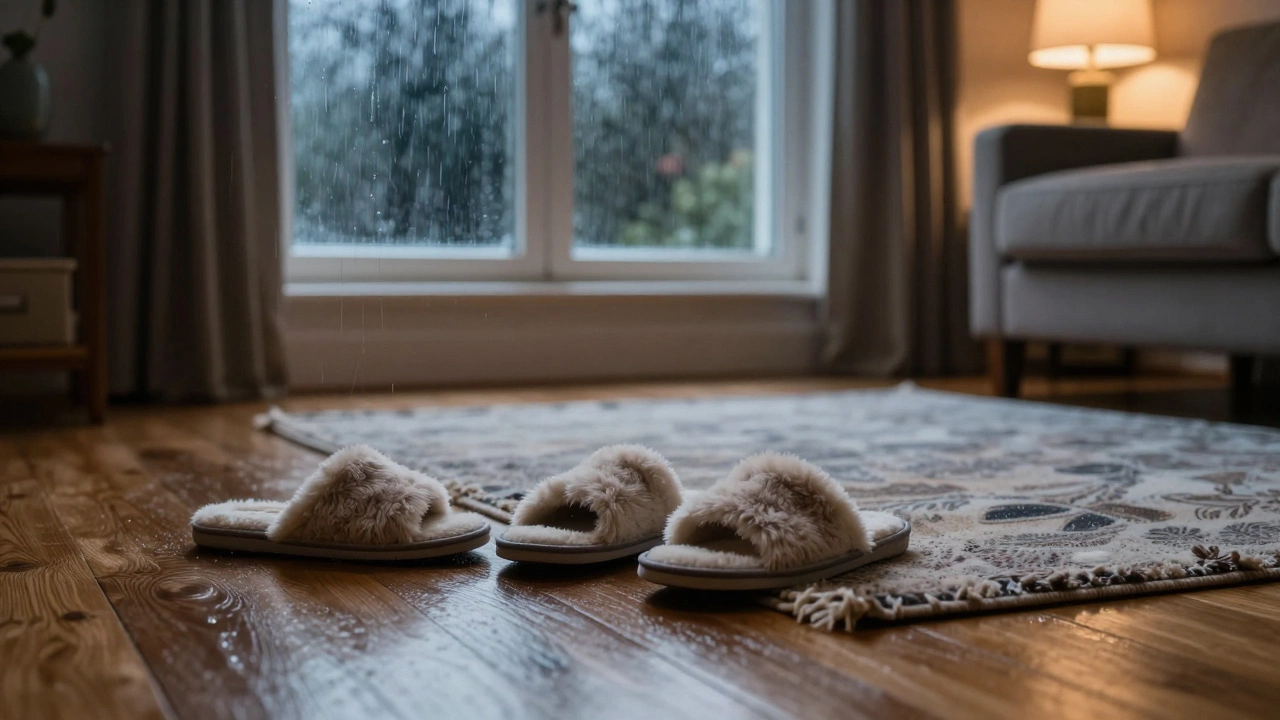
It’s a rainy Tuesday evening in Dublin. You’ve just stepped out of the shower, and your feet are cold. The temptation to slide into those fluffy, soft-bottomed slippers is strong. But for seniors across Ireland, that cozy choice might be one of the biggest risks in the house. Falls are the leading cause of injury-related hospital admissions for people over 65 in Ireland, according to the National Fall Prevention Service. And guess what often causes them? Tripping on loose rugs or slipping on smooth floors while wearing unstable footwear.
So, should seniors wear slippers? The short answer is: yes, but only if they are the right kind. Traditional floppy slippers with no grip are dangerous. However, supportive, slip-resistant indoor shoes can significantly improve stability and comfort. This guide breaks down why foot health matters more as we age, what makes a slipper safe for Irish homes, and how to choose footwear that keeps you steady on everything from Limerick’s cobblestones to Galway’s wet pavements.
The Hidden Danger of 'Cozy' Footwear
We all love the feeling of sinking into soft fabric after a long day. For older adults, however, that softness comes with a trade-off. As we age, our balance naturally declines. Our muscles weaken, and our reaction time slows down. When you pair these physical changes with ill-fitting or unstable footwear, the risk of a fall skyrockets.
In Ireland, where many homes have hard wooden floors, tiles, or polished stone, slippery surfaces are common. Add in the damp weather that frequently seeps under doors, and the floor becomes a hazard zone. Traditional slippers-those open-back, soft-sole varieties-are essentially walking on air. They offer no ankle support, no arch stability, and zero traction. If your foot slips inside the shoe, or if the sole slides on the floor, you’re likely going down.
Consider this scenario: You’re heading to the kitchen for a cup of tea. Your heel catches on the edge of a rug because your slipper has no back strap. Or worse, your toe drags because the slipper is too big, causing you to stumble. These aren’t hypotheticals; they happen every day in homes across Cork, Kilkenny, and beyond. The key isn’t to avoid slippers entirely-it’s to upgrade them.
What Makes a Slipper Safe for Seniors?
Not all indoor footwear is created equal. To keep seniors safe, look for specific features that prioritize stability over pure plushness. Here’s what to check for:
- Closed Back Design: A slipper with a full back (like a shoe) prevents the heel from lifting and reduces tripping hazards. Open-back slippers are risky because they can easily come off or catch on obstacles.
- Slip-Resistant Soles: Look for rubber soles with textured patterns. Brands like Dr. Scholl’s and Vionic offer models specifically designed with non-slip technology. Avoid felt, leather, or plastic soles that glide on wet surfaces.
- Firm Arch Support: Flat feet and poor posture contribute to falls. Slippers with built-in arch support help maintain proper alignment, reducing strain on knees and hips.
- Secure Fit: Velcro straps, elastic bands, or laces ensure the slipper stays on your foot. Loose footwear is a major trip hazard.
- Rigid Heel Counter: The back part of the slipper should be firm, not flimsy. This stabilizes the ankle and prevents rolling.
If your current slippers lack these features, it’s time to replace them. Think of them as safety equipment, not just loungewear.
Irish Weather and Home Conditions: Why It Matters
Ireland’s climate plays a huge role in foot safety. Rain is frequent, and humidity levels are high. Many Irish homes, especially older ones in cities like Dublin or Belfast, have uneven flooring, drafty doorways, and areas prone to dampness. Mop up spills immediately, but also consider how your footwear interacts with these conditions.
For example, if you live in a rural area with stone-flagged porches or muddy entryways, your indoor footwear needs to handle moisture without becoming slick. Some seniors opt for waterproof indoor boots or sandals with grippy soles during winter months. In urban apartments with central heating, dry skin and cracked heels are common issues, making breathable materials important.
Also, consider the layout of your home. Narrow hallways, low lighting, and clutter increase fall risk. Pairing proper slippers with good lighting and clear pathways creates a safer environment. The Health Service Executive (HSE) recommends home safety assessments for older adults, which often include reviewing footwear choices.
Best Types of Indoor Footwear for Older Adults
Let’s look at practical options available in Ireland. You don’t need to spend a fortune, but investing in quality pays off in safety and comfort.
| Type | Safety Features | Comfort Level | Best For |
|---|---|---|---|
| Closed-Back Slippers | Full enclosure, slip-resistant soles | High | Daily indoor use |
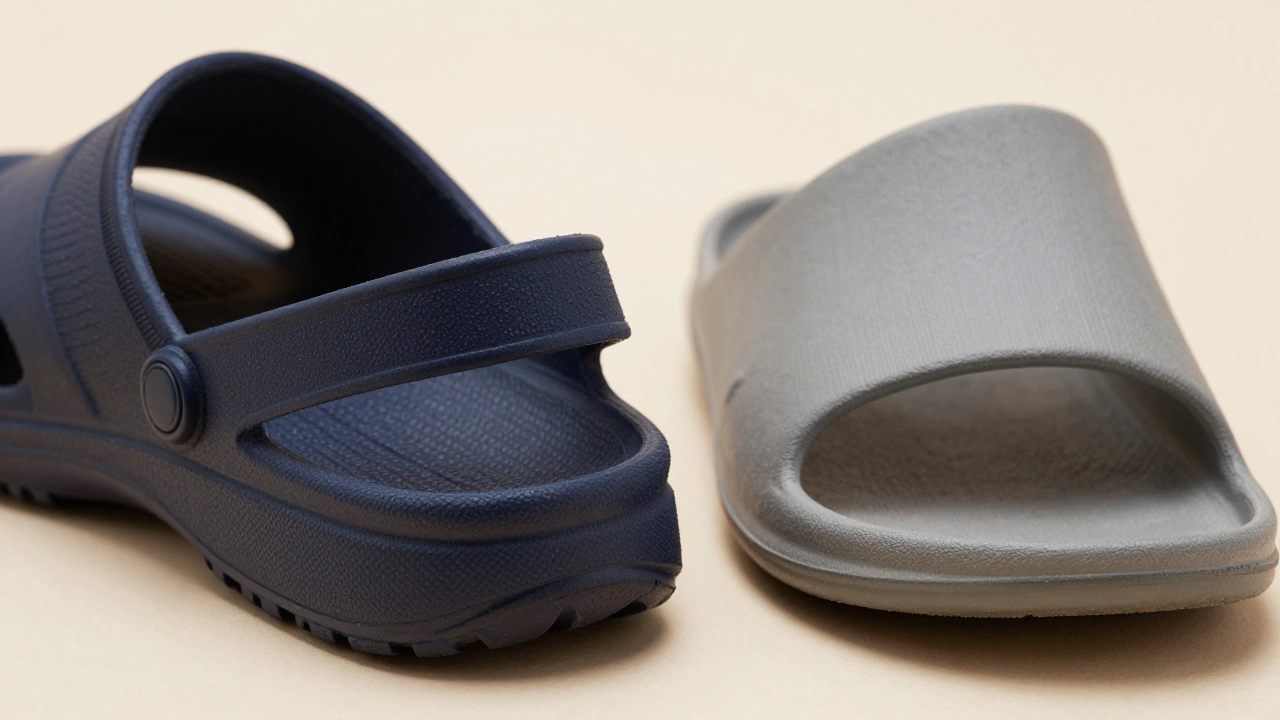
| Orthopedic Sandals | Arch support, adjustable straps | Medium-High | Swollen feet, warm weather |
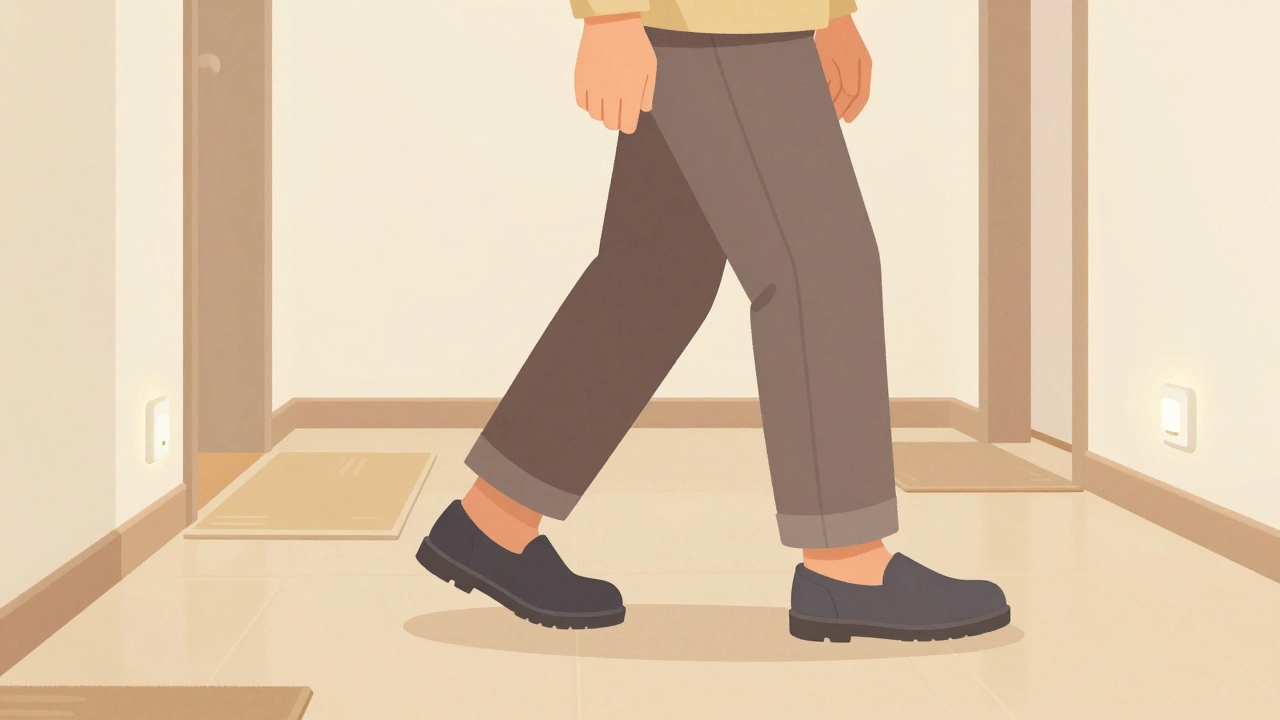
| Indoor Walking Shoes | Rubber soles, rigid structure | Very High | Active seniors, outdoor transitions |
| Traditional Floppy Slippers | None | High (but unsafe) | Avoid for seniors |
Where to buy? Major retailers like Dunnes Stores, Penneys, and Boots carry basic options. For specialized brands, check out Shoe Zone or online retailers like Amazon.ie. Local podiatrists in towns like Waterford or Sligo can also recommend custom orthotics if needed.
When to See a Podiatrist
If you experience persistent foot pain, swelling, or difficulty finding comfortable shoes, consult a podiatrist. In Ireland, private podiatry services are widely available, and some GP practices refer patients for NHS-covered assessments if medical necessity is proven. Conditions like arthritis, diabetes, or neuropathy require extra care. A podiatrist can assess your gait, recommend custom inserts, and advise on suitable footwear brands.
Don’t ignore minor issues. Blisters, corns, or ingrown toenails can worsen quickly and lead to infections, especially for diabetics. Regular foot checks are part of maintaining independence and mobility.
Practical Tips for Safer Indoor Movement
Beyond choosing the right slippers, small habits make a big difference:
- Keep Floors Clear: Remove loose rugs, electrical cords, and clutter from walkways.
- Use Night Lights: Install motion-sensor lights in hallways and bathrooms to prevent stumbling in the dark.
- Wear Shoes Outside: Never walk outdoors in slippers. Switch to sturdy, closed-toe shoes when stepping outside, even briefly.
- Check Fit Regularly: Feet change shape over time. Replace worn-out slippers every 6-12 months.
- Practice Balance Exercises: Simple routines like standing on one leg (near a wall for support) can improve stability.
These steps, combined with proper footwear, create a comprehensive fall-prevention strategy tailored to Irish living conditions.
Are fuzzy slippers bad for seniors?
Yes, if they have soft, non-grippy soles and no back support. Fuzzy interiors are fine for warmth, but the exterior must be slip-resistant and structured to prevent falls.
Can I wear my regular slippers around the house?
Only if they meet safety criteria: closed back, firm sole, and secure fit. If your slippers are loose or slippery, replace them with safer alternatives.
Where can I buy senior-friendly slippers in Ireland?
Stores like Dunnes Stores, Boots, and Penneys offer basic options. For specialized brands, visit Shoe Zone or order online from Amazon.ie. Consult a local podiatrist for personalized recommendations.
Do I need special shoes if I have diabetes?
Yes. Diabetic foot care requires extra attention. Look for seamless interiors, wide toe boxes, and cushioned soles. A podiatrist can prescribe therapeutic footwear covered by some insurance plans.
How often should I replace my indoor slippers?
Every 6-12 months, depending on wear. Check for thinning soles, stretched materials, or loss of support. Worn-out slippers lose their protective qualities and become hazardous.