Royal Nanny Team Estimator
Household Parameters
Estimated Team Structure
Adjust the parameters to see how a royal-style childcare team is structured.
It’s a question that pops up in pub conversations across Dublin as often as it does on British news channels. You’re watching the Royal Family make an appearance-perhaps at Wimbledon or a state banquet-and you wonder about the logistics behind the scenes. Specifically, when people ask how many nannies do William and Kate have, they aren’t just curious about numbers. They are trying to understand the scale of modern royalty compared to their own lives raising children in Ireland.
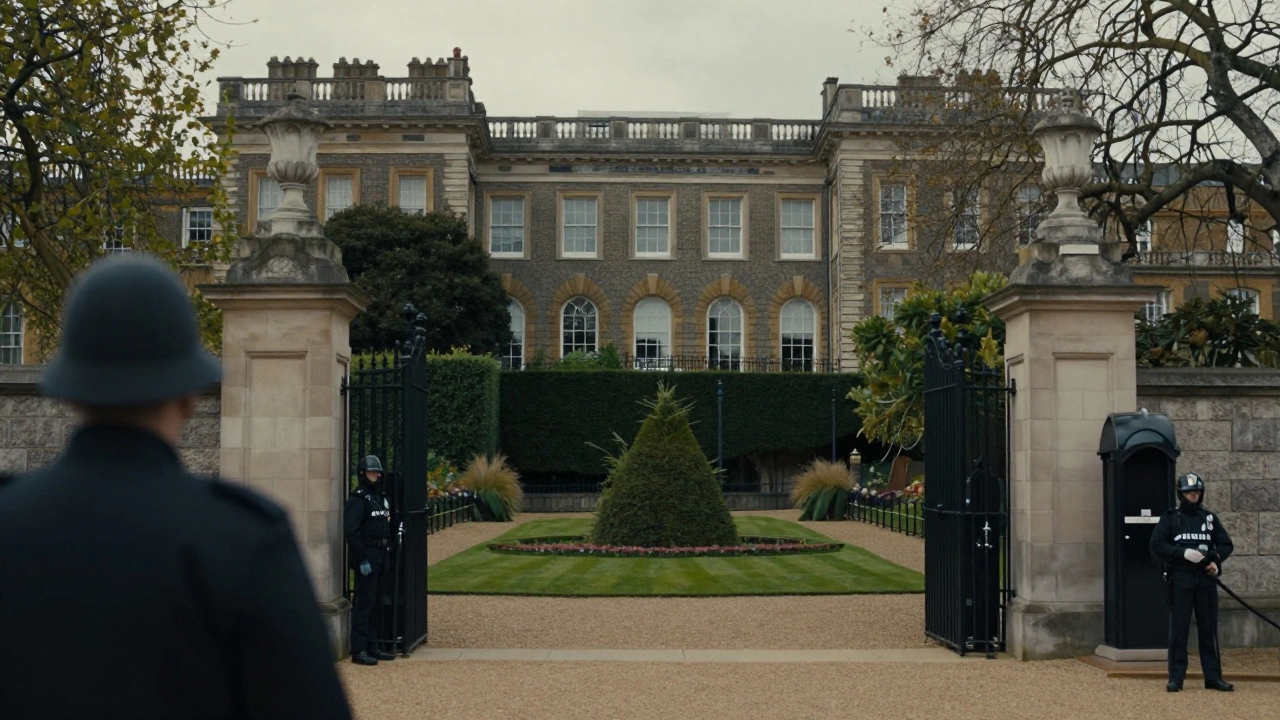
The short answer is that we don't know the exact headcount, and for good reason. The Royal Household treats this information with extreme privacy. However, by looking at how Kensington Palace operates, historical precedents, and the structure of elite childcare, we can paint a very clear picture of what that team looks like. It isn’t just one nanny; it’s a coordinated unit.
The Structure of Royal Childcare
To understand the number, you first need to understand the role. In the context of the British monarchy, a "nanny" is rarely a single person who handles everything from breakfast to bedtime stories. Instead, it is a department. Think of it less like hiring a babysitter from an agency in Cork or Galway, and more like running a small corporate security and education division.
For Prince William and Catherine, Princess of Wales, the focus has shifted significantly since their younger years. When Prince Harry was a baby, the palace employed a large, visible staff. Now, William and Kate prioritize normalcy. This means fewer people hovering, but those who are there are highly specialized. The team likely includes:
- A Head Nanny: The manager of the operation. This person coordinates schedules, communicates with the parents, and oversees the other staff members. They handle the big-picture parenting decisions within the guidelines set by William and Kate.
- Assistant Nannies: These individuals provide day-to-day care. They might rotate shifts to ensure the children always have fresh energy, especially during long tours or busy London days.
- Night Nurses: For infants and toddlers, sleep is a major logistical challenge. Specialized night nurses handle feedings and soothing without waking the parents, allowing William and Kate to rest for their demanding public schedules.
- Tutors and Educators: As George, Charlotte, and Louis grow older, the role shifts from pure caretaking to education. Private tutors manage their learning, which happens both at home and during school terms.
Based on reports from insiders and comparisons with similar high-profile households, the core team likely consists of three to five dedicated professionals at any given time. This number fluctuates depending on whether the family is at Kensington Palace, Balmoral, or traveling abroad.
Privacy vs. Public Curiosity
Why is the exact number so hard to pin down? In Ireland, we value our privacy, but the Royal Family takes it to another level. The identities of these staff members are closely guarded secrets. Unlike in some European countries where domestic staff might be more publicly acknowledged, British royal nannies operate in the shadows.
This secrecy serves two purposes. First, it protects the safety of the children. If you know exactly who works for the royals, you can target them. Second, it allows William and Kate to maintain a semblance of a normal family life. If every interaction was documented and the staff were famous, the children would grow up under constant scrutiny.
We know that previous nannies, such as Maria Borrallo (who cared for Prince Harry) and Tania Matharu (who worked with Prince William), have kept quiet for decades. Their silence is part of the job description. This culture of discretion means that while we can infer the structure, we will never get an official org chart from Buckingham Palace.

Comparing Royal Care to Irish Realities
Let’s bring this back home to Ireland. The concept of professional childcare here is vastly different. In cities like Dublin, Galway, or Limerick, parents are often navigating a tight market for creches and after-school clubs. The cost of childcare in Ireland has risen sharply, with many families spending over €100 per week for full-time care in urban centers.
In contrast, the Royal Household budget for childcare is unlimited and integrated into the Sovereign Grant. But beyond the money, the difference lies in accessibility. An Irish parent might juggle work, school runs, and extracurriculars with a partner or grandparents. William and Kate delegate the physical labor of care to their team, allowing them to focus on their public duties and quality time with the kids.
Interestingly, there is a cultural overlap in the emphasis on outdoor play. Both Irish families and the Royal Family encourage children to spend time outside. Whether it’s playing football in a park in Dún Laoghaire or riding horses at Highgrove (Prince Charles’s estate), the philosophy of keeping children active and grounded remains similar. The method of delivery-via a team of nannies versus community support-is where the worlds diverge.
The Evolution of Royal Parenting
It’s worth noting that the approach to royal nannies has changed dramatically over the last thirty years. Queen Elizabeth II had a very formal setup, with strict hierarchies. Prince Charles and Camilla maintained a significant staff at Highgrove. However, William and Kate have deliberately moved away from this rigidity.
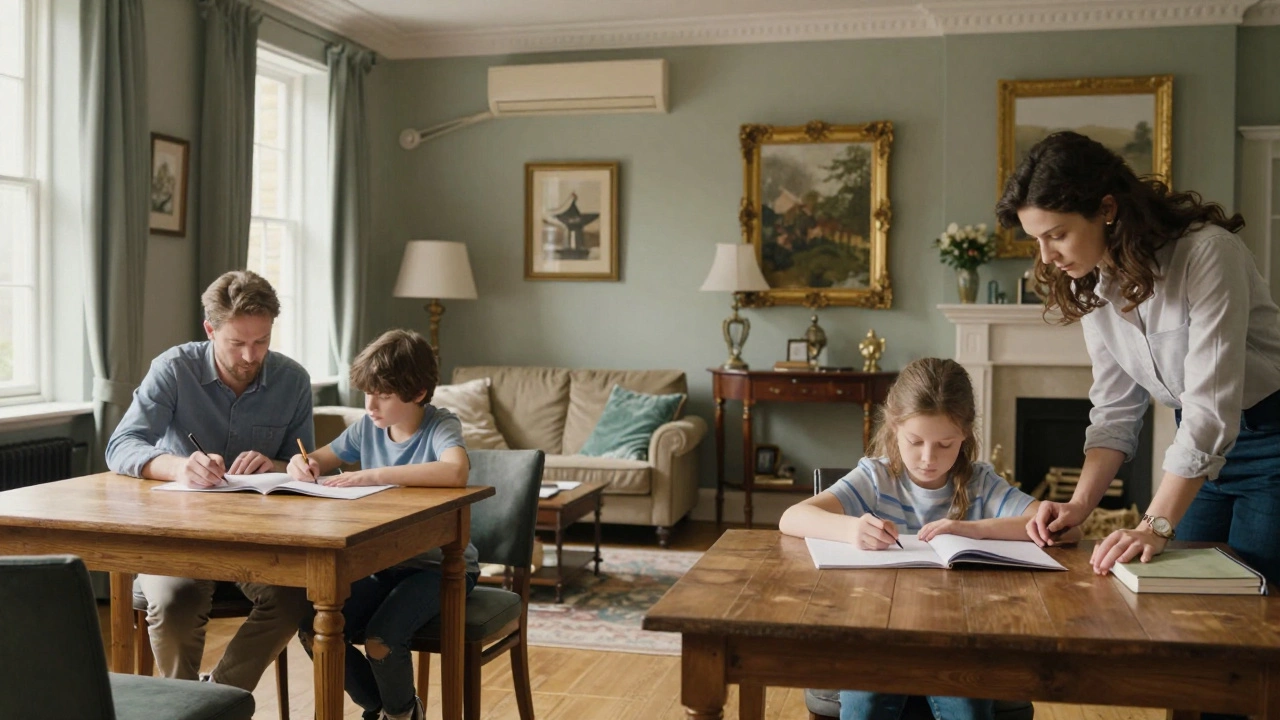
They want their children to have friends, attend local schools (like Thomas's Battersea in London), and experience typical childhood milestones. This shift means the nannies act more as facilitators than enforcers. They help organize playdates, drive the kids to school, and ensure they eat well, but they step back to let William and Kate be the primary emotional anchors.
This modern approach resonates with many young parents in Ireland today. There is a growing trend towards balanced parenting, where professional help is used not to replace parental involvement, but to enhance it. Whether you’re hiring a cleaner in Belfast or a tutor in Waterford, the goal is the same: creating space for meaningful family connection.
What We Can Learn From Their Approach
While most of us won’t have a team of five nannies, there are lessons in how William and Kate manage their resources. They prioritize consistency. The children see the same faces regularly, which builds trust. They also emphasize routine. Even with a chaotic schedule, the princes and princesses have set times for meals, homework, and sleep.
For Irish families, adopting a consistent routine can reduce stress significantly. It doesn’t require a royal budget; it requires planning. Knowing that your child knows what comes next provides stability, whether you’re living in a farmhouse in County Kerry or an apartment in Citywest.
Do William and Kate hire nannies from Ireland?
There is no public record of William and Kate hiring nannies specifically from Ireland. Most royal staff are recruited from within the UK, often through internal palace networks or trusted agencies. However, the Royal Household employs people from diverse backgrounds, and Irish citizens do work in various roles within the broader royal service, though not typically in direct childcare for the Cambridge children.
How much does a royal nanny earn?
Salaries are confidential, but estimates suggest a senior royal nanny could earn between £40,000 and £60,000 per year, plus benefits like housing and travel. This is significantly higher than the average childcare worker salary in Ireland, reflecting the high responsibility, security clearance requirements, and long hours involved in the role.
Why don't they use regular babysitters?
Security and continuity are the main reasons. Regular babysitters cannot undergo the rigorous background checks required for close proximity to protected individuals. Additionally, the royal children’s schedules are complex and unpredictable, requiring full-time, dedicated staff rather than casual hires.
Are the royal nannies allowed to talk about their jobs?
No. Staff members sign strict non-disclosure agreements. Speaking out about the private lives of the royal family can result in immediate dismissal and potential legal action. This ensures the privacy of the children is maintained throughout their upbringing.
How does this compare to childcare costs in Dublin?
In Dublin, full-time childcare can cost upwards of €1,500 per month per child. While the absolute cost for the royals is unknown, the per-child investment is likely far higher due to the specialized nature of the staff and the 24/7 coverage required. For Irish families, subsidies and tax credits are essential tools to manage these expenses.