
Ireland Work Footwear & Recovery Calculator
Your Shift Profile
Your Personalized Plan
Adjust your profile and click calculate to see recommendations.
Picture this: It’s 7 PM on a rainy Tuesday in Dublin. You’ve been standing since 9 AM. The rain is lashing against the window of the café or hospital where you work, and your feet feel like they’re made of lead. You’re not alone. Whether you’re nursing patients at St. James’s Hospital, serving coffee in Temple Bar, or stocking shelves in a Tesco in Cork, surviving a 10-hour shift on your feet is a daily battle for many workers in Ireland.
The Irish climate-damp, cool, and often wet-adds a unique layer of difficulty. Wet socks are the enemy. Cold floors sap energy. And let’s be honest, finding affordable, high-quality footwear that lasts through the seasons isn’t always easy. But with the right gear, smart habits, and some local knowledge, you can get through those long shifts without ending up in bed with swollen ankles by Friday night.
The Foundation: Choosing the Right Work Shoes
Your shoes are the most critical piece of equipment you own. If you’re working on hard surfaces like concrete floors in supermarkets or tile in hospitals, standard sneakers won’t cut it. You need support, cushioning, and durability.
In Ireland, brands like Hoka One One is a brand known for maximalist cushioning ideal for long hours on hard floors have become popular among healthcare and retail workers. Their thick soles absorb shock better than thin-soled trainers. Another solid option is Skechers Arch Fit is shoes designed with podiatrist-approved arch support to reduce foot fatigue. They’re widely available in stores like Dunnes Stores and Boots across the country.
If you’re looking for something more traditional, Ecco is a Danish footwear brand renowned for comfort and ergonomic design offers excellent quality, though they come at a higher price point. For those on a budget, check out outlet stores in areas like Swords or Bray, where you might find last season’s models at a discount.
| Brand | Best For | Price Range (€) | Key Feature |
|---|---|---|---|
| Hoka One One | Hard floors, heavy standing | €130 - €160 | Maximal cushioning |
| Skechers Arch Fit | All-day comfort, affordability | €80 - €110 | Arch support |
| Ecco | Durability, style | €150 - €200 | Ergonomic design |
| New Balance | Wide feet, stability | €100 - €140 | Wide width options |
Dealing with the Irish Weather: Socks and Waterproofing
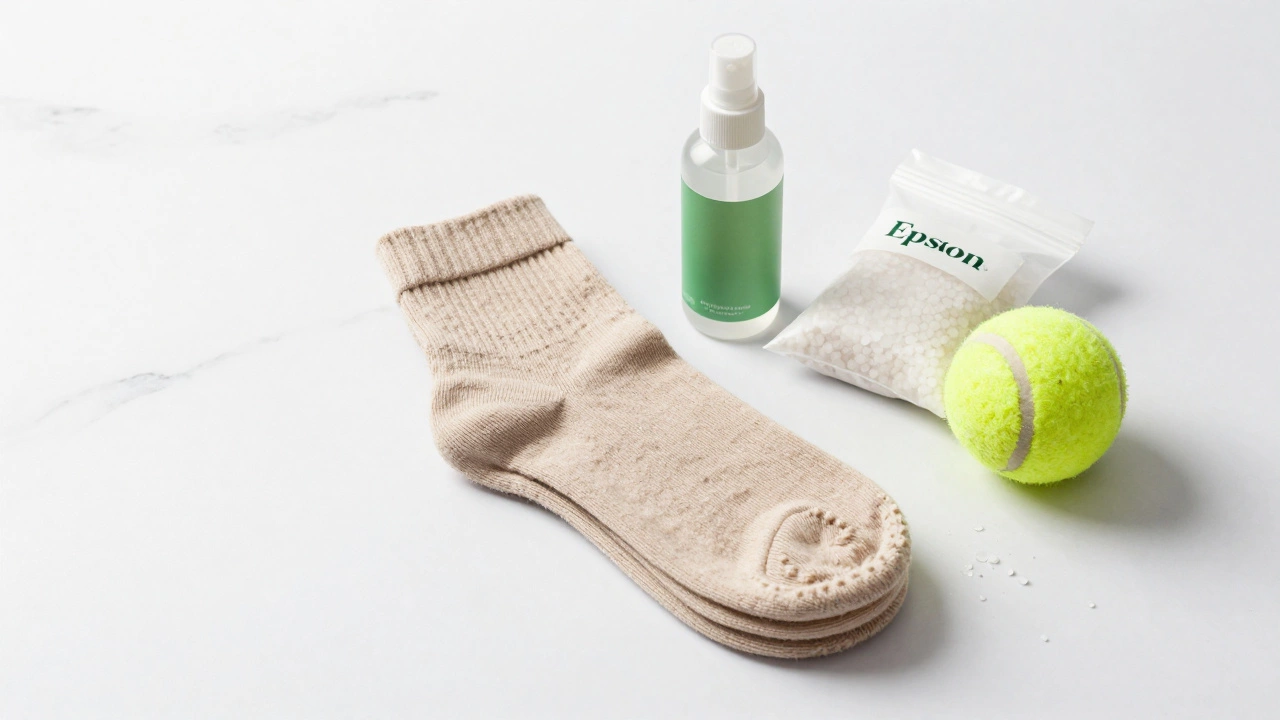
Let’s talk about socks. Cotton socks are a trap. When they get wet from sweat or rain, they stay wet, leading to blisters and cold feet. Instead, opt for merino wool or synthetic blends. Merino wool regulates temperature naturally, keeping your feet warm in winter and cool in summer. Brands like Icebreaker or Smartwool are great, but you can also find good quality wool socks in Irish retailers like Penneys or Marks & Spencer.
Waterproofing is another must. If you commute on foot or cycle to work, your shoes will get wet. Use a waterproof spray suitable for your shoe material. Apply it before your first shift and reapply every few weeks. For leather shoes, condition them regularly to prevent cracking from the damp air.
Consider carrying a spare pair of socks in your locker. Changing into dry socks during your break can make a world of difference. It’s a small habit, but it prevents blisters and keeps your feet comfortable for the second half of your shift.
Movement Breaks: Small Changes, Big Impact
Standing still is worse than walking. When you stand in one place, blood pools in your legs, causing swelling and pain. Try to keep moving. If your job allows, take short walks around the store or ward every hour. Even shifting your weight from one foot to the other helps.
Use anti-fatigue mats if you’re standing in one spot for long periods, like behind a counter or at a workstation. These mats provide cushioning and encourage subtle movement. Many workplaces in Ireland, especially in healthcare and retail, now offer these as part of their health and safety provisions. If yours doesn’t, ask your manager. It’s a simple, effective solution.
During breaks, elevate your feet. Find a bench or chair and prop your feet up above heart level if possible. This helps drain fluid from your legs and reduces swelling. Take five minutes to do this during your lunch break. It’s a game-changer.
Nutrition and Hydration: Fueling Your Body
What you eat and drink affects how your body handles physical stress. Stay hydrated throughout your shift. Dehydration leads to muscle cramps and fatigue. Keep a water bottle with you and sip regularly. Avoid excessive caffeine, which can dehydrate you further.
Eat balanced meals. Focus on complex carbohydrates, lean proteins, and healthy fats. These provide sustained energy rather than quick spikes and crashes. In Ireland, grab a wholesome lunch from a local deli or bring a packed meal from home. Avoid heavy, greasy foods that can make you feel sluggish.
Potassium-rich foods like bananas, potatoes, and spinach help prevent muscle cramps. Magnesium is also important for muscle relaxation. Consider adding magnesium supplements if you frequently experience cramps, but consult your GP first.
Post-Shift Recovery: Soothing Sore Feet
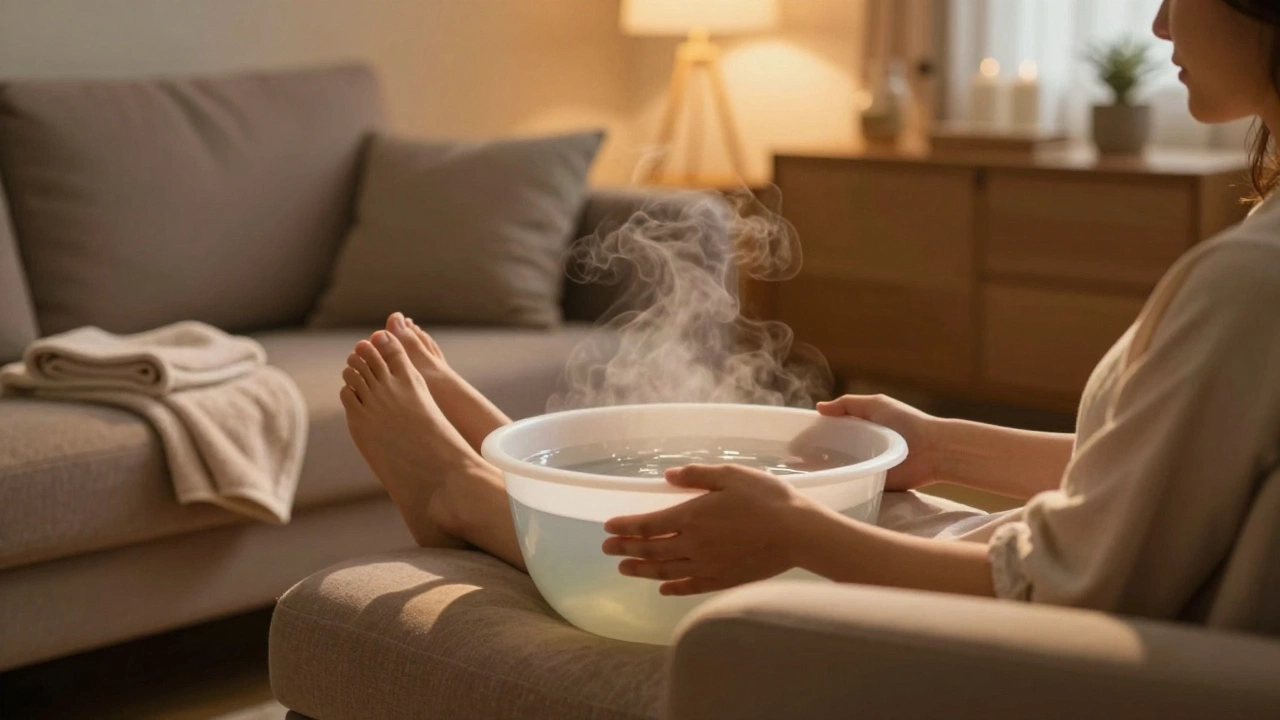
Getting home is just the beginning. How you recover after your shift determines how you’ll feel the next day. Start by taking off your shoes and socks immediately. Let your feet breathe.
An Epsom salt bath is a classic remedy for a reason. Epsom salts contain magnesium sulfate, which can help soothe sore muscles and reduce inflammation. Add two cups of Epsom salt to a warm bath and soak your feet for 15-20 minutes. This is particularly helpful after a long day on your feet.
Massage your feet gently. Use a tennis ball or a foam roller to roll under your arches. This releases tension in the plantar fascia and improves circulation. Spend five minutes doing this before bed.
Stretching is crucial. Perform calf stretches against a wall to relieve tightness in the lower legs. Hold each stretch for 30 seconds and repeat three times. Tight calves contribute to foot pain and knee issues, so keeping them loose is essential.
Local Resources and Support in Ireland
If you’re experiencing chronic foot pain, don’t ignore it. Seek professional advice. In Ireland, you can visit a podiatrist for an assessment. Many private practices offer consultations, and some may accept medical cards or private insurance. Check with your insurer to see if podiatry services are covered.
For custom orthotics, a podiatrist can create inserts tailored to your feet. These can correct alignment issues and provide extra support. While they’re an investment, they can save you from long-term damage.
Community resources are also available. Local sports centers often have physiotherapy services that can help with posture and movement patterns. Additionally, employee assistance programs (EAPs) offered by many employers provide access to counseling and health advice.
Join online communities of workers in similar roles. Facebook groups for nurses, retail workers, or hospitality staff in Ireland are full of practical tips and product recommendations. Sharing experiences with others who understand the struggle can be incredibly supportive.
Long-Term Strategies for Foot Health
Preventing foot problems is better than treating them. Make foot care a priority. Regularly inspect your feet for signs of wear, such as calluses, bunions, or ingrown toenails. Address these issues early to avoid complications.
Replace your shoes regularly. Even the best shoes lose their cushioning and support over time. A general rule is to replace them every 6-12 months, depending on usage. If you notice increased pain or visible wear, it’s time for new ones.
Maintain a healthy weight. Extra weight puts additional strain on your feet and joints. Eating well and staying active outside of work can help manage your weight and reduce stress on your feet.
Finally, listen to your body. If something hurts, don’t push through it. Rest, ice, compress, and elevate (RICE) can help with acute injuries. Chronic pain needs professional attention. Don’t wait until you’re in severe discomfort to seek help.
What are the best shoes for standing all day in Ireland?
Brands like Hoka One One, Skechers Arch Fit, and Ecco are highly recommended for their cushioning and support. Look for shoes with wide toe boxes and removable insoles for added comfort.
How do I prevent my feet from getting wet in Irish weather?
Use waterproof sprays on your shoes and wear merino wool or synthetic socks that wick away moisture. Carry a spare pair of socks to change into if your feet get wet.
Can I claim tax relief for work shoes in Ireland?
Yes, if your employer requires specific protective footwear for safety reasons, you may be eligible for tax relief. Consult Revenue guidelines or a tax advisor for details.
Where can I buy affordable work shoes in Dublin?
Check outlet stores in Swords or Bray, as well as retailers like Dunnes Stores, Boots, and Penneys for budget-friendly options. Online sales on sites like Amazon.ie can also offer good deals.
How often should I replace my work shoes?
Every 6-12 months, depending on usage. Replace them sooner if you notice increased pain, visible wear, or loss of cushioning.