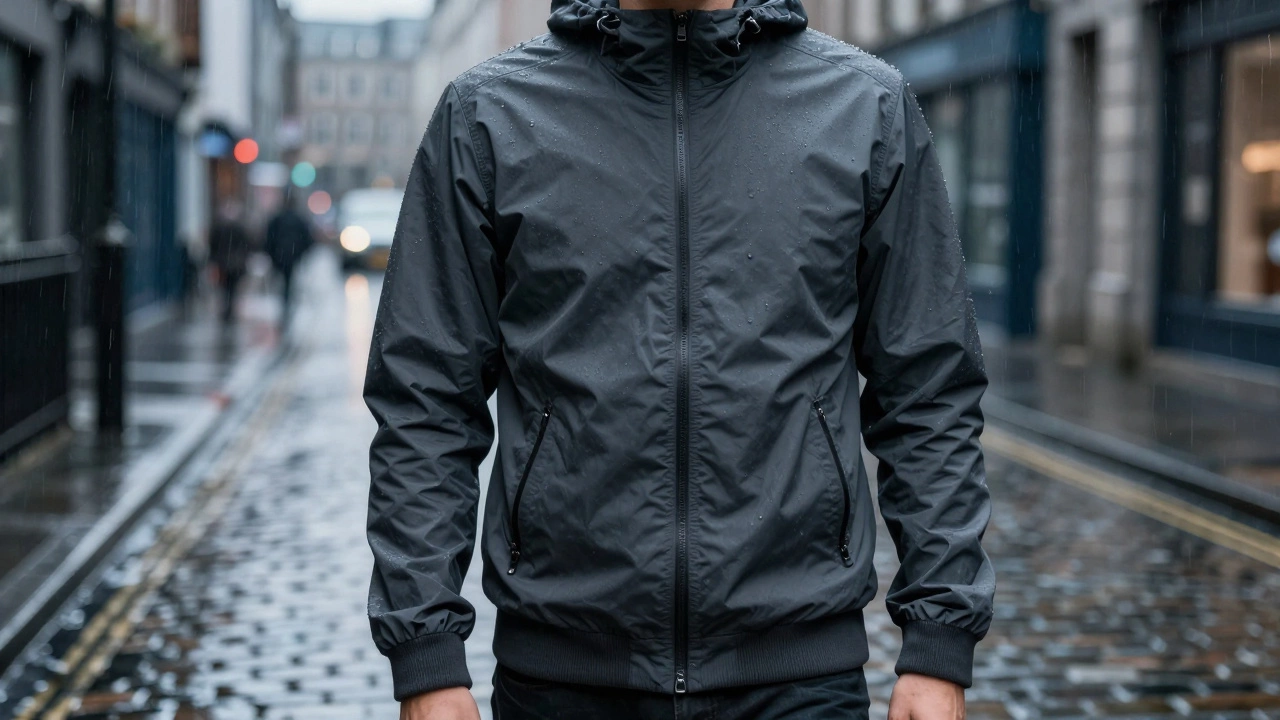
Hoodie Fit Checker for Irish Weather
Answer these questions about how your current hoodie fits. This tool will assess whether it's suitable for Ireland's challenging weather conditions.
Living in Ireland means your wardrobe has to work harder than almost anywhere else. One minute you’re walking down Grafton Street under rare sunshine, and the next, you’re dodging sideways rain near Temple Bar. In this climate, a hoodie isn’t just a fashion statement; it’s essential armor against the damp chill that seeps into your bones. But here is the problem: most people buy hoodies that are either too baggy to keep the wind out or too tight to layer properly. Getting the fit right is the difference between staying warm on a commute from Dún Laoghaire and shivering through a meeting in Dublin City Centre.
If you’ve ever wondered how a hoodie should actually sit on your body, you aren’t alone. Sizing varies wildly between brands like Nike, which often runs slim, and local Irish streetwear labels that might favor an oversized aesthetic. This guide breaks down exactly how a hoodie should fit across every part of your body, keeping our specific weather patterns and local shopping habits in mind.
The Chest and Torso: Room for Layers, Not Air
The most critical area for fit is the chest. When you try on a hoodie, stand up straight and raise your arms slightly. You should feel fabric that hugs your torso without pulling across the back when you reach forward. If the seams strain, it’s too small. If there’s so much excess fabric that it looks like you’re wearing a sack, it’s too big.
In Ireland, we rarely wear a hoodie as a single layer. Even in mild spring weather, you’ll likely have a t-shirt underneath. In autumn and winter, you need room for a thermal base layer or a light sweater. A good rule of thumb? You should be able to comfortably fit one medium-sized t-shirt underneath without feeling restricted. If you plan to wear the hoodie under a jacket-which you will, especially if you’re cycling around Cork or hiking the Wicklow Mountains-you need even more room. Aim for a "regular" or "relaxed" fit rather than "slim." Slim fits trap heat poorly because they compress insulation layers, while overly baggy fits let cold air circulate freely inside the garment.
Pay attention to the length. The bottom hem should hit around mid-zipper level on your jeans or trousers. If it rides up above your waistband when you sit down, it’s too short. If it covers your entire crotch area, it’s too long and will bunch up uncomfortably. For taller individuals common in Northern Europe, check brands that offer tall sizes, or look for extended lengths in online retailers based in the UK or EU.
Sleeves and Shoulders: Function Over Fashion
Shoulder seams are your best friend when judging fit. On a well-fitting hoodie, the seam where the sleeve attaches to the body should sit right at the edge of your shoulder bone. If it droops down your arm, the hoodie is too large. If it pulls toward your neck, it’s too small. While the "dropped shoulder" trend is popular in Dublin’s nightlife scene, it sacrifices warmth. A proper shoulder fit ensures that when you put on a waterproof shell over the hoodie, the layers align correctly without creating pressure points.
Sleeve length is equally important. The cuff should rest at the base of your thumb, covering your wrist completely. Why does this matter? Because Irish wind is relentless. If your wrists are exposed, heat escapes rapidly. Look for ribbed cuffs that grip the skin gently but don’t cut off circulation. Try bending your elbows; the sleeve should not pull back up your arm excessively. If you find yourself constantly pushing the sleeves down, size up. Conversely, if the sleeves pool heavily over your hands, making it hard to type on your laptop in a café in Galway, size down.
The Hood: Protection from the Elements
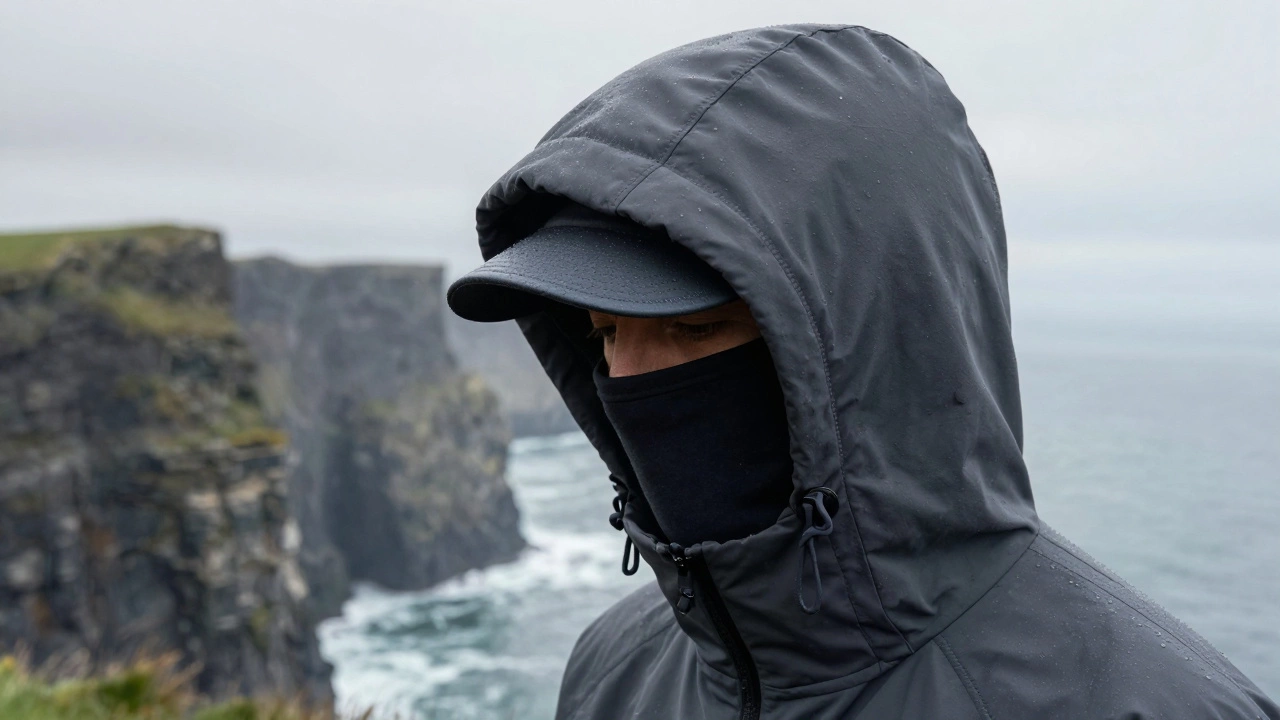
This is where many hoodies fail us. A hoodie with a tiny, stiff hood is useless in a downpour. The hood should be deep enough to cover your head and ears when pulled down, but not so large that it obscures your vision entirely. Check the drawstrings. They should allow you to tighten the opening snugly around your face to block wind. Test this by simulating a gust-pull the strings tight. Does the hood stay in place? Or does it flap around?
For those who spend time outdoors, whether it’s gardening in Kilkenny or walking the Cliffs of Moher, consider the hood’s structure. Some modern designs include a subtle brim or reinforced stitching to help shed water. While a hoodie isn’t a raincoat, a well-fitted hood provides crucial temporary protection during sudden squalls. Avoid hoods made from thin, flimsy material that collapses under its own weight. You want something with enough body to maintain its shape.
Fabric Weight and Seasonal Adaptation
Fabric weight directly impacts how a hoodie fits and feels. Lightweight cotton blends (around 200-250 GSM) are great for indoor wear or mild summer evenings in Kerry. However, for true Irish winters, you need heavier fabrics, typically 300 GSM or higher. These thicker materials hold their shape better and provide superior insulation.
Consider the blend. Pure cotton absorbs moisture, which can make you cold if you sweat or get caught in the rain. A cotton-polyester blend offers better durability and dries faster. Many high-quality hoodies now feature fleece-lined interiors. This adds bulk, so if you choose a fleece-lined option, ensure the outer shell still allows for movement. Brands like Carhartt are known for durable, heavy-duty fits suitable for outdoor work, while athletic brands focus on lighter, breathable meshes for gym sessions.
| Area | Signs of Good Fit | Signs of Poor Fit |
|---|---|---|
| Chest | Flat against body, no pulling | Strained seams or excessive gaping |
| Shoulders | Seam at shoulder bone edge | Dropped below elbow or pulled up neck |
| Sleeves | Cuff at thumb base | Exposing wrist or covering fingers |
| Hood | Covers ears, adjustable drawstring | Blocks vision or falls off easily |
| Length | Mid-fly coverage | Rides up when sitting or drags on ground |
Styling for the Irish Climate
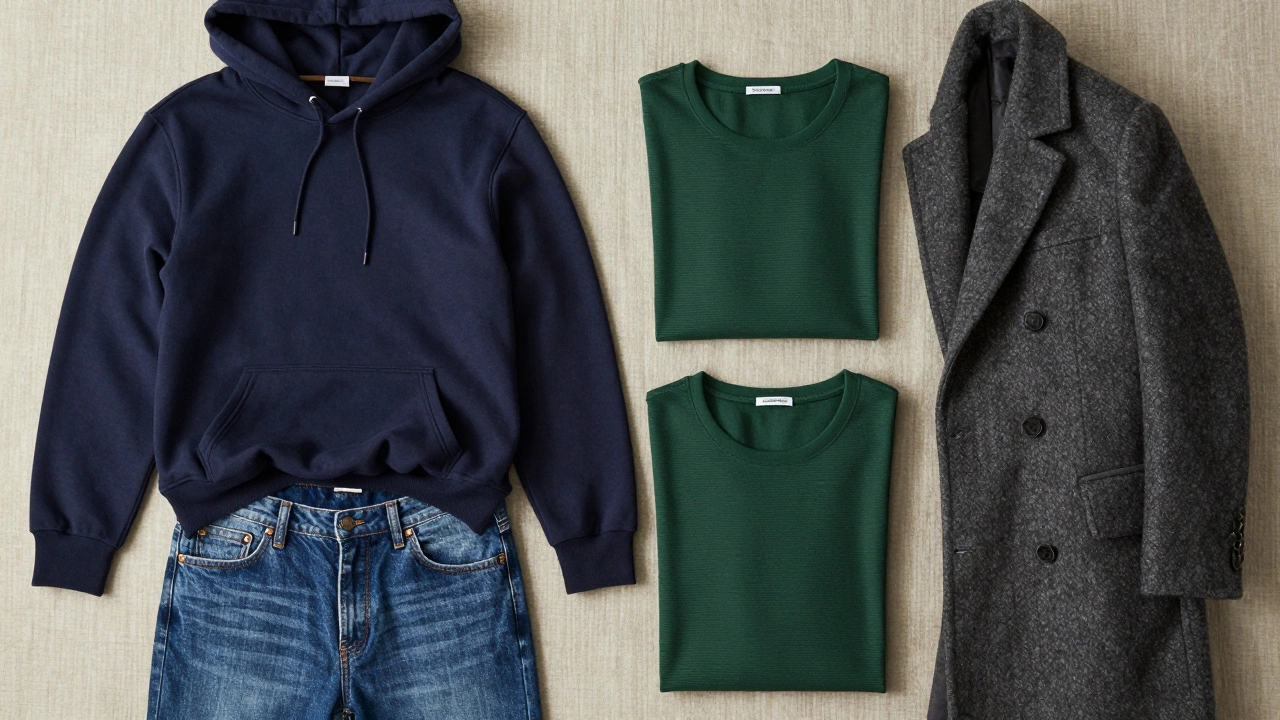
Once you have the right fit, how do you style it? In Ireland, layering is key. A well-fitted hoodie serves as the perfect mid-layer. Pair it with a denim jacket for spring outings in Phoenix Park, or a wool coat for smarter casual events in Belfast. The hoodie’s collar should lay flat under the jacket’s lapels without bunching up. This is why avoiding overly thick collars on hoodies is wise if you plan to layer them frequently.
Color choices also matter. Darker colors like charcoal, navy, and forest green hide dirt and rain splashes better than white or light grey. Given our frequent overcast skies, these tones also complement the natural landscape. Local brands often incorporate earthy tones inspired by the Irish countryside, which can add a touch of regional pride to your outfit.
Common Mistakes to Avoid
One major mistake is buying based solely on brand loyalty. Just because you wear a Medium in Brand A doesn’t mean you’ll fit a Medium in Brand B. Always check the specific size chart. Another error is ignoring the shrinkage factor. Cotton hoodies shrink. Wash them in cold water and tumble dry low, or better yet, hang them to dry. If you buy a hoodie that already feels tight, it will become unwearable after the first wash.
Don’t forget about mobility. Sit down in the fitting room. Cross your legs. Reach for something high. If the hoodie restricts any of these movements, it won’t serve you well in daily life. Comfort is paramount, especially when you’re navigating crowded buses or trams during rush hour.
Should a hoodie be tight or loose?
A hoodie should generally be loose enough to allow for layering but fitted enough to retain heat. It shouldn't be skin-tight, as this traps moisture and restricts movement. Nor should it be excessively baggy, which lets cold air circulate. Aim for a relaxed fit where the fabric skims your body without clinging.
How do I know if my hoodie is too big?
If the shoulder seams drop significantly below your actual shoulder bone, the sleeves extend past your fingertips, or the hem covers your entire buttocks, the hoodie is likely too big. Additionally, if the hood is so large it blocks your peripheral vision, it’s oversized beyond functional limits.
Can I wear a hoodie under a suit jacket in Ireland?
Yes, but choose a slim-fit, lightweight hoodie in a neutral color. Avoid bulky fleece-lined options. This smart-casual look works well in creative industries or casual Fridays in cities like Dublin and Cork. Ensure the hoodie collar lies flat to prevent bulkiness under the suit jacket.
Do hoodies shrink after washing?
Cotton hoodies do shrink, especially if washed in hot water or dried on high heat. To minimize shrinkage, wash in cold water and air dry. Pre-shrunk cotton varieties are available, but some minor shrinkage is still possible. Synthetic blends shrink less but may pill over time.
What is the best fabric for an Irish winter hoodie?
Look for heavyweight cotton-polyester blends with a fleece interior. The cotton provides comfort and breathability, while polyester adds durability and quick-drying properties. A GSM (grams per square meter) rating of 300 or higher indicates a thick, warm fabric suitable for cold, damp conditions.