Ireland 2026 Denim Style Verdict
Determine if your denim choices align with current Irish trends, climate practicality, and sustainability values.
Your Style Score: 0/100
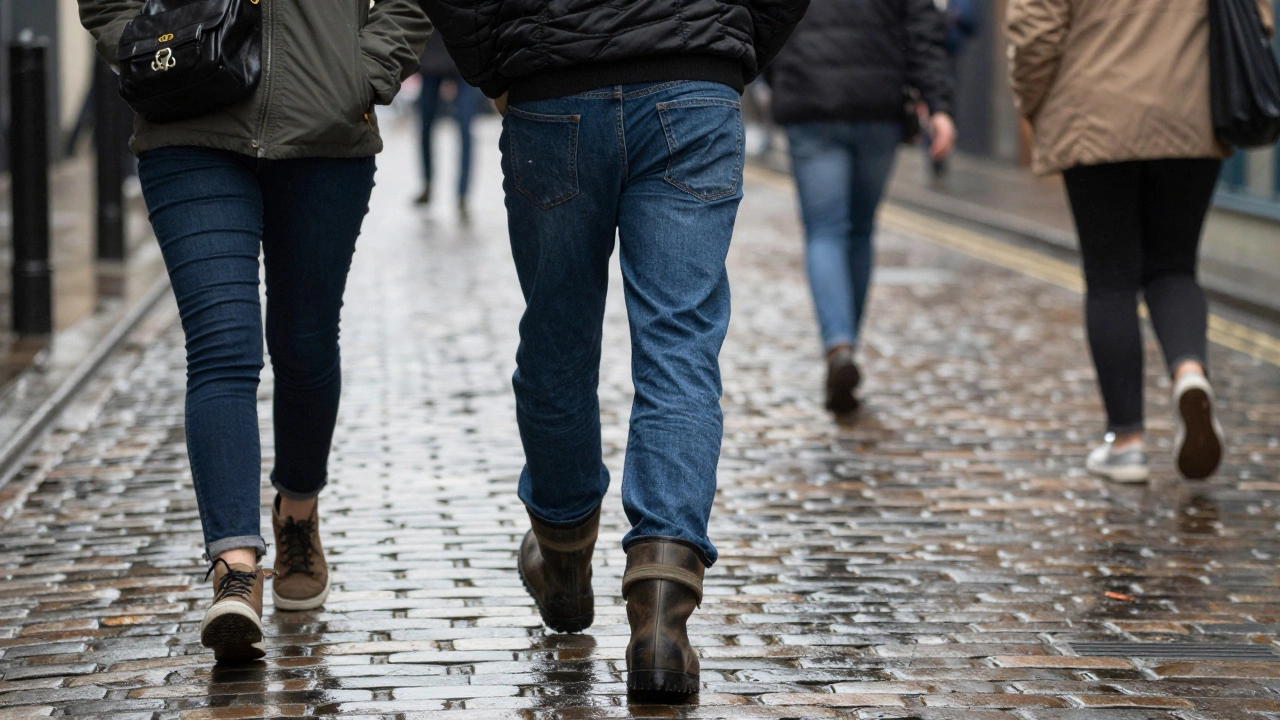
Walking down Grafton Street in Dublin on a rainy Tuesday, you might notice something shifting in the crowd. Five years ago, the torn knee was the uniform of choice for students from Trinity College to commuters heading to the Luas stop. Today, the silhouette is cleaner, the hems are higher, and the distressing is subtle-or absent entirely. So, are ripped jeans outdated in Ireland? The short answer is yes, if you’re talking about the aggressive, hole-filled styles that dominated the mid-2010s. But the longer answer involves a nuanced shift toward quality, sustainability, and a distinctly Irish appreciation for durability over disposable trend-chasing.
In Ireland’s damp climate, where rain seems to fall with poetic regularity from May through November, fashion choices have always been pragmatic. We don’t just dress for aesthetics; we dress for survival against the elements. This geographical reality has played a massive role in how our relationship with denim has evolved. As we move deeper into 2026, the conversation around ripped jeans isn’t just about what looks good-it’s about what makes sense for our lifestyle, our values, and our wallets.
The Shift from Distressed to Clean: Why the Trend Faded
To understand why the ripped jean has lost its crown, we need to look at the broader global fashion cycle, which Ireland follows closely but often interprets through a local lens. The peak of the "deconstructed" look coincided with a rise in fast fashion brands like Zara and H&M flooding high streets across Cork, Galway, and Limerick. These garments were designed to be worn for a season and discarded. However, by 2024, a counter-movement gained traction. Consumers began questioning the environmental cost of buying clothes that literally fell apart after three washes.
This sentiment resonated deeply in Ireland, a country with a strong cultural connection to land, heritage, and longevity. Think about the traditional Aran sweater. It’s not trendy in the fleeting sense; it’s built to last generations. That same mindset has migrated to denim. Shoppers are now prioritizing raw selvedge denim or classic straight-leg cuts that can withstand a hike in the Wicklow Mountains just as easily as they handle a night out in Temple Bar. The "perfectly imperfect" look has given way to the "intentionally pristine."
| Feature | 2015 Peak Trend | 2026 Current Standard |
|---|---|---|
| Cut | Skinny, low-rise | Straight, wide-leg, mid-to-high rise |
| Distressing | Heavy rips, exposed threads | Minimal fading, no holes |
| Fabric Weight | Lightweight, stretch-heavy | Medium to heavy weight, rigid cotton |
| Lifespan Expectation | 6-12 months | 3-5+ years |
| Price Point (Avg) | €20-€40 | €60-€120+ |
The Irish Climate Factor: Practicality Over Aesthetics
Let’s talk about the weather. If you’ve ever lived in Ireland, you know that rain doesn’t ask permission. It arrives sideways, it lingers, and it finds every gap in your clothing. A large rip in the knee isn’t just a style statement; it’s an invitation for cold air and wet grass to make contact with your skin. While this might seem trivial in a controlled indoor environment, it matters significantly when you’re waiting for the DART in Howth or walking the dog in Phoenix Park during a spring drizzle.
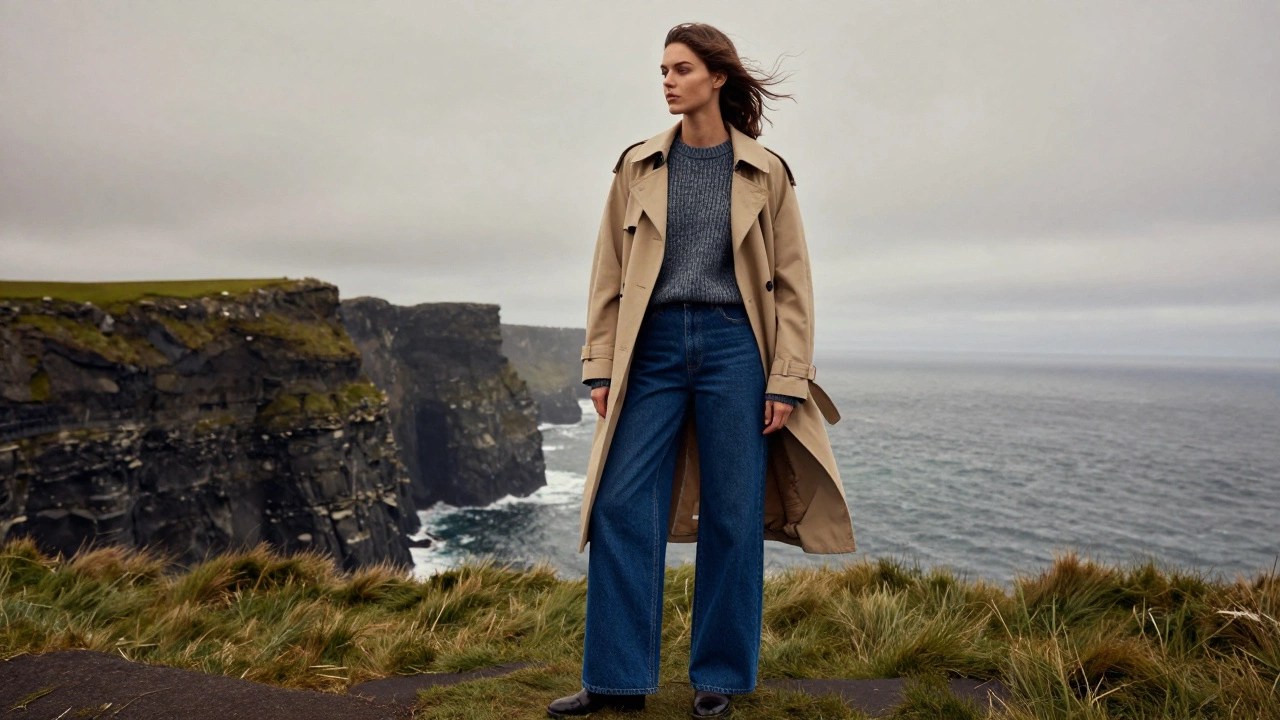
This practical constraint has accelerated the decline of heavily distressed denim. Modern Irish consumers are opting for thicker fabrics that offer better insulation and water resistance. Brands that emphasize durability, such as local favorites or international labels known for rugged construction, are seeing increased demand. The "rugged chic" aesthetic aligns perfectly with Ireland’s outdoor culture. Whether you’re climbing the Cliffs of Moher or simply navigating the cobblestones of Kilkenny City Centre, you want pants that protect you, not expose you.
Furthermore, the layering game is real here. In winter, jeans need to accommodate thermal leggings underneath without looking bulky. Tight, ripped skinny jeans struggle with this requirement. Wider, clean-cut legs allow for comfortable layering while maintaining a sleek profile under coats and trench jackets-a staple of any Dublin wardrobe.
Sustainability and the Rise of Conscious Consumerism
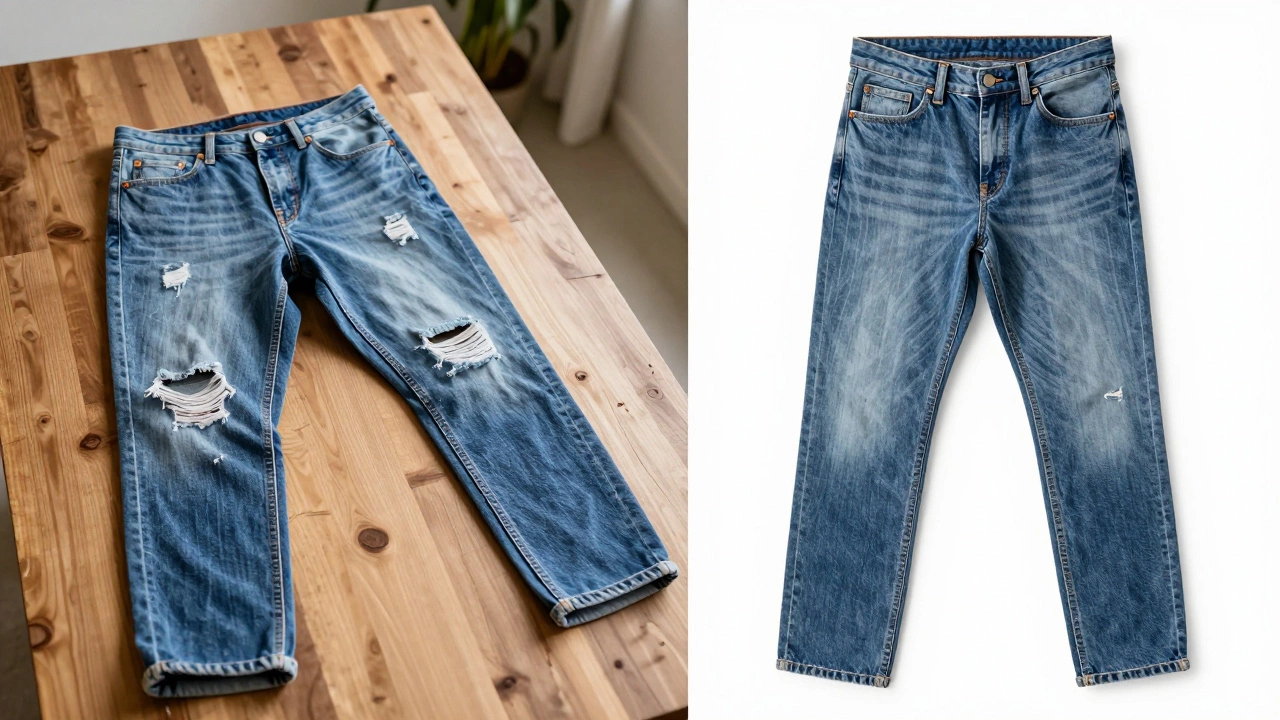
Ireland has seen a surge in eco-conscious shopping habits. According to recent surveys by the Central Statistics Office (CSO), younger demographics in particular are willing to pay more for sustainable goods. This shift directly impacts the denim market. Producing ripped jeans requires significant chemical treatments and manual labor to create the distressing, processes that are often environmentally damaging. By choosing intact denim, consumers are voting with their wallets for cleaner production methods.
Local thrift stores in areas like Smithfield Market in Dublin or independent boutiques in Galway’s Latin Quarter are thriving. People are hunting for vintage Levi’s or Wrangler jeans from the 80s and 90s-eras defined by solid, unbroken denim. This second-hand boom reinforces the idea that newness isn’t everything. In fact, a well-faded pair of vintage jeans with no rips commands more respect in current circles than a brand-new, factory-distressed pair.
The concept of "slow fashion" has taken root in Ireland’s urban centers. It’s not just about buying less; it’s about buying better. When you invest in a pair of quality jeans, you expect them to age gracefully. The natural wear and tear that occurs over time-fading at the thighs, softening at the waist-is valued far more than artificial damage inflicted before purchase. This organic evolution creates a garment that tells your story, rather than one that mimics someone else’s.
Where Ripped Jeans Still Have a Place
Does this mean you should burn all your distressed denim? Not necessarily. Fashion is cyclical, and context matters. There are still scenarios where a subtle rip works. For instance, in the creative industries based in Dublin’s Docklands or the tech hubs of Cork City, individual expression is highly valued. A small fray at the hem or a light whisker effect can add personality without crossing into "outdated" territory.
Music festivals remain another stronghold for distressed styles. Events like Oxegen (though discontinued, its spirit lives on in smaller gatherings) or local summer fairs see attendees embracing bold, edgy looks. Here, the ripped jean serves a different purpose: it’s part of a costume, a temporary identity for a day of celebration. Outside of these specific contexts, however, the everyday office worker or student is likely steering clear.
Even within these niches, the severity has toned down. The "catfight" jeans of the early 2010s, where the fabric barely held together, are virtually extinct. What remains is a refined approach to distressing. Think laser-etched patterns rather than gaping holes. This subtlety allows the style to coexist with modern minimalism.
How to Style Denim in Ireland Today
If you’re updating your wardrobe for 2026, focus on fit and fabric. Here’s a quick guide to navigating the current Irish denim landscape:
- Choose the Right Wash: Dark indigo or black denim offers versatility. They look sharp with a blazer for a business-casual Friday in a Galway office and casual enough for a pub crawl in Ennis.
- Prioritize Comfort: Look for a slight stretch (2-4% elastane) to accommodate movement, especially if you’re cycling to work or commuting via train. Pure rigid cotton is stylish but can be unforgiving in humid conditions.
- Invest in Versatility: A straight-leg cut bridges the gap between formal and informal. Pair it with loafers for daytime meetings and ankle boots for evening drinks.
- Embrace Layering: Ensure your jeans aren’t too tight around the hips. You’ll need room for turtlenecks and sweaters during those unpredictable autumn chills.
- Support Local: Consider Irish-made denim or brands that source ethically. Supporting local businesses strengthens the community economy and ensures higher quality control.
The Future of Denim in Ireland
As we look ahead, the trend points toward innovation. Smart textiles and recycled materials are becoming more common. Imagine jeans made from ocean plastic recovered off the coast of West Cork or hemp blends that require less water to produce. These advancements align with Ireland’s growing green agenda. The future of denim isn’t about how broken it looks; it’s about how responsibly it’s made.
Moreover, the rise of remote work has changed how we dress. With many professionals working from home in counties like Kerry or Wexford, comfort is king. Yet, when we do go out, we want to feel polished. Clean, well-fitted jeans strike that perfect balance. They signal effort without demanding excessive maintenance. This duality is key to their enduring popularity.
In summary, while the era of the aggressively ripped jean is largely behind us, denim itself is more relevant than ever in Ireland. It has adapted to our climate, our values, and our evolving lifestyles. By choosing quality over quantity and simplicity over spectacle, you’re not just following a trend-you’re participating in a smarter, more sustainable approach to fashion.
Are ripped jeans completely banned from professional settings in Ireland?
No, they are not banned, but they are generally discouraged in conservative industries like law or finance. In creative sectors or tech startups in Dublin, subtly distressed jeans may be acceptable, provided the rest of your outfit is polished. Always err on the side of caution and opt for clean denim if unsure.
What type of jeans are best for Irish winters?
For Irish winters, choose heavier weight denim (14oz or more) with a straight or wide-leg cut. This allows space for thermal layers underneath. Dark washes also help retain heat and hide mud splashes from rainy sidewalks. Avoid thin, stretchy fabrics that offer little insulation.
Can I still wear ripped jeans to festivals in Ireland?
Yes, music festivals and summer events remain appropriate places for distressed denim. However, even here, the trend is moving toward moderate distressing rather than extreme holes. Pair them with waterproof footwear, as festival grounds in Ireland can get muddy quickly.
Where can I find sustainable denim brands in Ireland?
Look for local boutiques in Dublin’s Smithfield area or online retailers specializing in ethical fashion. Brands like & Other Stories (available in Dublin) and various Irish designers prioritize sustainable practices. Thrift stores in cities like Cork and Galway also offer excellent options for pre-loved, durable denim.
Why did the trend of ripped jeans fade so quickly?
The trend faded due to a combination of factors: fatigue from over-saturation, growing awareness of environmental impact, and a shift towards minimalist aesthetics. Additionally, the impracticality of heavily ripped jeans in Ireland’s wet climate contributed to their decline among daily wearers.