Activewear vs Sportswear Selector
Answer three quick questions about your upcoming session to get a personalized recommendation.
Result
You’re standing in the fitting room at a store on Grafton Street or browsing online from your sofa in Galway. You see two tags that look nearly identical: activewear and sportswear. They both promise to keep you comfortable while you move. They both come in black leggings and moisture-wicking tops. So why do they have different names? And more importantly, which one should you actually buy if you plan to run up the Phoenix Park hills or just grab a coffee in Temple Bar?
The confusion is understandable. In the Irish market, these terms are often used interchangeably by retailers. But there is a distinct line between them, rooted in function, fabric technology, and where you intend to wear them. Getting this wrong can mean buying expensive gear that doesn’t dry fast enough for a rainy hike in the Wicklow Mountains, or wearing stiff, technical material to a casual yoga class in Dublin.
Defining the Core Concepts
To clear the fog, we need to look at what each term actually means in practice. It’s not just marketing jargon; it’s about engineering versus lifestyle.
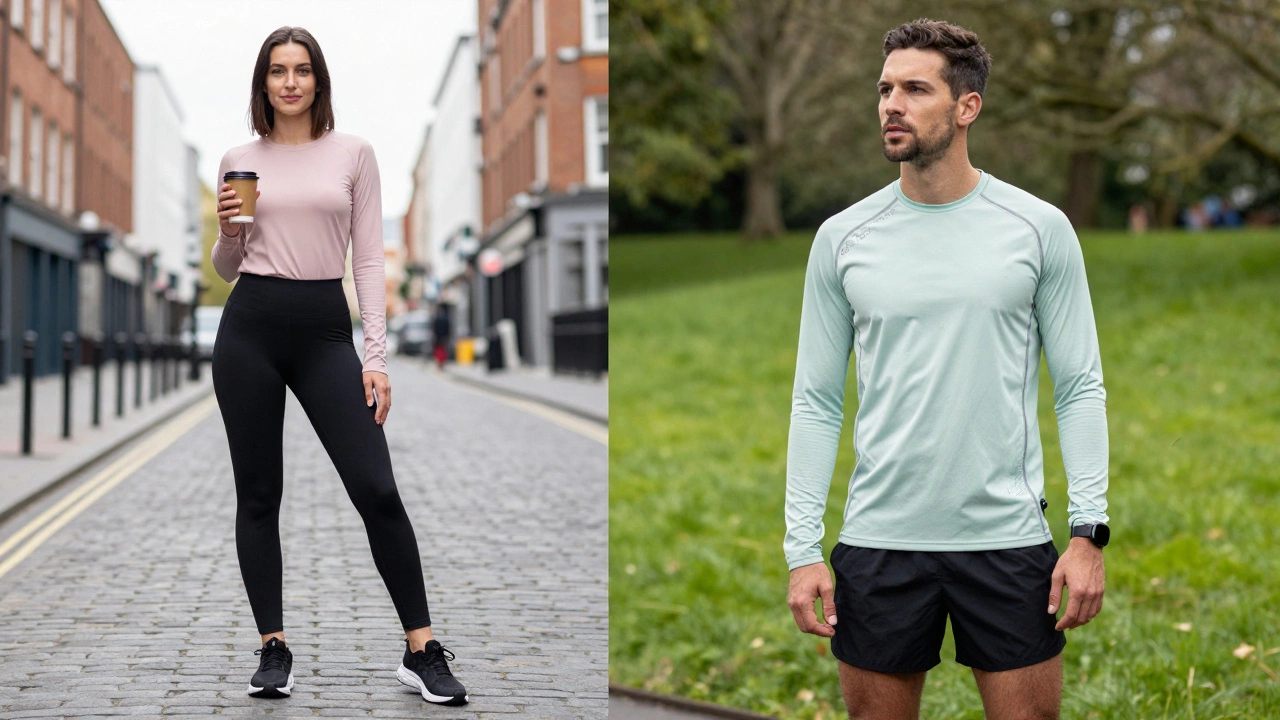
Sportswear is technical clothing designed specifically for athletic performance and protection during specific sports activities. Think of it as equipment. When you play Gaelic football on a wet pitch in Cork, you aren’t thinking about how stylish you look. You are thinking about grip, durability, and staying warm despite the wind coming off the Atlantic. Sportswear is built for the activity itself. It includes jerseys with team logos, padded cycling shorts, heavy-duty hiking boots, and swimsuits made for chlorine resistance.
Activewear is casual clothing designed for physical activity but styled for everyday wear and social settings. This is the "athleisure" movement that took over Dublin’s streets in the last decade. Activewear is versatile. It’s the seamless leggings you wear for a Pilates session, then pair with a denim jacket and trainers to meet friends for dinner in Smithfield. The focus here is on comfort, aesthetics, and transitionability.
Fabric Technology: Performance vs. Comfort
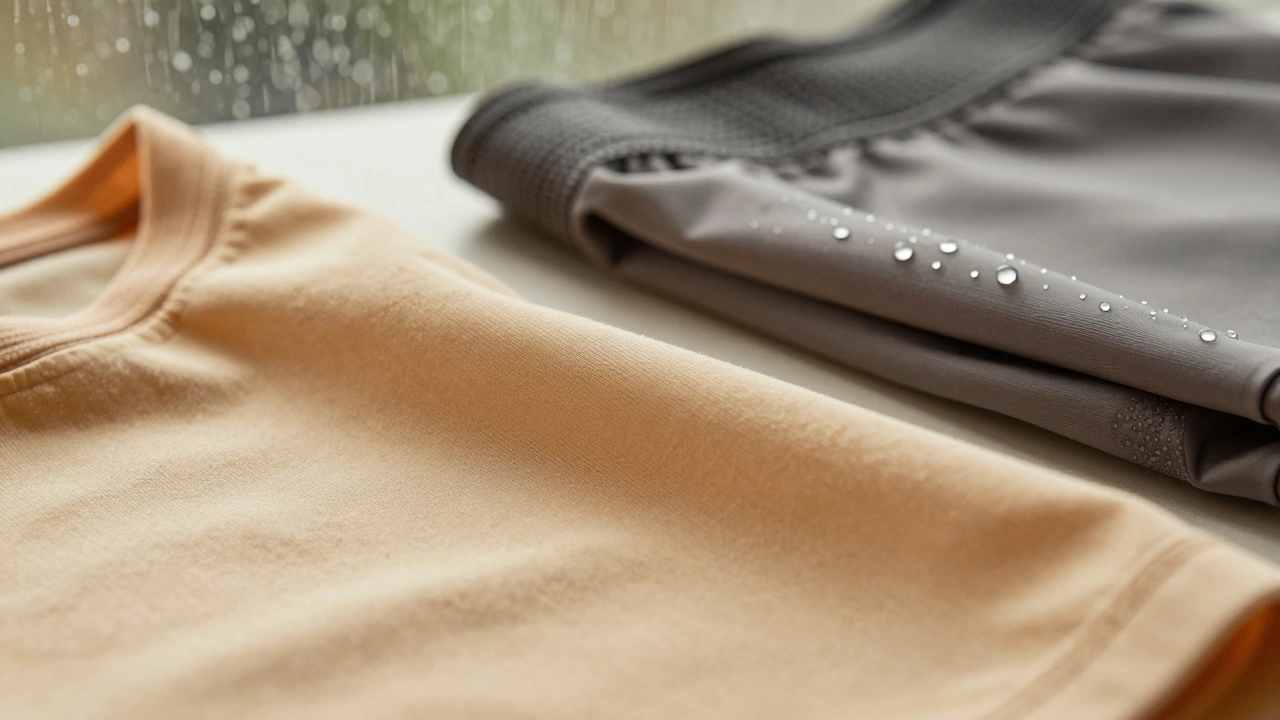
The biggest difference lies in the materials. If you pull apart the seams of a high-end sportswear piece, you’ll find complex engineering. For example, a running shirt designed for the Dublin Marathon uses moisture-wicking synthetic fabrics like polyester blends or nylon. These materials actively pull sweat away from your skin to the outer surface where it evaporates quickly. This is crucial in Ireland’s unpredictable weather. If you get caught in a summer downpour while jogging along the Liffey, you want your shirt to dry in minutes, not hours.
Activewear, on the other hand, often prioritizes softness and stretch. You’ll see more use of cotton blends, bamboo fibers, or lighter elastane mixes. These fabrics feel luxurious against the skin and offer great freedom of movement for low-impact activities like yoga or walking. However, they don’t manage heavy sweat as efficiently. If you wore a cotton-blend activewear top during an intense HIIT session in a gym in Ballsbridge, you’d likely end up feeling clammy and cold once you stopped moving.
| Feature | Activewear | Sportswear |
|---|---|---|
| Primary Goal | Lifestyle & Casual Fitness | Peak Athletic Performance |
| Fabric Focus | Softness, Stretch, Aesthetics | Durability, Moisture Management, Protection |
| Typical Activities | Yoga, Walking, Light Gym Work | Running, Hiking, Team Sports, Swimming |
| Post-Activity Wear | Highly Suitable (Social Settings) | Low Suitability (Often Bulky or Technical) |
| Price Point | Moderate to High (Fashion Premium) | Variable (Tech Premium) |
The Irish Context: Weather and Terrain
Living in Ireland adds a unique layer to this decision. Our climate is temperate maritime, which means it’s rarely extreme, but it’s consistently damp and windy. This makes the choice between activewear and sportswear critical for outdoor enthusiasts.
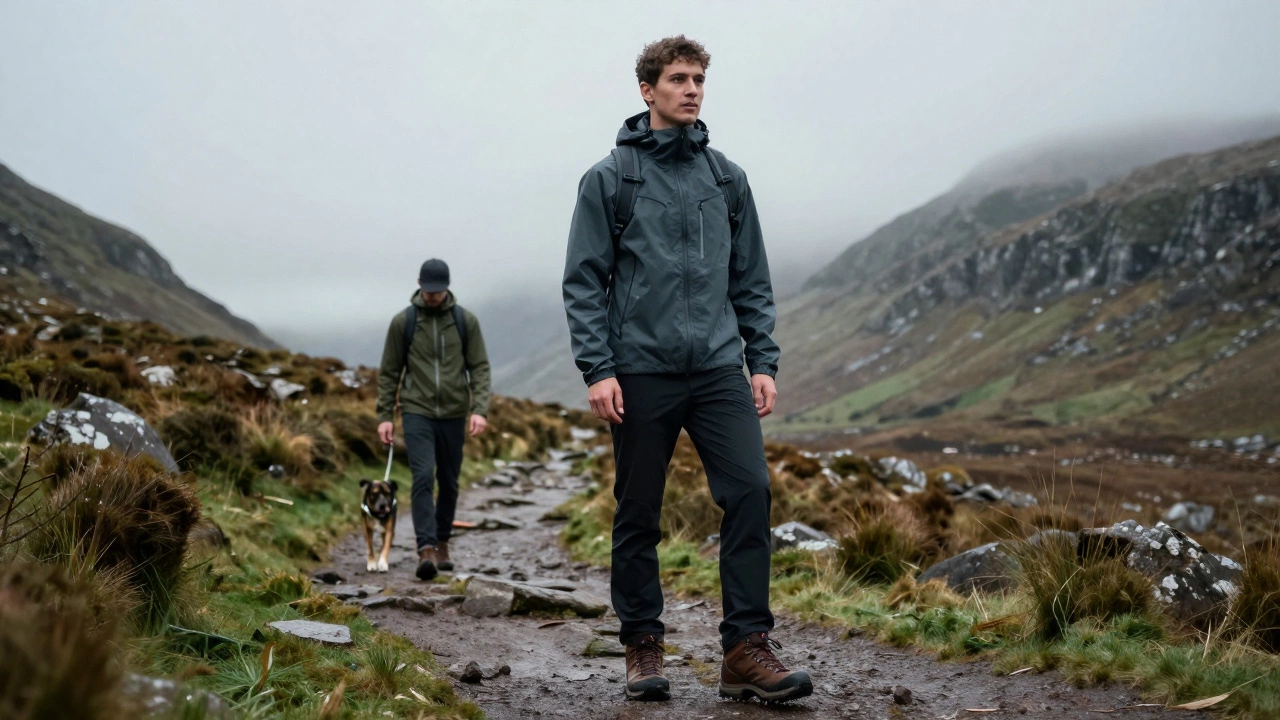
If you’re planning a hike in the Kerry Mountains or a cycle ride along the Wild Atlantic Way, sportswear is non-negotiable. You need layers that block wind and repel water without trapping heat. Brands like Jack Wolfskin or local Irish outdoor specialists often design gear with these specific conditions in mind. A technical hardshell jacket isn’t just a coat; it’s a survival tool against sudden squalls.
Conversely, if your routine involves indoor cycling classes in Dún Laoghaire or a morning jog around the calm waters of Howth Harbour, activewear might be sufficient. The aesthetic appeal matters more here because you’re likely transitioning directly into a café or office. The rise of remote work in Ireland has blurred these lines even further. Many professionals now wear high-quality activewear to video calls, valuing the comfort over formal attire.
Local Brands and Market Trends
The Irish retail landscape reflects this split. On one side, you have global giants like Nike and Adidas, which dominate the sportswear sector with their advanced technologies like Dri-FIT or ClimaCool. These are found in every major town center from Limerick to Letterkenny.
On the other side, there’s a growing appreciation for sustainable and locally-inspired activewear. Brands like Kilkenny Design or smaller Dublin-based startups are creating pieces that blend traditional Irish craftsmanship with modern fitness needs. These brands often focus on organic cottons and ethical production, appealing to consumers who care about environmental impact as much as their workout.
When shopping in Ireland, pay attention to the label. If it mentions "Gore-Tex," "merino wool," or "compression fit," you’re looking at sportswear. If it highlights "seamless construction," "high waist," or "studio ready," it’s activewear. Knowing this helps you avoid buying a £80 technical running shirt that looks out of place when you’re just sitting in a pub watching the GAA match.
How to Choose Based on Your Lifestyle
Your daily routine dictates your wardrobe. Ask yourself these questions:
- What is my primary activity? If it’s competitive swimming or trail running, invest in specialized sportswear. If it’s general wellness or light stretching, activewear offers better value and versatility.
- Where will I wear it next? If you’re heading straight to a meeting or a social event, choose activewear that transitions well. Pairing sleek black leggings with a blazer is a common sight in Dublin’s business districts.
- What is the weather forecast? In Ireland, always check the rain probability. For anything outdoors in autumn or winter, lean towards sportswear with insulation and waterproofing.
Don’t feel pressured to buy separate wardrobes. A hybrid approach works best for most people. Keep a few key pieces of technical sportswear for your intense workouts or outdoor adventures. Fill the rest of your closet with high-quality activewear that serves multiple purposes. This saves money and reduces clutter.
Common Pitfalls to Avoid
One mistake many shoppers make is assuming that expensive equals better performance. In the activewear category, price often reflects brand prestige and design rather than technological superiority. A £100 pair of designer leggings may look stunning, but they won’t outperform a £40 pair of basic gym leggings in terms of sweat management.
Another pitfall is ignoring fit. Sportswear often requires a snugger fit to ensure proper muscle support and aerodynamic efficiency. Activewear allows for more room and relaxation. Trying on both types in-store is essential, especially since sizing varies significantly between brands like Lululemon and Decathlon.
Finally, consider care instructions. Technical sportswear usually requires delicate washing cycles and no fabric softeners to maintain its wicking properties. Activewear is generally more forgiving. Mixing them up in the wash can ruin the functionality of your expensive gear.
Can I wear activewear for running in Ireland?
For short, slow runs in mild weather, yes. However, for serious training or long-distance running, especially in rain or wind, sportswear is safer and more effective due to superior moisture-wicking and thermal regulation properties.
Is sportswear too bulky for everyday wear?
Traditional sportswear can be bulky, but modern designs are increasingly streamlined. While some pieces like compression tights are suitable for casual wear, others like padded cycling shorts or heavy jackets are best reserved for their intended activities.
Which is better for yoga: activewear or sportswear?
Activewear is generally preferred for yoga because it prioritizes flexibility, breathability, and comfort without the need for heavy sweat management. Look for four-way stretch fabrics that allow full range of motion.
Are there Irish brands that specialize in activewear?
Yes, several emerging Irish brands focus on sustainable activewear, combining local design ethics with functional fitness apparel. These brands often emphasize organic materials and ethical manufacturing processes.
How do I clean technical sportswear properly?
Wash technical sportswear in cold water on a gentle cycle. Avoid fabric softeners and bleach, as they can clog the microscopic pores in moisture-wicking fabrics. Air drying is recommended to preserve elasticity and performance features.