The UGG & Sock Compatibility Checker
Not sure whether to go sockless? Answer three quick questions about your current situation to get the definitive answer for your feet.
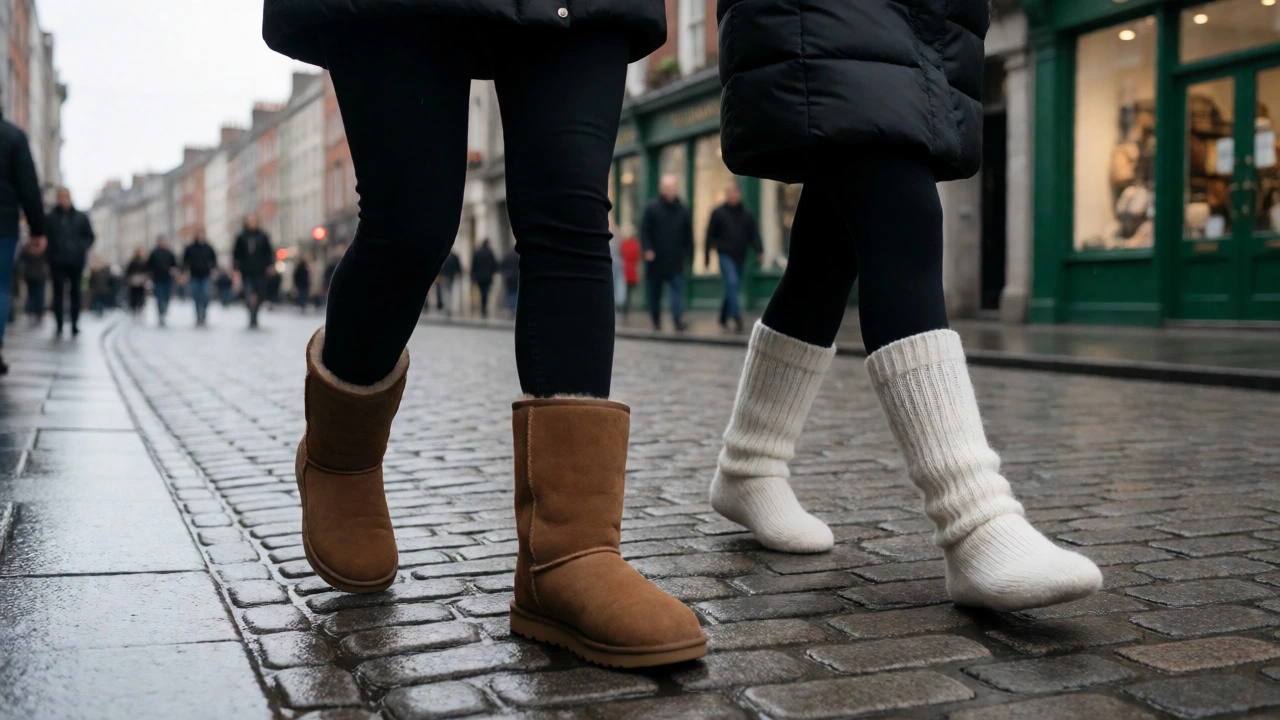
You see it on Grafton Street, you spot it at a pub in Galway, and you definitely notice it during the long commute home from Dublin city centre: people wearing thick wool socks inside their UGG boots. It is one of those style choices that divides opinion faster than the latest political debate. But here is the thing about wearing socks with your Uggs in Ireland-it’s not just about looking like a tourist (though that is part of it). It’s actually bad for the boots, uncomfortable for your feet, and counterintuitive to how the material works.
If you are living in or visiting Ireland, you know the weather can be unpredictable. One minute it’s drizzling, the next it’s sunny, and then it’s cold enough to freeze your toes off. This variability makes footwear choice tricky. Many people think adding a sock adds warmth. In reality, with genuine sheepskin boots, it often does the opposite. Let’s break down why ditching the sock is the smarter move for your health, your wallet, and your style.
The Science of Sheepskin vs. Cotton Socks
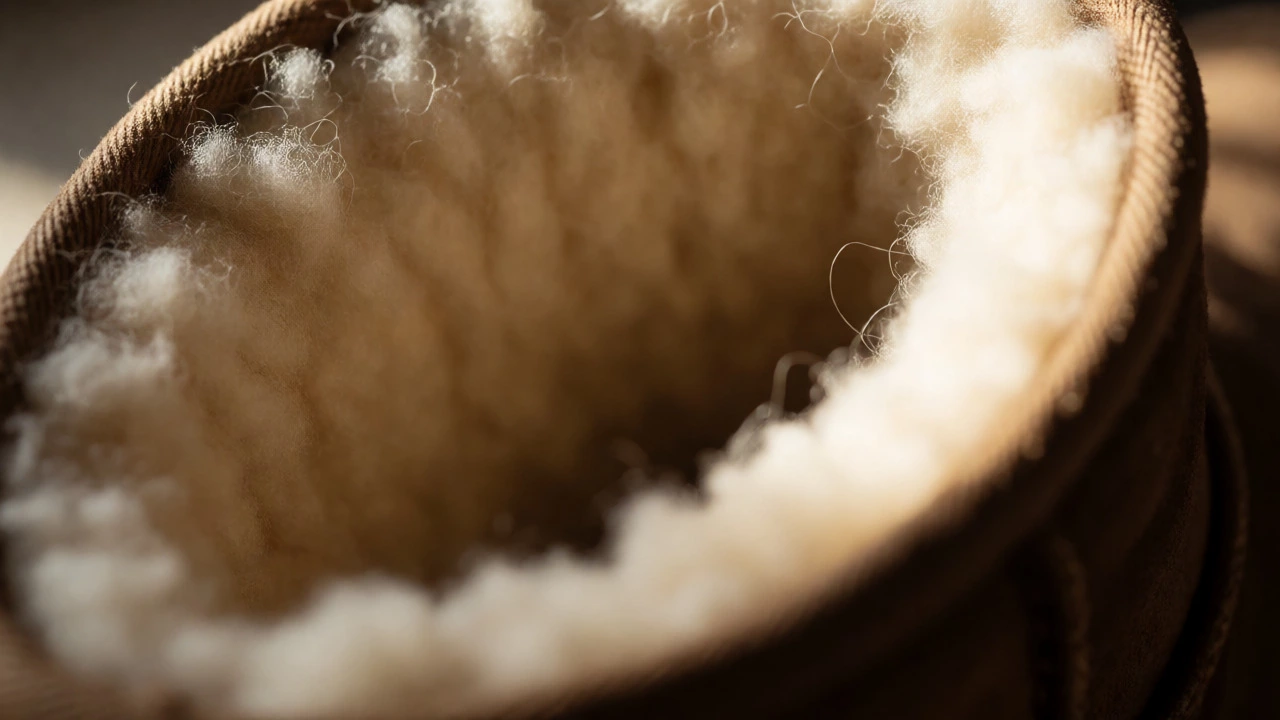
To understand why socks don’t work well with Uggs, you have to look at what the boots are made of. Genuine UGGs use twin-face sheepskin. This means the leather side is the outside, and the fluffy wool side is the lining. This material is not just decorative; it is a high-performance natural fibre.
Sheepskin has unique thermal properties. It wicks moisture away from your skin while trapping air to keep you warm. When you wear a cotton or synthetic sock, you disrupt this system. Cotton absorbs sweat but holds onto it. Instead of the moisture evaporating through the breathable sheepskin, it gets trapped between your foot and the boot lining. The result? Your feet get damp, cold, and prone to bacterial growth.
| Factor | Bare Foot (Recommended) | With Cotton/Synthetic Sock |
|---|---|---|
| Moisture Management | Wicks sweat directly into wool; dries quickly. | Absorbs sweat; stays wet against skin longer. |
| Temperature Regulation | Self-regulating; adapts to body heat. | Can cause overheating or sudden cooling if wet. |
| Hygiene Risk | Lower; wool is naturally antimicrobial. | Higher; trapped moisture breeds bacteria/fungus. |
| Boot Longevity | Preserves shape and liner integrity. | Accelerates wear; causes odour retention. |
Hygiene and Odour in Damp Irish Winters
Let’s talk about the Irish climate. We don’t get extreme freezing temperatures like Scandinavia, but we do get persistent dampness. Walking through a puddle near Phoenix Park or waiting for a bus in Cork in November means your feet encounter humidity regularly. If you wear socks, that dampness gets locked in. Wool socks are better than cotton, but they still create a barrier that prevents the boot from doing its job.
Without the sock, the sheepskin lining acts as a natural deodoriser. Lanolin, the natural oil found in sheep’s wool, resists bacteria. Bacteria need moisture and food (dead skin cells) to thrive. By allowing the boot to absorb and release moisture efficiently, you reduce the chance of that distinct "wet dog" smell that plagues many shoe owners. If you do wear socks, especially non-breathable ones, you might find yourself washing your boots more frequently, which shortens their lifespan.
The Fit Problem: Why Socks Make Uggs Too Tight
UGGs are designed to fit snugly around the ankle and calf. They are meant to mould to your leg over time. When you add a thick pair of socks, you change the internal volume of the boot. At first, it might feel cozy. But after an hour, the pressure builds up. This restricts blood circulation, which ironically makes your feet colder.
In Ireland, where walking distances can be significant-whether you’re strolling along the Cliffs of Moher or navigating cobblestones in Temple Bar-comfort is key. A tight boot leads to blisters and fatigue. If you absolutely must wear something inside, go for ultra-thin merino wool liners. These are barely there, providing a slight buffer without compromising the fit. But for most people, bare feet are the way to go.
Cultural Context: The Irish Take on Comfort
Ireland has a relaxed approach to fashion. We value practicality and comfort. You won’t find many locals trying too hard to impress with rigid dress codes in casual settings. However, there is a subtle distinction between "comfortable" and "messy." Wearing bulky athletic socks with sleek suede boots can look disjointed. It signals a lack of understanding of how the product is meant to be worn.
Think of it like wearing a heavy coat indoors. It’s unnecessary and looks out of place. Similarly, layering under a self-insulating boot is redundant. The Irish preference for understated elegance suggests keeping the silhouette clean. No visible sock lines, no bunching at the ankle. Just smooth, functional footwear.
Caring for Your Uggs Without Socks
Some people worry that going sockless will ruin the boots. Will they get dirty? Will they smell? Here is how to maintain them in the Irish market:
- Air Them Out: After a day out, leave your boots in a dry, ventilated area. Don’t put them back in a cupboard immediately. The sheepskin needs to breathe.
- Use Shoe Trees: Cedar shoe trees help absorb residual moisture and maintain the shape. This is crucial for preventing the heel from collapsing.
- Clean Regularly: Use a specialised suede cleaner every few months. There are plenty of local cobblers in cities like Dublin and Limerick who offer professional cleaning services if you want to save time.
- Rotate Your Pairs: Don’t wear the same pair two days in a row. Give them 24 hours to fully dry out. This extends their life significantly.

When You Might Need a Sock
Are there exceptions? Yes. If you have sensitive skin or specific medical conditions like diabetes, direct contact with the wool might irritate. In these cases, choose seamless, thin merino wool socks. Avoid cotton entirely. Also, if you are wearing Uggs in extremely cold, snowy conditions (rare in most of Ireland, but possible in mountainous areas), a thin thermal liner can help. But remember, less is more.
For tourists visiting Ireland, beware of buying cheap knock-offs. Fake sheepskin doesn’t breathe the same way. If your boots aren’t genuine, you might actually need a sock for warmth because the insulation isn’t working properly. Check the label carefully. Authentic products usually come with care instructions explicitly stating "wear barefoot."
Style Tips for the Irish Wardrobe
How do you style this look locally? Pair your sockless Uggs with jeans tucked slightly into the boot or cropped trousers. This highlights the clean line of the boot. In summer, they work surprisingly well with dresses or shorts, showing off the versatility of the footwear. The key is confidence. Own the look. It’s not about hiding your feet; it’s about embracing the design intent of the boot.
Ultimately, skipping the sock is about respecting the engineering of the shoe. It keeps your feet healthier, your boots cleaner, and your style sharper. Next time you head out into the typical Irish mix of rain and sunshine, trust the sheepskin. It knows what it’s doing.
Does wearing socks with Uggs make them smell worse?
Yes, typically. Socks trap sweat against your skin, creating a moist environment where bacteria thrive. Without socks, the sheepskin lining absorbs and releases moisture more effectively, reducing odour.
Is it hygienic to wear Uggs without socks?
Yes, provided you keep the boots clean and aired out. Sheepskin has natural antimicrobial properties due to lanolin. Regular airing and occasional cleaning prevent hygiene issues.
What kind of socks should I wear if I really need them?
If you must wear socks, choose thin, seamless merino wool socks. Avoid cotton, as it retains moisture and defeats the purpose of the breathable sheepskin lining.
Do UGGs keep feet warm in Irish winters without socks?
Yes. Genuine sheepskin is highly insulating. For most Irish winter temperatures, bare feet provide sufficient warmth. Adding socks often leads to overheating followed by chilling when sweat accumulates.
How often should I clean my Uggs if I don't wear socks?
Air them out daily. Deep clean the interior every 3-6 months using a suede-specific cleaner or take them to a professional cobbler, especially if you walk in muddy conditions common in rural Ireland.