Irish Sportswear Cost Breakdown Calculator
Enter a retail price to see how much you are actually paying for materials, taxes, and store operations versus brand profit.
Where does your money go?
You walk into a Brown Thomas or a high-street JD Sports in Dublin, pick up a pair of leggings or a running top, and the price tag makes you wince. It’s not just your imagination-sportswear is expensive in Ireland, often costing significantly more than basic cotton tees or jeans. But why does a simple polyester blend command such a premium here? The answer isn't just about brand names like Nike or Adidas; it’s a complex mix of global supply chain issues, specific Irish retail challenges, and the high-tech materials that keep you dry during a Galway rainstorm.
The High Cost of Technical Fabrics
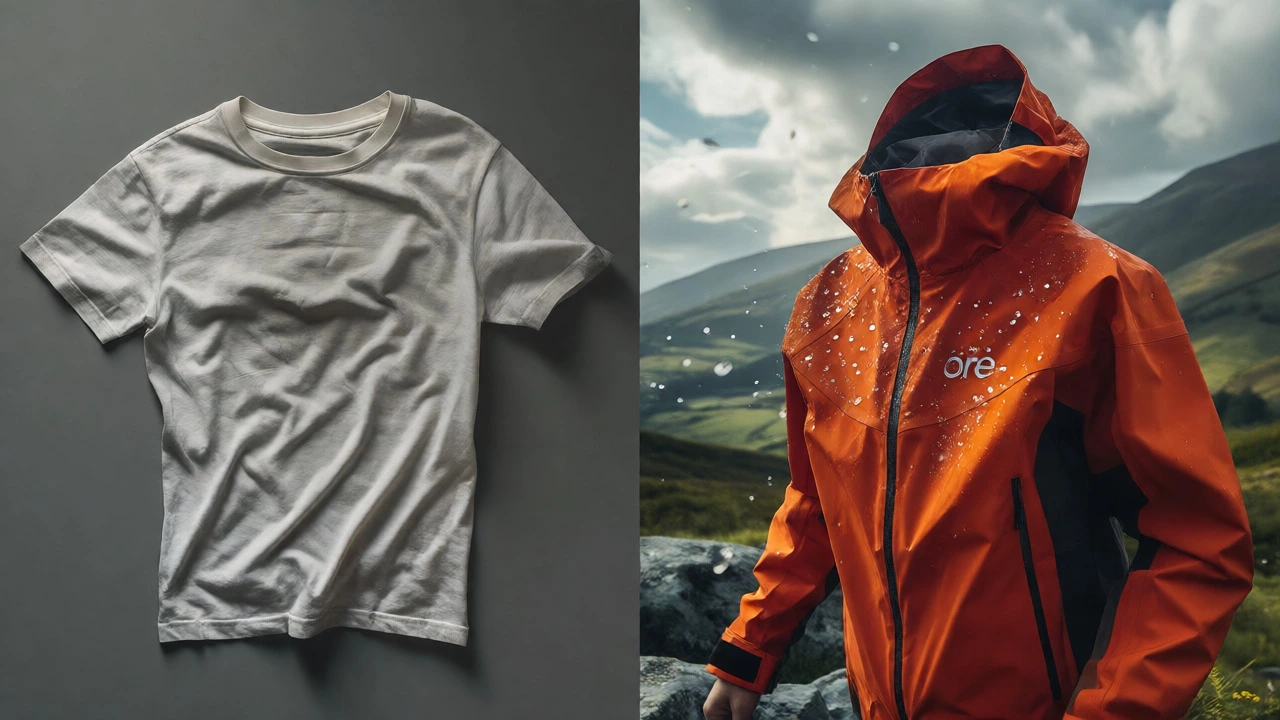
Let’s be honest: most people don’t pay €80 for a t-shirt because they love the logo. They pay for performance. In Ireland, where the weather can shift from sunshine to downpour in ten minutes, cheap cotton gets heavy and cold quickly. This is where technical fabrics come in. Brands invest millions in R&D to create materials like Gore-Tex, Dri-FIT, or proprietary blends used by Lululemon (Nulu fabric) or Under Armour (HeatGear).
These aren't just fancy names. They are engineered textiles designed to wick moisture, regulate temperature, and stretch without losing shape. Developing these fabrics requires specialized machinery and chemical treatments that standard textile factories can’t handle. For example, the process to make water-resistant yet breathable jackets involves laminating multiple layers with adhesives that must survive thousands of wash cycles. When you buy a premium shell jacket at a store on Grafton Street, you’re paying for years of laboratory testing that ensures you won’t get hypothermia after a hike in the Wicklow Mountains.
Ireland’s Retail Landscape and Operating Costs
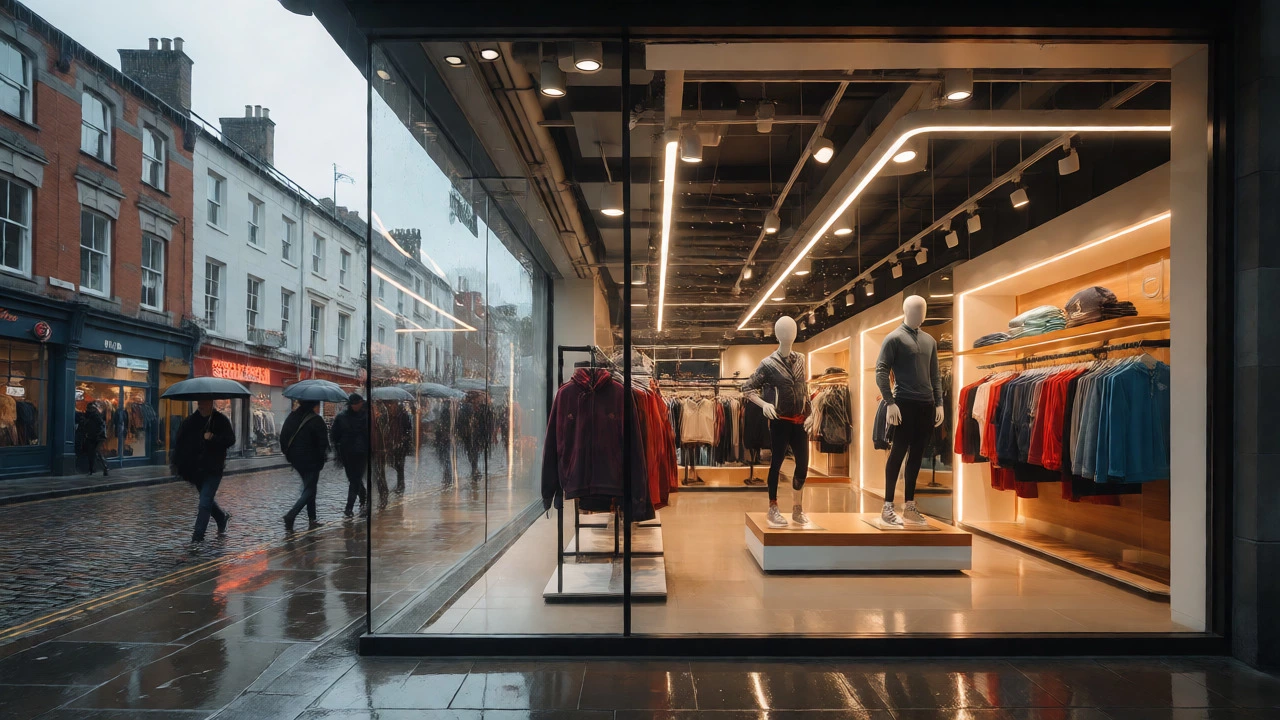
Here is a reality check for anyone shopping in the Republic: operating a physical store in Ireland is pricey. Rent in prime locations like Dublin’s City Centre or Cork’s St Patrick’s Street has skyrocketed over the last decade. If you’ve ever tried to find affordable office space near O’Connell Bridge, you know the struggle. Retailers pass these rental costs directly to consumers.
Then there’s labor. Ireland has seen significant increases in minimum wage and general salary expectations across the service sector. Staffing a flagship store with knowledgeable employees who can explain the difference between compression gear and base layers costs money. Unlike online-only competitors, brick-and-mortar shops in cities like Limerick or Galway have to cover utilities, security, and stock management for physical inventory. These overheads are baked into the shelf price. You aren't just buying the product; you're subsidizing the convenience of trying it on before you buy it.
| Cost Component | Approximate Percentage | Description |
|---|---|---|
| Raw Materials & Labor | 30% | Fabric sourcing, ethical manufacturing wages, quality control. |
| Logistics & Import Duties | 15% | Shipping from Asia/Europe, customs clearance, warehousing in Dublin. |
| Retail Overheads | 25% | Rent, staff wages, utilities, local marketing. |
| VAT (Value Added Tax) | 16.7% (of final price) | Ireland’s standard VAT rate is 23%, applied to the pre-tax price. |
| Brand Margin | Remaining % | Profit for the retailer and brand owner. |
VAT and Import Complexities
We can’t talk about prices in Ireland without mentioning VAT. At 23%, Ireland has one of the higher standard VAT rates in the EU. While this applies to all goods, it hits discretionary spending like fashion and sportswear harder than essential groceries. If you compare prices with Northern Ireland (UK), you might notice slight differences due to currency fluctuations and post-Brexit trade rules, but generally, the tax burden remains similar.
Furthermore, since most major sportswear brands manufacture in Vietnam, China, or Bangladesh, importing them to Ireland involves shipping costs and customs duties. Although many large retailers absorb some of these costs through bulk buying, smaller boutiques or niche brands selling in places like Kilkenny or Waterford often lack that leverage. They have to import smaller quantities, meaning higher per-unit shipping costs, which again, lands on your receipt.
Marketing and the "Lifestyle" Premium
Have you noticed how sportswear ads feature influencers doing yoga on cliffs in Donegal or running along the Grand Canal? That imagery isn't free. Marketing budgets for major brands run into the billions globally. Part of what you pay for is the aspirational lifestyle attached to the brand. When you buy a pair of Allbirds or On Running shoes, you’re partly paying for the cultural cachet that says you care about sustainability and performance.
In Ireland, this trend has accelerated with the rise of "athleisure." People wear gym clothes to work, to pubs, and to casual dinners. Because the demand is no longer limited to athletes, brands feel justified in charging more. They market to a broader audience that values comfort and style as much as function. This shift allows companies to position their products as luxury items rather than mere utility gear, further driving up prices.
How to Get Better Value Without Sacrificing Quality
Does this mean you have to break the bank every time you need new gym kit? Not necessarily. Smart shoppers in Ireland have several strategies to mitigate these costs:
- Shop Off-Season: Buy winter running gear in July and summer shorts in February. Stores like Sports Direct or Decathlon in Dublin often clear out seasonal stock heavily.
- Leverage Outlet Centers: Places like Kildare Village offer genuine discounts on premium brands like Nike, Adidas, and Ralph Lauren. It’s worth the trip if you’re buying multiple items.
- Check Local Independent Stores: Sometimes, independent sports shops in towns like Sligo or Tralee offer better customer service and occasional sales that big chains miss.
- Buy Second-Hand: Platforms like Depop or local Facebook Marketplace groups are huge in Ireland. Many people sell barely worn branded gear because they changed sizes or lost interest in a particular fitness trend.
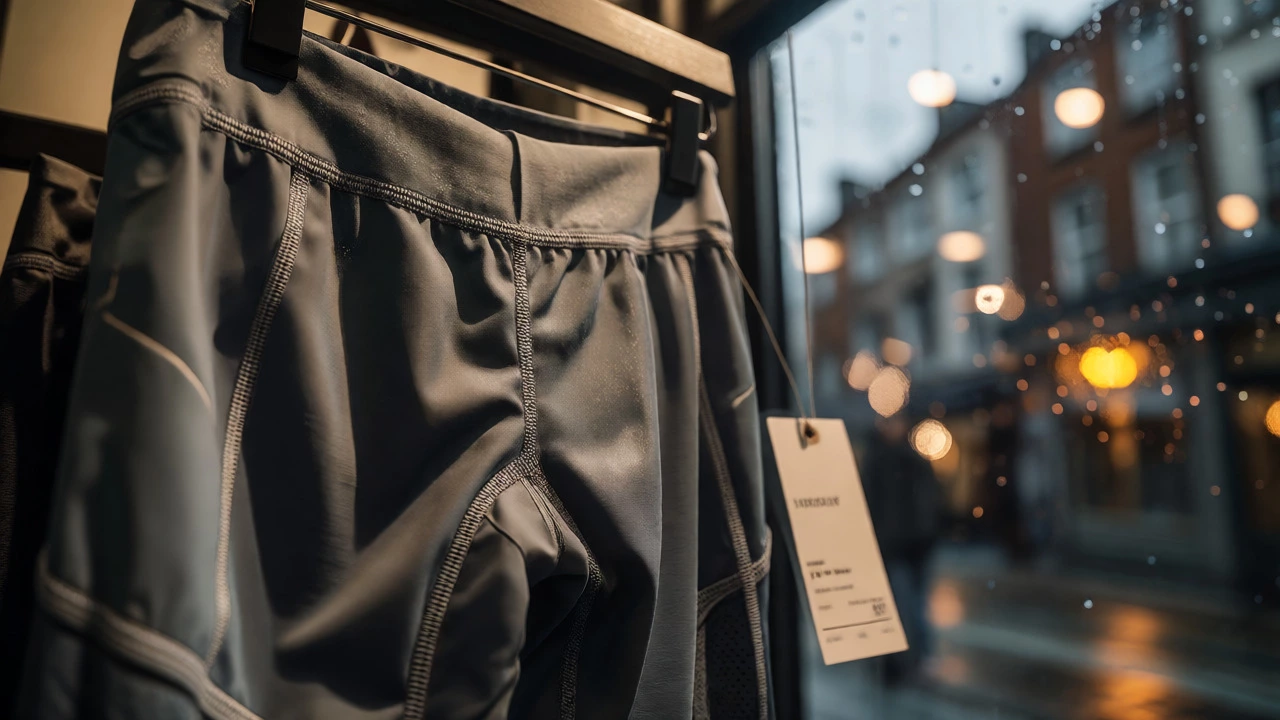
Also, consider the longevity of the product. A €90 pair of leggings that lasts three years is cheaper per wear than a €20 pair that loses elasticity after six months. Look for flatlock seams, reinforced gussets, and high-denier fabrics. These features indicate durability, which ultimately saves you money despite the higher upfront cost.
Is sportswear cheaper in the UK than in Ireland?
Not necessarily. While the UK sometimes has lower list prices, once you factor in potential shipping fees back to Ireland and any customs charges for orders under certain thresholds, the savings disappear. Additionally, exchange rate fluctuations between the Euro and Pound Sterling can make UK prices less attractive. Always compare the final landed cost.
Why are running shoes so expensive compared to regular sneakers?
Running shoes contain advanced foam technologies (like Nike ZoomX or Adidas Boost) and carbon fiber plates that require precise engineering and expensive manufacturing processes. Regular sneakers use simpler EVA foam and rubber soles. The specialized construction helps prevent injury and improves efficiency, justifying the higher price point for serious runners.
Do Irish VAT rules affect online sportswear purchases?
Yes. If you buy from an EU-based website, VAT is usually included in the displayed price based on the destination country's rate (Ireland's 23%). If you buy from outside the EU (e.g., US sites), you may face additional VAT and customs duties upon delivery unless the retailer uses a DDP (Delivered Duty Paid) system, which is becoming more common but not universal.
Are expensive sportswear brands actually better quality?
Generally, yes, but with diminishing returns. Premium brands use higher-grade fibers and stricter quality control. However, mid-range brands like Under Armour or Reebok often offer 90% of the performance for 60% of the price. Ultra-premium niche brands often charge for exclusivity and design rather than purely functional superiority.
Where is the best place to buy discounted sportswear in Dublin?
The Bluestone Outlet in Tallaght and various stores in Dundrum Town Centre frequently have sales. Also, keep an eye on seasonal sales events like Black Friday or January sales at major retailers like Brown Thomas, Arnotts, and Penneys (Primark). Online retailers like ASOS also offer frequent discount codes applicable to Irish addresses.