
Hoodie-in-Heat Compatibility Calculator
Not sure if your hoodie is suitable for today's weather? Use this tool to determine if you'll stay cool or overheat.
Select your options and click "Check Comfort Score" to see results.
You’re standing on Grafton Street in Dublin, the sun is blazing at a rare 28°C (roughly 82°F), and you see it: a guy in a thick cotton hoodie. You’re sweating through your linen shirt, wondering if he’s having a heatstroke-induced hallucination or just deeply committed to his aesthetic. It’s not just him. From Cork to Galway, you’ll spot hoodies even when the thermometer climbs. But why do people wear hoodies in 90 degree weather (or its Celsius equivalent) when logic screams "shorts and t-shirts"?
The answer isn’t about ignorance of temperature. It’s a mix of psychology, fabric science, and specific cultural habits that thrive here in Ireland. Let’s break down why this trend persists, especially during our unpredictable summers.
The Psychology of Comfort and Security
First off, let’s talk about anxiety. For many, a hoodie acts as a physical shield. It’s a security blanket you can wear out in public. In social settings-like a busy pub in Temple Bar or a crowded festival like Electric Picnic-the hood provides a sense of privacy. Pulling the hood up creates a barrier between you and the outside world. It signals "I’m present, but I’m not open for conversation," which is invaluable when you’re feeling overwhelmed by noise or crowds.
This isn’t just speculation. Studies on clothing psychology suggest that garments with hoods can lower cortisol levels in some individuals by providing a sense of enclosure. If you’ve ever felt exposed in a thin tank top while walking through a busy city center, you understand the appeal of that extra layer of coverage. It’s less about warmth and more about emotional regulation.
Fabric Science: Not All Hoodies Are Created Equal
If you think every hoodie feels like wearing a wool sweater in July, you haven’t looked closely at modern materials. Traditional heavy fleece hoodies are indeed miserable in the heat. But brands have adapted. Lightweight cotton blends, technical synthetics, and even mesh-lined options are designed specifically for warmer climates.
Here’s what actually works in an Irish summer:
- Lightweight Cotton: Breathable and absorbs sweat, though it can get heavy if it gets wet.
- Linen Blends: Rare for hoodies, but emerging. Linen allows maximum airflow.
- Technical Synthetics: Often found in sports hoodies, these wick moisture away from the skin quickly, keeping you cooler than damp cotton.
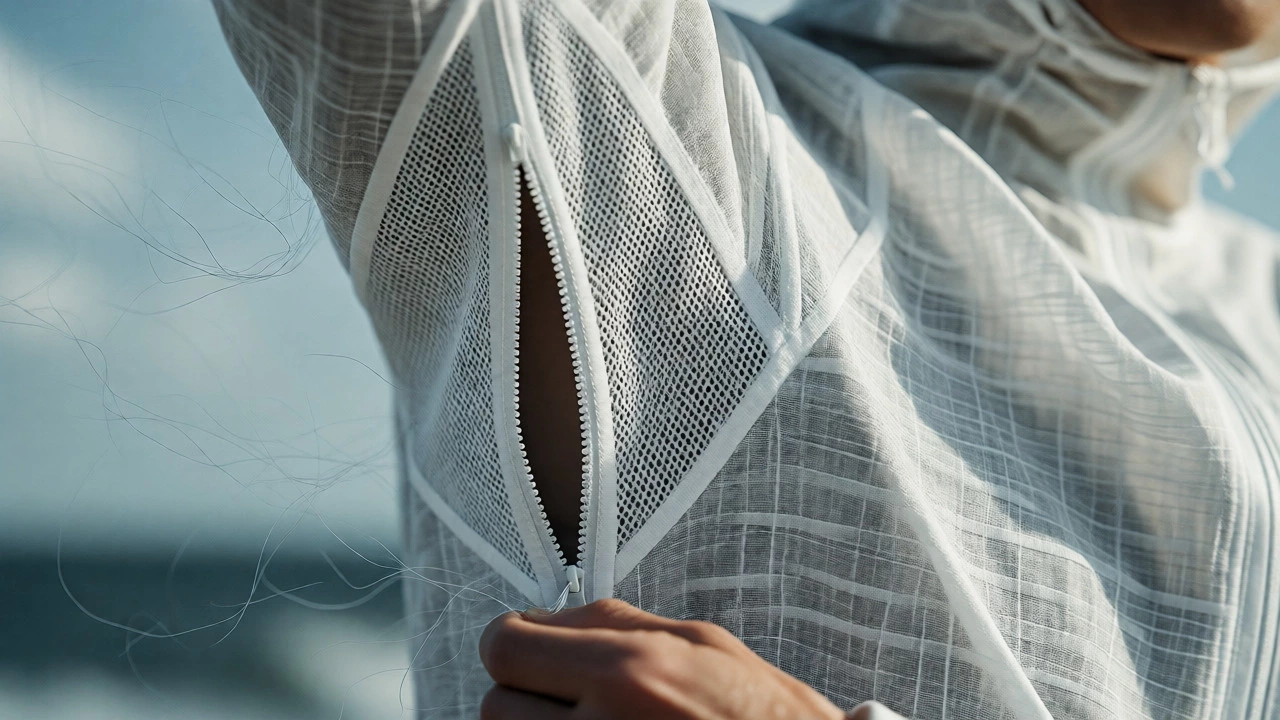
- Mesh Panels: Many "summer hoodies" now feature underarm or back mesh inserts to increase ventilation.
When someone wears a hoodie in warm weather, they’re likely choosing one of these engineered options rather than a thick winter pullover. They might also opt for a zip-up style, allowing them to unzip fully for instant cooling if the sun intensifies.
The Irish Climate Factor: Unpredictability Rules
Let’s be real: Irish weather is fickle. One minute it’s sunny, the next it’s raining sideways. A hoodie is the ultimate insurance policy against sudden drops in temperature. Even on a day that peaks at 25°C, the wind coming off the Atlantic can make it feel significantly colder, especially near coastal areas like Clontarf or Salthill.
Plus, air conditioning in older Irish buildings-think Victorian-era offices or historic pubs-can be surprisingly aggressive. Stepping from a humid outdoor environment into a chilled interior can cause a rapid chill factor. Carrying a lightweight hoodie means you’re prepared for both scenarios without needing a full jacket. It’s practicality disguised as fashion.
Cultural Identity and Streetwear Influence
Ireland has a strong connection to global streetwear trends, heavily influenced by hip-hop and skate culture. Brands like Supreme, Stüssy, and local favorites like Connolly 1866 or O’Neills collaborations keep the hoodie as a staple symbol of cool. Wearing a hoodie signals belonging to a certain subculture. It’s a uniform for creatives, students, and young professionals who prioritize style over traditional dress codes.
In cities like Dublin and Belfast, the hoodie has transcended its athletic origins. It’s worn to cafes, co-working spaces, and even casual Fridays in tech companies. The stigma of "sloppy dressing" has faded, replaced by an appreciation for relaxed, comfortable silhouettes. This cultural shift means people wear hoodies regardless of the season because it’s part of their identity, not just their thermal regulation strategy.
Practical Benefits Beyond Warmth
Beyond looking good and staying emotionally secure, hoodies offer tangible utility:
- Sun Protection: A hood shields your neck and ears from UV rays, reducing the need for constant sunscreen reapplication on those areas.
- Hair Management: Bad hair day? Rain mess? Just pull the hood up. No need for hats or styling products.
- Pocket Storage: Most hoodies have kangaroo pockets, perfect for stashing phones, keys, or snacks hands-free.
- Layering Versatility: Easy to throw on over a t-shirt and remove if needed, unlike structured jackets.

How to Wear a Hoodie Without Melting: Tips for Ireland
If you want to join the hoodie-in-heat crowd without overheating, follow these guidelines tailored for the Irish context:
| Feature | Recommendation | Why It Works |
|---|---|---|
| Fabric Weight | Under 300 GSM (grams per square meter) | Allows better airflow and reduces heat retention. |
| Fit | Oversized/Relaxed | Creates air gaps between skin and fabric, promoting convection cooling. |
| Color | Light colors (white, beige, pastels) | Reflects sunlight instead of absorbing it like black does. |
| Style | Zip-up or Half-zip | Adjustable ventilation lets you control body temperature instantly. |
| Material | Cotton-Linen blend or Technical Mesh | Superior breathability compared to pure polyester fleece. |
Also, consider the time of day. Early mornings in Ireland can still be crisp even in July. A hoodie is perfect for that 7 AM walk along the Grand Canal before the heat kicks in. By afternoon, you can tie it around your waist if necessary.
Local Brands to Watch
Supporting Irish designers often means finding higher-quality, thoughtfully constructed pieces. Look for brands like:
- Connolly 1866: Known for heritage quality, they occasionally release lighter-weight knitwear suitable for milder days.
- O’Neills: Their modern collections include stylish, breathable tracksuit tops that function well as light hoodies.
- Dublin-based startups: Keep an eye on pop-ups in markets like the Dublin Flea Market for independent makers using sustainable, breathable fabrics.
Is it hygienic to wear a hoodie in hot weather?
It depends on hygiene practices. Sweat trapped in non-breathable fabrics can lead to odor or skin irritation. To stay fresh, choose natural fibers like cotton or linen, wash the hoodie after each sweaty wear, and use an antiperspirant. Avoid synthetic materials that trap bacteria unless they are treated with antimicrobial agents.
Does wearing a hoodie make you hotter?
Not necessarily. While insulation adds warmth, loose-fitting hoodies made from breathable fabrics can actually help cool you down by facilitating air circulation and sweat evaporation. Tight, heavy fleece will definitely make you hotter, but a lightweight, oversized cotton hoodie may feel comparable to a long-sleeve shirt.
What is the best color for a hoodie in summer?
Light colors such as white, cream, light grey, or pastel shades are best. They reflect solar radiation rather than absorbing it, helping to keep your body temperature lower. Dark colors like black absorb heat, making them less ideal for direct sunlight exposure.
Can I wear a hoodie to work in Ireland during summer?
In creative industries, tech companies, and casual workplaces, yes. However, ensure it’s clean, fits well, and is made of high-quality material. Pair it with smart trousers or dark jeans to elevate the look. In more formal sectors like law or finance, it might be inappropriate unless it’s a very refined, minimalist design.
Why do tourists find Irish hoodies confusing in summer?
Tourists often expect consistent warmth in summer destinations. Ireland’s climate is variable, with frequent wind and rain even on warm days. Locals wear hoodies for protection against sudden weather changes and as a cultural norm, whereas visitors may misinterpret this as discomfort with the actual temperature.