Trainer vs. Sneaker: Cultural Fluency Quiz
Select the correct term based on the region or context provided.
Loading...
Quiz Complete!
Calculating result...
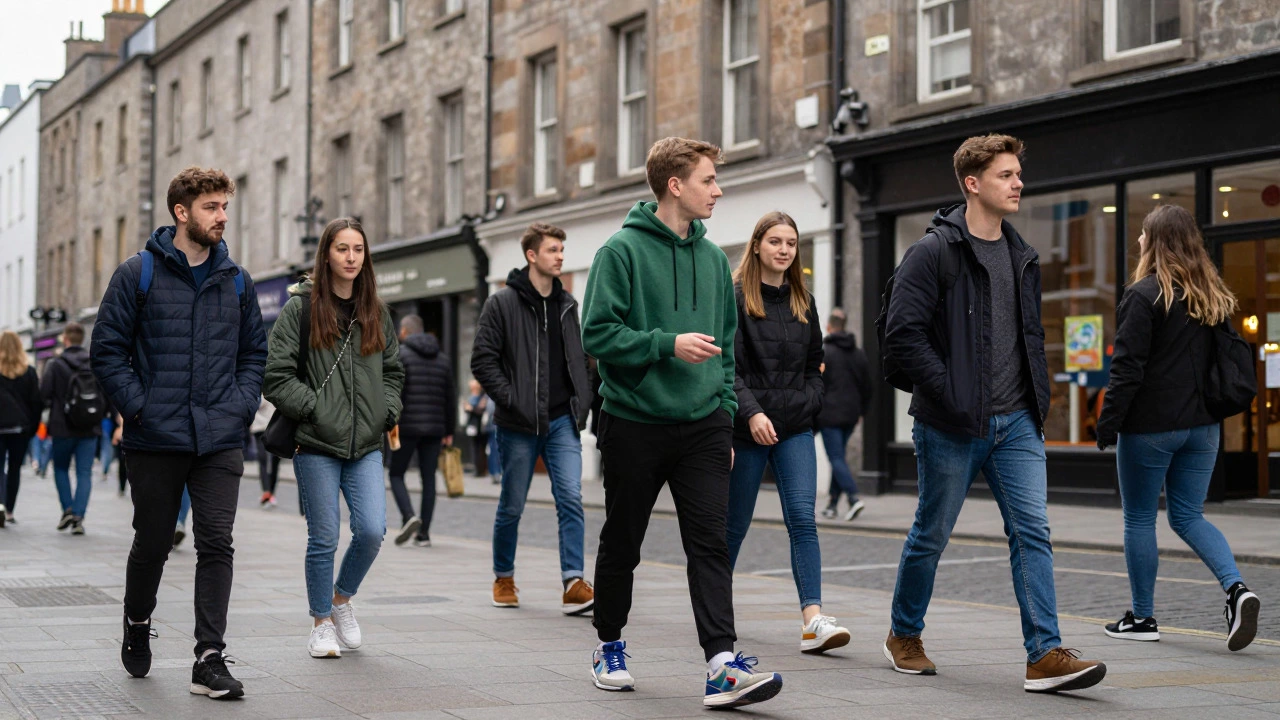
Walk down Grafton Street in Dublin or stroll through Oxford Street in London, and you’ll notice something interesting. People aren’t talking about "sneakers" or "tennis shoes." They’re looking for new trainers. If you’ve ever visited the UK or Ireland and heard this term, you might have wondered: why do they call them that? It’s not just a quirky habit; it’s a linguistic window into how language evolves around culture, sport, and commerce.
In Ireland, we share this vocabulary with our neighbors across the water. Whether you’re grabbing a coffee in Temple Bar or shopping in Dundrum Town Centre, you’ll hear locals ask for their "trainers." This article breaks down exactly where the word comes from, why it stuck, and how it differs from American English. We’ll also look at what this means for shoppers and brands operating in the Irish market today.
The Origin Story: From Gym Class to High Street
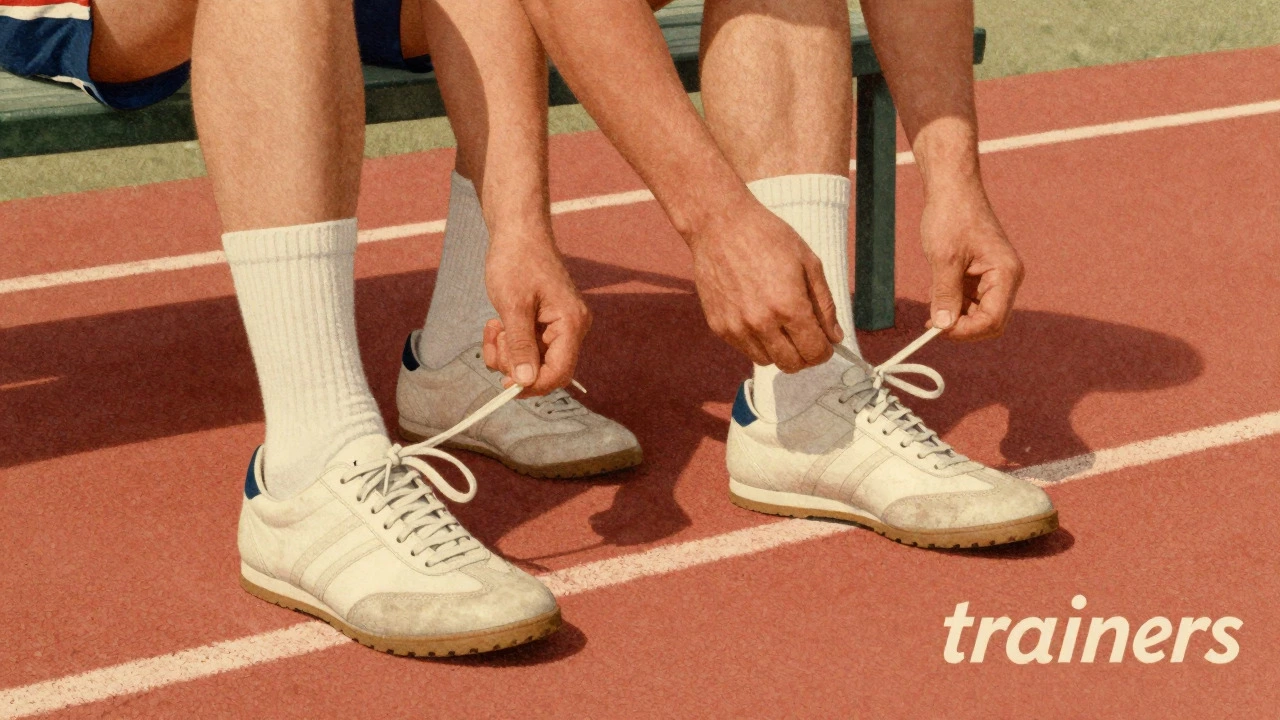
To understand why Brits and Irish people say trainers, we have to look back at the mid-20th century. The word didn’t start as a fashion statement. It started on the track and in the gym. In the 1950s and 60s, athletic shoes were designed specifically for physical training. Hence, they were called "training shoes" or simply "trainers."
Adidas is a German multinational corporation that designs and manufactures shoes, clothing, and accessories. Also known as Adidas AG, it was founded in 1949 by Adolf Dassler. The brand played a huge role in popularizing the term "trainers" in Europe. Their iconic three-stripe running shoes were marketed explicitly for athletic performance. As these shoes became everyday wear, the name stuck. It wasn’t about looking cool; it was about function first, style second.
This functional naming convention made sense in Britain and Ireland. The cultural focus was on practicality. You wore them to train, to run, or to play football. Over time, as casual wear evolved, the name didn’t change even when the shoes stopped being used solely for sports. By the 1980s, trainers were part of the high street wardrobe, worn with jeans and jackets alike.
Trainers vs. Sneakers: A Transatlantic Divide
If you travel to the United States, you won’t hear "trainers" much. Americans use "sneakers." Why the difference? The word "sneaker" comes from the early 20th century. Rubber-soled shoes allowed you to sneak around quietly compared to leather-soled boots. The name highlighted the stealth aspect of the sole material.
In contrast, British and Irish English focused on the activity (training) rather than the sound (sneaking). This split reflects broader differences in how English evolved in different regions. While America leaned toward descriptive names based on materials or sounds, the UK and Ireland often named things after their purpose or origin.
| Region | Common Term | Origin Context | Formality Level |
|---|---|---|---|
| United Kingdom & Ireland | Trainers | Athletic training | Casual to Smart-Casual |
| United States | Sneakers | Quiet rubber soles | Casual |
| Canada/Australia | Gym shoes / Runners | Mixed usage | Casual |
This distinction matters for marketers and retailers. If you’re launching a shoe brand in Dublin, calling your product line "sneakers" might feel foreign to local customers. Using "trainers" signals that you understand the local context. It’s a small detail, but it builds trust.
The Evolution of Trainer Culture in Ireland
In Ireland, trainers have gone far beyond their athletic roots. Today, they are a central part of streetwear culture. Cities like Dublin, Cork, and Galway have vibrant sneaker communities. Local shops stock limited-edition releases from global brands, and resale markets thrive online.
Nike is an American multinational corporation engaged in the design, development, manufacturing, and worldwide marketing and sales of footwear, apparel, equipment, accessories, and services. Also known as Nike Inc., it has dominated the trainer market since the 1970s. The Air Jordan line, for example, turned basketball shoes into cultural icons. In Ireland, seeing someone in fresh Jordans or Yeezys is common. These aren’t just for playing ball; they’re status symbols and fashion statements.
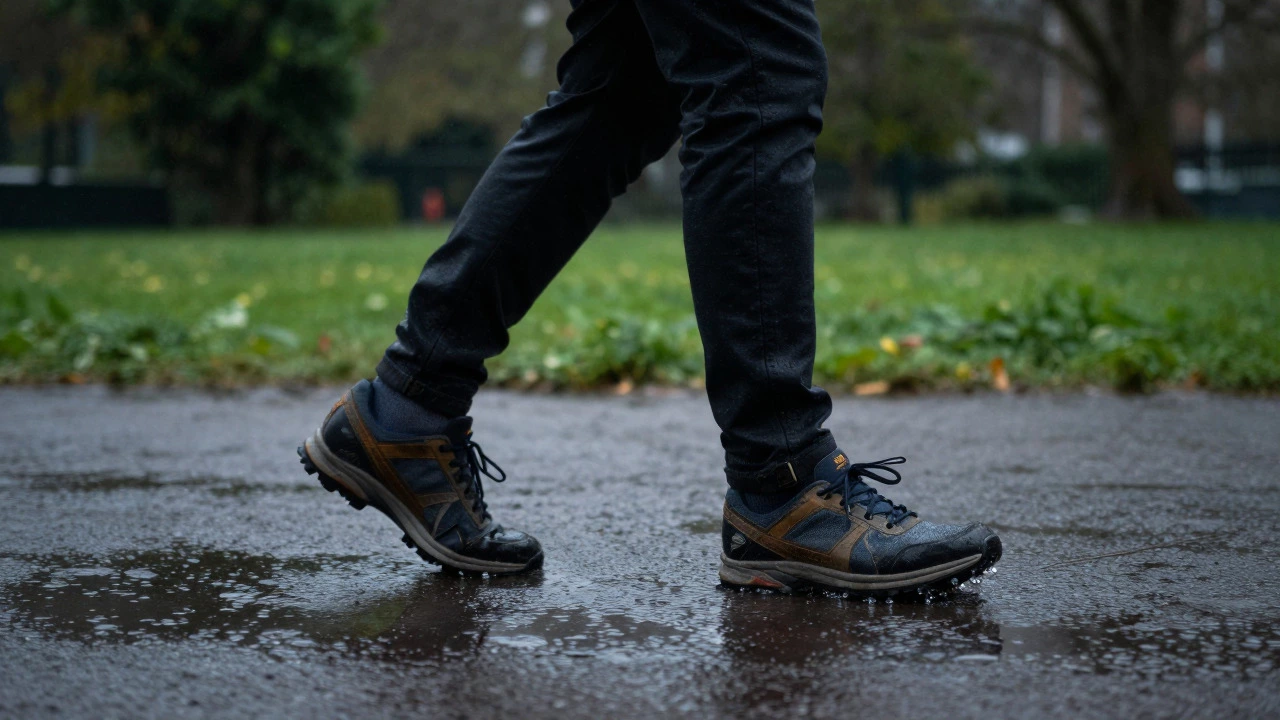
This shift mirrors trends globally, but with local flavor. Irish weather plays a big role too. Rain is frequent here, so durable, waterproof trainers are essential. Brands that offer weather-resistant options do well in the Irish market. You’ll see people wearing sturdy trainers during rainy days in Phoenix Park, not because they’re exercising, but because they’re practical.
How Language Reflects Identity
Language isn’t just about communication; it’s about identity. Saying "trainers" instead of "sneakers" connects people to a shared cultural heritage. For many Irish and British people, it feels more natural. It’s part of everyday speech, passed down through generations.
Think about other examples. We say "lift" instead of "elevator," "boot" instead of "trunk," and "holiday" instead of "vacation." Each of these words tells a story about how life is lived differently in these regions. Trainers fit right into this pattern. They represent a pragmatic approach to language-naming things for what they do, not how they sound.
This linguistic consistency helps build community. When you use the same words as those around you, you signal belonging. For expats moving to Ireland, picking up on these terms can make integration smoother. Ordering a flat white and asking for trainers shows you’re paying attention to local norms.
Shopping for Trainers in Ireland: What You Need to Know
If you’re shopping for trainers in Ireland, there are specific considerations. Prices can be higher than in some European countries due to taxes and import costs. VAT in Ireland is currently 23% on most goods, including footwear. This affects the final price tag significantly.
Popular retail locations include Brown Thomas in Dublin, which carries luxury brands, and Decathlon for budget-friendly options. Online platforms like ASOS and Amazon also serve the Irish market well, offering wide selections and fast delivery. However, sizing can vary between UK and EU standards, so always check size guides carefully.
Sustainability is another growing concern. Many Irish consumers prefer eco-friendly brands. Companies using recycled materials or ethical production methods gain an edge. Look for certifications like Fair Trade or B Corp status when choosing where to buy.
FAQ: Common Questions About Trainer Terminology
Why do Brits and Irish people say trainers instead of sneakers?
The term "trainers" originated from the shoes' original purpose: athletic training. In the mid-20th century, brands marketed them as "training shoes." Over time, the shortened form "trainers" became standard in British and Irish English, while American English retained "sneakers," derived from the quiet rubber soles.
Are trainers and sneakers the same thing?
Yes, they refer to the same type of footwear. The difference lies only in regional terminology. In the UK and Ireland, "trainers" is the common term, while "sneakers" is preferred in the US. Both describe casual, rubber-soled shoes suitable for sports or everyday wear.
What is the best place to buy trainers in Dublin?
Dublin offers several great options. For luxury brands, visit Brown Thomas on Grafton Street. For affordable choices, Decathlon in Sandyford or Cherry Orchard is ideal. Online, ASOS and Nike.com deliver quickly to all Irish addresses. Always compare prices and check return policies before purchasing.
Do Irish people use any other terms for trainers?
While "trainers" is dominant, some older generations may use "gym shoes" or "plimsolls" for basic canvas styles. However, "trainers" covers almost all types of athletic and casual footwear today. Regional slang within Ireland rarely deviates from this standard term.
Is it rude to say sneakers in Ireland?
Not at all. Most Irish people understand "sneakers" due to media exposure. However, using "trainers" makes you sound more local and integrated. It’s a subtle way to show cultural awareness. No one will correct you harshly, but locals will appreciate the effort to use familiar language.