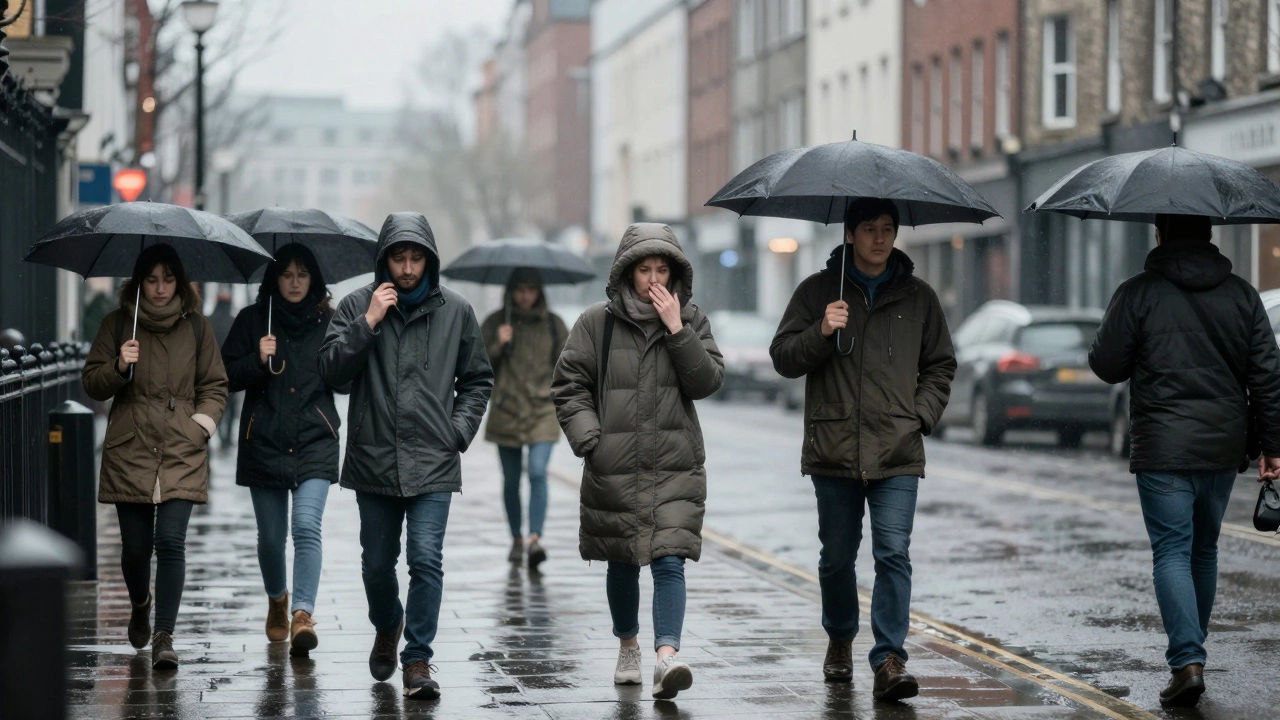
Back in Dublin, on a raw March morning, you’ll see people walking past with umbrellas tucked under their arms, shoulders hunched, and coats zipped tight-even if the sun’s peeking through. It’s not about fashion. It’s about survival. And if you’ve ever watched Americans stroll through Central Park in thick wool coats while wearing flip-flops, you’ve probably wondered: Why do Americans wear coats outside? The answer isn’t just about cold. It’s about culture, climate, and how people adapt to the weather they actually live in.
Irish Weather Doesn’t Care About Your Plans
In Ireland, the weather doesn’t follow forecasts. It laughs at them. One minute, the sky’s clear over Glendalough; the next, a wind off the Atlantic slams into you like a wet blanket. The average annual rainfall? Over 1,000mm in most regions-double what London sees. In County Kerry, places like Dingle get over 2,000mm. That’s not ‘a bit damp.’ That’s a daily soaking.So why do people here wear jackets? Not because it’s freezing. Because it’s always damp. Wind chill in Galway can drop 10°C below the actual temperature. You don’t need a heavy parka for snow-you need a windproof shell to get from the bus stop to the pharmacy without shivering.
Compare that to parts of the U.S. Midwest, where winters are long, dry, and brutally cold. In Minnesota, temperatures regularly hit -20°C. People wear coats because their skin can freeze in minutes. In Ireland? You wear a coat because your jeans will soak through by lunchtime if you don’t.
The Coat Is a Shield, Not a Statement
In Ireland, your coat isn’t a status symbol. It’s your first line of defense. Walk into any Tesco in Cork or Lidl in Limerick, and you’ll see the same three types of outerwear: waterproof, wind-resistant, and cheap. Brands like Barbour a British outdoor brand popular in Ireland for its waxed cotton jackets, Regatta a UK-based brand known for affordable, high-performance rainwear, and Decathlon a French outdoor retailer with a strong presence in Ireland, offering budget-friendly waterproof jackets dominate the racks. You won’t see many down-filled puffers here-not because they’re bad, but because they’re useless in constant drizzle.American coats? Many are designed for snowstorms, not sleet. Thick quilted jackets trap heat but don’t breathe. In Dublin, you’ll see people in Canada Goose jackets sweating under their umbrellas, then shivering when the wind picks up. That’s not practical. That’s cultural. In the U.S., coats are part of identity-urban, rugged, aspirational. In Ireland? It’s about staying dry and not catching a cold that lasts three weeks.
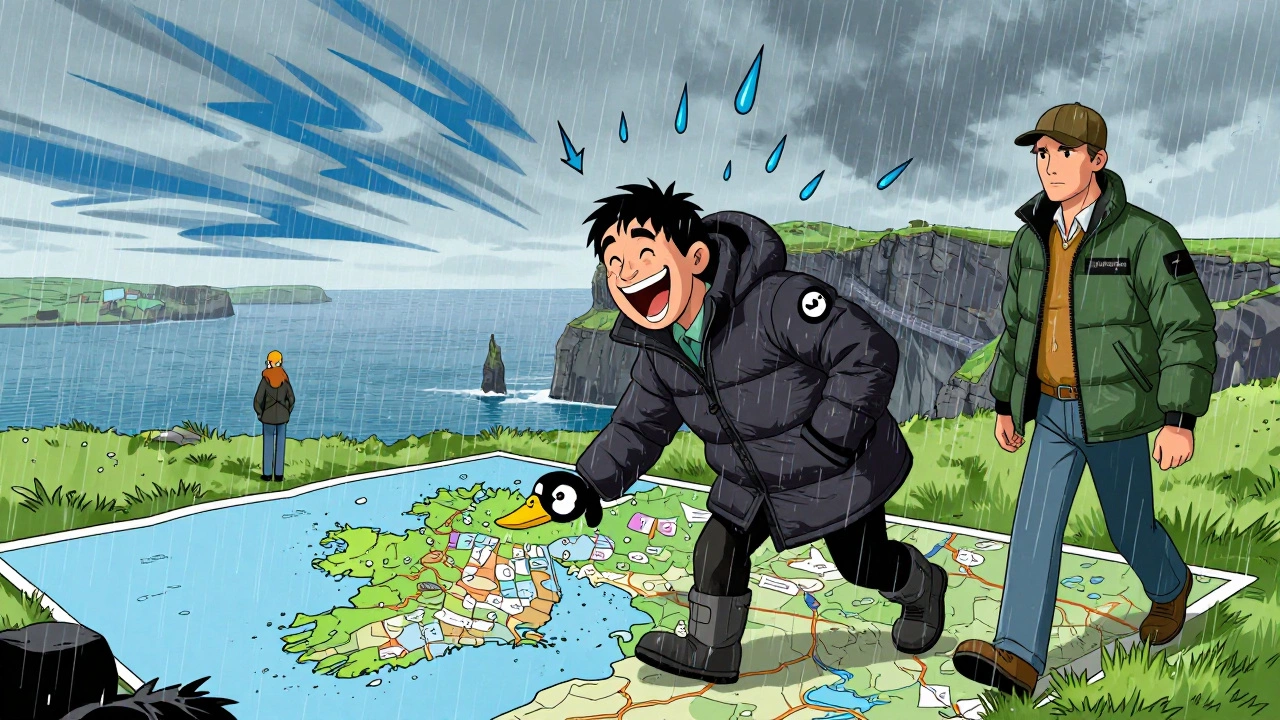
Why Americans Wear Heavy Coats Outside
In cities like Chicago, Boston, or Minneapolis, winter lasts five months. Snow piles up. Roads freeze. Public transport shuts down. A heavy coat isn’t optional-it’s a necessity to get to work, school, or the grocery store. Many American coats are built for extreme cold: down insulation, fur-lined hoods, reinforced soles. They’re made for temperatures that drop below -15°C for weeks at a time.But here’s the thing: Americans also wear coats for reasons beyond weather. In places like New York or LA, a long wool coat signals professionalism. A leather jacket means you’re cool. A puffer? You’re a tech bro from Silicon Valley. The coat becomes part of your visual language. In Ireland? No one cares if your coat matches your boots. They care if it keeps your socks dry.
What Irish People Actually Wear Outside
The Irish coat wardrobe is simple:- Waterproof shell - with a hood that actually fits over a beanie
- Windproof mid-layer - fleece or thin synthetic insulation
- Waterproof pants - yes, even in spring
- Non-slip soles - because Dublin sidewalks turn into ice rinks after rain
You’ll see this combo at the Galway Film Fleadh, on the DART during rush hour, or hiking the Wicklow Way. No one wears a fur-lined hood unless they’re going skiing in the Mourne Mountains-which doesn’t happen. Not because we don’t have mountains. Because we don’t have snow. Not enough to justify it.
Even in winter, you rarely see a full-length parka. Why? Because it’s not needed. The average January high in Cork is 8°C. The average low? 3°C. That’s not Arctic. That’s just wet. And wet is worse than cold.
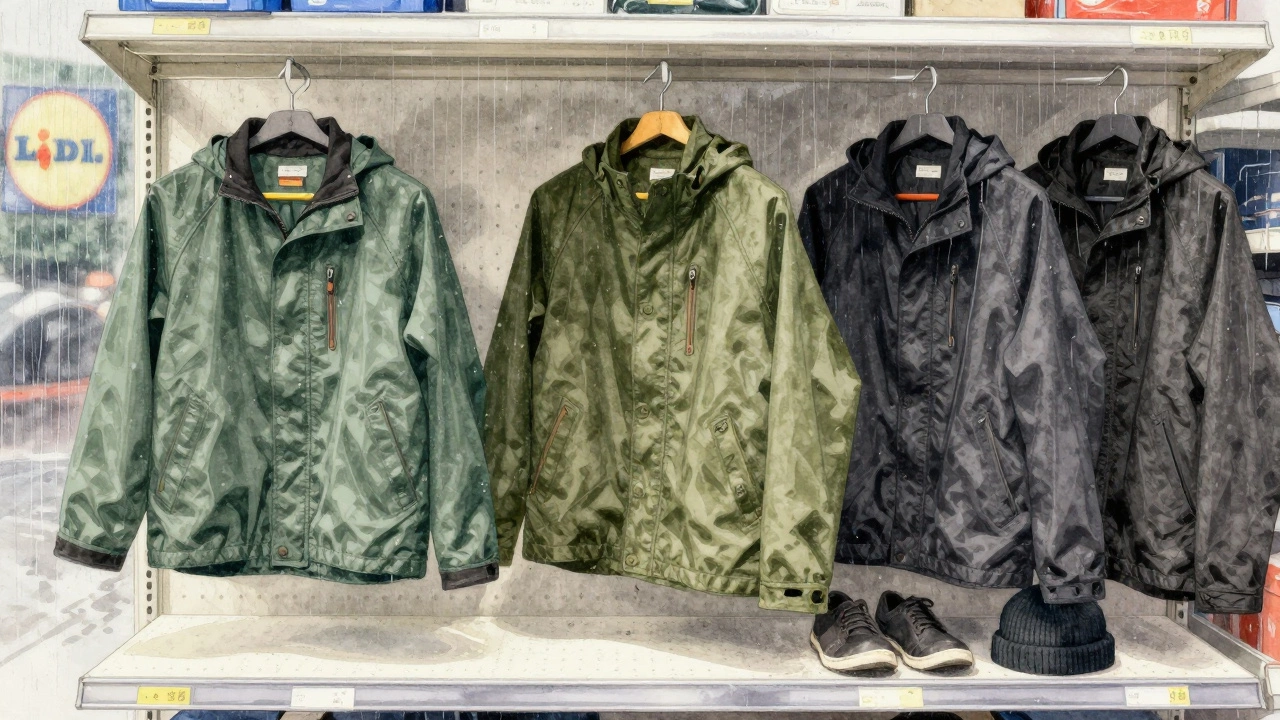
When Coats Go Wrong in Ireland
Tourists often buy coats from home thinking they’re prepared. You’ll spot them in Killarney in January: heavy down jackets, no hood, thin soles, gloves that fall off in the wind. They’re warm… for 20 minutes. Then the wind cuts through, the rain soaks in, and they’re shivering in a Starbucks, wondering why they didn’t pack a raincoat.Local advice? Buy your coat here. Or at least test it here. Try on a jacket in Dunnes Stores or M&S in Dublin 1, then walk out into the rain. If you feel dampness inside after 10 minutes? It’s not good enough. Look for taped seams, adjustable hoods, and a DWR (durable water repellent) finish. Brands like Outdoorgear a Dublin-based outdoor retailer offering Irish-specific weather gear and Mountain Equipment a UK brand trusted by Irish hikers for its storm-ready gear have been tested on the Cliffs of Moher. That’s the real weather lab.
It’s Not About Cold-It’s About Consistency
The biggest difference between American and Irish coat culture? Americans wear coats to survive extreme conditions. We wear them because conditions never change. Rain, wind, damp, repeat. Every day. For months. You don’t need a coat that looks good. You need one that keeps you moving.That’s why Irish people don’t own five coats. They own one. And they replace it every three years. Because the salt air from the Atlantic eats through zippers. The constant moisture weakens seams. The wind frays the fabric. A good Irish coat doesn’t last forever. But it lasts long enough to get you through the season.
So next time you see someone in New York wearing a puffer in April, don’t laugh. They’re preparing for a blizzard. But if you see someone in Galway with a thin, waterproof jacket and a hood pulled tight? That’s not fashion. That’s science.