UGG Rain Risk Calculator
Current Conditions
Risk Assessment
Analysis
Adjust sliders to see results.
Recommended Action
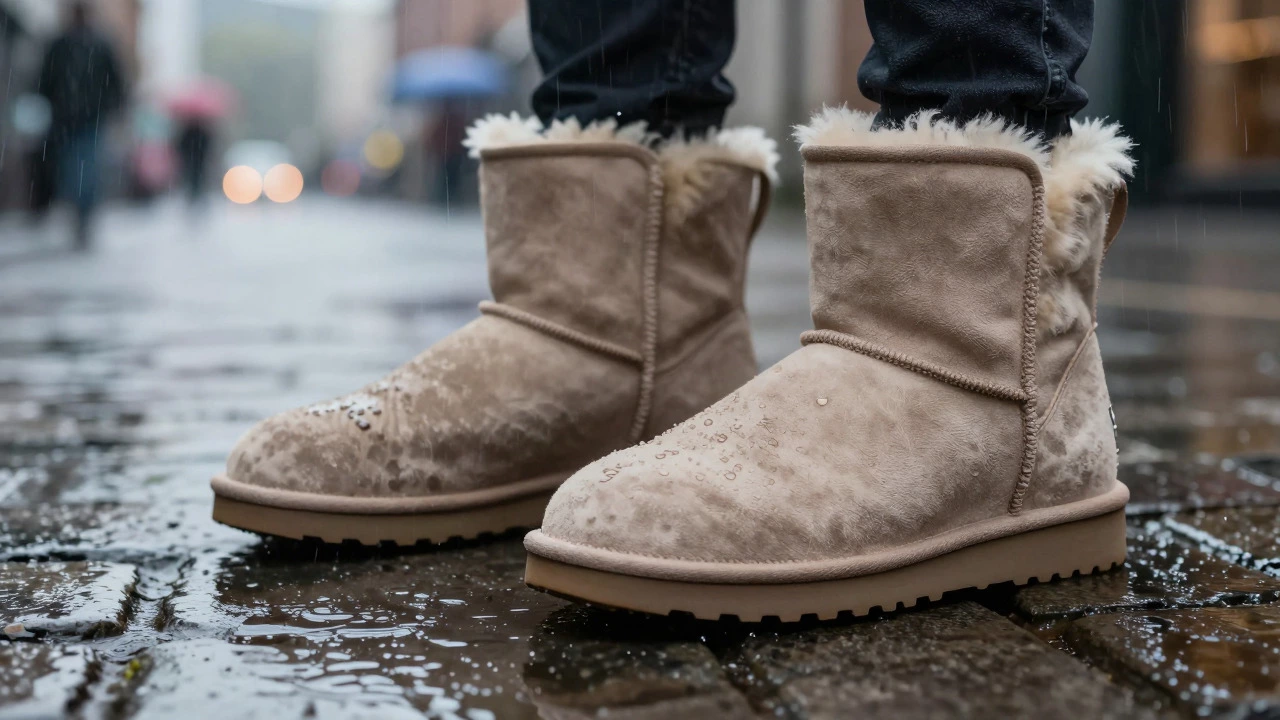
Living in Ireland means making peace with the rain. It’s not just a weather pattern; it’s a lifestyle. You step out to grab a coffee in Dublin or walk the dog in Galway, and within minutes, the sky opens up. In this climate, your footwear choices matter more than almost anywhere else in Europe. If you’re wearing UGGs, luxury sheepskin boots known for their warmth and comfort, you’ve probably heard the golden rule: keep them dry. But why is water such a villain for these cozy staples? And more importantly, what do you actually do when that puddle on O'Connell Street looks unavoidable?
The Science Behind Sheepskin Sensitivity
To understand why water is bad for UGGs, you have to look at what they are made of. They aren’t leather sneakers or rubber wellies. They are crafted from sheepskin, the natural hide of a sheep with the wool still attached. This material is unique because it combines two things: the durable outer suede and the soft, insulating inner fleece.
When sheepskin gets wet, two things happen that can ruin the boot if left unchecked:
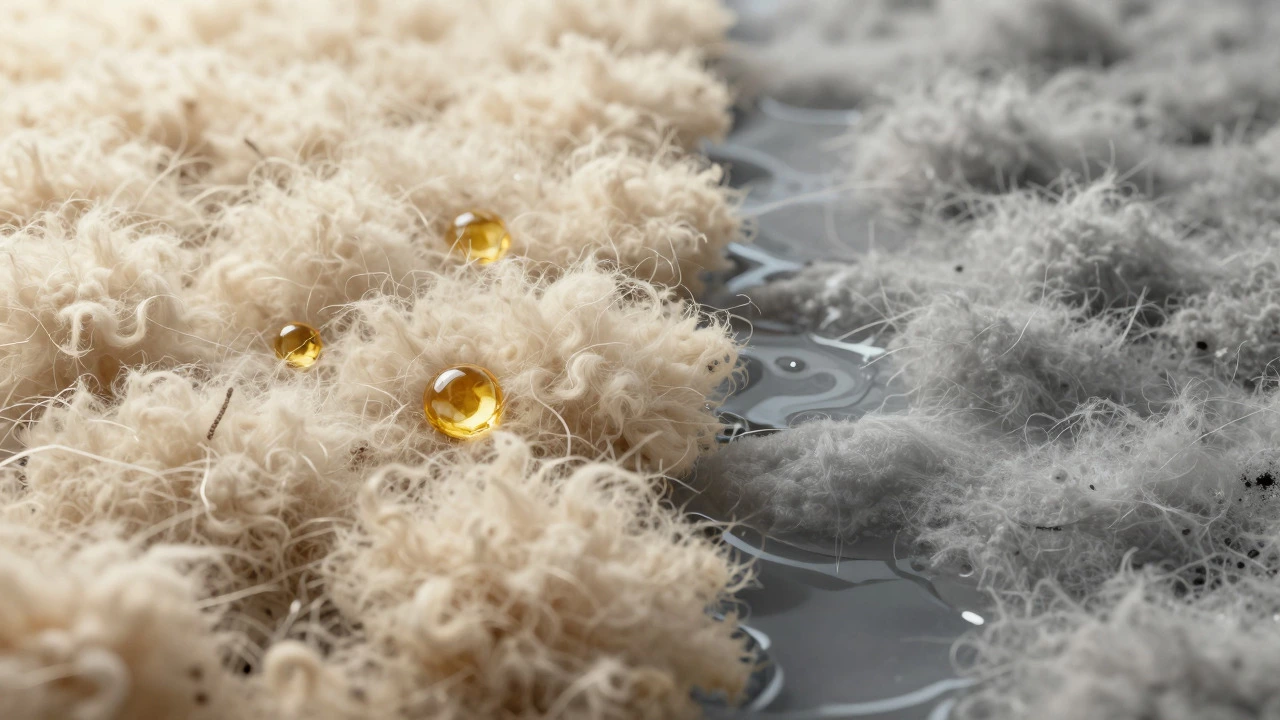
- Fiber Matting: The natural oils in the wool help keep the fibers fluffy and warm. Water washes these oils away. Once the oils are gone, the wool mats down. Instead of looking like plush clouds, your UGGs start to look flat and matted, losing that signature bounce.
- Stiffening and Cracking: As the suede dries, it shrinks slightly. If it dries too fast (like near a radiator in a chilly Cork apartment), the skin hardens. Over time, repeated wetting and drying cycles cause the leather to crack. That’s not just ugly; it lets cold air in, defeating the whole purpose of wearing them.
Think of it like your hair. If you get your hair wet every day and never condition it, it becomes frizzy and brittle. Sheepskin needs its natural lanolin just as much as your scalp does.
The Irish Climate Factor
In many parts of the world, people wear UGGs in dry snow. Snow is cold, but it doesn’t soak into the fabric immediately. Here in Ireland, we don’t really get dry snow. We get sleet, drizzle, and heavy, driving rain. The humidity levels here are consistently high, which means moisture lingers longer.
If you live in places like the West Coast-places like Dingle or Connemara-the salt spray adds another layer of danger. Salt draws moisture out of the leather, accelerating the drying process and making the suede even more prone to cracking. Walking along the Cliffs of Moher in fresh UGGs might sound romantic, but one splash from the Atlantic, and you’re looking at a costly repair job.
Even in urban centers like Belfast or Limerick, the constant dampness of the pavement means your shoes are absorbing ambient moisture all day long. It’s not just about stepping in a puddle; it’s about the cumulative effect of living in a place where the air itself feels wet.
What Happens If They Get Wet Anyway?
Let’s be real. You’re going to get them wet. Maybe you missed the bus in Galway and had to run. Maybe the rain came sideways in Kerry. Don’t panic. Getting wet isn’t instant death for your UGGs, but how you handle the aftermath is critical.
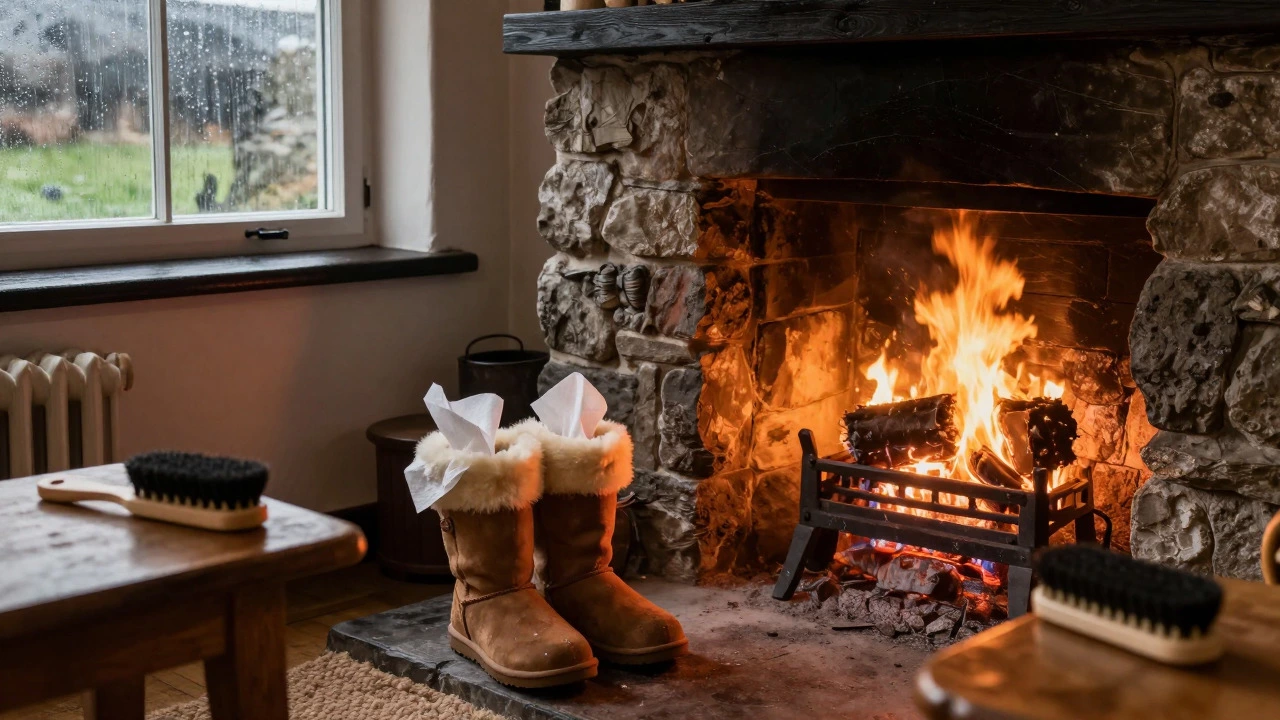
Here is the most common mistake people make: heat. When your UGGs get soaked, your instinct is to put them next to the fire, under a heater, or in front of a fan. Stop. Heat kills sheepskin. It bakes the moisture out too quickly, causing the fibers to shrink and snap.
Instead, follow this low-tech routine:
- Blot, Don’t Rub: Use a clean, dry towel to press against the wet areas. Rubbing pushes the dirt deeper into the suede and damages the nap.
- Stuff Them: Fill the boots with crumpled white paper towels or newspaper. This absorbs moisture from the inside and helps them keep their shape. Change the paper every few hours until the boots feel dry to the touch.
- Air Dry Naturally: Leave them in a room with good airflow, away from direct sunlight and heat sources. This might take 24 to 48 hours. Patience is key.
- Brush It Out: Once completely dry, use a suede brush to lift the nap. This restores the texture and removes any matting caused by the water.
Prevention: Making UGGs Rain-Ready
You don’t have to banish your UGGs to the closet during the rainy season. With the right preparation, you can wear them through an Irish winter with minimal risk. The secret lies in waterproofing sprays, chemical treatments that repel water from fabric surfaces.
Before you even wear your new pair, apply a quality suede protector. Brands like UGG sell their own cleaner and conditioner kit, but you can also find effective alternatives at local stores like Boots or Dunnes Stores. Look for sprays that contain fluoropolymers, which create a microscopic shield around the fibers.
Apply the spray in a well-ventilated area. Hold the can about six inches away from the boot and spray evenly. Let it dry for 20 minutes, then apply a second coat. Reapply this treatment every few months, or whenever you notice water no longer beads up on the surface.
Even with waterproofing, remember that protection is not perfection. It will slow down absorption, giving you time to wipe off splashes before they soak in. It won’t make your UGGs submersible.
Cleaning Stains Without Ruining the Boot
Rain often brings mud. And mud is worse than water alone because it contains dirt and grit that grind into the suede as it dries. If you get muddy stains, don’t try to scrub them while they’re wet. Let the mud dry completely first. Then, use a stiff-bristled brush to gently sweep away the dried clumps.
For stubborn stains, a specialized suede eraser works wonders. These are cheap and available in most shoe repair shops across Ireland. Rub the eraser gently over the stain, then brush again to restore the texture. Avoid using household cleaners like bleach or vinegar unless you want to change the color of your boots permanently.
Alternatives for the Wettest Days
Some days in Ireland are just too wet for sheepskin. If the forecast calls for heavy downpours, consider swapping your UGGs for something more resilient. Wellington boots, rubber rain boots popular in the UK and Ireland are a classic choice for a reason. They’re impermeable to water and easy to clean.
If you want style without the sacrifice, look for waterproof leather ankle boots or synthetic materials designed for wet weather. Many brands now offer "weather-resistant" versions of casual boots that mimic the look of suede but repel water naturally. Investing in a good pair of waterproof socks can also add an extra layer of defense if you must wear your favorite UGGs in light drizzle.
| Action | Dry Conditions | Wet/Rainy Conditions |
|---|---|---|
| Frequency of Cleaning | As needed | After every wet exposure |
| Drying Method | N/A | Air dry only, no heat |
| Waterproofing | Every 6 months | Every 3 months or after heavy rain |
| Storage | Breathable bag | With shoe trees to maintain shape |
Local Tips for Irish Residents
If you’re shopping for UGGs in Ireland, check out authorized retailers to ensure you’re getting genuine products with proper warranty support. Stores like Brown Thomas or dedicated online boutiques often have sales during the end-of-season periods, which is a smart time to buy for the upcoming winter.
Also, consider the terrain. If you live in a rural area with unpaved roads, the combination of mud and rain is particularly harsh. In those cases, reserve your UGGs for indoor use or short trips to town. For daily commutes in cities like Dublin or Cork, where pavements are paved but slick, waterproofing is non-negotiable.
Remember, UGGs are an investment in comfort, not durability against the elements. Treat them with respect, keep them dry, and they’ll keep you warm through the longest, wettest nights of the Irish winter.
Can I put my UGGs in the dryer?
Absolutely not. The heat from a tumble dryer will shrink the sheepskin, crack the leather, and ruin the shape of the boot. Always air dry them naturally at room temperature.
How often should I waterproof my UGGs?
In Ireland's humid climate, it's best to reapply a suede protector every three to four months, or immediately after they get thoroughly soaked and cleaned. Regular maintenance prevents deep saturation.
What if my UGGs smell after getting wet?
A mild odor can occur if moisture is trapped inside. Ensure they are completely dry by stuffing them with paper towels for 24-48 hours. You can also sprinkle baking soda inside overnight to absorb odors, then vacuum it out.
Are there UGG alternatives better for Irish rain?
Yes. Look for boots made from treated leather or synthetic waterproof materials. Brands offering "weatherized" styles provide similar warmth with better resistance to the frequent drizzle and rain found in Ireland.
Can I wear UGGs in the snow?
Dry snow is generally fine for UGGs, as it doesn't penetrate the suede quickly. However, wet, melting snow acts like rain and can soak into the material. If you expect wet snow, apply a strong waterproofing spray first.