Irish Office Dress Code Checker
Select your options and click "Check Acceptability" to see the verdict.
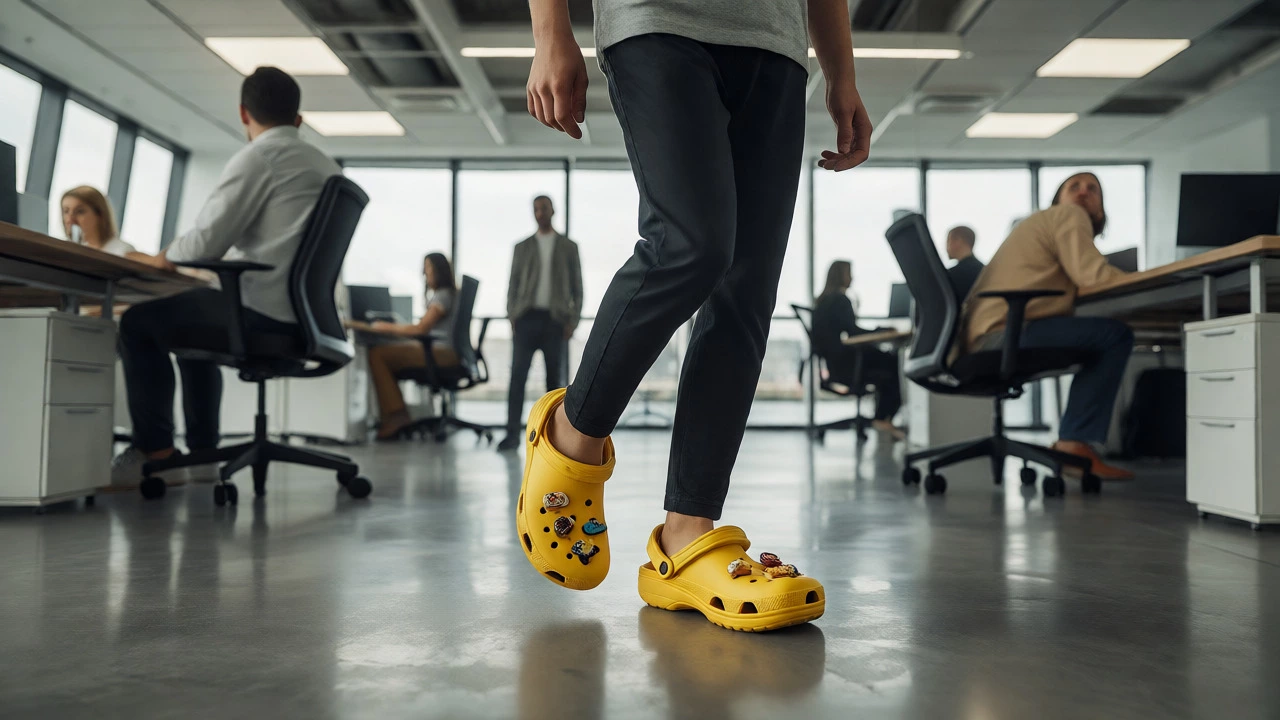
You’ve just landed a new job in Dublin’s Docklands or maybe you’re working remotely from your kitchen table in Cork. You look at your feet and think: Crocs are the most comfortable shoes ever made. They’re light, they’re breathable, and after a long day on public transport, they feel like a cloud. So why does your manager give you that look when you walk into the open-plan office?
The debate over whether Crocs belong in the workplace isn’t just about comfort versus style. It’s deeply tied to how we perceive professionalism, safety, and cultural norms in Ireland. While the tech giants in Silicon Valley might have normalized casual wear, the Irish corporate landscape is a bit more nuanced. From the traditional law firms on Merrion Street to the creative agencies in Temple Bar, expectations vary wildly. But there are concrete reasons why many HR departments still hit the brake pedal on rubber clogs.
The Professional Image and Client Perception
Let’s be honest: first impressions matter. In Ireland, where business often relies heavily on personal relationships and face-to-face meetings, your appearance signals respect for the client. If you’re meeting a potential investor in a boardroom near Ballsbridge, wearing Crocs might unintentionally signal that you don’t take the opportunity seriously.
This isn’t just vanity. Studies in behavioral psychology suggest that people judge competence based on attire within seconds. A pair of polished leather brogues or clean, minimalist sneakers says "I’m ready to work." A pair of bright yellow Crocs with Jibbitz charms might say "I’m here for a fun time," which can clash with the serious tone required for contract negotiations.
Consider the context of an Irish pub lunch. It’s informal, yes, but even there, there’s an unspoken code. You wouldn’t wear swim shorts to a wedding in Galway, and similarly, you wouldn’t wear beach-adjacent footwear to a client dinner in Dublin. The gap between "casual Friday" and "too casual" is narrower than you think.
Safety Regulations and Health & Safety Laws
It’s not just about looking good; it’s about staying safe. In many industries, especially those involving logistics, construction, or manufacturing, footwear is regulated by strict health and safety laws. The Safety, Health and Welfare at Work Act 2005 in Ireland mandates that employers provide suitable protective equipment.
Standard Crocs are made of Croslite™ resin. While this material is great for cushioning, it lacks structural support. Here is why safety officers often ban them:
- Lack of Ankle Support: Traditional Crocs have no back strap (unless you flip it up). This makes them prone to slipping off if you trip or run, increasing the risk of falls.
- Puncture Resistance: Unlike steel-toed boots or reinforced work shoes, standard Crocs offer zero protection against sharp objects on the floor.
- Slip Resistance: While some models are marketed as non-slip, they are not certified to the same rigorous standards as industrial safety shoes found in warehouses in Shannon or Portlaoise.
If you work in a hospital, such as St. James’s Hospital in Dublin, hygiene and slip resistance are critical. While healthcare workers love the ease of cleaning Crocs, many hospitals now require closed-back shoes to prevent accidental drops of medical instruments onto bare toes.

The Hygiene Factor in Shared Spaces
Ireland’s weather is unpredictable. One minute it’s sunny, the next it’s pouring rain. Walking from the Luas stop to your office in wet socks inside Crocs creates a perfect breeding ground for bacteria and fungi. Athlete’s foot thrives in warm, moist environments. When you sit under a desk all day, that moisture doesn’t evaporate easily.
In an open-plan office, smells travel. We’ve all been in that meeting room where someone took their shoes off under the table. With Crocs, the lack of sock coverage means sweat accumulates directly on the skin and the shoe interior. Regular washing helps, but during a busy week in November, who has time to scrub their shoes every night?
Furthermore, consider the aesthetic of dirt. Crocs have deep crevices and ventilation holes. Mud from a rainy commute in Limerick gets trapped inside. Unless you wash them daily, you’re bringing outdoor grime into your clean indoor workspace. This can trigger allergies in colleagues sensitive to dust and pollen, which are already high in the Irish spring and summer.
Cultural Norms vs. Tech Industry Trends
There is a divide in the Irish workforce. On one side, you have traditional sectors like banking, law, and insurance. These industries value conservatism. Banks like AIB or Bank of Ireland generally expect smart-casual or business attire. Wearing Crocs here is akin to showing up in pyjamas.
On the other side, you have the tech sector. Companies like Google, Meta, and Stripe have large offices in Dublin. Their culture is famously relaxed. Mark Zuckerberg wore sandals to his IPO. Does that mean everyone else can? Not necessarily. Even in tech, there’s a hierarchy. Junior developers might get away with it, but managers meeting clients usually need to elevate their game.
However, a middle ground exists. Some modern companies allow "clean, neutral-colored" Crocs or similar foam clogs, provided they look intentional rather than sloppy. Black or navy Crocs without charms might pass in a creative agency, whereas neon pink ones would raise eyebrows.
Alternatives That Offer Comfort Without the Ban
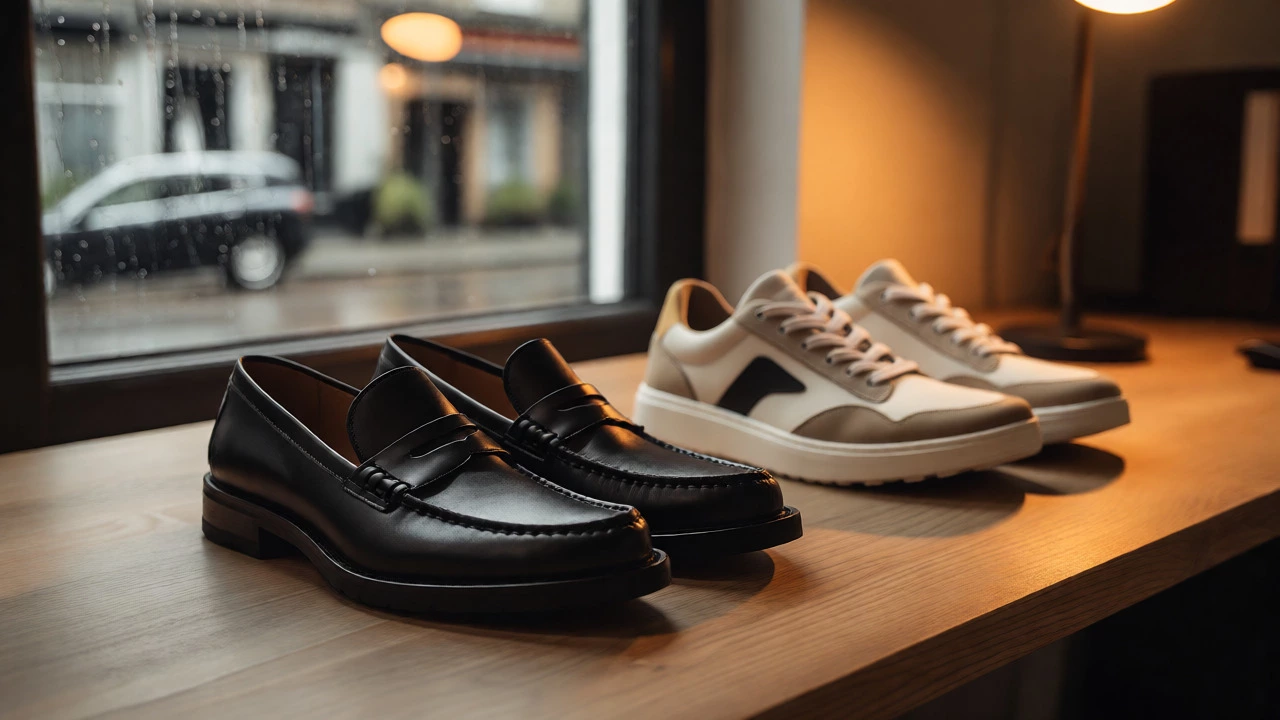
If you hate Crocs being banned because you want comfort, you’re not alone. Many Irish professionals suffer from plantar fasciitis or general foot fatigue due to standing desks or long commutes. The good news is that you don’t have to choose between pain and professionalism. There are excellent alternatives available in the Irish market.
| Feature | Crocs | Eccles/Birkenstock Style | Modern Sneakers | Leather Loafers |
|---|---|---|---|---|
| Comfort Level | High | Very High | Medium-High | Low-Medium |
| Professional Look | Low | Medium | High | Very High |
| Durability | Medium | High | Medium | Very High |
| Price Range (EUR) | €40 - €70 | €120 - €250 | €80 - €180 | €150 - €300+ |
| Office Acceptance | Restricted | Acceptable in Casual Offices | Widely Accepted | Universally Accepted |
Brands like Ecco and Clarks are popular in Ireland because they combine orthopedic support with a sleek design. You can find these in shops on Grafton Street or online via Irish retailers like Brown Thomas or Arnotts. They look like proper shoes but feel like slippers.
Another trend is the rise of "tech sneakers." Brands like Allbirds or Rothy’s use sustainable materials and offer machine-washable options. They fit the eco-conscious ethos many Irish workplaces are adopting. Plus, they look sharp enough for a client meeting but are comfortable enough for a full day at your desk.
How to Navigate Your Specific Office Policy
Don’t guess-ask. Every company is different. Before you buy a new pair of shoes, check your employee handbook. If it’s vague, talk to HR. Frame it as a question about professionalism rather than a demand for comfort. For example: "Is there a specific dress code regarding footwear for client-facing roles?"
If you’re in a hybrid role, consider keeping two pairs of shoes. Keep a comfortable pair at your desk for remote days or when you’re not leaving the building. Switch to professional footwear when you head out for meetings or networking events around Dublin City Centre.
Remember, fashion is temporary, but reputation lasts. If you build a reputation for being meticulous and respectful of workplace norms, people will forgive a bad hair day. But consistently ignoring unwritten rules about appearance can subtly undermine your perceived reliability.
Can I wear Crocs to work in Ireland if I work from home?
Yes, absolutely. If you are working remotely, your footwear choice only matters if you appear on video calls. To maintain professionalism during Zoom meetings, ensure your camera angle cuts off below the waist, or keep a pair of smart shoes nearby to change into quickly if a surprise call comes in.
Are black Crocs acceptable in a casual office?
In strictly casual environments, such as some tech startups or creative agencies in Dublin, black or navy Crocs without decorative charms may be tolerated. However, they are rarely considered "professional." It is safer to opt for minimalist sneakers or loafers unless your company explicitly states that athletic or foam footwear is permitted.
What is the safest alternative to Crocs for office wear?
Look for brands that specialize in ergonomic footwear with a closed toe and heel. Brands like Ecco, Clarks, or Birkenstock (in leather styles) offer significant arch support and durability while maintaining a polished look. Ensure the shoes are clean and free of scuffs to meet professional standards.
Do Irish health and safety laws specifically ban Crocs?
No, there is no specific law banning Crocs by name. However, the Safety, Health and Welfare at Work Act requires employers to assess risks. If an employer determines that loose-fitting, unsupported shoes increase the risk of slips, trips, or falls in your specific workplace environment, they have the legal right to prohibit them.
How do I deal with smelly feet if I must wear closed shoes?
Use moisture-wicking socks made from merino wool or synthetic blends, avoiding cotton which retains sweat. Rotate your shoes so they dry out completely between wears. Consider using cedar shoe inserts or antibacterial sprays. Keeping your feet dry is key to preventing odor in enclosed office environments.