Who Pays for Work Shoes? Irish Employee Checker
Enter your job details below to find out who is legally responsible for the cost of your footwear in Ireland.
Verdict
You’ve just started a new job in Dublin’s tech hub or maybe you’re working on a construction site in Cork. The first thing your manager says is, "Get proper boots by Monday." You head to the local hardware store or an online retailer, and suddenly you’re out €80 to €150 of your own cash. It stings. Is this normal? Should my employer pay for my work shoes? In Ireland, the answer isn’t a simple yes or no. It depends entirely on what kind of shoes you need and why.
Let’s cut through the confusion. If you are looking at standard business attire-like black leather shoes for an office in Grand Canal Dock-that’s usually on you. But if those shoes protect your toes from falling steel beams or keep you from slipping on wet floors in a Galley Head restaurant kitchen, that’s a different story. This guide breaks down exactly who pays, based on Irish law, common practice, and practical advice for workers across the country.
The Golden Rule: Safety Gear vs. Everyday Wear
Here is the core principle under Irish health and safety law: if the footwear is classified as Personal Protective Equipment (PPE), the employer must provide it free of charge. If it’s just clothing, you buy it yourself.
So, how do you tell the difference? Look for specific features designed to protect you from hazards. According to the Health and Safety Authority (HSA) in Ireland, PPE includes items like:
- Steel-toe caps to prevent crush injuries.
- Puncture-resistant soles for sites with nails or glass.
- Slip-resistant outsoles for kitchens or wet industrial areas.
- Waterproofing for outdoor roles in rainy counties like Kerry or Donegal.
- Insulation for cold storage jobs.
If your boss requires these specific protective features, they are legally obligated to cover the cost. They cannot ask you to buy them and then deduct the money from your paycheck without a written agreement, and even then, it gets tricky. For most safety-critical roles, the employer buys them outright.
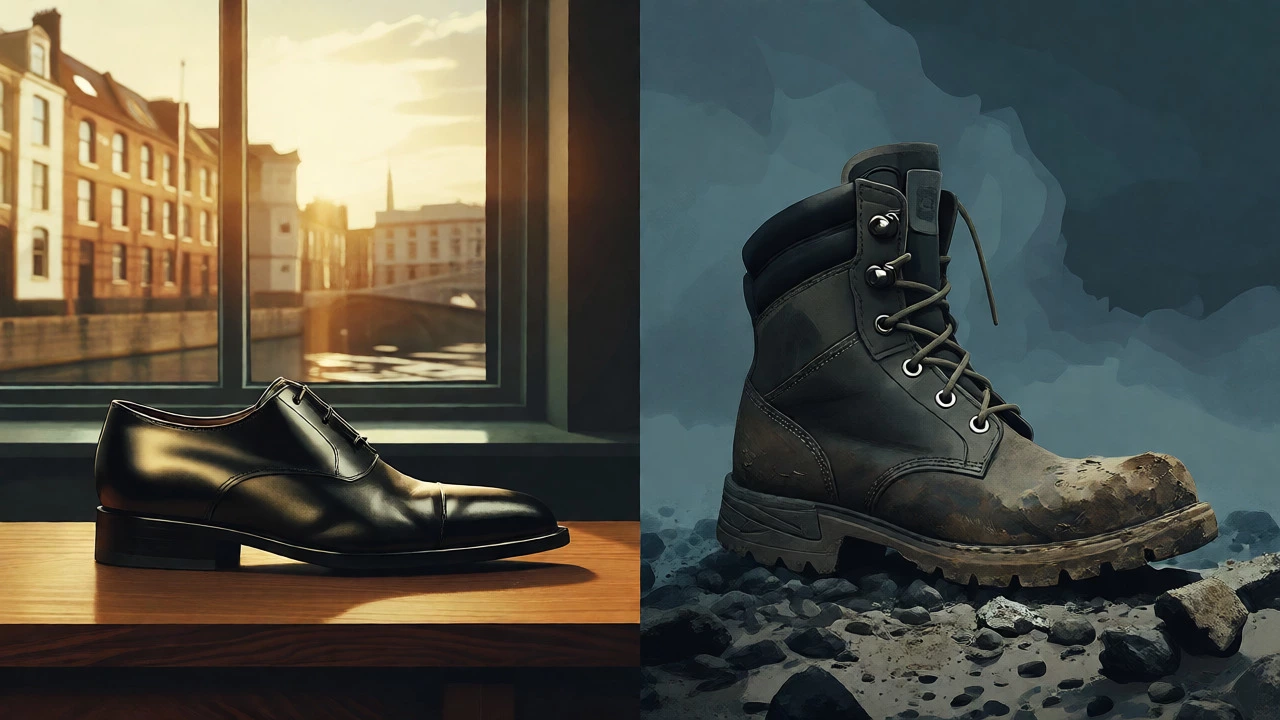
On the flip side, consider a retail assistant in Grafton Street. Your manager might insist on "smart black shoes." These aren’t necessarily protecting you from a hazard; they’re part of your uniform. Unless there’s a slip risk specific to the shop floor that requires specialized soles, you likely have to buy these yourself. It feels unfair when you’re earning minimum wage, but legally, it’s considered personal wardrobe maintenance.
What Irish Law Actually Says
Ireland follows EU directives on worker safety. The Safety, Health and Welfare at Work Act 2005 is the main piece of legislation here. It states that employers must provide any equipment necessary for employees to perform their work safely. This includes PPE.
Crucially, the law says this equipment must be provided free of charge. You shouldn’t have to pay for the gear that keeps you safe. However, the law also places a duty on employees to use the equipment properly and take care of it. If you destroy your company-issued boots because you used them for hiking in the Wicklow Mountains on the weekend, don’t expect your boss to replace them immediately.
There’s a nuance regarding reimbursement. Some companies operate a policy where you buy the boots upfront, submit the receipt, and get reimbursed. This is legal and common, especially in smaller SMEs in Limerick or Waterford that want employees to choose their own fit. Just make sure the reimbursement covers the full cost of compliant footwear. If the company only offers €40, but compliant safety boots start at €70, you’re effectively paying for part of your safety gear.
Common Scenarios: Who Pays When?
Let’s look at real-world examples to make this concrete. These scenarios reflect common situations across various Irish industries.
| Job Role / Industry | Type of Shoe Required | Who Typically Pays? | Why? |
|---|---|---|---|
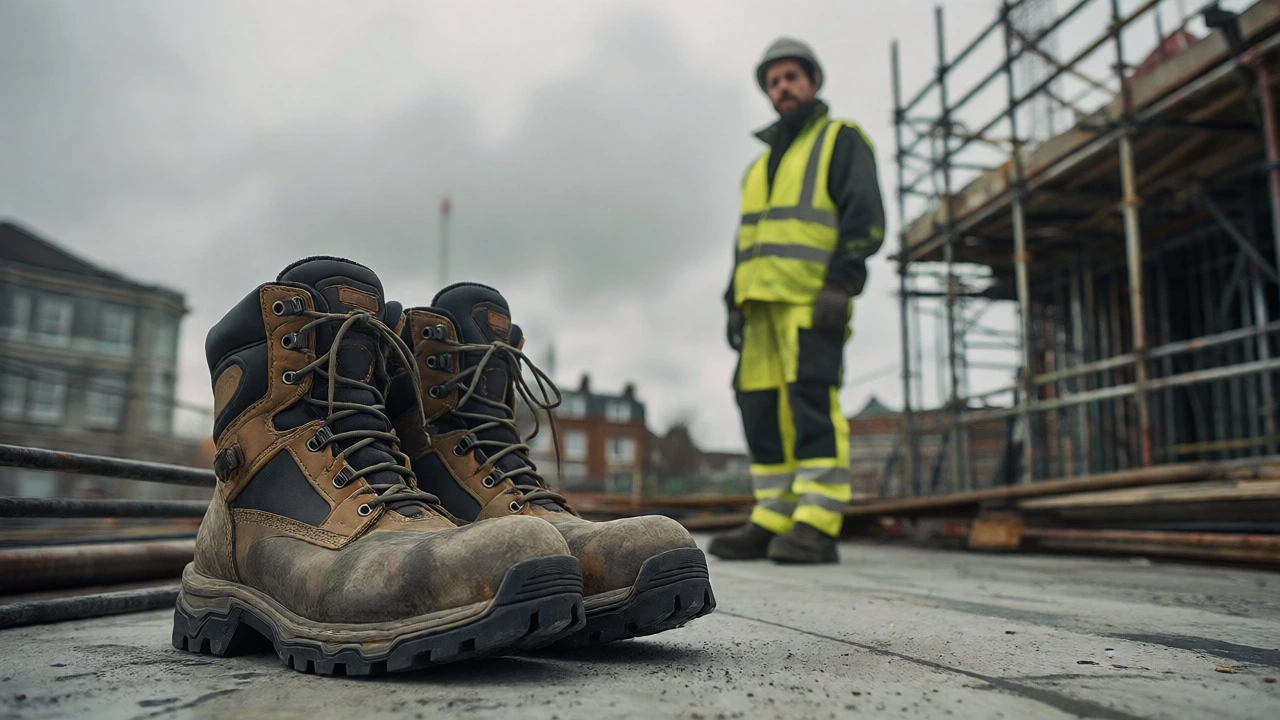
| Construction Worker | Steel-toe, puncture-proof boots | Employer | Mandatory PPE required by HSA standards. |
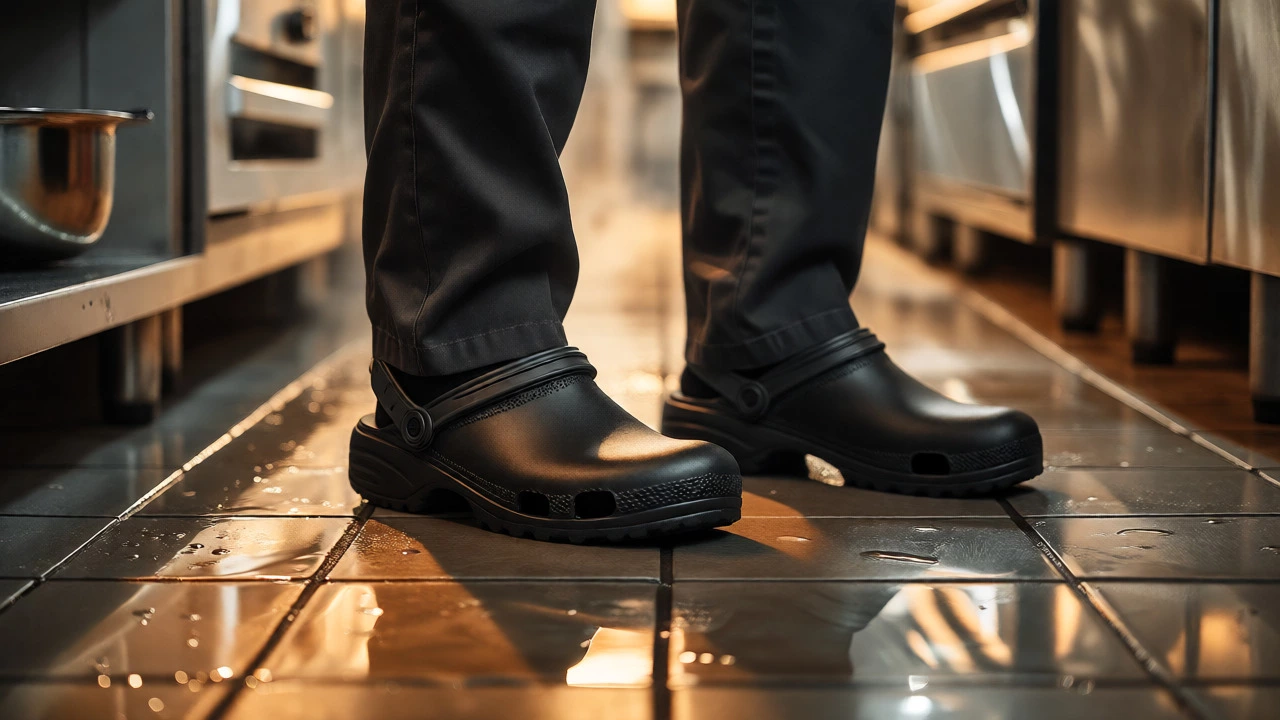
| Chef / Kitchen Staff | Non-slip, closed-back shoes | Employer (usually) | Specific slip-resistance is a safety requirement. |
| Office Administrator | Smart business shoes | Employee | Considered general clothing/uniform. |
| Nurse / Healthcare | Closed-toe nursing clogs | Mixed | Often employee-paid, but some hospitals provide allowances. |
| Retail Assistant | All-black smart shoes | Employee | Aesthetic requirement, not strictly safety-based. |
| Warehouse Operative | Safety trainers | Employer | PPE due to heavy lifting and machinery risks. |
Note the healthcare example. In many Irish hospitals, nurses buy their own clogs. Why? Because while they offer some protection, they aren’t always classified as high-level PPE in the same way steel-toes are. However, unions often push for allowances. If you’re in the public sector, check your collective agreement.
Tax Relief: Can You Claim It Back?
This is where things get interesting for Irish taxpayers. If you had to buy work clothes or equipment that is specifically for your job and not suitable for everyday wear, you might qualify for tax relief. Revenue Commissioners allow claims for expenses wholly, exclusively, and necessarily incurred in performing your duties.
For work shoes, the bar is high. You generally cannot claim for ordinary shoes, even if you only wear them to work. Why? Because you could theoretically wear them to the pub or a wedding. Therefore, they are considered "dual-purpose" and not eligible for relief.
However, there are exceptions. If you can prove the shoes are specialized protective equipment that has no other use outside of work, you might have a case. For example, highly specialized orthopedic safety boots prescribed for a medical condition related to your job might qualify. But for standard safety boots? Usually, no. The logic is that you still get the benefit of owning durable footwear.
Instead of claiming shoe costs directly, many employees rely on the Employer Benefit-in-Kind rules. If your employer provides the boots, it’s not taxable income for you. That’s a hidden perk worth considering when negotiating your package.
How to Handle the Conversation
So, you’re standing in the changing room of a sports goods store in Dundrum Town Centre, holding a pair of €120 safety trainers. Do you ask your boss to chip in? Here’s how to approach it professionally.
- Check your contract first. Look for clauses about uniforms, PPE, or expense policies. Sometimes it’s spelled out clearly.
- Identify the safety angle. Don’t say, "I want nice boots." Say, "These meet the HSA standard for slip resistance required for our kitchen floor. I want to ensure I’m compliant."
- Propose a solution. If they can’t pay upfront, ask for a reimbursement scheme. Or ask for an allowance added to your salary.
- Get it in writing. If they agree to pay, send a quick email confirming the arrangement. "Just confirming we agreed that [Company Name] will reimburse me for safety boots up to €100 upon submission of receipt."
If your employer refuses to pay for mandatory PPE, you have grounds to complain. The HSA takes non-provision of PPE seriously. You can raise a concern internally, through your union representative, or directly with the HSA if the issue persists.
Where to Buy Quality Work Shoes in Ireland
If you do end up paying, you want value. Don’t just grab the cheapest option. Poor quality shoes lead to back pain and foot fatigue, which affects your productivity. Here are some trusted sources in Ireland:
- Local Hardware Stores: Places like Woodie’s or local independent builders' merchants often stock solid brands like Blundstone or Dunlop. You can try them on, which is crucial.
- Specialist Retailers: Shops like Dunnes Stores or Penneys often have affordable safety lines. For higher-end needs, look for specialist workwear suppliers in industrial estates in Dublin or Cork.
- Online Options: Websites like Amazon.co.uk deliver to Ireland, but watch out for customs charges post-Brexit. Irish-based sites like H&M Workwear or dedicated safety sites offer easier returns.
- Brands to Trust: Look for CE marking. This indicates compliance with European safety standards. Brands like Caterpillar, Timberland Pro, and Red Wing are popular but pricey. Budget-friendly options like Regatta or Cofra often pass the test.
Remember, comfort matters. Spend time breaking them in. Walk around your house before your first shift. Blisters on day one are miserable.
When Does the Employer Have to Replace Them?
Work shoes wear out. Soles thin, toes crack. Who pays for replacements? Again, it comes back to PPE status. If the employer provided the initial pair as safety equipment, they should also fund replacements when they become unsafe. Normal wear and tear is expected.
However, if you bought them yourself, replacement is your cost. Some forward-thinking companies offer a "boot allowance" every six months or annually. This is a great perk to ask for during annual reviews. It shows the company values long-term safety and employee well-being.
In sectors like fishing or agriculture in western Ireland, where conditions are harsh, frequent replacement is common. Employers in these fields often have bulk deals with suppliers, making it cheaper for them to provide fresh gear than for individuals to buy retail.
Frequently Asked Questions
Can my employer deduct the cost of safety boots from my wages?
Generally, no. Under the Payment of Wages Act 1991, deductions must be authorized by law, contract, or prior written consent. For mandatory PPE, the Health and Safety Authority advises that costs should not fall on the worker. If your contract allows deductions for "uniforms," clarify if this includes safety-specific items. Ideally, PPE should be provided free of charge.
Do I have to buy branded safety shoes?
No. You only need shoes that meet the relevant safety standards (look for the CE mark). Unless your company has a strict brand policy for aesthetic reasons (which is rare for safety gear), you can choose any compliant brand that fits you well and fits your budget.
What if I get injured because my work shoes were poor quality?
If the shoes were provided by your employer and failed due to poor quality or lack of maintenance, you may have a claim for workplace injury. If you bought them yourself, it’s harder to claim against the employer unless they mandated a specific cheap model that was inadequate for the task. Always report incidents to your supervisor immediately.
Are work shoes tax deductible in Ireland?
Usually, no. Revenue considers most work shoes as dual-purpose (usable outside work). Exceptions exist for highly specialized protective gear that has no other use, but standard safety boots rarely qualify. Check with a tax advisor if you have unique circumstances.
Does this apply to interns or temporary workers?
Yes. All employees, including interns, temps, and contractors, are covered by health and safety laws. If you are doing the same job as a permanent staff member requiring PPE, you should receive the same safety equipment provisions.
Final Thoughts: Protect Your Feet, Know Your Rights
Don’t let ambiguity cost you money or comfort. Take a close look at your role. Are your shoes protecting you from physical harm? If yes, speak up. Request that your employer covers the cost. It’s not just about saving €100; it’s about ensuring you have reliable gear that lasts. And if you do have to pay, invest in quality. Your feet carry you through eight-hour shifts, sometimes ten. Treat them right.
For more insights on workplace rights or fashion trends in Ireland, keep exploring our guides. Whether you’re navigating the corporate world in Dublin or managing a farm in Mayo, understanding the fine print makes life easier.