Men's Shirt Quality & Fit Estimator
1. Check Fabric Quality
Enter the GSM (Grams per Square Meter) found on the label or product description.
2. Check Your Fit
Select your shoulder seam position relative to your shoulder bone.
Analysis Results
Tip: For damp Irish weather, look for Merino blends or heavyweight cotton (180+ GSM). Avoid thin synthetics that trap sweat.
You know that feeling when you pull on a new men's shirt, only to find it’s see-through after one wash or shrinks two sizes down? It’s frustrating, especially here in Ireland where our weather demands layers that actually work. If you’ve ever stood in Grafton Street wondering which brand won’t let you down by lunchtime, you’re not alone. The market is flooded with fast-fashion traps, but there are solid options if you know where to look.
The Real Cost of Cheap Cotton
Let’s be honest: buying a €15 t-shirt from a high-street chain often costs more in the long run. Why? Because it loses shape, fades, and ends up in the bin within months. In Dublin, we see this cycle constantly. You buy three cheap ones instead of one good one. But what actually makes a shirt "quality"? It comes down to fabric weight, stitching density, and ethical sourcing.
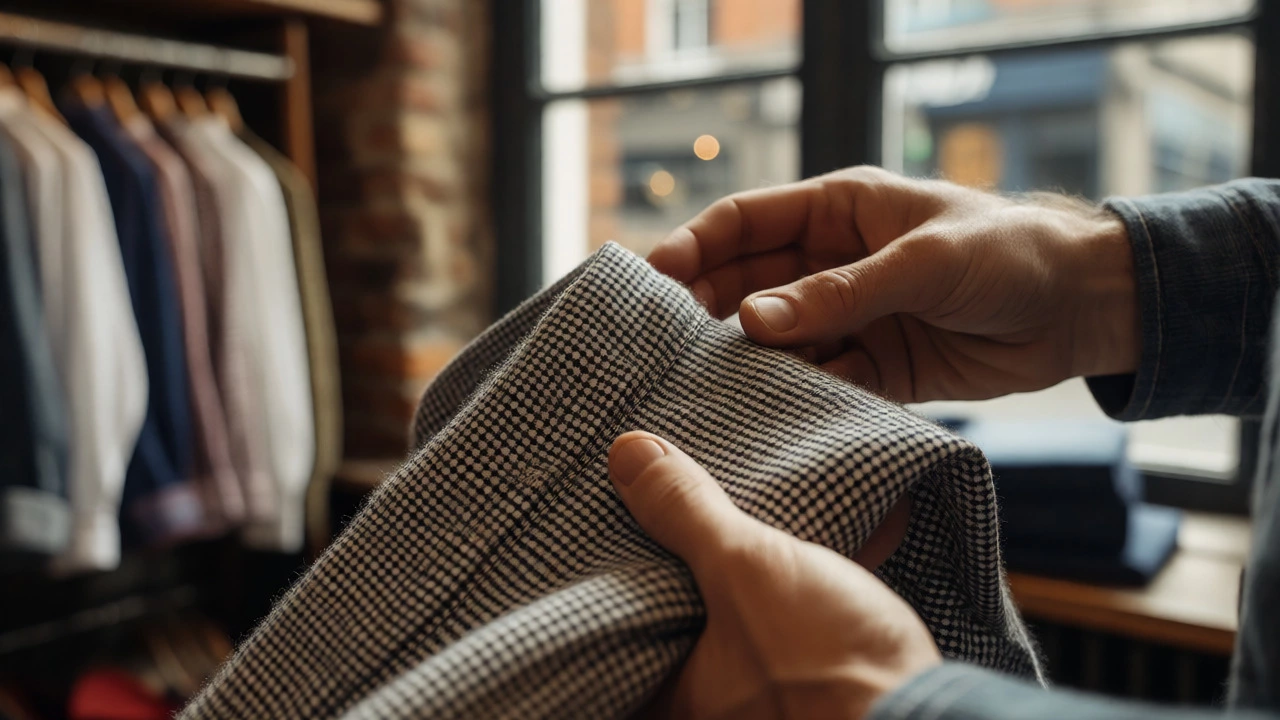
Quality isn't just about the logo on the chest. It’s about the GSM (grams per square meter) of the cotton. A standard thin tee might sit at 140-160 GSM. A quality shirt starts at 180 GSM and goes up to 240+ for that heavy, structured feel that lasts years. When you’re walking along the Liffey in a drizzle, you want a shirt that holds its own, not one that clings uncomfortably.
Irish Brands Leading the Way
Ireland has a surprisingly strong heritage in textile manufacturing, even if much of it has moved offshore. However, several local brands have rebuilt their reputation by focusing on durability and style. They understand the Irish climate-damp, mild, and unpredictable-and design accordingly.
| Brand | Origin/Focus | Fabric Weight | Price Range (EUR) | Best For |
|---|---|---|---|---|
| Aran Wool Company | Irish Heritage / Knitwear | N/A (Knit focus) | €60 - €120 | Traditional craftsmanship, gifting |
| Smyths of Donegal | Donegal Tweed / Textiles | Heavyweight Cotton/Tweed | €40 - €90 | Rugged casual wear, rural settings |
| Taylor & Tom | Dublin-based / Modern Basics | 200-220 GSM Organic Cotton | €35 - €55 | Everyday office-casual balance |
| Purely Irish | Eco-friendly / Sustainable | 180-200 GSM Recycled Cotton | €30 - €50 | Ethical shoppers, eco-conscious buyers |
| Uniqlo | Global / Tech Fabrics | Variable (Supima Cotton) | €15 - €25 | Budget-friendly basics, travel |

Why Fit Matters More Than Brand
Even the most expensive Italian cotton will look sloppy if it doesn’t fit right. Irish men often struggle with off-the-rack sizing because European cuts can differ slightly from US or Asian fits. Here’s a quick rule of thumb: check the shoulder seam. It should hit exactly at the edge of your shoulder bone. If it droops, the shirt is too big. If it pulls, it’s too small.
Also, consider sleeve length. With arms outstretched, the sleeve should end at your wrist bone. Too short, and you look like you’ve grown out of it. Too long, and you’ll be pushing cuffs up all day. In professional settings in Dublin’s tech hubs, a well-fitted shirt signals attention to detail. In casual spots like Camden Street cafes, comfort rules supreme.
Sustainability Is No Longer Optional
We’re seeing a shift in the Irish market toward sustainability. Consumers in Cork, Galway, and Dublin are asking harder questions: Where was this made? Who stitched it? Is the water usage responsible?
Brands like Patagonia and Everlane have gained traction here, but local options are catching up. Look for certifications like OEKO-TEX or GOTS (Global Organic Textile Standard). These aren’t just marketing fluff; they ensure no harmful chemicals were used in dyeing. Given our rainy climate, natural dyes that bleed onto your skin are a real annoyance. Certified organic cotton minimizes this risk.
Plus, buying locally reduces carbon footprint. Shipping a shirt from China adds emissions that a shirt made in Portugal or Poland (common EU manufacturing hubs for Irish brands) avoids. It’s a small choice, but it adds up.
Care Tips to Make Your Shirts Last
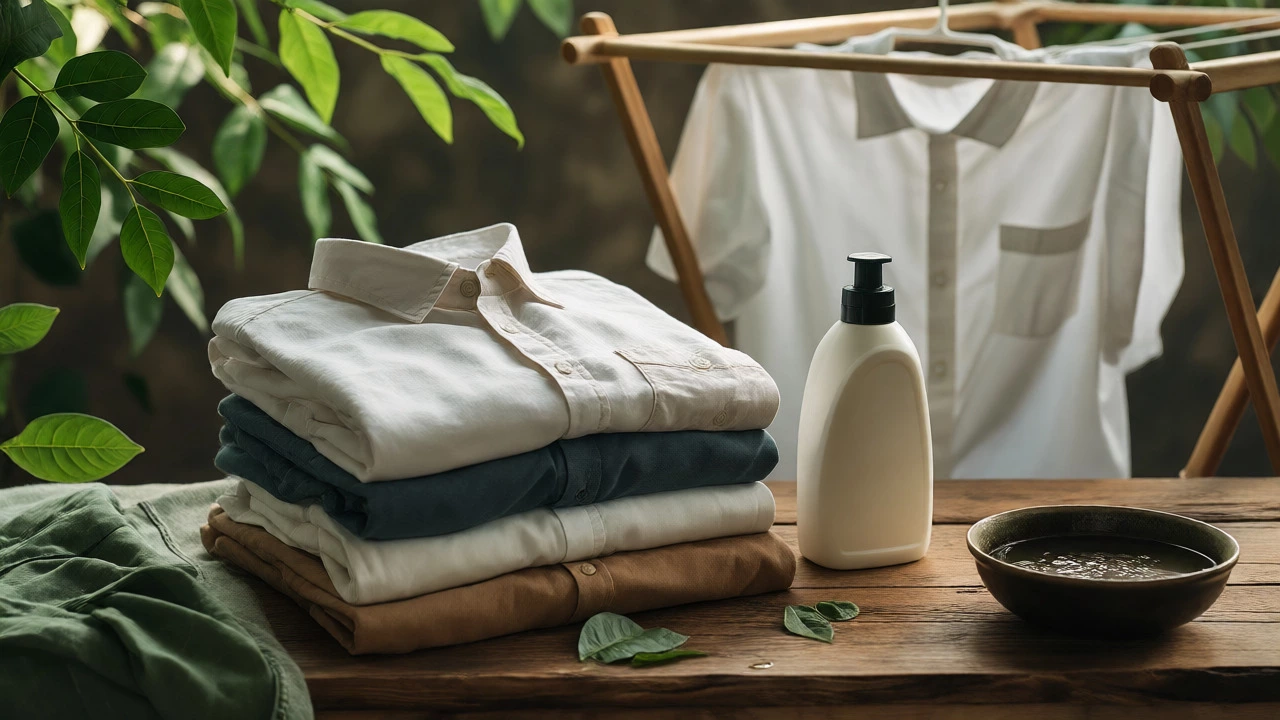
You can buy the best shirt in the world, but ruin it in three washes if you don’t care for it properly. Here’s how to extend the life of your wardrobe:
- Wash Cold: Hot water breaks down fibers. Stick to 30°C or cold cycles.
- Turn Inside Out: This protects the outer face from friction against other clothes.
- Avoid Tumble Drying: High heat shrinks cotton and damages elastic. Air dry on a rack, preferably indoors during those wet Irish winters.
- Iron Properly: Use steam for cottons. Don’t press directly on prints; iron them inside out.
Invest in a decent laundry detergent without optical brighteners. Those make whites look whiter temporarily but degrade fibers over time. In hard water areas like parts of Dublin, adding a water softener can prevent mineral buildup that makes fabrics stiff.
Where to Shop in Ireland
Physical stores still matter. Trying something on saves returns hassle. In Dublin, head to Henry Street for mainstream quality or South William Street for independent boutiques. In Cork, Patrick Street offers a mix of international and local retailers. Always ask staff about fabric composition. If they hesitate, walk away. Good brands are proud of their materials.
Online shopping works too, but check return policies carefully. Some Irish sites offer free returns within 30 days, while others charge. Factor that into the price comparison.
What GSM is considered high-quality for a t-shirt?
A GSM between 180 and 220 is generally considered ideal for high-quality everyday t-shirts. Below 160 GSM tends to be thin and translucent, while above 240 GSM can feel heavy and hot for summer wear. For durability and opacity, aim for at least 180 GSM.
Are Irish-made shirts worth the extra cost?
Often, yes. While few shirts are fully manufactured in Ireland today due to labor costs, many brands design locally and use high-quality EU-sourced materials. You pay for better oversight, ethical labor practices, and designs tailored to local tastes. Plus, supporting local businesses keeps money in the community.
How do I spot a fake luxury shirt?
Check the stitching density. Luxury shirts have tight, even stitches (18-22 stitches per inch). Also, examine buttons-they should be mother-of-pearl or high-quality resin, not plastic. Labels should be neatly sewn, not glued. Finally, compare the price to official retail; if it’s 70% off online, be skeptical.
Which fabric is best for damp Irish weather?
Merino wool blends are excellent for damp weather as they wick moisture and resist odors. Heavyweight cotton is also good for layering. Avoid synthetic polyester unless it’s a technical blend designed for breathability, as it can trap sweat and smell quickly in humid conditions.
Can I shrink a shirt back to size?
Not reliably. Once cotton fibers contract from heat, they rarely expand back evenly. Soaking in lukewarm water with hair conditioner can relax fibers slightly, allowing gentle stretching, but results vary. Prevention through proper washing is far more effective than correction.