Irish Social Evening Outfit Planner
Event Details
Outfit Suggestion
Description goes here.
Ready to plan your look?
Select your event details to get a tailored outfit recommendation.
You’ve got the invitation. The venue is set-maybe it’s a rooftop bar in Temple Bar, a country house wedding near Kilkenny, or a charity gala at the RDS. Now comes the part that makes everyone pause: what do you wear to a social evening? In Ireland, where weather can shift from sunny to stormy in an hour and dress codes range from 'smart casual' to 'black tie optional,' getting it right matters. It’s not just about looking good; it’s about feeling confident while navigating our unique blend of tradition, modernity, and unpredictable climate.
Understanding the Irish Social Scene
Social evenings in Ireland aren’t one-size-fits-all. What works for a cocktail party in Ballsbridge might feel overdressed for a pub quiz night in Galway. To choose wisely, you first need to decode the event type. Is it a semi-formal dinner? A black-tie wedding? Or a relaxed gathering with friends after work?
In urban centers like Dublin, Cork, and Limerick, social events often lean toward smart-casual or business-casual unless specified otherwise. Think tailored trousers, blouses, dark denim, and polished shoes. But step outside the city-say, to a rural wedding in Donegal or a festival in Waterford-and expectations can shift dramatically. Many Irish communities still value traditional elegance, especially during summer weddings and autumn harvest parties.
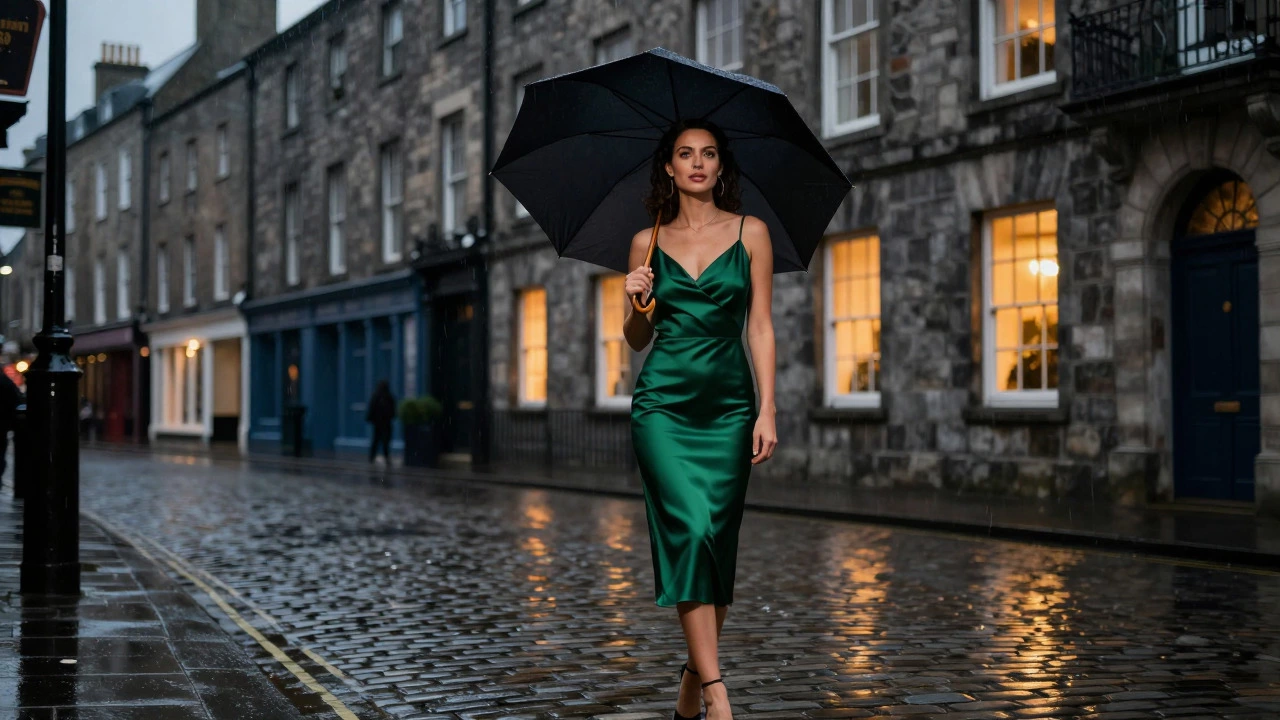
Also consider the season. Summer soirees in June are bright and light, often held outdoors. Winter galas in December demand warmth without sacrificing style. And don’t forget rain. Always pack a compact umbrella or water-resistant coat if you’re heading out between October and March.
Evening Dresses: Your Go-To for Formal Events
| Event Type | Dress Length | Fabric Recommendation | Color Palette |
|---|---|---|---|
| Wedding Reception | Midi or Maxi | Silk, Satin, Crepe | Jewel tones, pastels, metallics |
| Charity Gala | Maxi or Cocktail | Velvet, Sequined fabrics | Black, navy, emerald green |
| Cocktail Party | Knee-length or Midi | Chiffon, Lace, Jersey | Bold colors, prints, neutrals |
| Pub Night Out | Mini or Casual Midi | Cotton blends, Denim jackets over dresses | Earth tones, stripes, solids |
Evening dresses are the cornerstone of formal female attire in Ireland, offering versatility across seasons and settings. Whether you're attending a wedding in County Clare or a theater premiere in Dublin, choosing the right cut, fabric, and length ensures you look appropriate-and comfortable.
For summer events, opt for breathable materials like chiffon or lightweight linen blends. Brands such as Niall Brennan, based in Wexford, offer elegant midi dresses perfect for daytime-to-evening transitions. For colder months, velvet and heavy crepe provide both warmth and sophistication. Local designers like Róisín Pierce craft pieces that reflect Irish craftsmanship with contemporary silhouettes.
If you’re unsure whether to go long or short, remember this rule: when in doubt, choose midi. It’s universally flattering, easy to move in, and suits most venues-from historic castles converted into hotels to modern art galleries hosting openings.
Men’s Attire: Beyond the Suit
While evening dresses dominate conversations around women’s formalwear, men also face choices. A full suit isn’t always necessary-or even expected-for every social evening in Ireland.
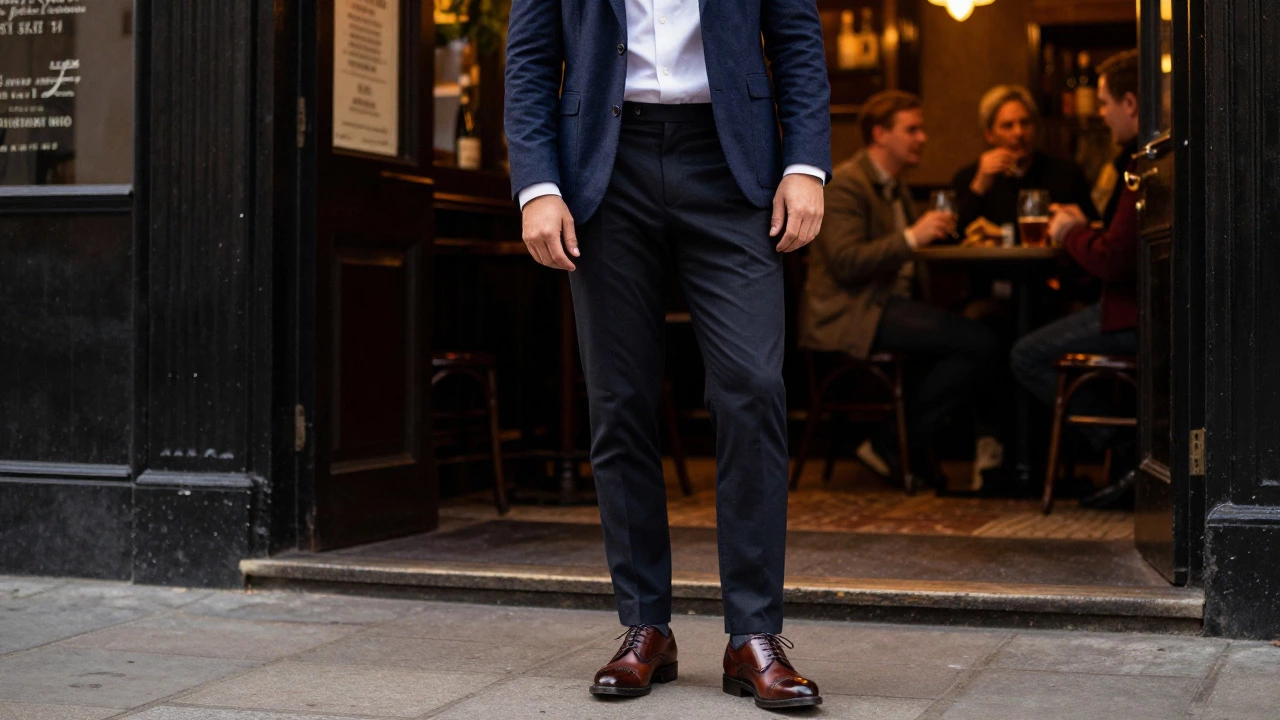
For smart-casual gatherings, pair chinos with a crisp button-down shirt and loafers. Add a blazer if the event leans slightly more formal. Avoid jeans unless they’re dark wash and free of rips. Footwear matters too-clean leather sneakers work well for casual dinners, but brogues or derbies elevate your look for upscale venues.
When black tie is required, stick to classic tuxedos with satin lapels and patent leather shoes. Irish tailors like Hackett London (available in Brown Thomas, Dublin) offer off-the-rack options that fit perfectly without custom pricing. Renting from services like SuitSupply is another cost-effective alternative for infrequent formal wearers.
Don’t neglect accessories. A pocket square, subtle watch, or quality belt can transform an ordinary outfit into something memorable. And yes-even in winter-a well-cut overcoat adds polish and protection against Ireland’s notorious drizzle.
Weather-Proofing Your Look
No discussion of Irish social attire is complete without addressing weather. Rain doesn’t care how expensive your dress is-it’ll ruin it anyway. So plan ahead.
- Carry a foldable umbrella: Keep one in your bag year-round. Compact models from brands like Wenger fit easily into handbags.
- Choose waterproof footwear: If you’re wearing heels, bring flats or boots for travel. Brands like Clarks offer stylish yet practical options.
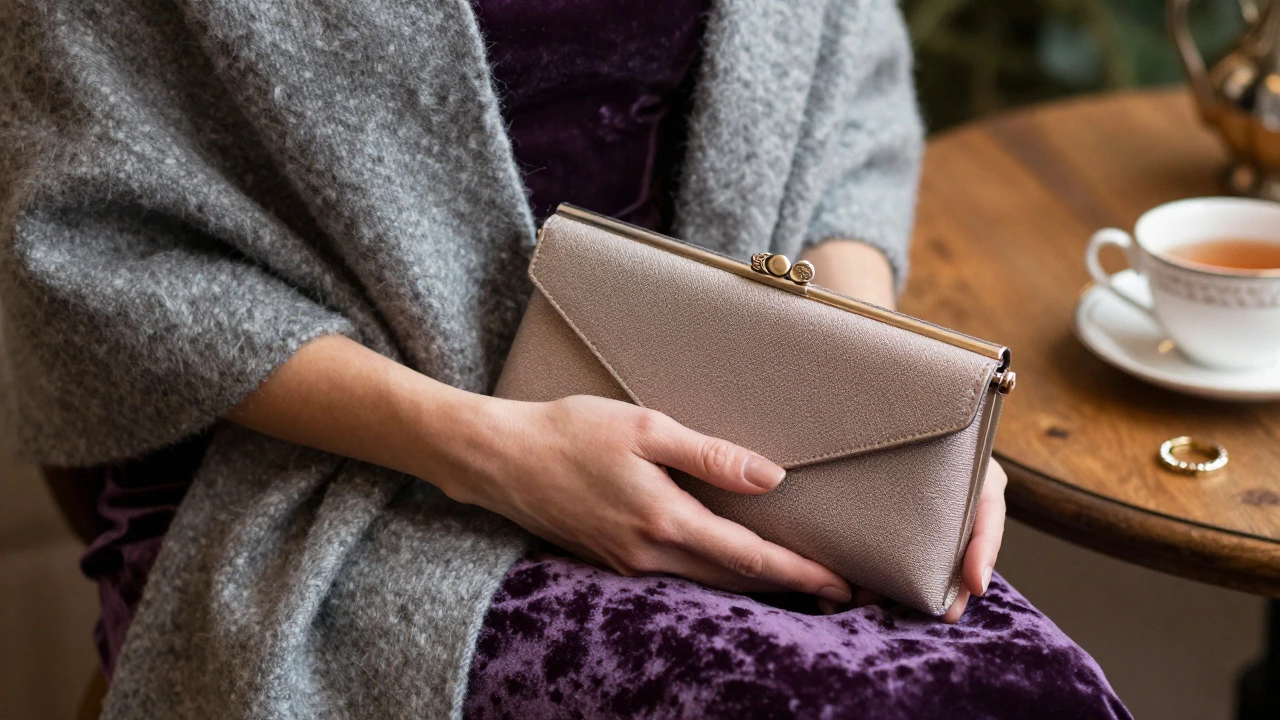
- Layer strategically: Wear a thermal base layer under your dress in winter. Pair it with a sleek pashmina or wool wrap instead of bulky coats.
- Avoid suede and open-weave knits: These absorb moisture quickly and dry slowly-perfect recipes for discomfort on damp nights.
Pro tip: Check the forecast using Met Éireann apps before dressing up. They provide hyper-local predictions down to hourly intervals, helping you decide whether to prioritize aesthetics or resilience.
Local Shopping Destinations for Evening Wear
Finding the right outfit doesn’t mean flying to Paris or spending hours online. Ireland boasts excellent local retailers specializing in evening wear.
In Dublin, head to Grafton Street for high-street brands like Zara, Mango, and & Other Stories, which carry affordable yet chic evening pieces. For luxury, visit Brown Thomas on Grafton Street-they stock international labels alongside emerging Irish designers. Their return policy allows exchanges within 30 days, giving you peace of mind if sizing runs small.
Outside the capital, explore regional hubs:
- Cork: Visit Penrose Centre for mid-range fashion stores including River Island and New Look.
- Galway: Explore Quay Street boutiques featuring handmade jewelry and locally designed dresses.
- Limerick: Stop by Market House Shopping Centre for budget-friendly options and seasonal sales.
Secondhand shops also deserve attention. Thrift stores in areas like Smithfield (Dublin) or Eyre Square (Galway) occasionally yield vintage gems-think lace gowns from the 1980s or sequined numbers ideal for retro-themed parties.
Cultural Nuances You Should Know
Ireland has its own unspoken rules about social attire. Understanding them helps avoid faux pas.
First, modesty still carries weight. While cleavage-baring tops may fly in some European capitals, many Irish venues prefer covered shoulders and higher necklines, particularly at religious ceremonies or family-oriented functions. Sleeveless dresses are acceptable-but only if paired with a shawl or jacket.
Second, color symbolism plays a role. White remains reserved primarily for brides. Wearing all-white to a wedding risks drawing unwanted attention. Similarly, red can signal boldness or romance depending on context-use it carefully at conservative events.
Third, respect local traditions. At ceilidhs or folk festivals, incorporating Celtic patterns or tartan accents shows appreciation for heritage. Even small touches-like a brooch shaped like a shamrock or earrings inspired by Claddagh rings-can make your ensemble stand out positively.
Final Checklist Before Heading Out
Before stepping out for any social evening in Ireland, run through this quick checklist:
- Confirm the dress code via email or phone call.
- Check the weather forecast using Met Éireann.
- Pack backup shoes and an umbrella.
- Ensure your outfit fits comfortably-you’ll be sitting, dancing, walking.
- Add one statement piece: scarf, clutch, or jewelry.
- Do a mirror test: Does it reflect your personality while respecting the occasion?
Getting dressed shouldn’t cause stress. With these guidelines, you’ll navigate Ireland’s vibrant social calendar confidently-whether you’re sipping wine in a cozy pub corner or admiring fireworks over the River Liffey.
What should I wear to a semi-formal evening in Dublin?
Opt for a knee-length or midi dress made of silk or crepe. Men should wear a blazer with chinos or dress pants. Avoid overly flashy accessories-keep it refined but approachable.
Are jeans acceptable for social evenings in Ireland?
Only if they’re dark-wash, clean, and paired with elevated tops or blazers. Light-colored or ripped jeans are generally too casual for anything beyond informal meetups.
Where can I buy affordable evening dresses in Ireland?
Try high-street chains like Zara, Mango, or & Other Stories in major cities. Secondhand shops in Dublin’s Smithfield or Galway’s Eyre Square also offer hidden bargains.
How do I handle rain during outdoor social events?
Bring a compact umbrella, wear water-resistant shoes, and layer with a warm wrap. Avoid suede and delicate fabrics that stain easily. Plan indoor alternatives whenever possible.
Is it okay to wear white to a non-wedding event in Ireland?
Yes-as long as it’s not a wedding. White is culturally associated with bridal wear here, so save it for other occasions unless explicitly invited to wear it.
What’s considered smart casual in Irish social circles?
Smart casual includes tailored separates, neat footwear, and minimal logos. Think dark jeans with a blouse, chinos with a polo, or a simple slip dress with cardigan. No sweatpants or flip-flops.
Can I rent formal wear instead of buying it?
Absolutely. Services like SuitSupply and local boutiques in Dublin offer rental packages for suits, tuxedos, and designer dresses. Ideal for one-off events where investment feels unnecessary.
Should I follow international trends or stick to local styles?
Blend both. International trends inspire creativity, but adapting them to Irish climate and culture ensures comfort and appropriateness. Prioritize functionality without sacrificing flair.