
Irish Suit Value Calculator
Not sure how much to spend? Answer these three questions to find your ideal suit budget and quality tier.
Your Ideal Suit Profile
Please select options and click calculate to see results.
You just got invited to a wedding in Galway, or maybe you're stepping into your first boardroom meeting in Dublin's financial district. The panic sets in: what should I pay for a good suit? It’s a question that haunts every Irish man at some point. Do you drop €150 on a shiny polyester number from a high-street chain in Grafton Street, or do you save up for three months to buy something that actually fits? The truth is, the answer depends entirely on how often you’ll wear it and what kind of impression you need to make. In Ireland, where rain can turn a wool blend into a heavy sponge and social events are taken seriously, your suit is an investment in both comfort and credibility.
Understanding the Price Tiers
Let’s break down the costs so you aren’t left guessing when you walk into a shop. There are three main categories of suits available here, each with a distinct price tag and purpose. Knowing which tier you’re looking at prevents you from overpaying for brand names or underpaying for poor quality.
| Tier | Price Range (EUR) | Fabric & Construction | Best For |
|---|---|---|---|
| Entry-Level | €120 - €250 | Polyester/Wool blends; fused construction (glued layers) | One-off events, student interviews, tight budgets |
| Mid-Range | €300 - €700 | 100% Wool; half-canvas construction; reputable brands | Regular office wear, frequent weddings, long-term use |
| Premium/Bespoke | €800 - €3,000+ | High-grade Super 120s+ wool; full canvas; custom tailoring | Career executives, grooms, connoisseurs who want perfect fit |
If you see a suit for under €150, be careful. It’s likely fused, meaning the lining is glued to the outer fabric. This looks boxy after a few wears and doesn’t breathe well-terrible for our damp climate. A mid-range suit with half-canvas construction allows the chest area to mold to your body over time, offering better shape retention. That’s why spending the extra €200 often pays off if you plan to wear the suit more than five times a year.
Where to Shop in Ireland
Ireland has a surprisingly robust tailoring scene, but you have to know where to look. You don’t need to fly to London for decent options. Here’s how the local landscape stacks up.
- High Street Chains: Stores like Zara or H&M offer trendy cuts for around €150-€200. They are fine for a one-time event, but the fabric is often thin. If you’re buying from these shops, allocate another €50-€80 for alterations immediately. Without them, you’ll look like you borrowed your dad’s suit.
- Specialist Retailers: Brands like Brown Thomas or Moss Bros have strong presences in Dublin, Cork, and Galway. Their suits start around €250 and go up to €600. They offer decent service and basic alterations included in the price. This is the sweet spot for most professionals.
- Irish Tailors: For true quality, visit independent tailors. In Dublin, places like Dunnes Stores’ tailoring section (often overlooked) or specialized shops in the City Centre offer made-to-measure services starting at €900. These suits use Italian or British fabrics and are constructed to last decades.
Don’t ignore online options either. UK-based sites like Suitsupply ship quickly to Ireland and offer excellent value. Their €400-€600 range uses high-quality VBC or Loro Piana fabrics, which are hard to find locally at that price point. Just remember: no fitting room means you must measure yourself accurately or risk costly returns.
The Hidden Cost: Alterations
Here is the biggest mistake men make in Ireland: they buy a suit off the rack and assume it fits because the size tag says "Medium." It almost never does. Standard sizing assumes average proportions, which rarely match real human bodies. You might have broad shoulders but short legs, or vice versa.
Budget an additional €50 to €100 for alterations. This isn’t optional; it’s mandatory for a "good" suit. A tailor can shorten sleeves, take in the waist, and adjust trouser length. In Dublin, you can find skilled tailors in areas like Rathmines or Phibsborough who charge fair rates. Avoid mall kiosks if possible-they often rush the job. A proper alteration takes time. If a shop tells you it will be ready in 24 hours, ask questions. Quality work usually takes a week.
Think of it this way: a €300 suit plus €80 in alterations equals a €380 suit that fits perfectly. That looks infinitely better than a €500 suit that fits poorly. Fit is king. No amount of expensive fabric saves a bad cut.
Fabric Matters More Than Brand
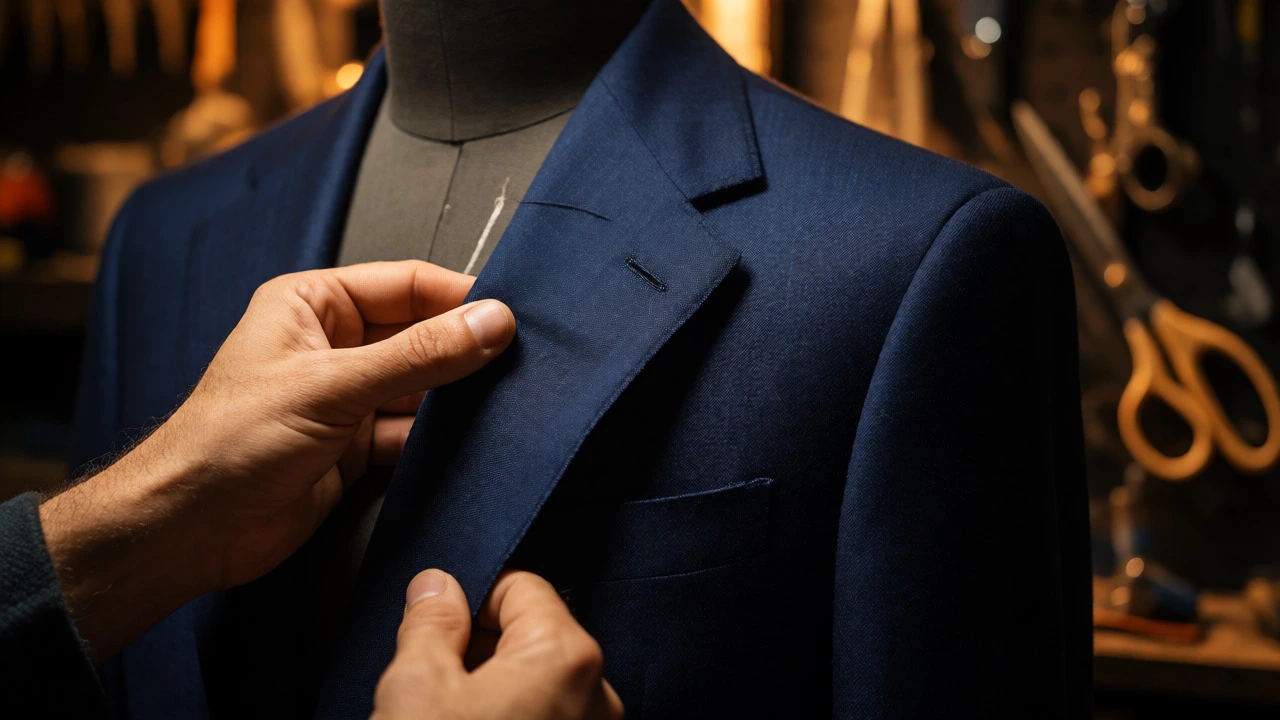
When you’re standing in a shop in Belfast or Limerick, feel the cloth. Is it soft? Does it wrinkle easily? Hold it up to the light. You want natural fibers. Wool is the gold standard. It breathes, resists wrinkles, and handles our variable weather surprisingly well. Cotton is okay for summer but wrinkles terribly. Linen is great for July but looks messy by noon. Polyester is cheap and traps sweat-avoid it unless you’re on a strict budget.
Look for labels indicating "Super 100s," "Super 120s," or higher. This refers to the fineness of the wool fiber. Higher numbers mean softer, lighter fabric. However, Super 150s and above are delicate and best for occasional wear. For daily office use in Ireland, Super 100s to 120s offer the best balance of durability and elegance. Don’t let salespeople upsell you on fragility you don’t need.
When to Splurge and When to Save
Your spending strategy should match your lifestyle. Let’s look at three common scenarios for Irish men.
- The Student or Graduate: You need a suit for graduation photos and a few job interviews. Spend €150-€200. Buy from a discount retailer or wait for end-of-season sales in January or August. Focus on getting the basics right: dark navy or charcoal grey. Avoid black-it’s too funereal for daytime interviews.
- The Wedding Guest or Regular Professional: You attend two or three weddings a year and wear a suit weekly. Spend €400-€700. This buys you a half-canvas suit from a reputable brand like Brown Thomas or Suitsupply. It will last five years with proper care. Add a matching vest for versatility.
- The Executive or Groom: You want a statement piece or need armor for high-stakes meetings. Spend €1,000+. Go bespoke or made-to-measure with an Irish tailor. Choose a unique pattern or color, like a subtle herringbone or a deep green nod to national pride. This suit becomes part of your identity.
Remember, maintenance costs money too. Dry cleaning damages wool over time. Use a steamer instead. Brush your suit after every wear. Rotate between two suits if you wear them daily. This extends the life of your investment, effectively lowering the cost-per-wear.

Local Nuances: Weather and Culture
Ireland’s climate dictates fabric choice. We get four seasons in one day. A heavy tweed suit, traditional in rural areas, might be too hot for a crowded pub reception in May. Conversely, a lightweight tropical wool might leave you shivering in a drafty church in November. Aim for medium-weight all-season wool. It’s versatile enough for Dublin’s wind and Kilkenny’s sun.
Culturally, Irish men are becoming more adventurous with style. While navy and grey remain safe bets, don’t be afraid of texture. A flannel suit in winter adds depth without being loud. In summer, lighter blues or even pastels are acceptable, especially at outdoor weddings in coastal towns like Dingle or Lahinch. Just ensure the fit is sharp. A pastel suit with baggy trousers looks sloppy, not stylish.
Final Verdict: What’s Fair?
So, what should you pay? For a truly good suit-one that fits well, feels comfortable, and looks professional-you should aim for €400 to €600. This includes the cost of the garment and necessary alterations. Below €250, you’re compromising on longevity and appearance. Above €1,000, you’re paying for luxury and customization, not just utility.
Start with your budget, then prioritize fit over brand. Visit a specialist retailer, try on several styles, and negotiate alterations. If you’re unsure, ask for advice from staff who actually wear suits. Most importantly, wear it confidently. A well-fitted €300 suit beats an ill-fitting €1,000 suit any day. Now, go find the one that makes you feel ready for whatever comes next.
Is it worth buying a suit online for delivery to Ireland?
Yes, but with caution. Sites like Suitsupply offer high-quality fabrics at competitive prices. However, you must know your measurements precisely. Returns can be hassle-free if you check the policy, but trying on in-store is always safer for your first purchase.
How much should I budget for suit alterations in Dublin?
Expect to pay between €50 and €100 for comprehensive alterations, including sleeve shortening, waist adjustment, and trouser hemming. Some retailers include basic alterations in the purchase price, but complex adjustments usually cost extra.
What is the best color for a first suit in Ireland?
Navy blue is the most versatile choice. It works for business, weddings, and semi-formal events. Charcoal grey is a close second. Avoid black for daytime wear as it can appear too formal or somber in Irish cultural contexts outside of funerals.
Do Irish tailors offer made-to-measure services?
Yes, many independent tailors in cities like Dublin, Cork, and Galway offer made-to-measure services. Prices typically start around €900-€1,200. This involves taking your measurements and adjusting a base pattern, rather than drafting a completely new pattern from scratch (bespoke).
How long does a good suit last?
With proper care, a high-quality wool suit can last 5-10 years or more. Rotating suits, brushing regularly, and minimizing dry cleaning extend their lifespan significantly compared to cheaper, fused-construction suits that may degrade within 2-3 years.